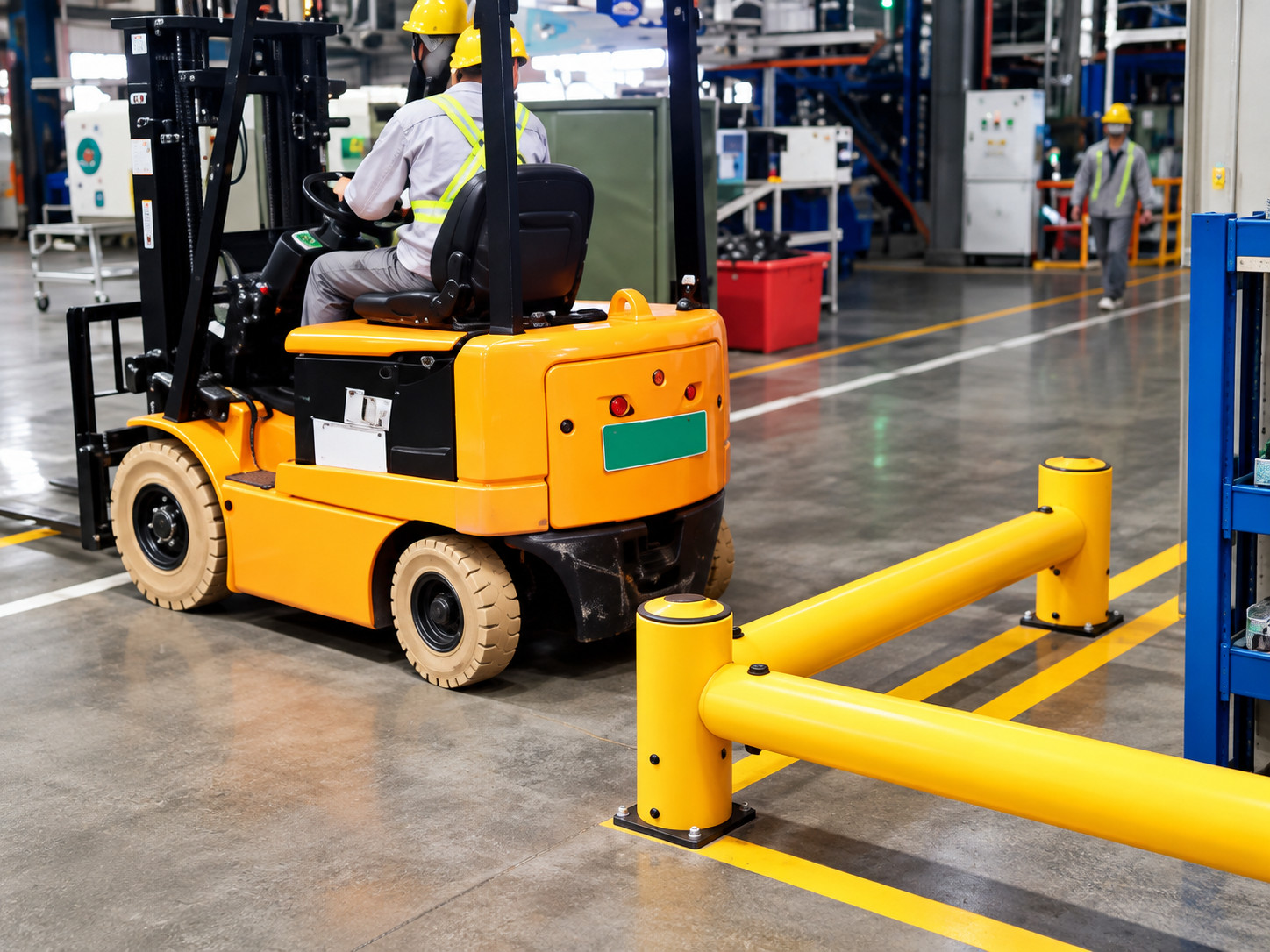
Industrial safety barrier separating a forklift route from people and equipment in a factory

Warehouse Safety Equipment

SEPPES Industrial Safety Barriers for Warehouses & Factories

Flexible safety barriers, retractable safety barriers and safety bollards are designed to protect pedestrians, equipment, doorways and warehouse infrastructure from forklift impacts. Plan warehouse safety barriers around each traffic route and risk zone.

Choose Protection by Risk Zone

✓
Forklift & Pedestrian SeparationCreate visible protected routes where vehicles and people move through the same facility.
✓
Machinery & Racking ProtectionGuard exposed equipment, rack ends and control cabinets beside vehicle lanes.
✓
Doorway & Column ProtectionUse safety bollards and compact barriers around openings, walls and structural columns.
✓
Flexible or Retractable AccessMatch fixed guardrails or retractable safety barriers to permanent and controlled-access zones.
、

SEPPES · Protection Planning

SEPPES Industrial Safety Solutions

Match warehouse safety barriers to the area that needs protection, the access that must remain available and the direction of vehicle movement. Use the comparison below to plan continuous separation, openable loading-dock protection or localized impact protection.

Protection NeedProduct DirectionInformation to Confirm
Continuous separation along a routeFlexible safety barriersRequired run length, height, access points and vehicle routes
An opening that must remain accessible for loadingRetractable safety barriersOpening width, retracted space and operating procedure
Protection at an exposed pointFlexible safety bollardsPosition, post dimensions, quantity and vehicle approach
Flexible guardrails separating a warehouse route 01

Pedestrian Routes · Forklift Aisles

Separate Pedestrian and Forklift Routes

Plan continuous guardrail runs around walking routes and vehicle aisles. Identify crossings, access points and installation space before selecting the guardrail configuration.

✓
Recommended product directionFlexible Safety Barriers for continuous route separation.
Request a Flexible Barrier Proposal →
Retractable safety barriers across warehouse loading dock openings 02

Loading Openings · Required Access

Plan Protection at Loading Openings

Review the loading opening, barrier movement and required access during loading operations. Confirm the installation layout alongside the dock door, leveler and available floor space.

✓
Recommended product directionRetractable Safety Barriers for an opening that must remain accessible.
Request a Retractable Barrier Proposal →
Flexible safety bollards protecting an industrial doorway 03

Doorways · Corners · Equipment Edges

Protect Doorways and Exposed Equipment

Identify door frames, corners and equipment edges close to vehicle movements. Review bollard positions and mounting conditions without obstructing required access.

✓
Recommended product directionFlexible Safety Bollards for localized protection at exposed points.
Request a Bollard Proposal →

Warehouse Impact Protection Cases

SEPPES Flexible Safety Barrier Cases

Plan industrial safety barriers around the actual risk zone. These application examples show which dimensions and site conditions matter when selecting flexible safety barriers, a retractable safety barrier or safety bollards for forklift and pedestrian protection.

Case Selection Priorities

What Buyers Need to Confirm

Color supports visibility, but product selection should start with the protected position, dimensions, traffic condition and installation method.

01

Warehouse Pedestrian Protection

Flexible Safety Barrier

Barrier Size Length × height Protected Area Walkway / forklift lane Traffic Frequent forklift use

Secondary option: yellow / black visibility color and floor mounting condition.

02

Retractable Access Protection

Retractable Safety Barrier

Opening Width Project-specific Barrier Height Project-specific Application Forklift crossing / access

Secondary option: extension range, operating frequency and visibility color.

03

Doorway & Column Protection

Flexible Safety Bollard

Bollard Size Height × diameter Position Door / column / corner Quantity By protected points

Secondary option: yellow / black visibility color and anchor layout.

Project reference: final barrier dimensions and layout must be reviewed against the forklift type, loaded weight, travel speed, impact direction, aisle width and floor condition.
Request a Warehouse Safety Layout

Industry Applications

Warehouse Safety Equipment for High-Risk Industrial Areas

Plan warehouse safety around the interaction between forklifts, pedestrians, machinery and building structures. Safety bollards, industrial guard rails, warehouse guardrail systems and retractable safety barriers help create visible protection at traffic routes, doorways, columns and restricted access areas.
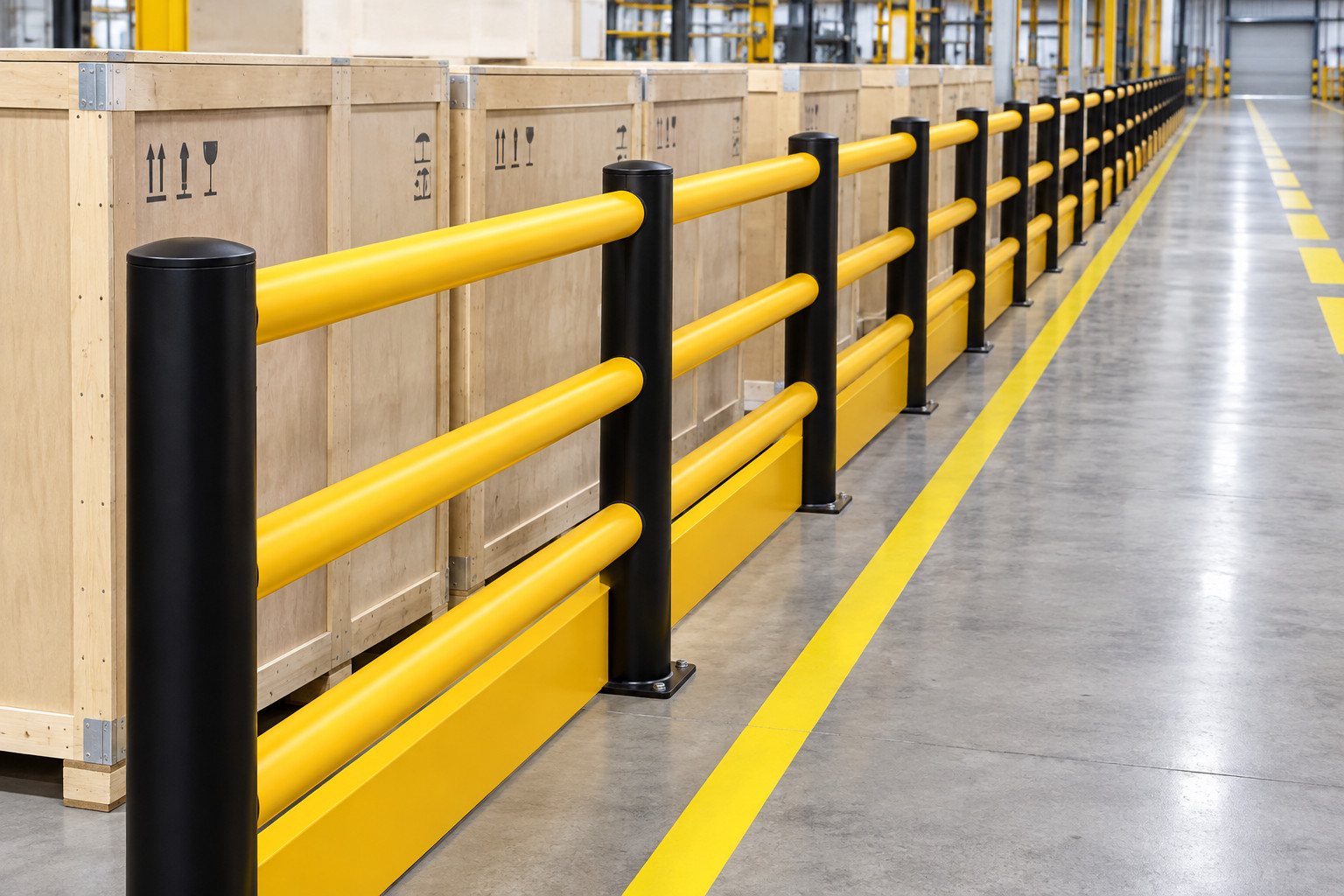
Warehouse safety equipment used around a distribution center loading area Organized warehouse and distribution traffic zones

Warehouses & Distribution Centers

Use warehouse safety equipment and warehouse guardrail systems to separate vehicle routes, pedestrian walkways, racks and staging areas.

View Warehouse Safety Solutions
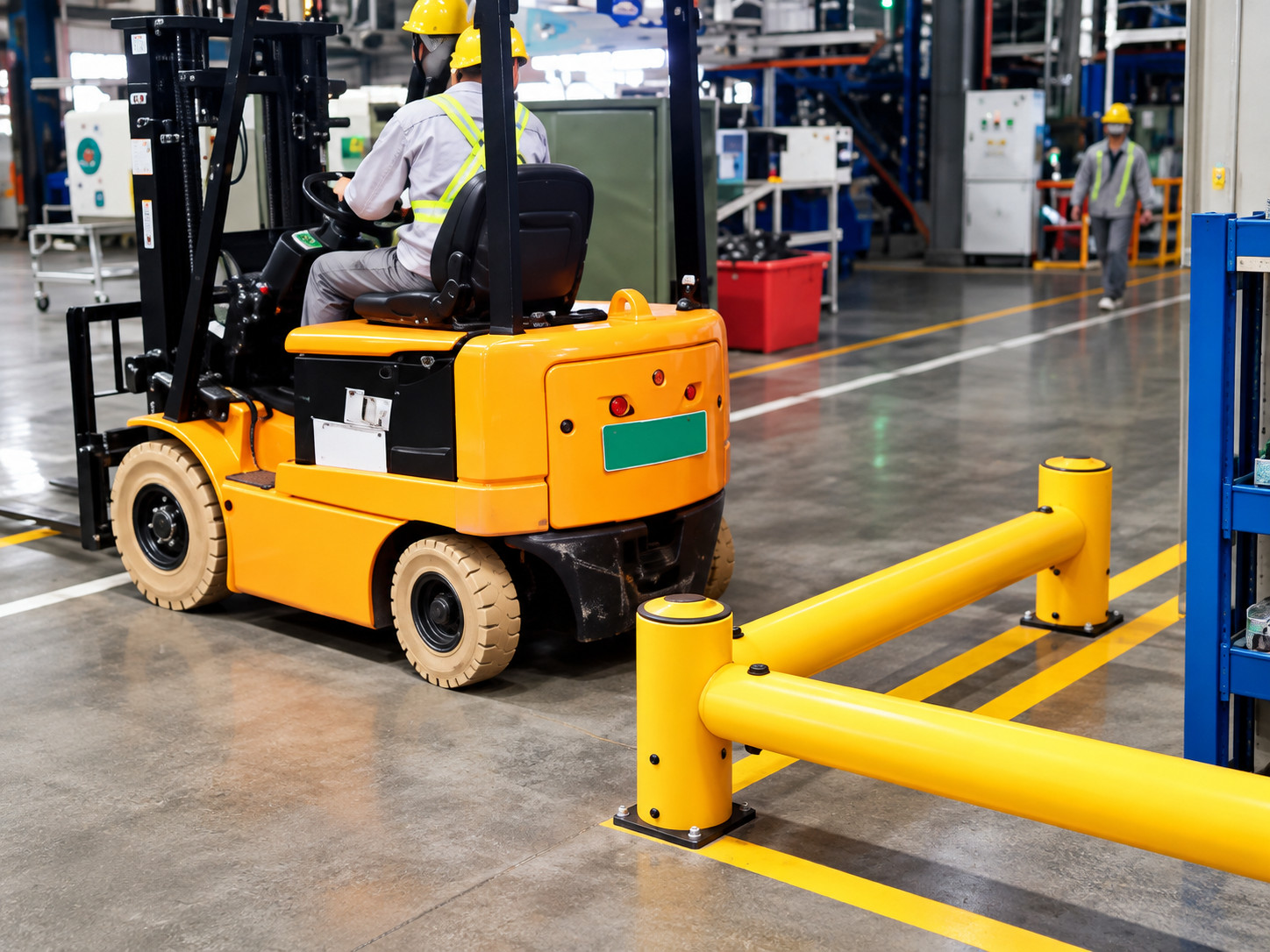
Forklift impact protection for a high-traffic warehouse route Forklift routes, crossings and turning zones

Forklift Traffic Areas

Improve warehouse traffic safety with industrial guard rails and flexible safety bollards around forklift routes, crossings and turning zones.

View Forklift Safety Solutions
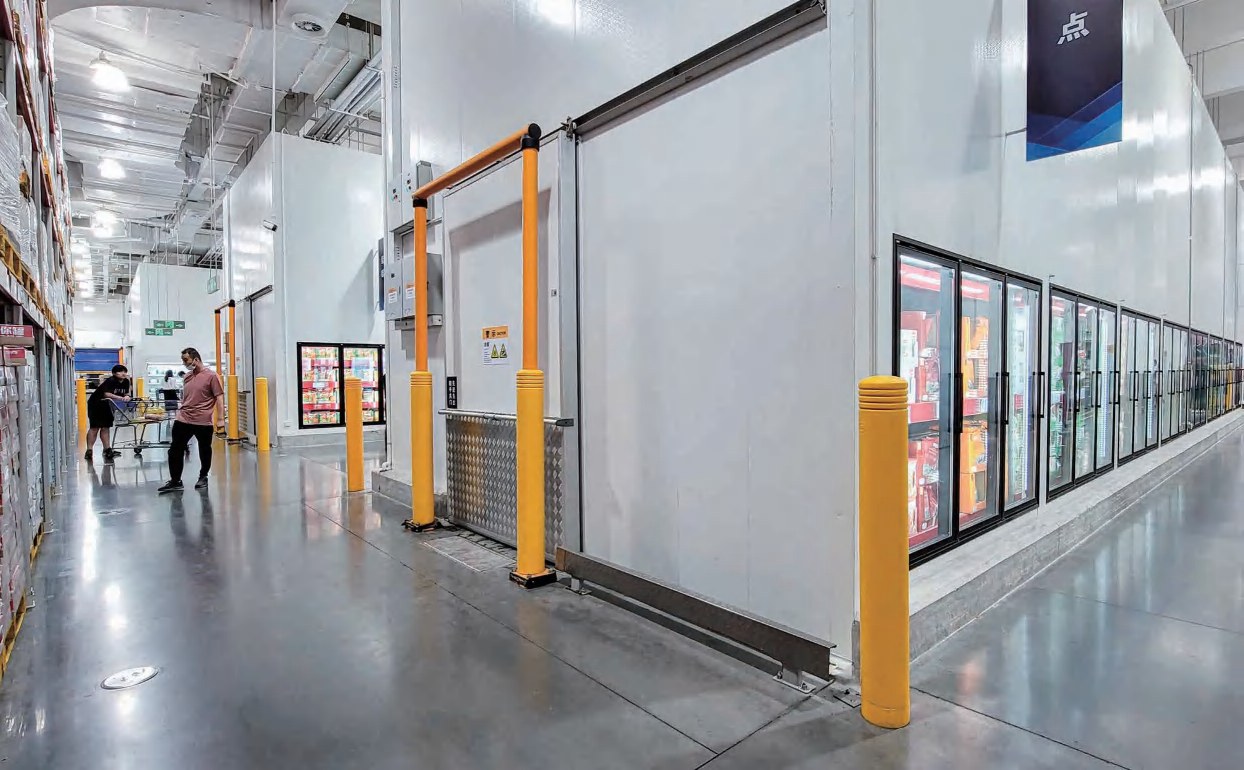
Industrial safety barrier providing machinery protection in a manufacturing plant Production equipment and material-handling zones

Manufacturing Plants

Support machinery protection by positioning safety barriers around production equipment, conveyors, controls and work cells exposed to vehicle traffic.

View Manufacturing Safety Solutions
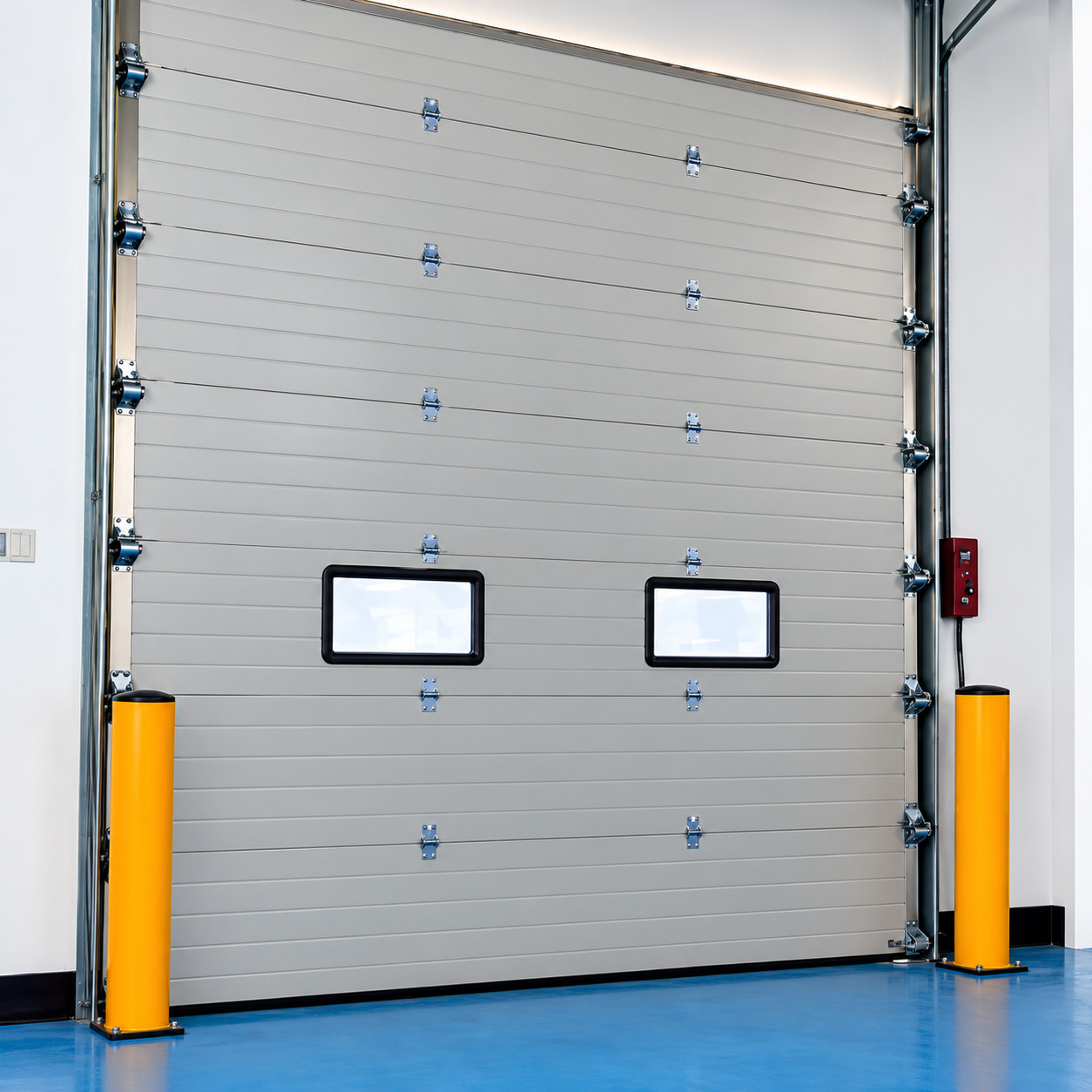
Doorway protection for an industrial door exposed to forklift traffic Door frames, tracks, controls and wall edges

Industrial Doorways

Use doorway protection and flexible bollards to shield door frames, tracks, controls and adjacent walls from vehicle contact.

Explore Doorway Protection
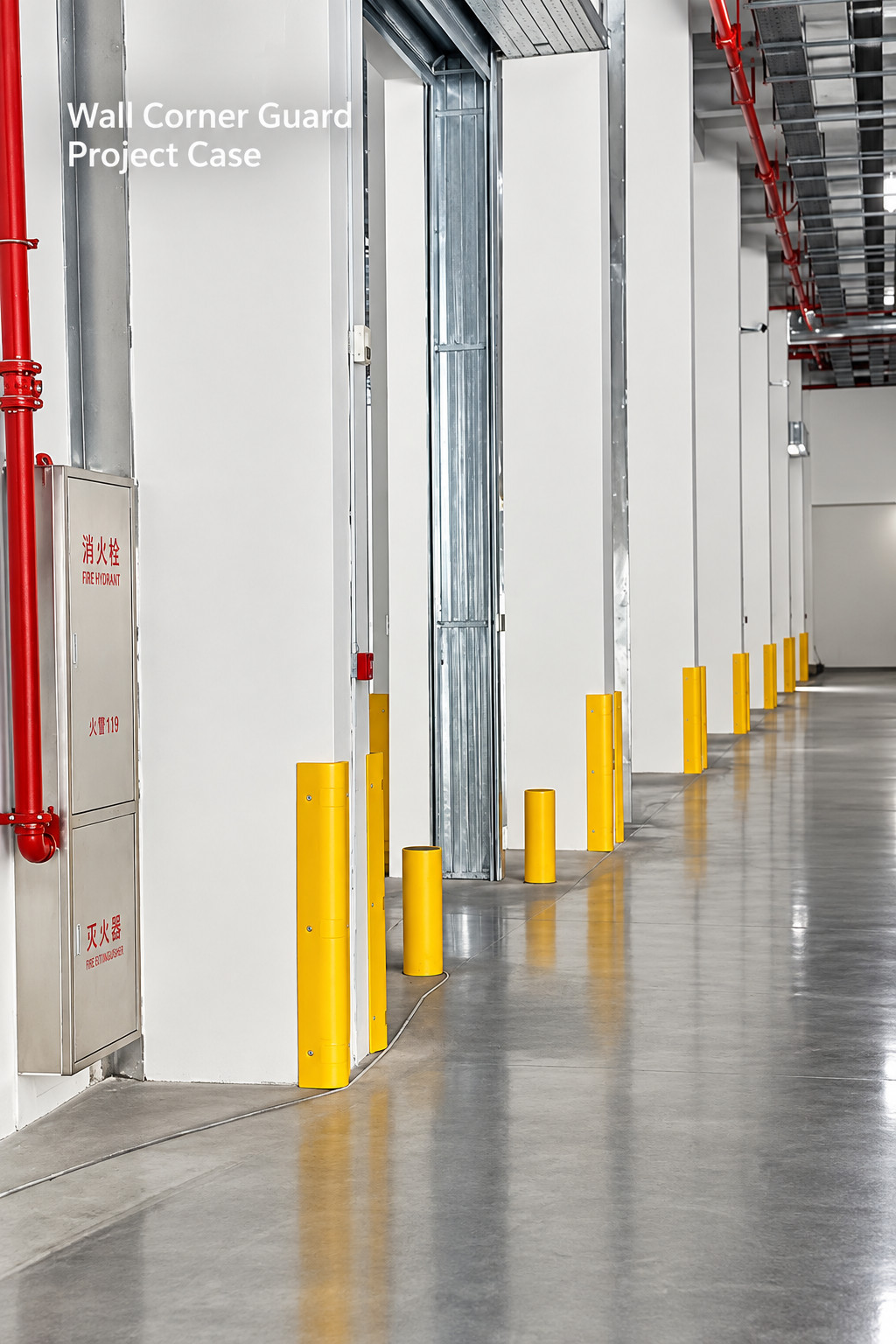
Safety bollards used for warehouse column protection Columns, wall corners and structural posts

Columns & Building Structures

Add column protection around structural posts, wall corners and vulnerable building areas located beside forklift routes.

View Column Protection
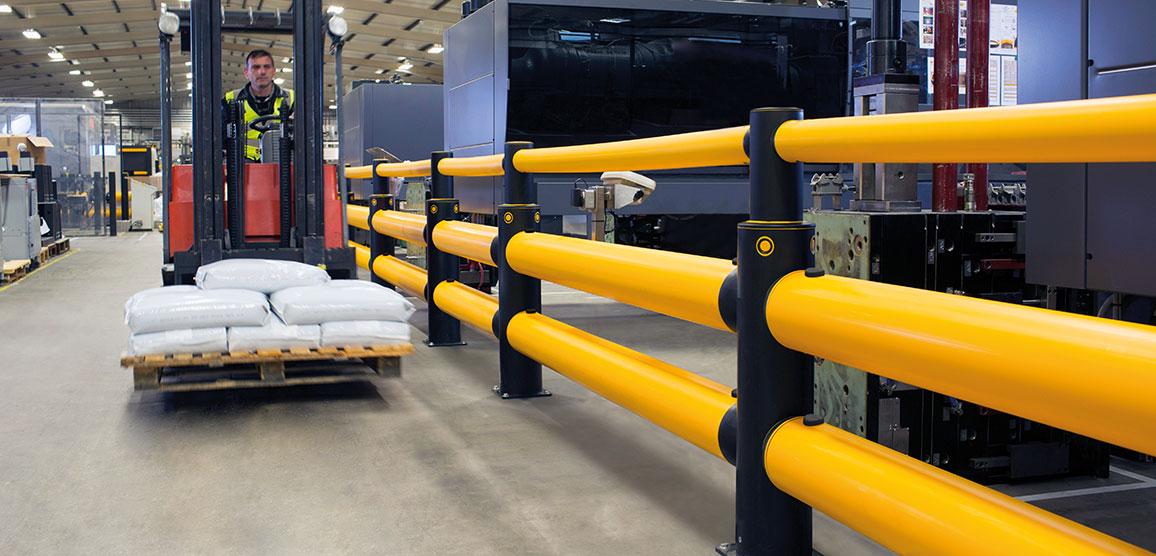
Retractable safety barrier controlling a restricted industrial access area Temporary closures and controlled access zones

Restricted & Temporary Access Areas

Use a retractable safety barrier to control temporary access, maintenance zones and changing warehouse traffic routes.

View Retractable Safety Barriers

Contact SEPPES

SEPPES Flexible Guardrail Quote

Tell us about your project requirements. Our team will recommend suitable industrial door solutions and provide a customized quotation.

WhatsApp: +86 180 2021 6635

Please specify the product type, dimensions, quantity, and any additional requirements.

Warehouse Safety Equipment Project

Plan Your Warehouse Safety Barrier System

Share your forklift type, traffic routes, protection areas and required barrier dimensions. SEPPES can recommend flexible barriers, retractable barriers and safety bollards for your facility.

Forklift type, operating weight and travel speed
Vehicle routes, pedestrian walkways and impact-risk zones
Required protection length, height and mounting conditions
Product quantities, project country and target schedule

WhatsApp: +86 180 2021 6635

Talk to SEPPES

Request a Warehouse Safety Barrier Quote

Complete the fields below. Your warehouse guardrail system and impact-protection requirements will be organized for our sales engineer to review and recommend a project-specific configuration.

You can attach warehouse layouts, traffic-route drawings and site photos after WhatsApp opens.

Submitting this form opens WhatsApp with a prepared message. This page does not store the information.

Buyer FAQ

SEPPES Warehouse Safety Barrier FAQs

Compare guardrails, safety bollards and access barriers for forklift routes, pedestrian zones, columns, machinery and industrial doorways.

What is a safety barrier used for in a warehouse?

A safety barrier creates a visible physical boundary around pedestrian routes, rack ends, equipment, walls and vehicle traffic zones. A warehouse safety layout should place each barrier according to the actual forklift route, turning area, protected object and available clearance.

How do warehouse guardrail systems protect pedestrians from forklifts?

Warehouse guardrail systems separate walkways from powered industrial vehicle routes and help define controlled crossing points. The layout should consider forklift type, vehicle weight, approach direction, operating speed, aisle width and pedestrian movement rather than relying on guardrails alone.

What is the difference between a flexible safety barrier and a steel guardrail?

A flexible safety barrier is designed to deflect and absorb part of an impact before returning toward its original position, while traditional steel industrial guard rails normally resist impact through rigid metal sections and anchors. Final selection should compare verified impact data, layout, maintenance needs and the protected risk zone.

Where should safety bollards be installed in a warehouse?

Safety bollards are commonly positioned near door frames, wall corners, control panels, rack ends, building services and other point hazards beside vehicle routes. A warehouse bollard or flexible bollard must be located where it protects the asset without narrowing the required traffic or emergency-access clearance.

How can columns be protected from forklift impacts?

Column protection can use wraparound protectors, flexible safety bollards or short guardrail sections selected around the column size and forklift approach direction. Forklift impact protection should also account for turning radius, floor condition and nearby pedestrian routes.

How can industrial doorways be protected from forklift collisions?

Doorway protection may combine side bollards, frame guards and short barriers around the jambs, tracks, controls and adjacent wall. The protection layout should preserve the clear opening, sensor field, maintenance access and safe movement through the industrial door.

When should a retractable safety barrier be used?

A retractable safety barrier is useful where access must open temporarily for vehicles, materials or maintenance and close again to control entry. Typical locations include loading or transfer points, machinery protection zones and routes that cannot use a permanently closed fixed barrier.

What information is needed to select an industrial safety barrier?

Provide the required barrier length and protection height, forklift type, vehicle weight, expected operating speed, impact direction, traffic route, aisle width, installation surface, protected object, site drawings and photographs. Final warehouse safety equipment selection should follow the project risk assessment and verified product data.

Scroll to Top