
仓库安全设备
仓库与工厂工业安全护栏
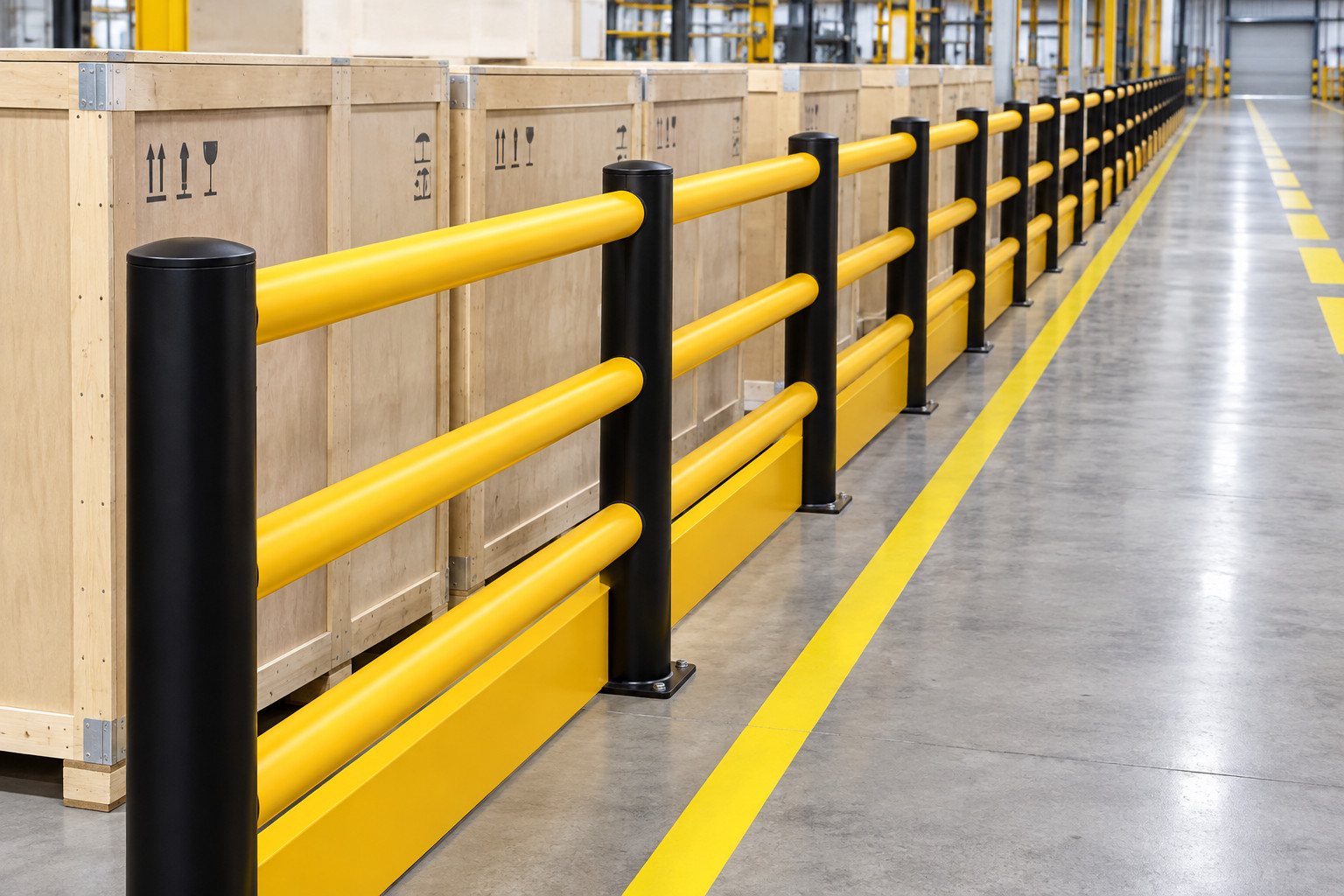
柔性安全护栏、可伸缩安全护栏和安全防撞柱旨在保护行人、设备、门口和仓库基础设施免受叉车撞击。围绕每条运输路线和风险区域规划仓库安全护栏。.
按风险区域选择防护方案
按风险区域选择防护方案
仓库防护工业安全护栏解决方案
不同的仓库风险需要不同的防护布局。比较行人与叉车隔离、临时通道控制、门口与立柱防护以及机械区域的解决方案——然后将每个风险区域匹配到合适的安全护栏、可伸缩护栏或柔性防撞柱。.
行人与叉车隔离
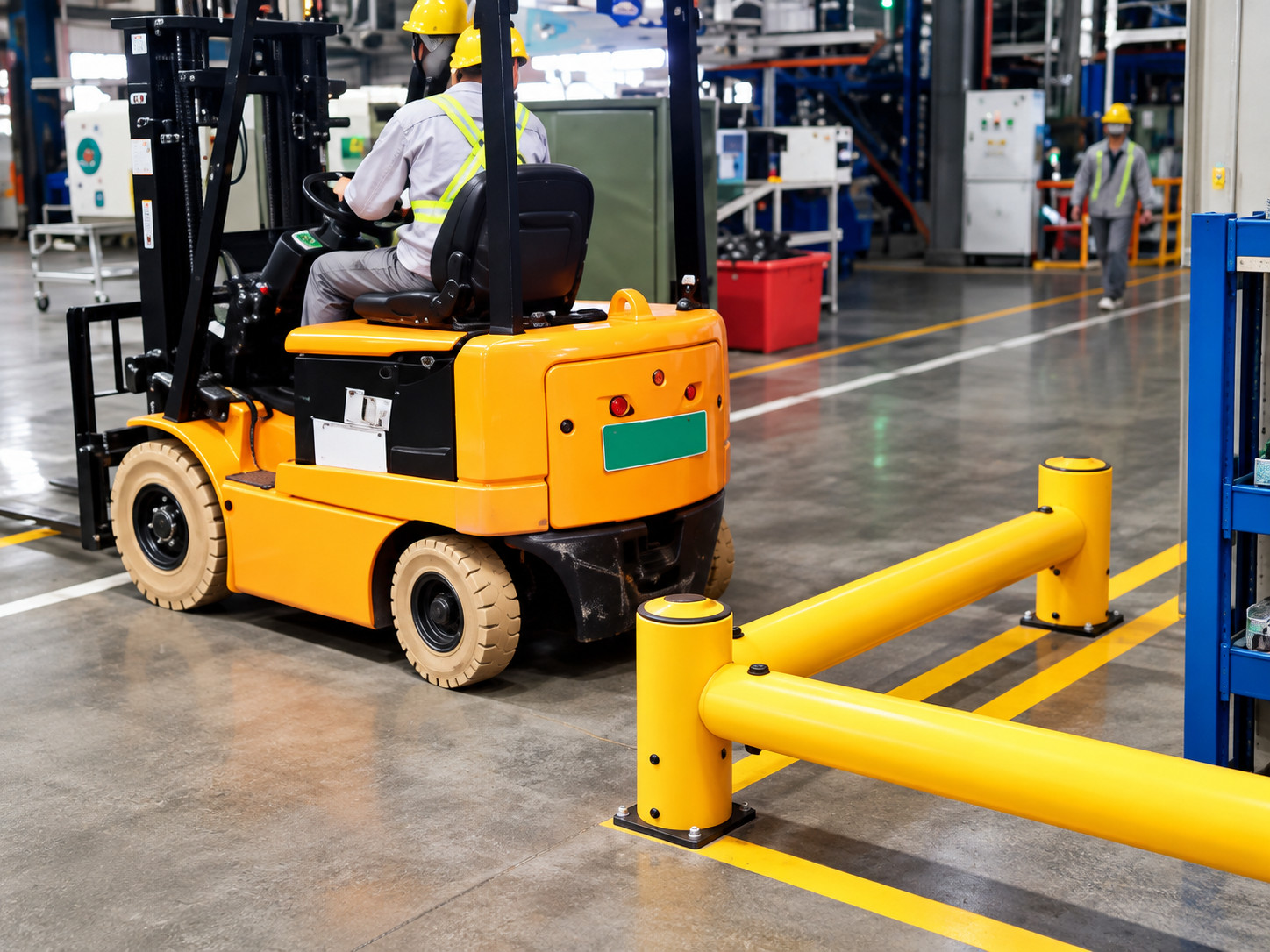
行人与叉车隔离
仓库护栏系统在行人与动力车辆之间创建可见的物理边界。工业护栏界定叉车通道,而柔性工业护栏有助于保护繁忙仓库中的步行路线和人员区域。.
需要时打开·通行后关闭
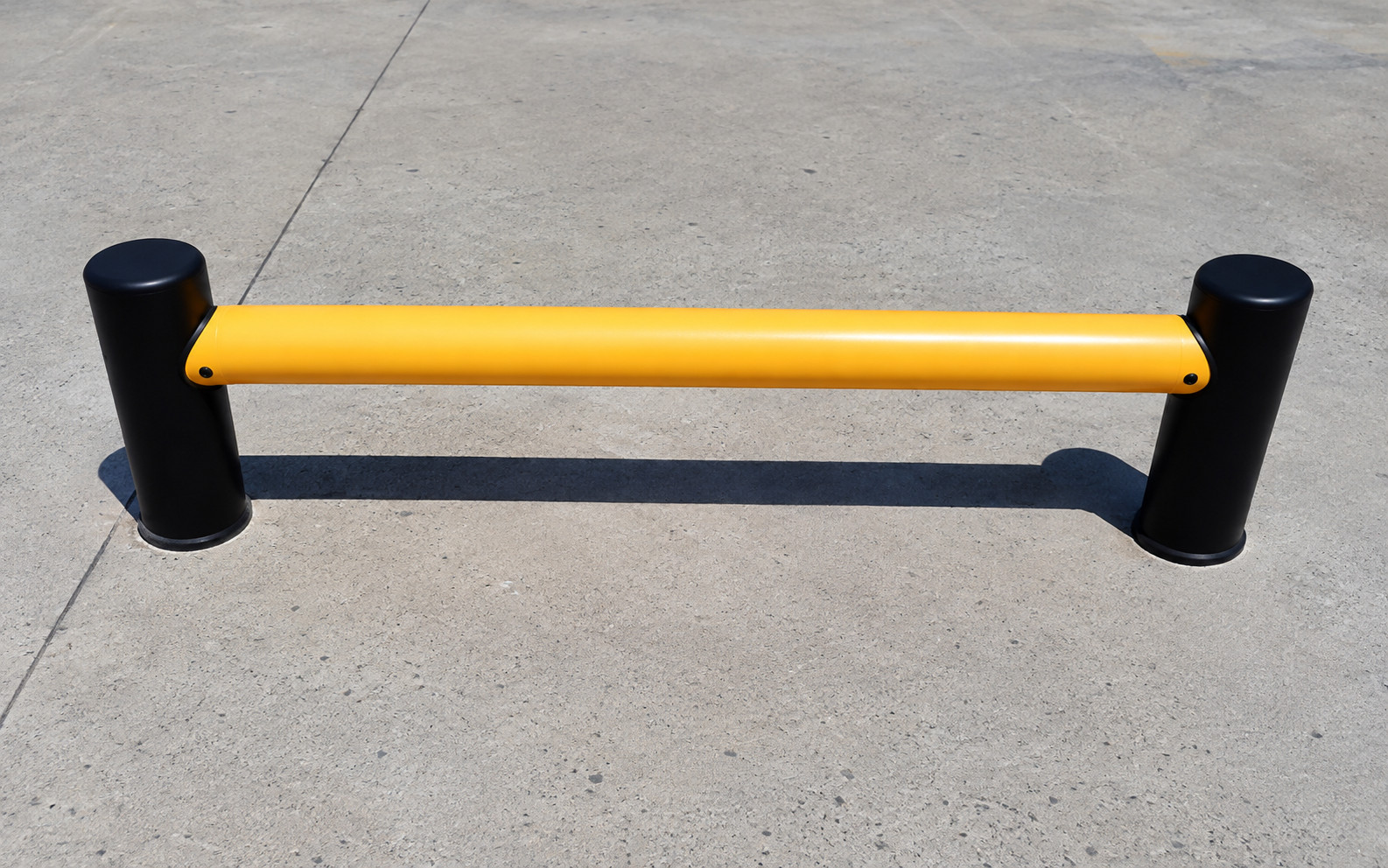
临时通道控制
可伸缩安全护栏可在需要防护时封闭通道、服务点或限制性开口,然后在授权通行时再次打开。这种工业可伸缩护栏可作为可伸缩仓库护栏使用,适用于固定护栏会阻碍必要通行的情况。.
门口·立柱·局部撞击区域
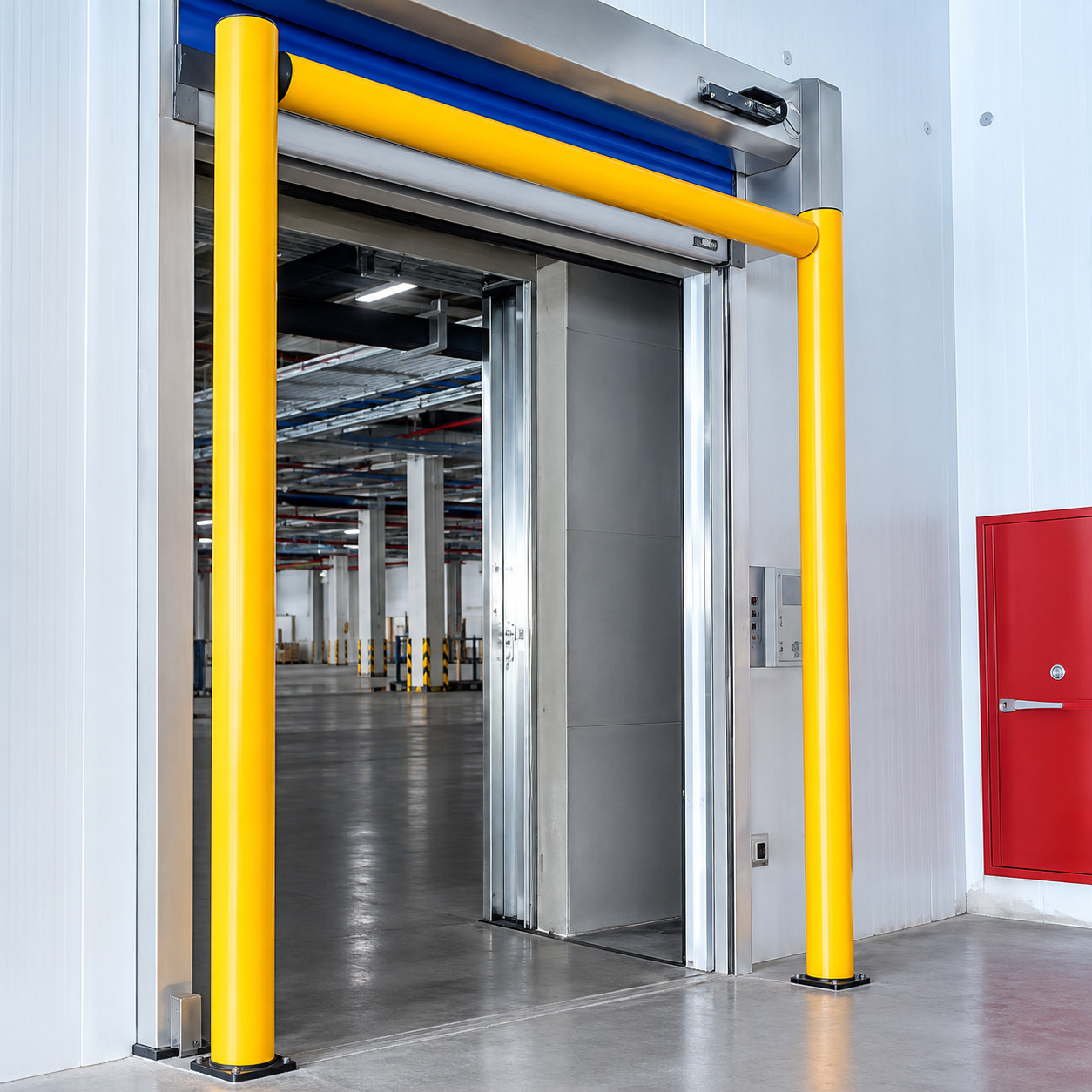
门口、立柱与设备防护
在叉车转弯路径靠近脆弱结构的区域,将门口防护和立柱防护相结合。柔性防撞柱或仓库防撞柱可提供紧凑的点位防护,无需在整个区域安装连续护栏。.
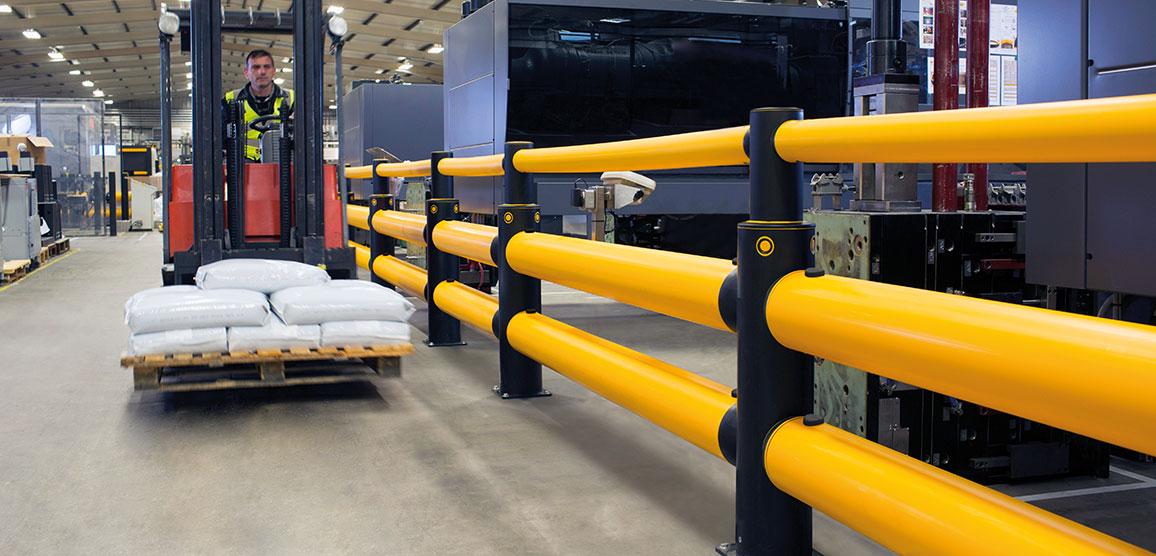
机械·输送机·控制柜
机械与设备防护
机械防护在生产设备、输送机和车辆路线附近的控制柜周围设置物理边界。布局应在提供叉车撞击防护的同时,保留操作人员通道、维护空间和物料流动。.
仓库防撞保护案例
仓库防撞保护柔性安全护栏案例
围绕实际风险区域规划工业安全护栏。这些应用示例展示了在选择用于叉车和行人保护的柔性安全护栏、可伸缩安全护栏或安全防撞柱时,哪些尺寸和现场条件至关重要。.
案例选型优先事项
买家需确认的事项
颜色有助于提升可见性,但产品选型应首先考虑被保护位置、尺寸、交通条件和安装方式。.
仓库行人保护
柔性安全护栏
次要选项:黄/黑警示色及地面安装条件。.
可伸缩通道保护
可伸缩安全护栏
次要选项:延伸范围、操作频率及警示色。.
门口与立柱防护
柔性安全防撞柱
次要选项:黄/黑警示色及锚固布局。.
行业应用
高风险工业区域的仓库安全设备
围绕叉车、行人、机械与建筑结构之间的交互关系规划仓库安全。安全防撞柱、工业防护栏、仓库护栏系统和可伸缩安全护栏有助于在交通路线、门口、立柱和限制通行区域形成可见的防护。.
有序的仓库和配送交通区域
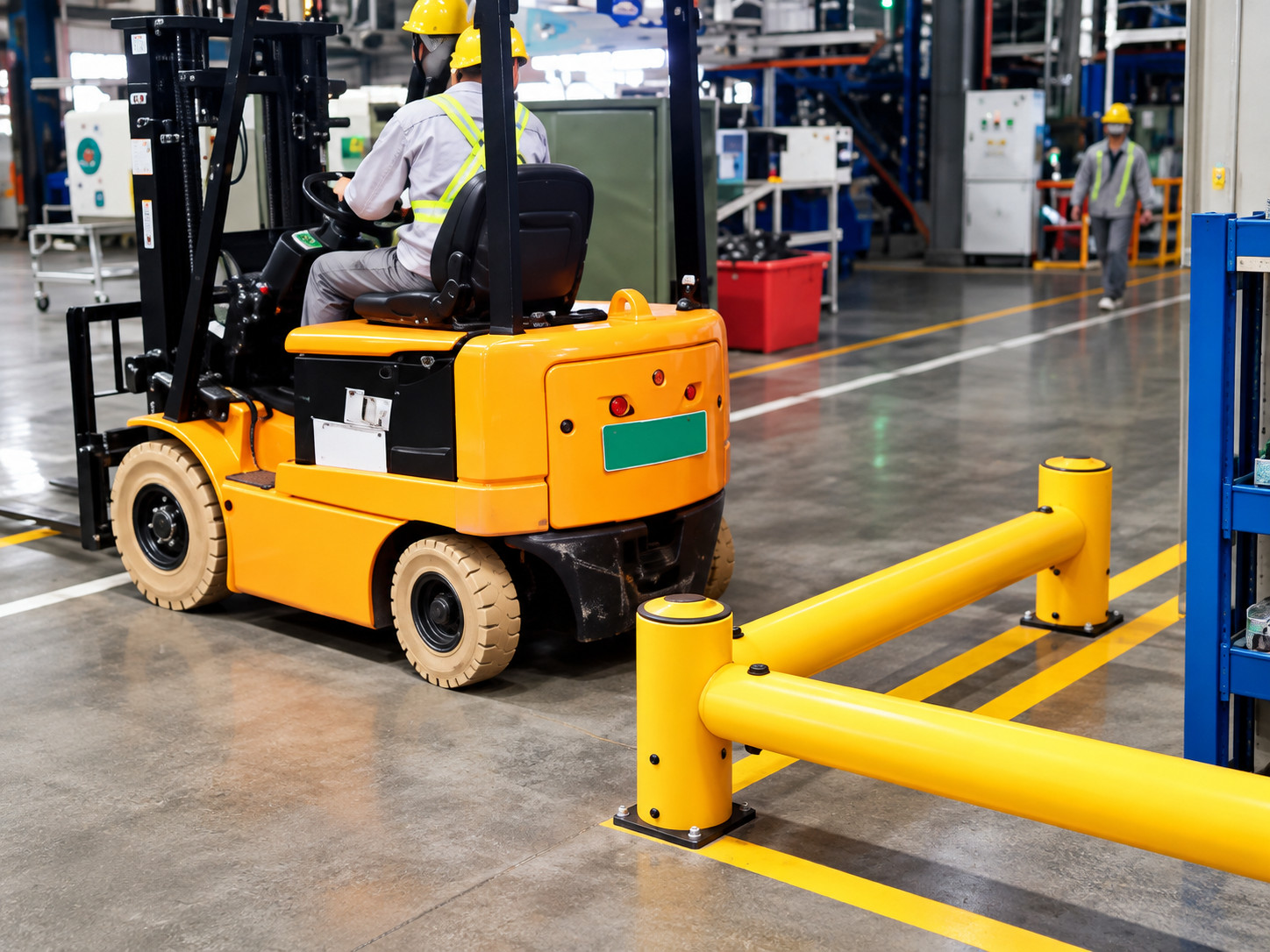
叉车路线、交叉口和转弯区域
生产设备和物料搬运区域
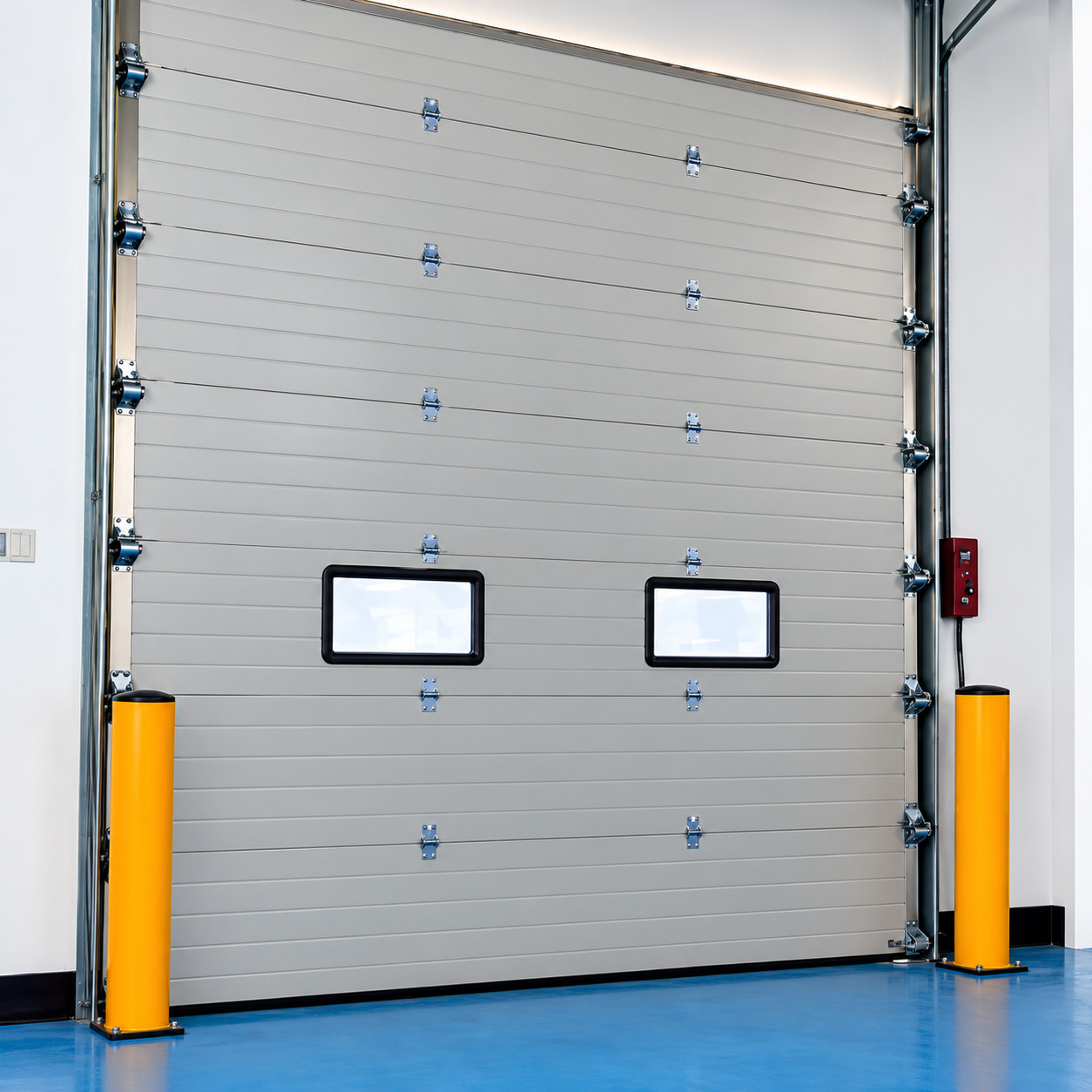
门框、轨道、控制装置和墙边缘
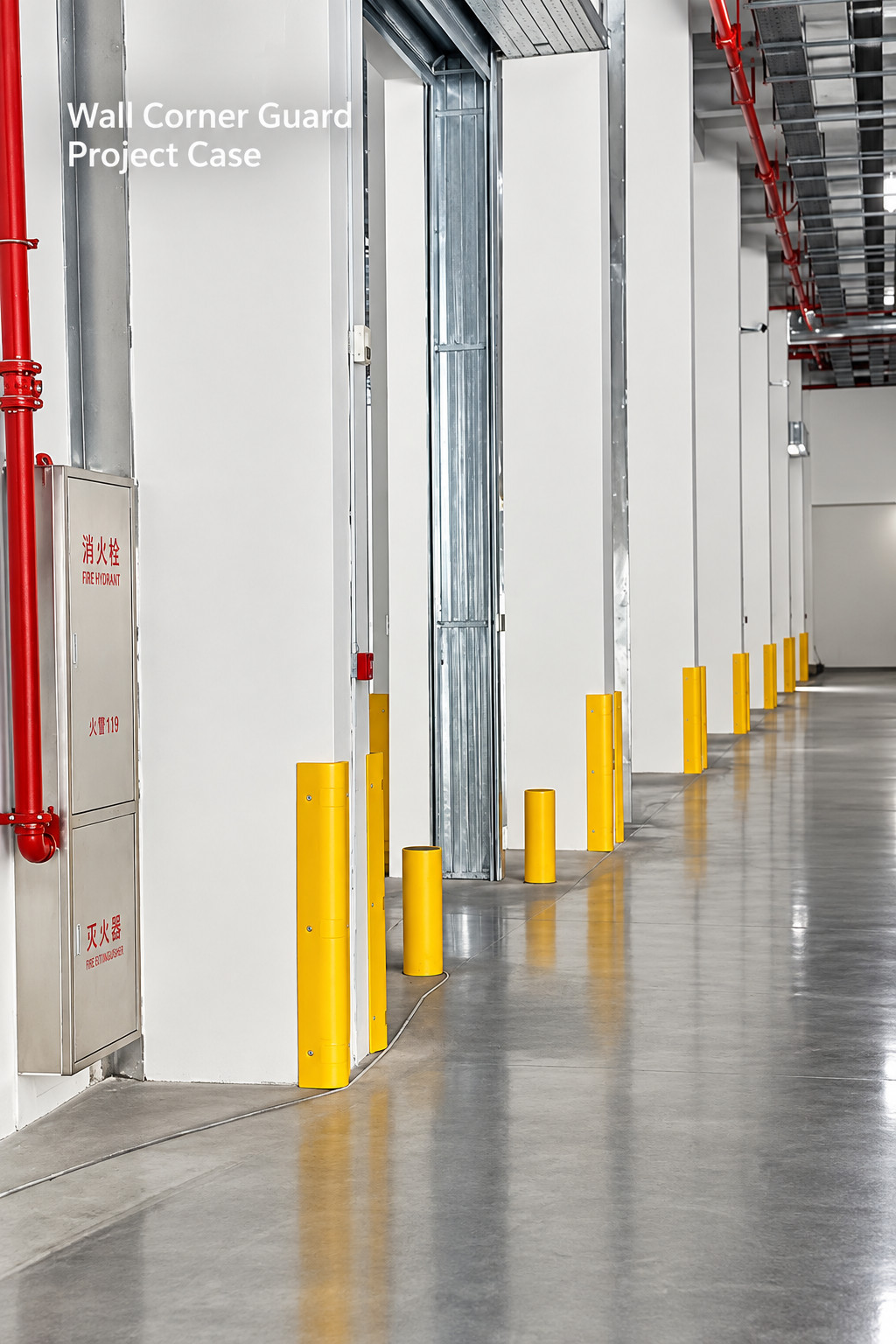
立柱、墙角 and 结构柱
Columns & Building Structures
Add column protection around structural posts, wall corners and vulnerable building areas located beside forklift routes.
View Column Protection →
Temporary closures and controlled access zones
Restricted & Temporary Access Areas
Use a retractable safety barrier to control temporary access, maintenance zones and changing warehouse traffic routes.
View Retractable Safety Barriers →Warehouse Safety Equipment Project
Plan Your Warehouse Safety Barrier System
Share your forklift type, traffic routes, protection areas and required barrier dimensions. SEPPES can recommend flexible barriers, retractable barriers and safety bollards for your facility.
联系SEPPES
Request a Warehouse Safety Barrier Quote
Complete the fields below. Your warehouse guardrail system and impact-protection requirements will be organized for our sales engineer to review and recommend a project-specific configuration.
买家常见问题解答
Warehouse Safety Barrier FAQs
Compare guardrails, safety bollards and access barriers for forklift routes, pedestrian zones, columns, machinery and industrial doorways.
What is a safety barrier used for in a warehouse?
A safety barrier creates a visible physical boundary around pedestrian routes, rack ends, equipment, walls and vehicle traffic zones. A warehouse safety layout should place each barrier according to the actual forklift route, turning area, protected object and available clearance.
How do warehouse guardrail systems protect pedestrians from forklifts?
Warehouse guardrail systems separate walkways from powered industrial vehicle routes and help define controlled crossing points. The layout should consider forklift type, vehicle weight, approach direction, operating speed, aisle width and pedestrian movement rather than relying on guardrails alone.
What is the difference between a flexible safety barrier and a steel guardrail?
A flexible safety barrier is designed to deflect and absorb part of an impact before returning toward its original position, while traditional steel industrial guard rails normally resist impact through rigid metal sections and anchors. Final selection should compare verified impact data, layout, maintenance needs and the protected risk zone.
Where should safety bollards be installed in a warehouse?
Safety bollards are commonly positioned near door frames, wall corners, control panels, rack ends, building services and other point hazards beside vehicle routes. A warehouse bollard or flexible bollard must be located where it protects the asset without narrowing the required traffic or emergency-access clearance.
How can columns be protected from forklift impacts?
Column protection can use wraparound protectors, flexible safety bollards or short guardrail sections selected around the column size and forklift approach direction. Forklift impact protection should also account for turning radius, floor condition and nearby pedestrian routes.
How can industrial doorways be protected from forklift collisions?
Doorway protection may combine side bollards, frame guards and short barriers around the jambs, tracks, controls and adjacent wall. The protection layout should preserve the clear opening, sensor field, maintenance access and safe movement through the industrial door.
When should a retractable safety barrier be used?
A retractable safety barrier is useful where access must open temporarily for vehicles, materials or maintenance and close again to control entry. Typical locations include loading or transfer points, machinery protection zones and routes that cannot use a permanently closed fixed barrier.
What information is needed to select an industrial safety barrier?
Provide the required barrier length and protection height, forklift type, vehicle weight, expected operating speed, impact direction, traffic route, aisle width, installation surface, protected object, site drawings and photographs. Final warehouse safety equipment selection should follow the project risk assessment and verified product data.
