
Warehouse Safety Equipment
Industrial Safety Barriers for Warehouses & Factories
Flexible safety barriers, retractable safety barriers and safety bollards are designed to protect pedestrians, equipment, doorways and warehouse infrastructure from forklift impacts. Plan warehouse safety barriers around each traffic route and risk zone.
Choose Protection by Risk Zone
Choose Protection by Risk Zone
Industrial Safety Barrier Solutions for Warehouse Protection
Different warehouse risks require different protection layouts. Compare solutions for pedestrian and forklift separation, temporary access control, doorway and column protection, and machinery zones—then match each risk area to the appropriate safety barrier, retractable barrier or flexible bollard.
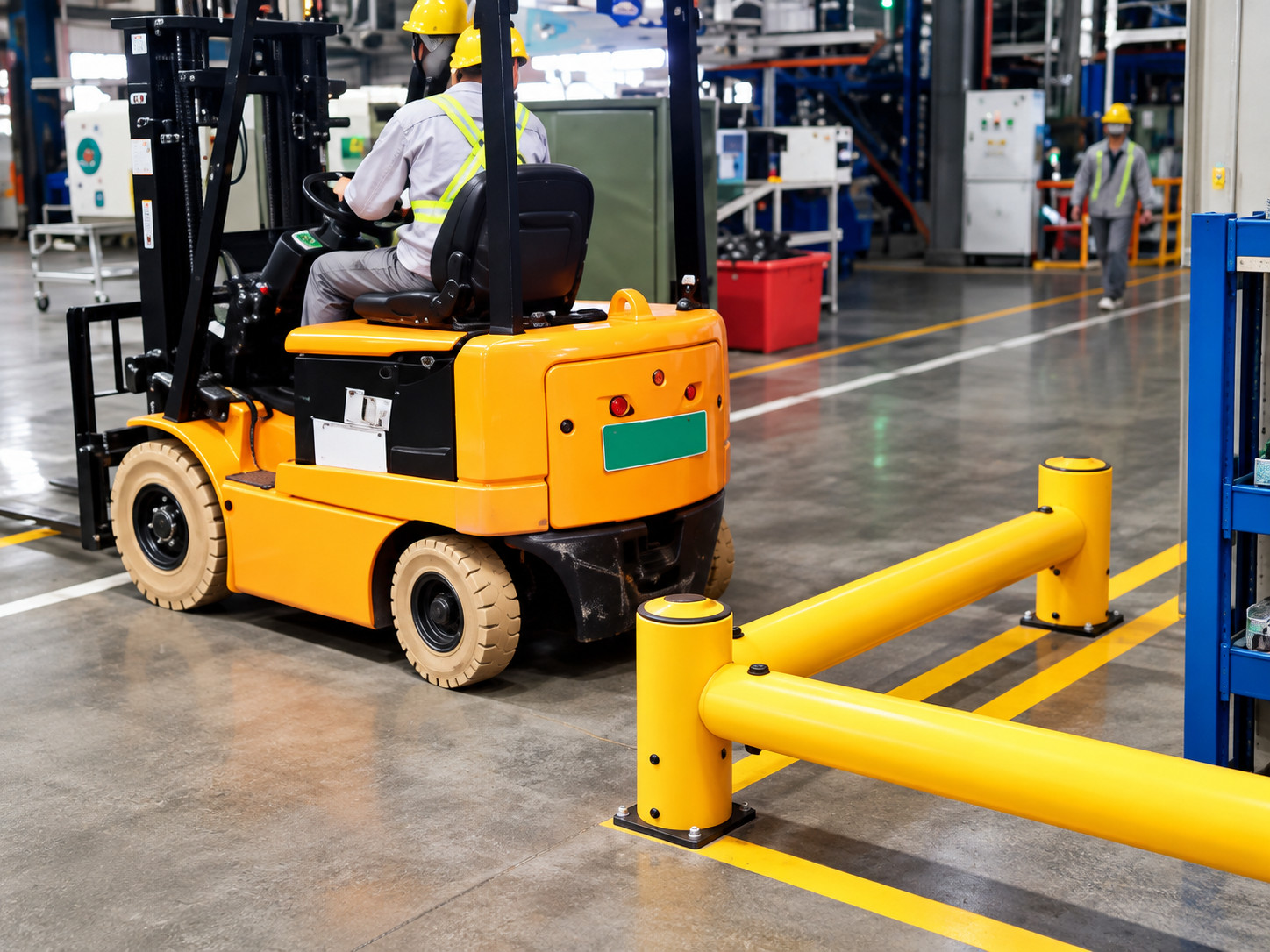
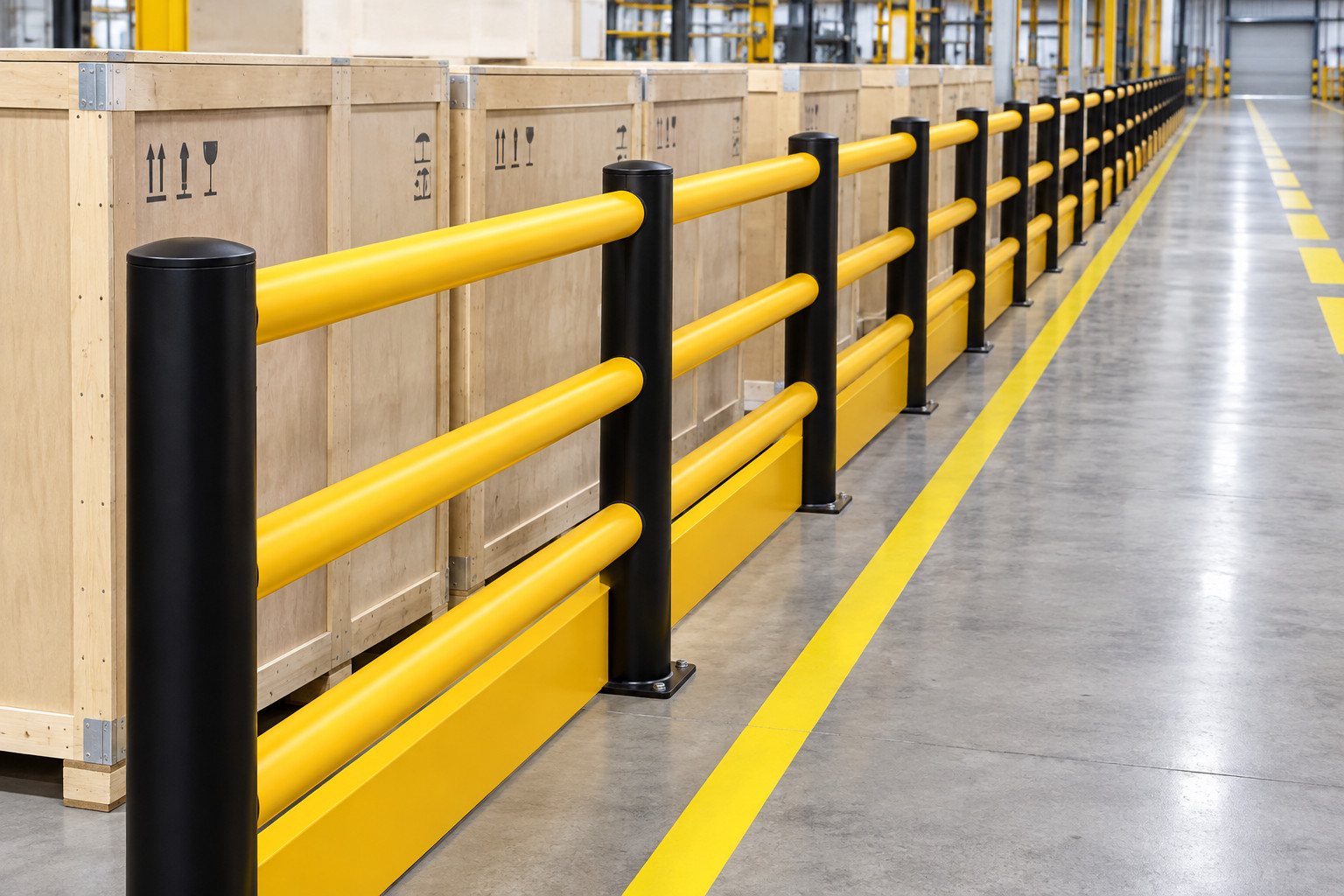 Pedestrian & Forklift Separation
Warehouse guardrail systems create a visible physical boundary between pedestrians and powered vehicles. Industrial guard rails define forklift lanes, while flexible industrial guardrails help protect walking routes and personnel zones in busy warehouses.
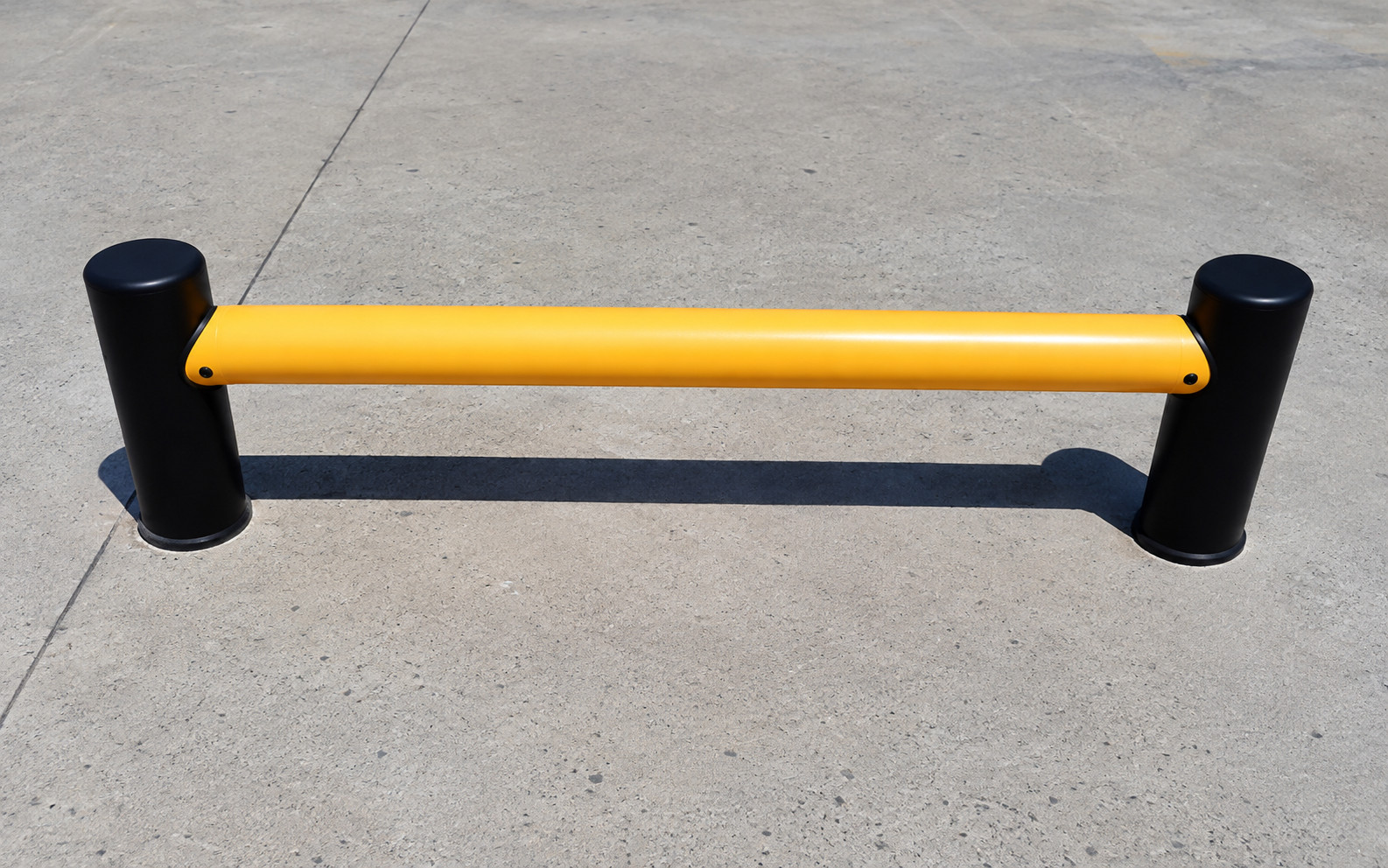 Open When Needed · Close After Access
Temporary Access Control
A retractable safety barrier can close an aisle, service point or restricted opening when protection is required, then open again for authorized movement. This industrial retractable barrier works as a retractable warehouse barrier where a fixed rail would block necessary access.
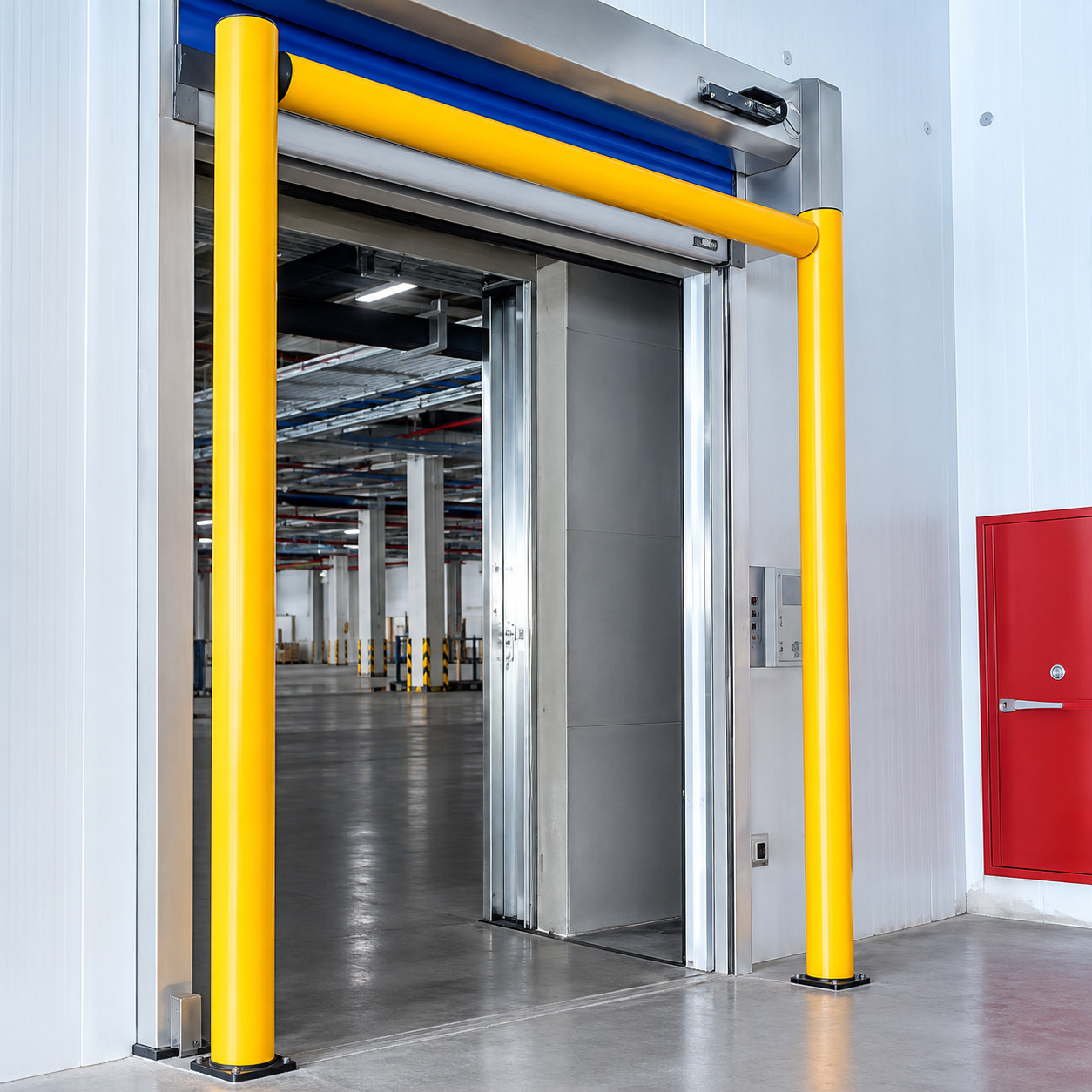 Doorway · Column · Local Impact Zones
Doorway, Column & Equipment Protection
Combine doorway protection and column protection where forklift turning paths pass close to vulnerable structures. A flexible bollard or warehouse bollard creates compact point protection without installing a continuous barrier across the whole area.
 Machinery · Conveyors · Control Cabinets
Machinery & Equipment Protection
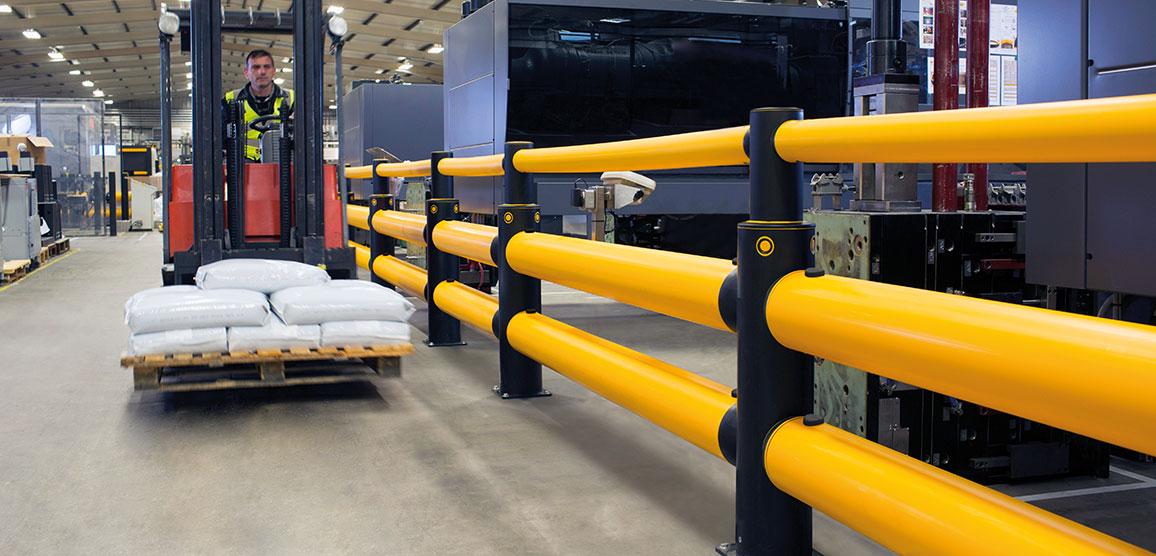
Machinery protection places a physical boundary around production equipment, conveyors and control cabinets near vehicle routes. The layout should provide forklift impact protection while preserving operator access, maintenance space and material flow.
Warehouse Impact Protection Cases
Flexible Safety Barrier Cases for Warehouse Impact Protection
Plan industrial safety barriers around the actual risk zone. These application examples show which dimensions and site conditions matter when selecting flexible safety barriers, a retractable safety barrier or safety bollards for forklift and pedestrian protection.
Case Selection Priorities
What Buyers Need to Confirm
Color supports visibility, but product selection should start with the protected position, dimensions, traffic condition and installation method.
Warehouse Pedestrian Protection
Flexible Safety Barrier
Secondary option: yellow / black visibility color and floor mounting condition.
Retractable Access Protection
Retractable Safety Barrier
Secondary option: extension range, operating frequency and visibility color.
Doorway & Column Protection
Flexible Safety Bollard
Secondary option: yellow / black visibility color and anchor layout.
Applications industrielles
Warehouse Safety Equipment for High-Risk Industrial Areas
Plan warehouse safety around the interaction between forklifts, pedestrians, machinery and building structures. Safety bollards, industrial guard rails, warehouse guardrail systems and retractable safety barriers help create visible protection at traffic routes, doorways, columns and restricted access areas.
Organized warehouse and distribution traffic zones
Entrepôts et centres de distribution
Use warehouse safety equipment and warehouse guardrail systems to separate vehicle routes, pedestrian walkways, racks and staging areas.
View Warehouse Safety Solutions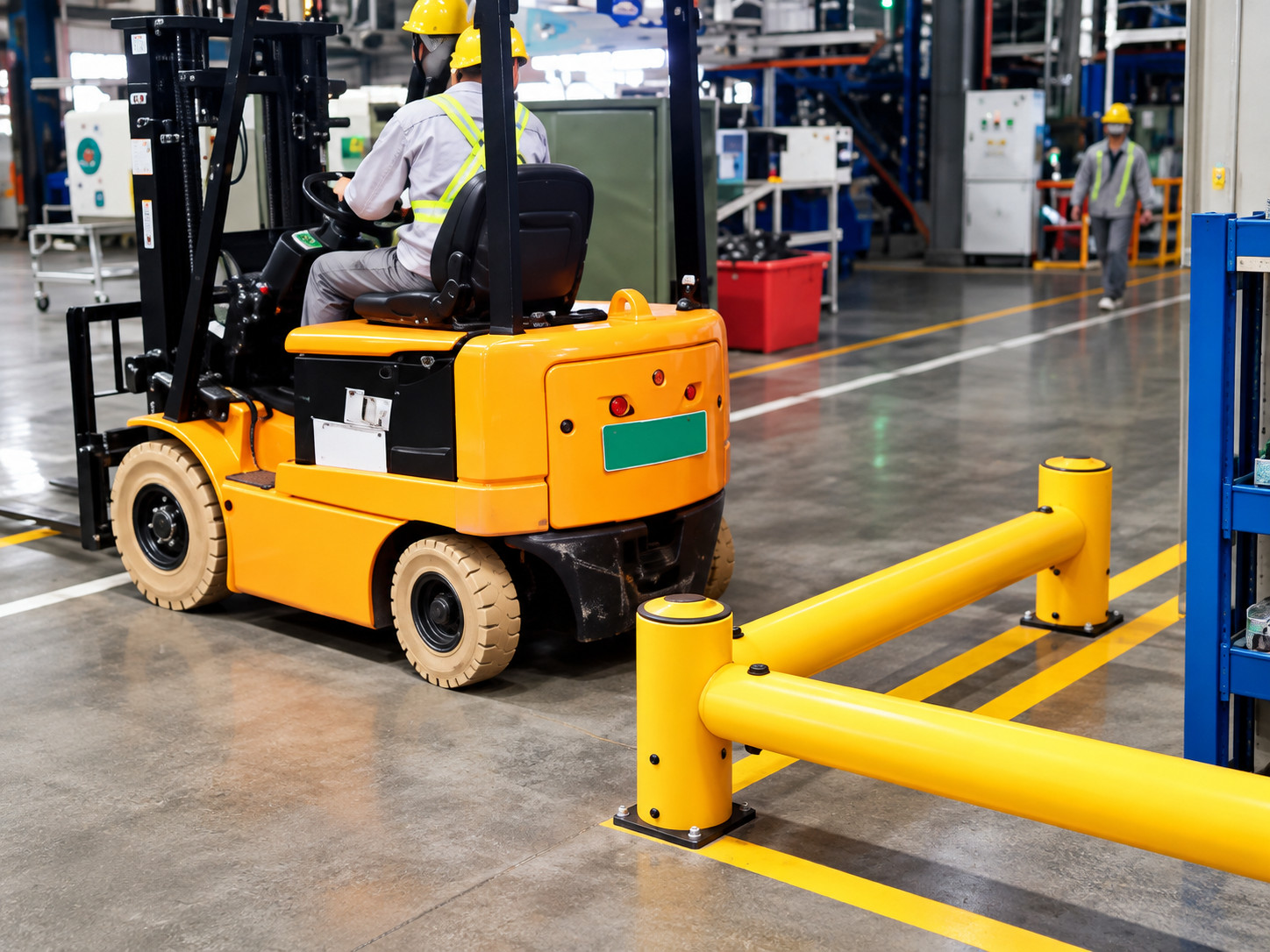 Forklift routes, crossings and turning zones
Forklift Traffic Areas
Improve warehouse traffic safety with industrial guard rails and flexible safety bollards around forklift routes, crossings and turning zones.
View Forklift Safety Solutions Production equipment and material-handling zones
Usines de fabrication
Support machinery protection by positioning safety barriers around production equipment, conveyors, controls and work cells exposed to vehicle traffic.
View Manufacturing Safety Solutions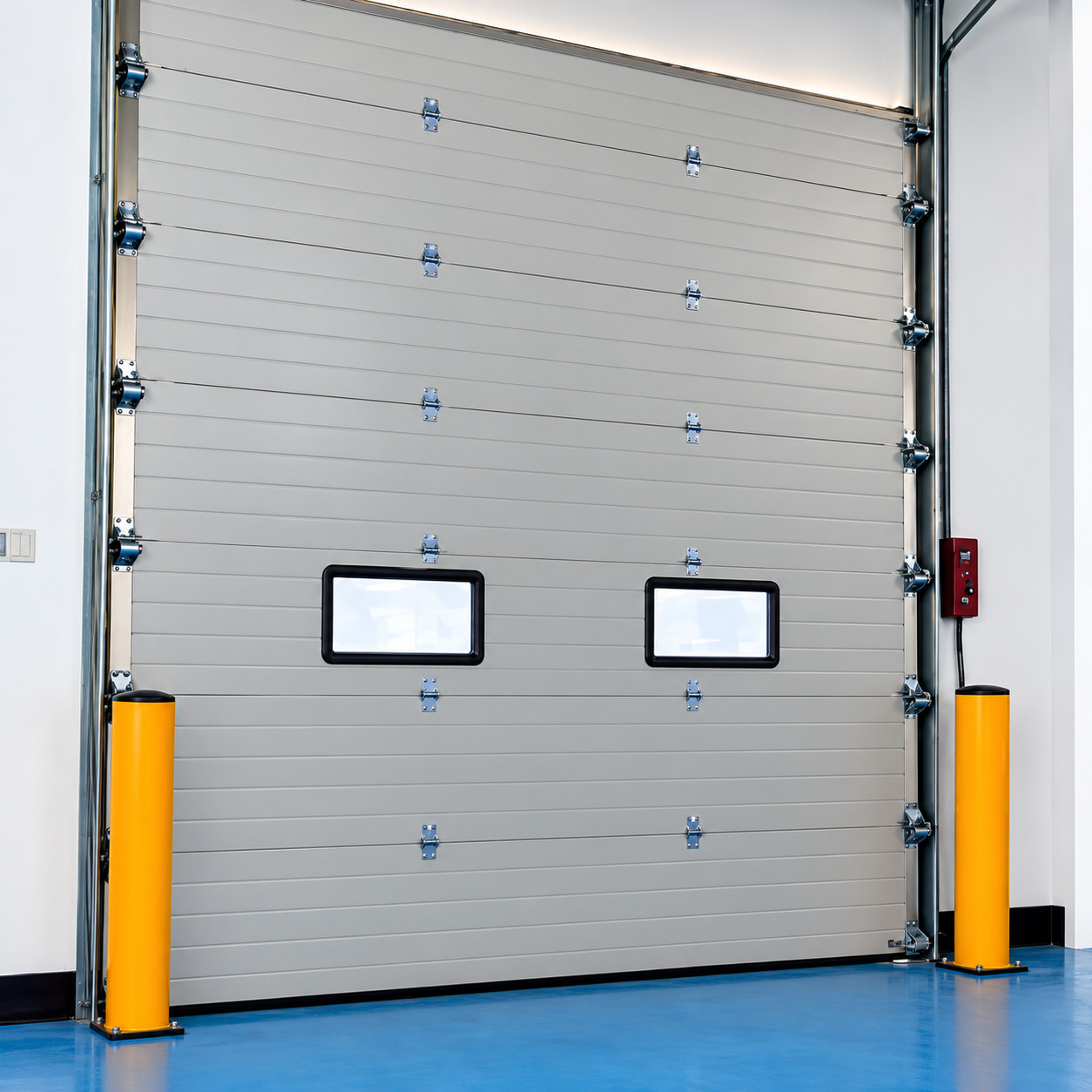 Door frames, tracks, controls and wall edges
Industrial Doorways
Use doorway protection and flexible bollards to shield door frames, tracks, controls and adjacent walls from vehicle contact.
Explore Doorway Protection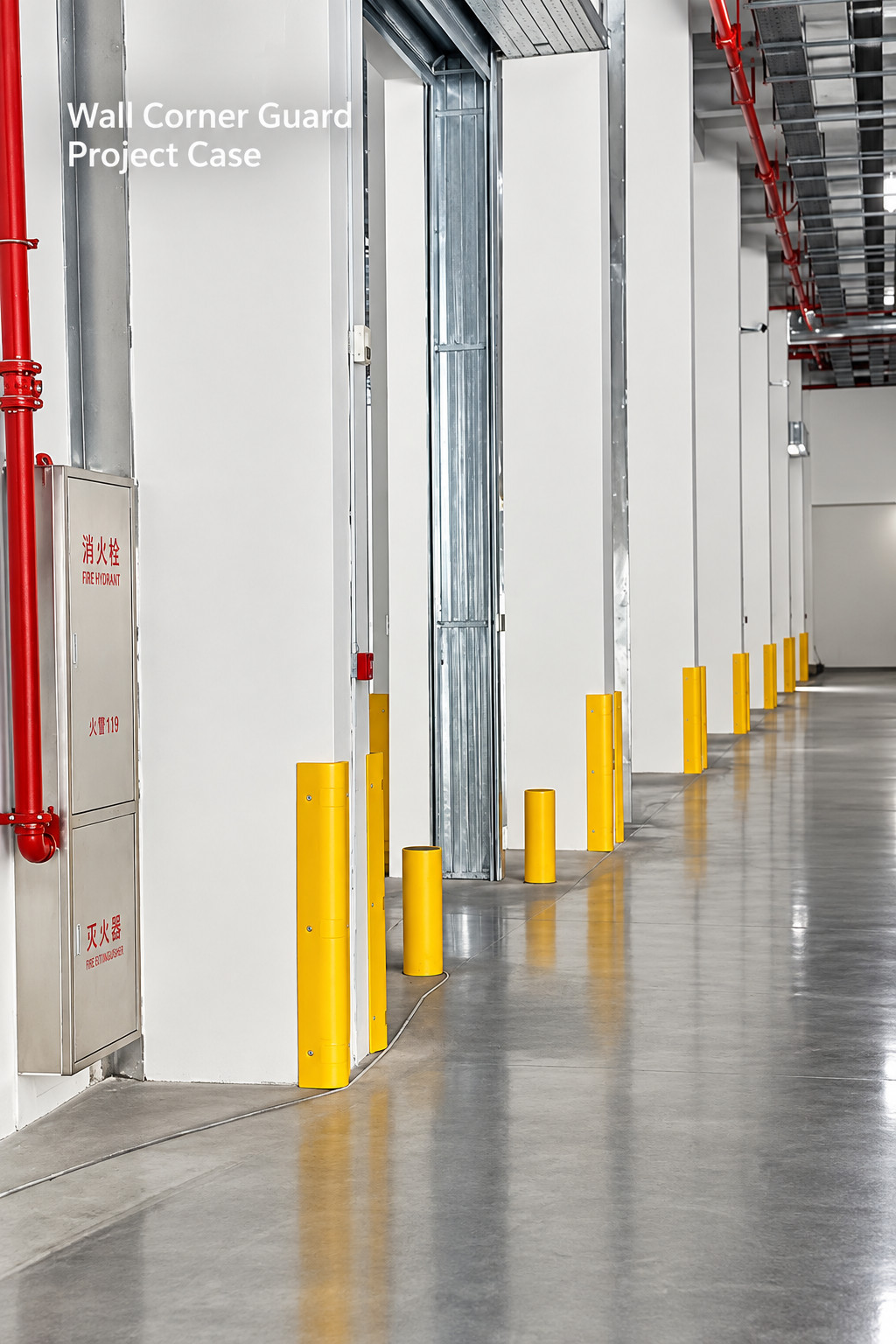 Columns, wall corners and structural posts
Columns & Building Structures
Add column protection around structural posts, wall corners and vulnerable building areas located beside forklift routes.
View Column Protection
Temporary closures and controlled access zones
Restricted & Temporary Access Areas
Use a retractable safety barrier to control temporary access, maintenance zones and changing warehouse traffic routes.
View Retractable Safety Barriers