
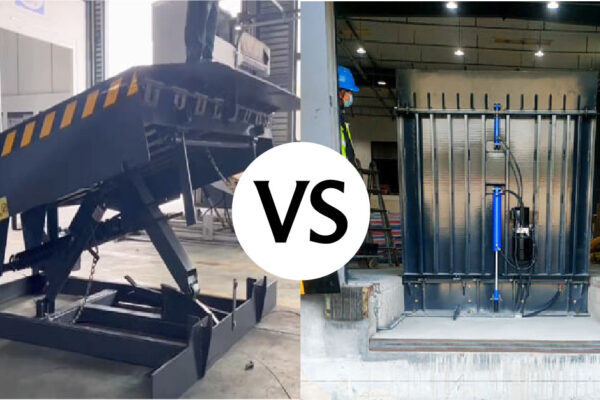
In der modernen Lager- und Logistikverwaltung ist die Dock Leveler eine der Kernausrüstungen, um einen effizienten und sicheren Betrieb zu gewährleisten. Ob beim Transport von Waren oder bei täglichen Be- und Entladevorgängen spielen Laderampen eine entscheidende Rolle. Sie überbrücken den Höhenunterschied zwischen LKW und Lager und stellen sicher, dass Waren reibungslos und sicher verladen oder entladen werden.
Für unterschiedliche Lagerbedürfnisse sind viele Arten von Ladeplattformen auf dem Markt erhältlich, von denen Mechanische Laderampen und Vertikale Laderampen die beiden gebräuchlichsten sind. Jede hat ihre Vor- und Nachteile, mit Unterschieden in Bedienung, Kosten, Effizienz, Haltbarkeit und Sicherheit. Daher ist es bei der Auswahl der am besten geeigneten Laderampe wichtig, ihre Eigenschaften, Anwendungsszenarien sowie langfristige Wartungs- und Nutzungskosten zu verstehen.
In diesem Artikel werden wir diese beiden Arten von Ladeplattformen detailliert vergleichen, um Ihnen bei der Auswahl der für Ihre spezifischen Anforderungen am besten geeigneten Lösung zu helfen, um so die Effizienz Ihrer Lagerabläufe zu steigern, Kosten zu senken und die Sicherheit zu erhöhen.
Laderampen verstehen und ihre Bedeutung im Lager
In modernen Lagern und Distributionszentren sind Laderampen nicht nur ein Werkzeug, um einen reibungslosen Materialfluss zu gewährleisten, sondern sie wirken sich auch direkt auf die Effizienz und Sicherheit des Lagers aus. Mechanische und vertikale Ladeplattformen sind zwei gängige Arten von Laderampen, die jeweils ihre eigenen Merkmale aufweisen und für unterschiedliche Lager- und Logistikbedürfnisse geeignet sind. Die Wahl der richtigen Be- und Entladeplattform kann Unternehmen helfen, die Betriebseffizienz zu steigern, Betriebskosten zu senken und die Personensicherheit zu gewährleisten.
Ob es sich um eine traditionelle mechanische Ladeplattform oder eine modernere vertikale Ladeplattform handelt, sie arbeiten alle zusammen, um einen reibungslosen Übergang zu schaffen und Höhenunterschiede beim Be- und Entladen zu beseitigen.
Mechanische Ladeplattformen: Überblick und Anwendungsszenarien
Überblick über mechanische Laderampen
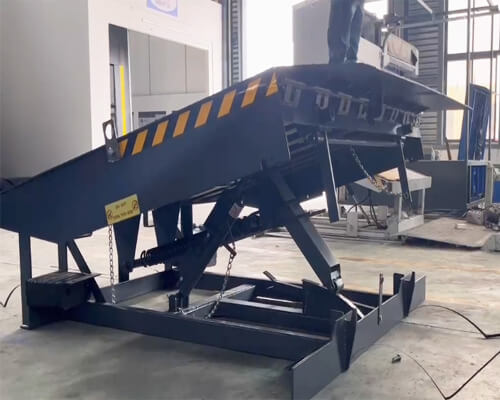
A Mechanische Ladebrücke ist eine manuell bediente Be- und Entladeplattform, die in der Regel aus mechanischen Komponenten wie Federn, Hebeln oder Ketten besteht. Sie ist einfach im Design und robust in der Konstruktion und wird vollständig von Hand bedient, wobei die Höhe der Plattform durch Ziehen einer Kette oder eines Hebels eingestellt wird, um sicherzustellen, dass die Plattform an das Transportfahrzeug andockt. Obwohl ihr Betrieb aufwändiger ist, wird sie aufgrund ihres niedrigen Preises und der einfachen Wartung weiterhin in Umgebungen mit geringer Frequenz häufig eingesetzt.
Anwendungsszenarien für mechanische Ladeplattformen
Mechanische Ladeplattformen werden üblicherweise an folgenden Orten eingesetzt:
Lager mit geringer Betriebsfrequenz: Geeignet für Lager und kleine Distributionszentren, in denen Be- und Entladung seltener erfolgen. Zum Beispiel kleine Einzelhändlerlager oder große Distributionszentren, die weniger Waren umschlagen.
Kleine Unternehmen mit begrenztem Budget: Für Unternehmen mit begrenztem Budget bieten mechanische Ladeplattformen eine kostengünstige Lösung.
Geringe Betriebsanforderungen: Aufgrund ihrer Einfachheit sind mechanische Ladeplattformen im Allgemeinen für anspruchslosere Betriebsumgebungen geeignet, die keinen extremen Wetterbedingungen oder hohen Lasten ausgesetzt sind.
Während mechanische Ladeplattformen einfacher zu bedienen sind, haben sie eine relativ begrenzte Tragfähigkeit und Nutzungshäufigkeit, was sie für weniger anspruchsvolle Lagerumgebungen geeignet macht.
Vertikale Ladeplattformen: Überblick und Anwendungsszenarien
Überblick über vertikale Laderampen
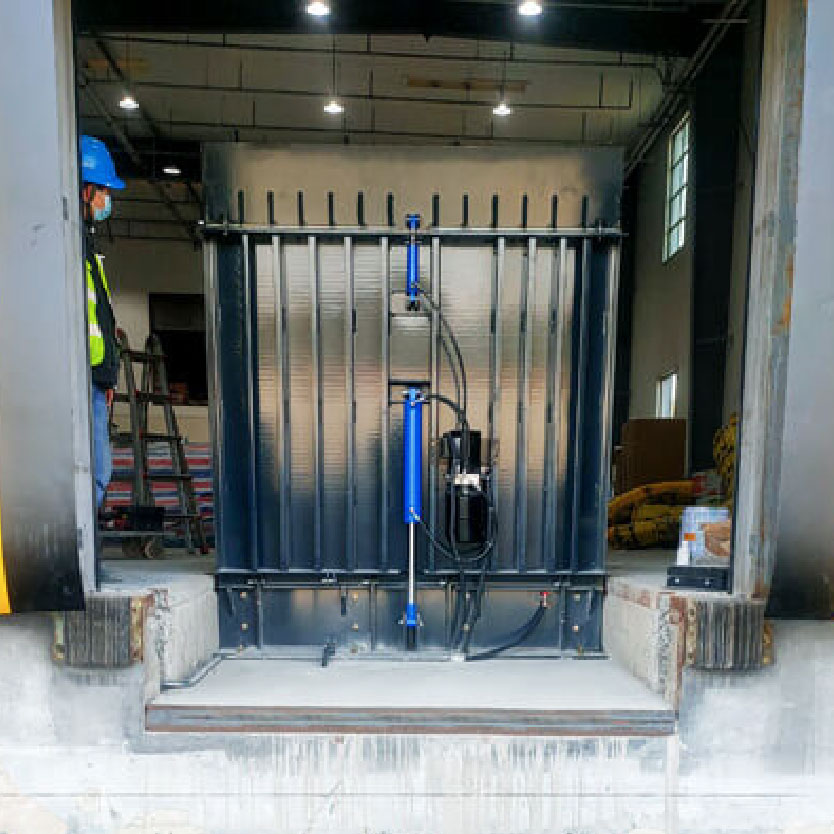
Vertikale Ladedockrampe ist eine Art automatisierte Ausrüstung, die in der Regel von einem elektrischen Antriebssystem oder Hydrauliksystem angetrieben wird und die Höhe der Plattform per Knopfdruck oder Fernbedienung einstellen kann. Im Vergleich zu traditionellen mechanischen Plattformen ist die Vertikale Laderampe vollautomatisiert und kann schnell und reibungslos in der Höhe angepasst werden, um verschiedenen Fahrzeugzugangsanforderungen gerecht zu werden. Diese Plattformen sind besonders für Lager und Distributionszentren mit hoher Frequenz und hoher Intensität geeignet.
Vertikale Be- und Entladeplattformen können teilweise vertikal angehoben werden, um eine hohe Tragfähigkeit und Stabilität zu erhalten, und sind besonders für Umgebungen geeignet, die hohe Effizienz und Sicherheit erfordern.
| Vergleich Dimension | Mechanisch Laderampenausgleichern | Vertikal Laderampenausgleichern |
| Betriebsmechanismen | Manuelle Bedienung (Kette/Hebel) | Vollautomatisch (elektrischer/hydraulischer Antrieb) |
| Anschaffungskosten | Niedrig (kein komplexes Antriebssystem) | Hoch (mit Hydraulik-/Elektrosystem) |
| Langfristige Kosten | Hohe Personalkosten (geringe Effizienz bei häufiger Nutzung) | Hohe Wartungskosten, aber Einsparung von Personalkosten |
| Tragfähigkeit | Mittel (typischerweise ≤ 10 Tonnen) | Hoch (bis zu 15 Tonnen oder mehr) |
| Einstellgeschwindigkeit | Langsam (abhängig von menschlicher Arbeitskraft) | Schnell (0,6-1,2 m/Sek.) |
| Sicherheit | Abhängig von manueller Bedienung, hohes Risiko | Ausgestattet mit Sensoren, automatischer Verriegelung, Überlastschutz |
| Anwendbare Szenarien | – Niedrige Betriebsfrequenz – Kleines Lager – Begrenztes Budget | – Hohe Betriebsfrequenz/hohe Last – Große Logistikzentren – Automatisierte Lagersysteme |
| Anforderungen an die Wartung | Einfach (Schmierung/Reinigung mechanischer Teile) | Komplex (erfordert regelmäßige Inspektion von Hydrauliköl und elektrischen Systemen) |
| Komplexität der Installation | Niedrig (kein elektrischer Anschluss erforderlich) | Hoch (erfordert Fachkräfte für die Installation von Stromversorgungssystemen) |
| Umweltauswirkungen | Niedriger Energieverbrauch (keine Stromabhängigkeit) | Hoher Energieverbrauch (erfordert kontinuierliche Stromversorgung), aber effizienter Betrieb kann den gesamten Ressourcenverbrauch reduzieren |
| Typische Branchen | Einzelhandelslager, kleine Verteilzentren | E-Commerce-Logistik, Fertigung, Kühlkettenzentren |
Anwendungsszenarien vertikaler Ladeplattformen
Vertikale Ladeplattformen werden häufig an folgenden Orten eingesetzt:
Lager und Logistikzentren mit hoher Be- und Entladefrequenz: Vertikale Ladeplattformen eignen sich besonders für große Lager, Logistikzentren und Verteilstationen mit häufigen Be- und Entladevorgängen, z. B. E-Commerce-Lager, Kühlketten-Logistikzentren und Produktionswerkstätten mit hohem Durchsatz.
Große Industrieanlagen: Vertikale Plattformen haben eine hohe Tragfähigkeit und eignen sich für den Transport und die Be- und Entladung schwerer Güter, insbesondere in der Fertigung, der Autoteileproduktion und der Lagerung großer Maschinen und Anlagen.
Orte, die einen automatisierten Betrieb erfordern: Vertikale Ladeplattformen haben einen hohen Automatisierungsgrad, der manuelle Eingriffe reduziert, weshalb sie in modernen Lagern und automatisierten Logistiksystemen besonders verbreitet sind.
Vertikale Ladeplattformen haben sich aufgrund ihrer Effizienz und Sicherheit zu gängigen Be- und Entladegeräten in modernen Lagern und Logistikzentren entwickelt, insbesondere geeignet für großflächige Betriebe und Umgebungen mit hoher Last.
Vergleich der Betriebsmechanismen: Manuell vs. Automatisiert
Mechanismen mechanischer Ladeplattformen
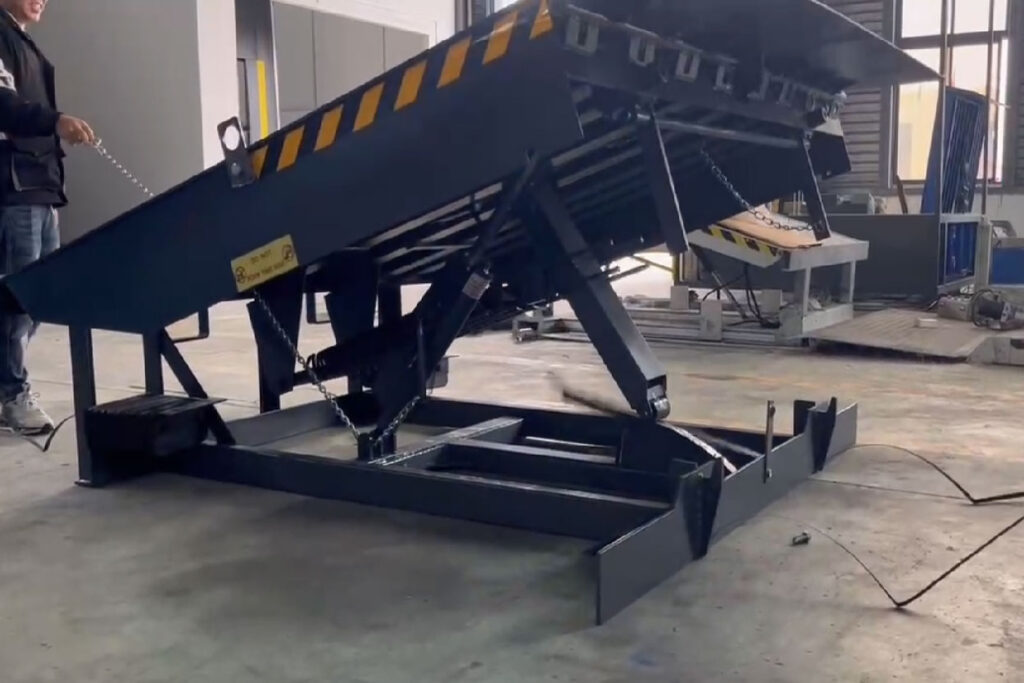
Mechanische Laderampen haben einen relativ einfachen Betriebsmechanismus und sind auf manuelle Arbeit angewiesen. Arbeiter ziehen eine Kette oder einen Hebel, um die Höhe der Plattform an verschiedene Fahrzeuge anzupassen. Das einfache Design und der fehlende elektrische Antrieb bedeuten, dass man sich keine Sorgen über Stromausfälle oder Wartung des Hydrauliksystems machen muss.
Der manuelle Betrieb bedeutet jedoch auch, dass jeder Be- und Entladevorgang einen gewissen Zeit- und Arbeitsaufwand erfordert. Besonders bei häufigen Einsätzen kann der manuelle Betrieb zu Effizienzeinbußen führen und sogar die Sicherheitsrisiken durch Bedienungsfehler erhöhen.
Betriebsmechanismus vertikaler Plattformen
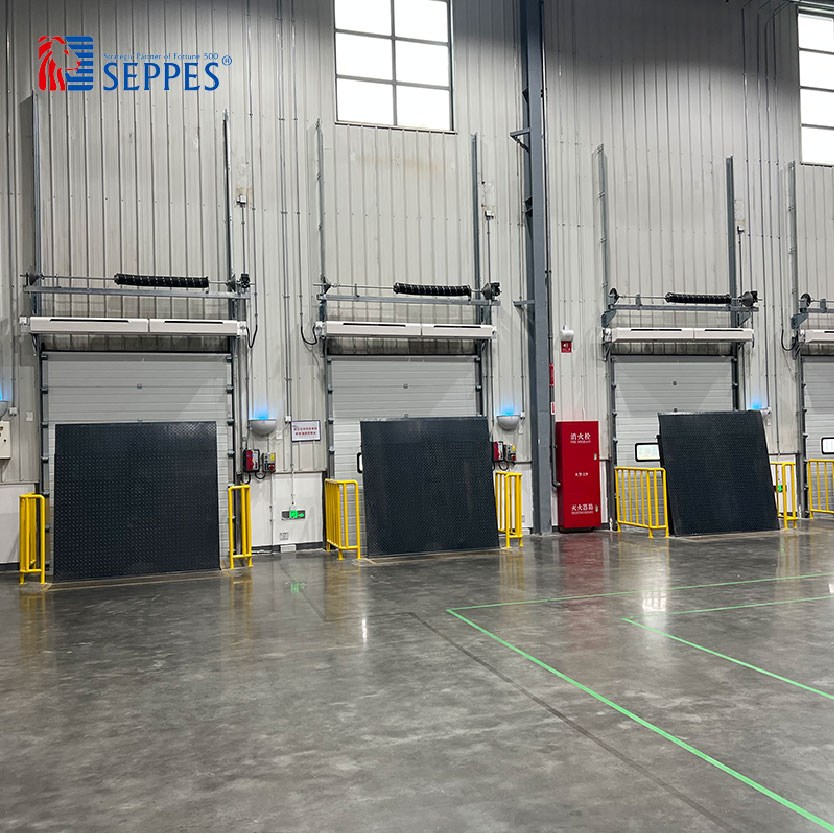
Vertikale Ladeplattformen verwenden eine automatische Steuerung und passen die Höhe der Plattform schnell über ein elektrisches oder hydraulisches System an. Der Bediener muss nur einen Knopf drücken oder eine Fernbedienung verwenden. Die Plattform kann automatisch angehoben und abgesenkt werden, um sich schnell an die Höhenanforderungen verschiedener Fahrzeuge anzupassen. Dieser automatisierte Betrieb reduziert die Abhängigkeit von manueller Arbeit, verbessert die Effizienz erheblich und verringert das Risiko von Bedienungsfehlern.
Vertikale Ladeplattformen sind flexibler als mechanische Ladeplattformen und eignen sich für Umgebungen, die häufige und effiziente Abläufe erfordern, insbesondere in großen, hochintensiven Arbeitsbereichen.
Kostenvergleich: Welche Plattform ist kosteneffizienter?
Kosten mechanischer Ladeplattformen
Die Anfangsinvestition für eine mechanische Ladeplattform ist aufgrund ihrer einfachen Konstruktion und des fehlenden Bedarfs an elektrischem oder hydraulischem Antrieb in der Regel gering. Dies macht sie ideal für kleinere Lager oder Betriebe mit geringer Frequenz und begrenztem Budget. Auch die Wartungskosten für mechanische Plattformen sind niedrig und erfordern in der Regel nur regelmäßige Inspektionen und Schmierung der mechanischen Komponenten.
Trotz der geringen Anfangsinvestition können mechanische Ladeplattformen in Umgebungen mit hoher Nutzungsfrequenz jedoch höhere langfristige Betriebskosten verursachen, aufgrund der Ineffizienz und der Arbeitskosten, die mit dem manuellen Betrieb verbunden sind.
Kosten vertikaler Ladeplattformen
Vertikale Ladeplattformen haben eine relativ hohe Anfangsinvestition, insbesondere wenn hydraulische und elektrische Antriebssysteme erforderlich sind. Auch die Installations- und Wartungskosten sind relativ hoch, da regelmäßige Inspektionen der Hydraulik-, Elektro- und Steuerungssysteme erforderlich sind. Dennoch können vertikale Ladeplattformen aufgrund ihres hohen Automatisierungsgrads die Effizienz in Umgebungen mit hoher Betriebsfrequenz steigern und so Unternehmen langfristig Arbeits- und Zeitkosten sparen.
Sicherheitsvergleich: Welche Plattform ist sicherer?
Sicherheit mechanischer Ladeplattformen
Der Betrieb einer mechanischen Ladeplattform erfordert, dass Arbeiter die Plattform manuell einstellen, was das Risiko menschlicher Fehler erhöhen kann. Obwohl das Design einfacher ist, kann häufiger manueller Betrieb zu Ermüdung der Arbeiter führen, was die Wahrscheinlichkeit von Unfällen erhöht, insbesondere wenn unsachgemäße Bedienung zu Plattformausfällen oder Verletzungen führen kann.
Sicherheit vertikaler Ladeplattformen
Vertikale Ladeplattformen bieten durch automatisierte Abläufe und Sicherheitssensoren eine erhöhte Sicherheit. Viele moderne vertikale Ladeplattformen sind mit automatischen Verriegelungsfunktionen, Überlastschutz und Sicherheitssensoren ausgestattet, um sicherzustellen, dass während des Be- und Entladevorgangs keine unnötigen Unfälle passieren. Die Automatisierung reduziert das Risiko menschlicher Fehler, insbesondere in Umgebungen mit hoher Frequenz.
Vergleich der Umgebungen: Welche Plattform ist besser für Ihr Lager geeignet?
Mechanische Be- und Entladeplattformen
Niedrige Betriebsfrequenz: geeignet für Lager mit geringer Be- und Entladefrequenz.
Kleines Unternehmen mit begrenztem Budget: geringe Anfangsinvestition, geeignet für Orte mit begrenztem Budget.
Schonende Betriebsumgebung: geeignet für Standorte ohne hohe Last und hohe Betriebsfrequenz.
Geeignete Umgebung für vertikale Be- und Entladeplattformen
Be- und Entladevorgänge mit hoher Frequenz und großem Umfang: geeignet für Lager und Verteilzentren, die effiziente, häufige Be- und Entladevorgänge benötigen.
Umgebung mit hoher Last: anwendbar für großflächige Betriebe mit schweren Gütern und mechanischer Ausrüstung.
Automatisiertes Lager: geeignet für moderne Lager- und Logistiksysteme mit hohem Automatisierungsgrad und geringerem manuellen Betriebsbedarf.
Wartung vs. Instandhaltung: Welche Plattform ist einfacher zu warten?
Wartung mechanischer Ladeplattformen
Mechanische Ladeplattformen haben eine einfache Struktur und niedrige Wartungskosten. In der Regel besteht die Wartung hauptsächlich aus Reinigung, Schmierung und regelmäßiger Inspektion mechanischer Komponenten. Häufiger manueller Betrieb und Verschleiß können jedoch zu Schäden an den Komponenten führen, und regelmäßige Inspektionen sind erforderlich, um den ordnungsgemäßen Betrieb der Plattform sicherzustellen.
Wartung vertikaler Ladeplattformen
Vertikale Ladeplattformen erfordern einen höheren Wartungsaufwand, da sie hydraulische und elektrische Systeme umfassen. Hydraulikölstände, elektrische Antriebssysteme und Steuerungsmodule müssen regelmäßig überprüft werden. Trotz der höheren Wartungskosten können ihre hohe Effizienz und Automatisierung langfristig manuelle Eingriffe reduzieren und die Gesamteffizienz des Lagers verbessern.
Installationsprozess: Welche Plattform ist einfacher zu installieren?
Mechanische Ladebrücke
Mechanische Ladeplattformen sind einfacher zu installieren und erfordern in der Regel keine komplexen elektrischen oder hydraulischen Anschlüsse. Sie eignen sich für kleinere Lager, sind schnell installiert und für Unternehmen mit begrenztem Budget geeignet.
Vertikale Ladedockrampe
Vertikale Ladeplattformen sind komplexer zu installieren, erfordern elektrische und hydraulische Anschlüsse und möglicherweise Fachkräfte. Obwohl die Installation länger dauert, bieten sie nach der Installation ein effizienteres und sichereres Be- und Entladeerlebnis.
Umweltauswirkungen: Welche Plattform ist umweltfreundlicher?
Mechanische Ladebrücke
Mechanische Ladeplattformen benötigen keine elektrische Energie, verbrauchen daher weniger Energie und haben eine geringere Umweltbelastung, was sie für Umgebungen geeignet macht, in denen Energieeinsparung und Umweltschutz wichtig sind. Aufgrund ihres einfachen Designs benötigen mechanische Plattformen weniger Energie und können die Betriebskosten senken.
Vertikale Ladedockrampe
Vertikale Ladeplattformen benötigen einen elektrischen oder hydraulischen Antrieb und haben daher einen hohen Energieverbrauch. Obwohl sie anfangs mehr Energie verbrauchen, können ihre effiziente Leistung und der automatisierte Betrieb den Energieverbrauch anderer Geräte reduzieren, und langfristig trägt ihre hohe Effizienz dazu bei, Energieverschwendung zu verringern.
Fazit: Welche Laderampe ist die richtige für Ihr Lager?
Nutzung mit niedriger Frequenz: Wenn Ihr Lager eine geringe Be- und Entladefrequenz hat, ist eine mechanische Ladeplattform eine kostengünstige Option für kleinere Lager mit begrenztem Budget.
Nutzung mit hoher Frequenz: Für Be- und Entladevorgänge mit hoher Frequenz und Intensität bietet eine vertikale Ladeplattform eine höhere Effizienz, Sicherheit und langfristige Kapitalrendite.
Die Wahl der richtigen Laderampe wird Ihrem Lagermanagement erhebliche langfristige Vorteile bringen. Berücksichtigen Sie die unterschiedlichen Anforderungen an Be- und Entladefrequenz, Budget und Arbeitsumgebung, um die am besten geeignete Wahl zu treffen und einen effizienten und sicheren Lagerbetrieb zu gewährleisten.
Häufig gestellte Fragen (FAQ)
Was ist eine mechanische Ladeplattform? Für welche Umgebungen ist sie geeignet?
Antwort: Eine mechanische Laderampe ist eine manuell bediente Be- und Entladevorrichtung, die für Lager mit geringer Nutzungsfrequenz und kleine Unternehmen mit begrenztem Budget geeignet ist. Sie eignet sich für milde Betriebsumgebungen und ist kostengünstig, aber nicht für häufige Einsätze geeignet.
Was ist eine vertikale Ladeplattform? Was sind ihre Vorteile?
Antwort: Vertikale Ladeplattformen sind automatisierte Geräte mit Höhenverstellung über ein elektrisches oder hydraulisches System. Sie eignen sich für Lagerbetriebe mit hoher Frequenz und Intensität, bieten eine höhere Effizienz und Sicherheit und reduzieren den Bedarf an manueller Handhabung.
Welche Plattform ist besser für die Anforderungen meines Lagers geeignet?
Antwort: Wenn Ihr Lager eine geringe Be- und Entladefrequenz und ein begrenztes Budget hat, ist eine mechanische Ladeplattform möglicherweise besser geeignet. Wenn Sie häufige, effiziente Be- und Entladevorgänge mit unbegrenztem Platz benötigen, ist eine vertikale Ladeplattform die bessere Wahl.
Können vertikale Ladeplattformen schwere Lasten tragen?
Antwort: Ja, vertikale Ladeplattformen eignen sich für schwere Güter und können große Lasten aufnehmen, was sie besonders für die Fertigung und die Lagerung schwerer Maschinen und Anlagen geeignet macht.
Müssen mechanische Ladeplattformen regelmäßig gewartet werden?
Antwort: Ja, mechanische Dockleveler erfordern regelmäßig einfache Reinigungs- und Schmierarbeiten, um einen reibungslosen Betrieb zu gewährleisten. Im Vergleich zu Vertikalladeplattformen sind die Wartungsanforderungen geringer.
Ist die Installation einer Vertikalladeplattform kompliziert?
Antwort: Die Installation von Vertikalladeplattformen erfordert den Anschluss hydraulischer und elektrischer Systeme. Hierfür sind in der Regel Fachpersonal erforderlich, und der Installationsprozess ist relativ komplex.