
Hydraulic Dock Leveler for a Bilbao Loading Bay Project
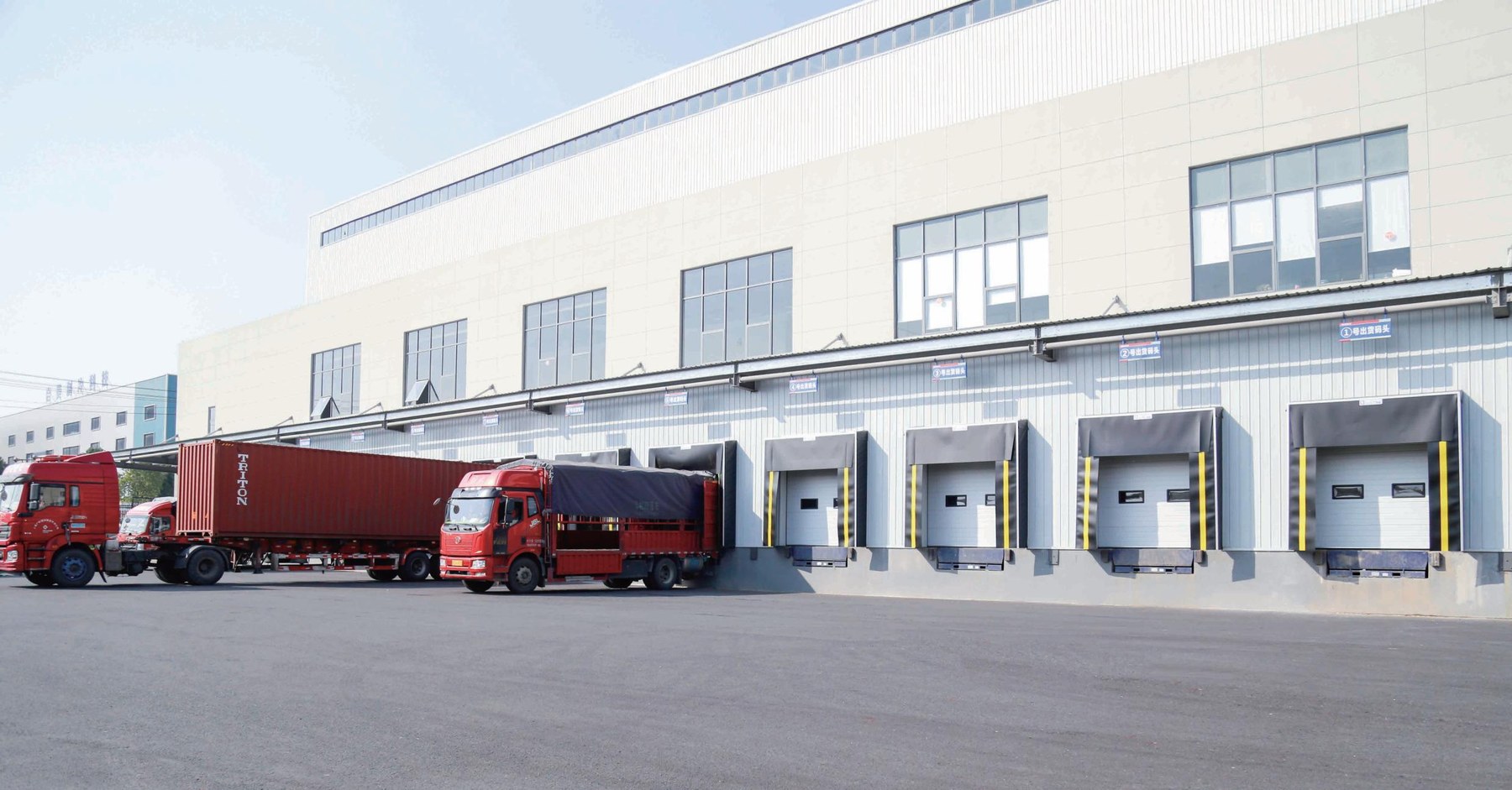
A loading bay has to do more than connect a warehouse to a truck. The dock leveler must accommodate vehicle height differences, support forklift traffic, operate reliably during repeated loading cycles and fit the building pit and platform geometry. This Bilbao project concept uses a hydraulische Überladebrücke with a 2000 × 2000 × 600 mm reference size and a 10-ton rated capacity.
Bilbao Loading Bay Concept at a Glance
| Ausrüstung | Hydraulische Überladebrücke |
|---|---|
| Reference Platform Size | 2000 × 2000 × 600 mm |
| Rated Capacity | 10 Tons |
| Reference Location | Bilbao, Spain |
| Typical Traffic | Forklifts, pallet trucks and palletized cargo |
| System Type | Pit-mounted hydraulic loading dock equipment |
The reference configuration is close to the dimensional range commonly used in industrial loading bays, but a dock leveler should never be selected from platform size alone. SEPPES recommends checking the dock height, pit size, minimum and maximum truck-bed heights, forklift weight, maximum cargo weight, wheel loads, loading frequency, electrical supply and required safety options before the final drawing is approved.
Why Loading Bay Efficiency Matters in Bilbao
Bilbao sits within one of northern Spain’s important industrial and logistics corridors. That regional context makes reliable truck-to-warehouse transfer particularly relevant for factories, warehouses and distribution facilities.
Source: Port of Bilbao, July 2026.
At facility level, loading performance depends on details that are much smaller than port statistics: whether the trailer is positioned correctly, whether the dock height matches the vehicle range, how quickly the leveler can be deployed and whether forklift operators have a stable transition into the trailer.
Why Use a Hydraulic Dock Leveler?
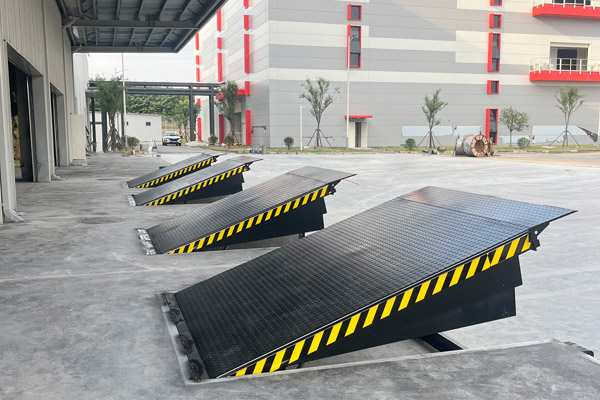
A hydraulic dock leveler creates an adjustable bridge between the warehouse platform and the truck bed. Compared with a fixed ramp, the working deck can move to compensate for changes in trailer height. Compared with manually operated solutions, hydraulic actuation can reduce repeated physical adjustment and make the loading sequence more consistent.
1. Smoother height compensation
Truck-bed height changes with vehicle type, suspension, cargo weight and loading status. The leveler raises, deploys its lip onto the trailer and then follows the usable working position during loading. This helps forklifts and pallet trucks cross the transition with less abrupt height change.
2. Better suited to frequent loading cycles
Where a warehouse handles regular inbound and outbound trucks, a hydraulic system can simplify repeated operation. The best configuration still depends on the expected number of loading cycles, working environment and maintenance plan.
3. Integration with the complete loading bay
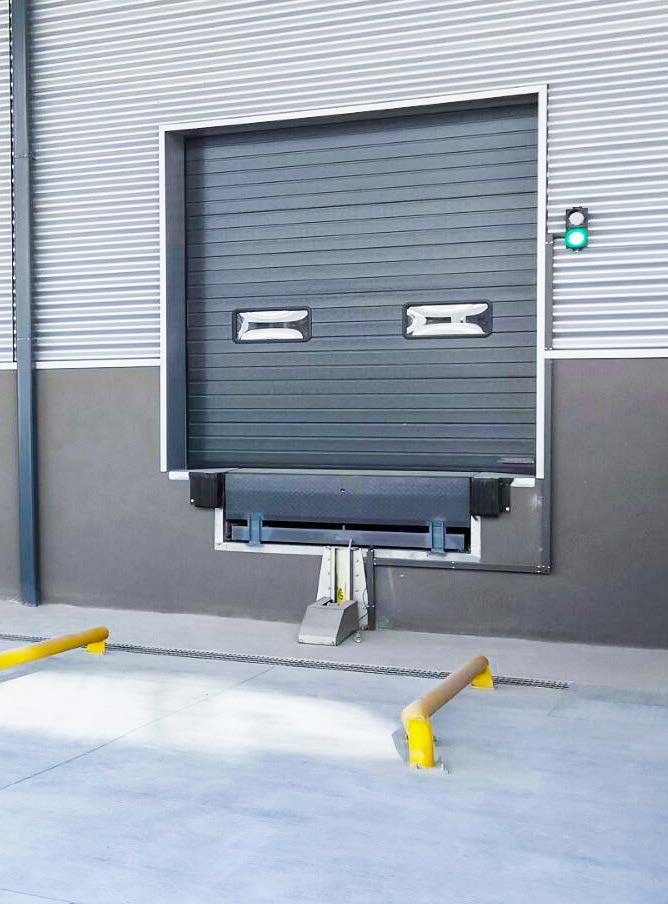
A dock leveler should be coordinated with the Laderampenausrüstung around it. Depending on the project, that can include an Industrie-Sektionaltor, mechanische Torabdichtung, aufblasbare Torabdichtung, dock bumpers, vehicle restraint equipment and a control system.
What Does a 10-Ton Dock Leveler Rating Mean?
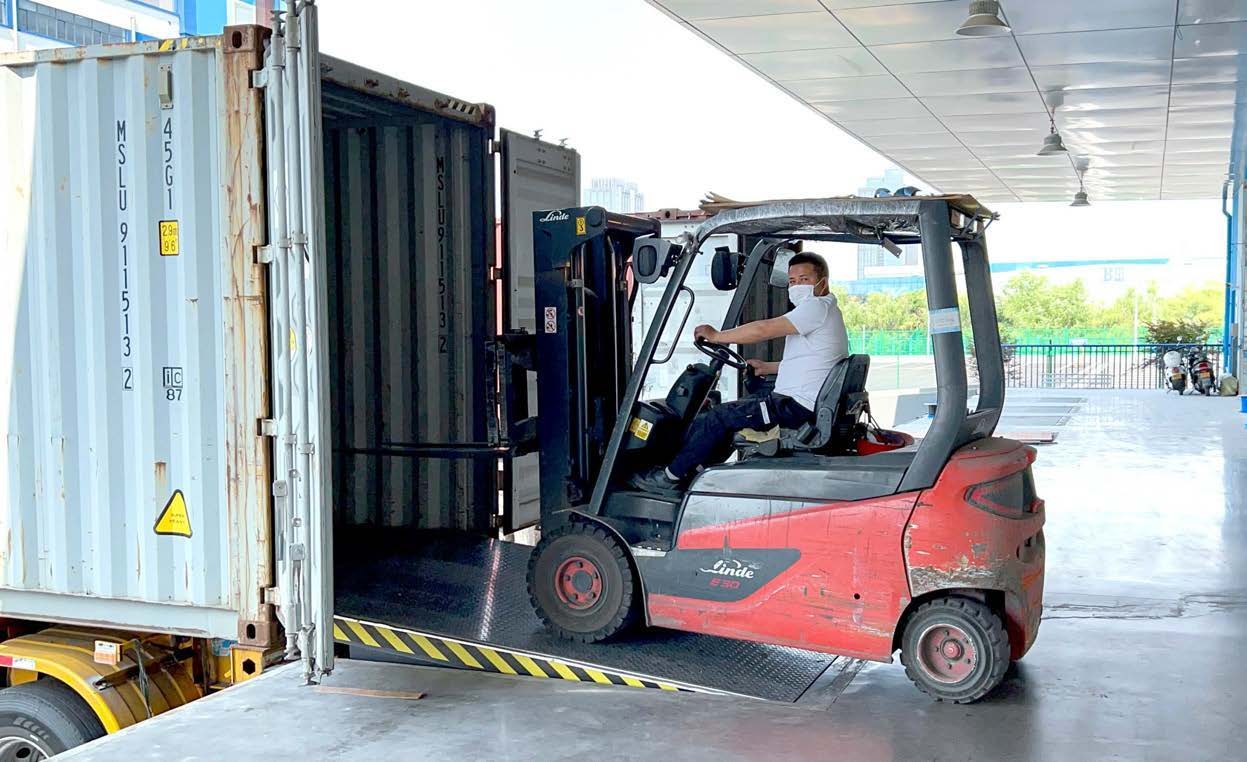
A 10-ton rating should not be interpreted simply as “the truck may weigh up to 10 tons.” The critical load is the traffic actually passing over the platform. Engineering review should consider the forklift or material-handling vehicle, the carried load, wheel loading, load distribution, operating frequency and an appropriate design margin.
For example, a heavily loaded forklift can create concentrated wheel loads that are different from a uniformly distributed load. That is why project selection should begin with the heaviest material-handling condition rather than with truck gross vehicle weight alone.
EN 1398 Safety Considerations for European Dock Levelers
For European projects, EN 1398:2009 is an important reference standard for dock levellers. The standard addresses safety requirements for the design, construction, installation, maintenance and testing of dock levellers and their safety components. Its scope includes dock levellers used as traffic paths between goods vehicles and loading docks.
Buyers do not need to turn a project article into a legal specification, but several practical safety topics should be reviewed before final approval:
- rated capacity and structural design for the intended material-handling traffic;
- anti-slip working surfaces and safe platform geometry;
- prevention of unintended or unsupported platform movement;
- crushing and shearing risk around moving components;
- maintenance support devices and safe access for inspection;
- side toe protection, warning markings and operating controls;
- clear operating, maintenance and inspection instructions.
For a more detailed explanation, see the SEPPES article Loading Dock Safety: EN 1398, OSHA & Dock Leveler Standards. The standard itself can also be reviewed through the BSI overview of BS EN 1398:2009.
EU Machinery Regulation: A Small but Important 2026–2027 Update
European machinery compliance is entering a transition period. Regulation (EU) 2023/1230 on machinery is scheduled to apply from 20 January 2027. For projects being specified in late 2026 for delivery or market placement in 2027, buyers and suppliers should confirm which conformity requirements, technical documentation and declarations apply to the final equipment configuration at the relevant date.
Official source: EUR-Lex — Regulation (EU) 2023/1230.
This is deliberately a short regulatory note rather than the main subject of the article. The engineering priority remains selecting a dock leveler that matches the real loading conditions, while the conformity documentation should be confirmed before supply to the destination market.
SEPPES Certificates and Technical Documentation
Product performance should be supported by documentation rather than by marketing statements alone. For export projects, SEPPES can provide relevant product, quality and technical documentation according to the final product configuration and destination-market requirements.
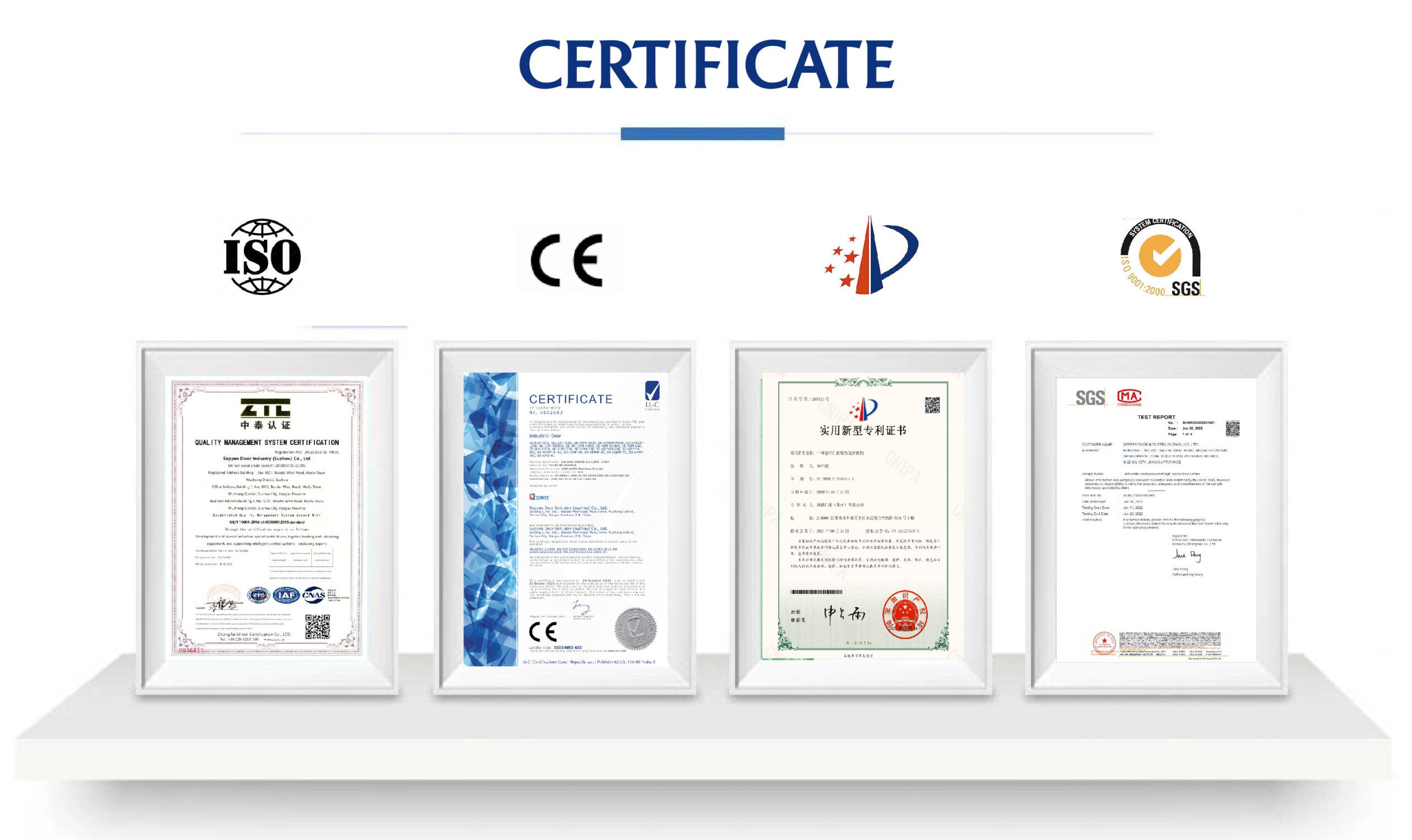
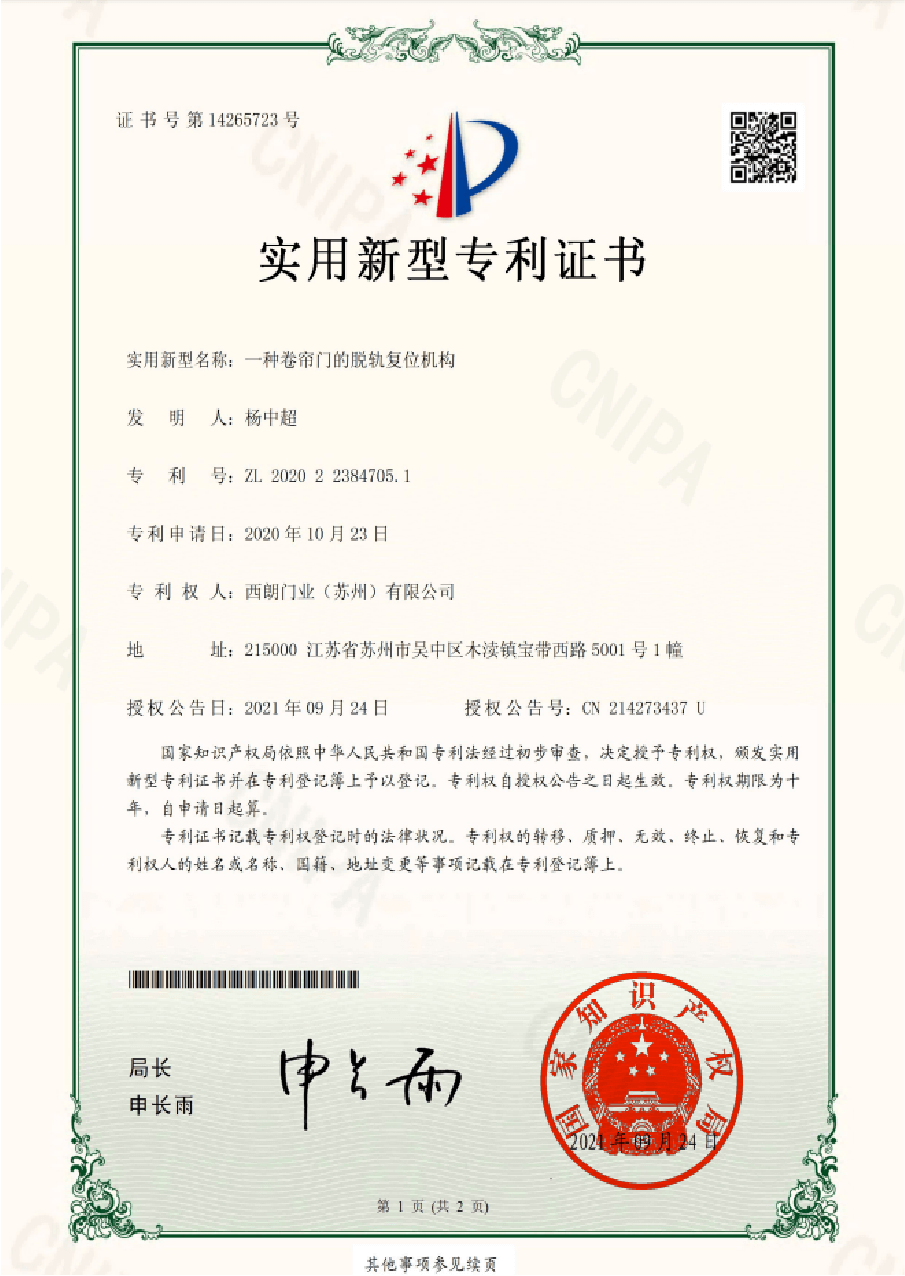
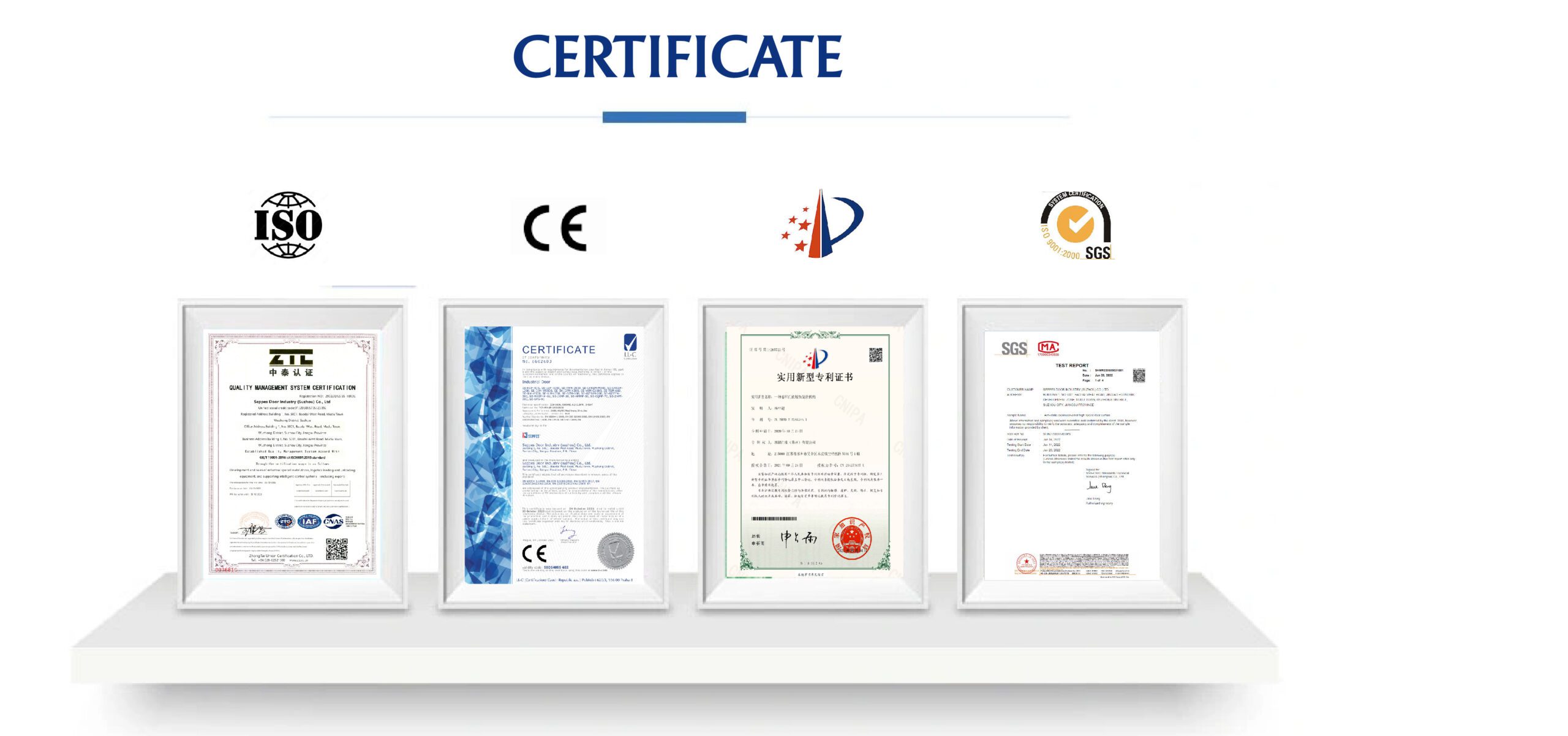
Documentation shown above is provided as company reference material. The exact certificates, declarations and technical files applicable to an order should be confirmed against the final product model, configuration and destination market.
How the Dock Leveler Fits into a Complete Loading Bay
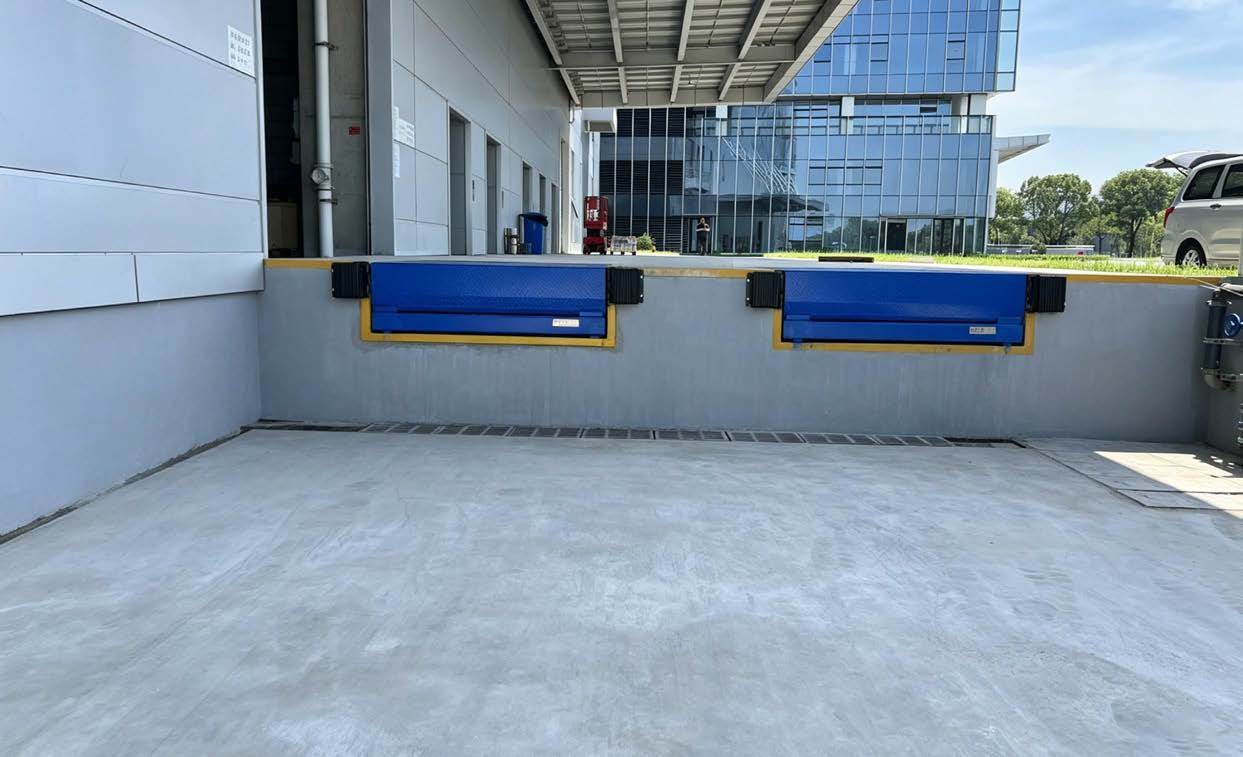
The leveler is only one part of the transfer point. The dock shelter helps reduce the exposed gap around the trailer, the leveler bridges the height difference and the industrial door controls the building opening. When the project requires higher coordination, controls and interlocks can also be considered.
Modern distribution facilities are increasingly evaluating the loading bay as one integrated operating sequence. See Automated Loading Dock in 2026: How Modern Warehouses Are Evolving for a deeper look at dock-door control logic and automation. For refrigerated facilities, see How to Design an Energy-Efficient Loading Dock for Cold Storage.
Engineering Checks Before Ordering
Before confirming a hydraulic dock leveler for a project in Spain or elsewhere in Europe, prepare the basic site information first. It reduces redesign and helps the manufacturer produce a more reliable drawing and quotation.
- dock/platform height from finished ground level;
- pit width, length and depth;
- minimum and maximum truck-bed height;
- truck and trailer types using the bay;
- forklift or pallet truck model and operating weight;
- maximum cargo weight carried across the leveler;
- estimated loading cycles per day;
- power supply available at the site;
- indoor/outdoor exposure, humidity and corrosion conditions;
- whether a sectional door, dock shelter, bumpers or vehicle restraint system are also required.
A final drawing should be checked against both the dock leveler specification and the civil works. For additional operating checks, review the Loading Dock Safety Checklist.
Häufig gestellte Fragen
What size hydraulic dock leveler is suitable for a loading bay?
There is no single universal size. Selection depends on pit dimensions, dock height, truck-bed height range, traffic type and rated load. The 2000 × 2000 × 600 mm configuration in this Bilbao concept is a project reference, not a default size for every warehouse.
Is a 10-ton dock leveler suitable for forklift loading?
It can be, but the rating must be checked against the actual forklift, cargo, wheel loads and operating frequency. The heaviest expected traffic condition should be reviewed before confirming the final capacity.
What is EN 1398?
EN 1398:2009 is a European standard covering safety requirements for dock levellers, including design, construction, installation, maintenance, testing and safety components.
Can a dock leveler be supplied as part of a complete loading bay system?
Yes. A project can combine the dock leveler with a sectional loading dock door, dock shelter, bumpers, vehicle restraint equipment and control logic according to the facility requirements.
What information is needed for a dock leveler quotation?
Share the platform height, pit size, truck-bed height range, required capacity, forklift and cargo information, daily loading frequency, power supply and any related dock door or shelter requirements.
Planning a Similar Loading Bay?
Send your dock height, pit dimensions, truck range, rated-load requirement and daily loading frequency. SEPPES can review the project and recommend a hydraulic dock leveler and related loading bay configuration.
Request a Loading Bay Plan →References & Further Reading
External references: Port of Bilbao 2026 cargo update; BS EN 1398:2009 dock leveller safety overview; EUR-Lex Regulation (EU) 2023/1230. Internal technical references are linked throughout this article to SEPPES hydraulic dock leveler, loading dock safety, automation, cold-storage loading dock and loading dock equipment pages.