
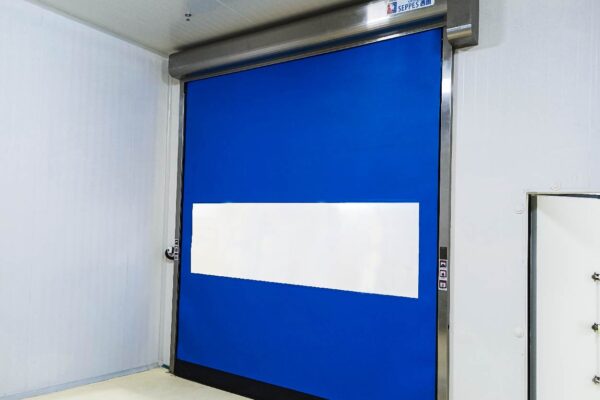
In the pharmaceutical industry, clean room doors are the most important barriers that preserve the integrity of controlled environments by keeping contamination at bay. The importance of the design and functionality of such doors is a key component of maintaining patient safety, overall industry quality assurance, and compliance with the rigorous standards of the industry. In this article, we analyze the importance of clean room doors in the pharmaceutical industry. We explore their features that help maintain contamination control, their functionality, and how they help industries comply with the standards of the industry. This guide is designed to help you make the right choices, whether you are working to upgrade your clean room doors or would like to know how to meet compliance standards that are changing.
Importance of Clean Room Environments in Pharmaceuticals
In the pharmaceutical industry, clean rooms are important in safeguarding the safety, quality, and effectiveness of the products. Clean rooms are environments where contamination is controlled. Some of the contaminations that clean rooms prevent are by controlling things like airborne particles, contamination by microorganisms and extremes in temperature. In particular, clean rooms are important for patient health because even the small contamination of a medication can render a medication ineffective and a serious health issue for the patient. Clean rooms also help in complying with the industry regulations that are in place for the protection of the public. These regulations are very particular in maintaining the health of the public. To protect the public and maintain the integrity of the products, it is very important to follow the industry standards.
Role of Clean Room Doors in Maintaining Standards
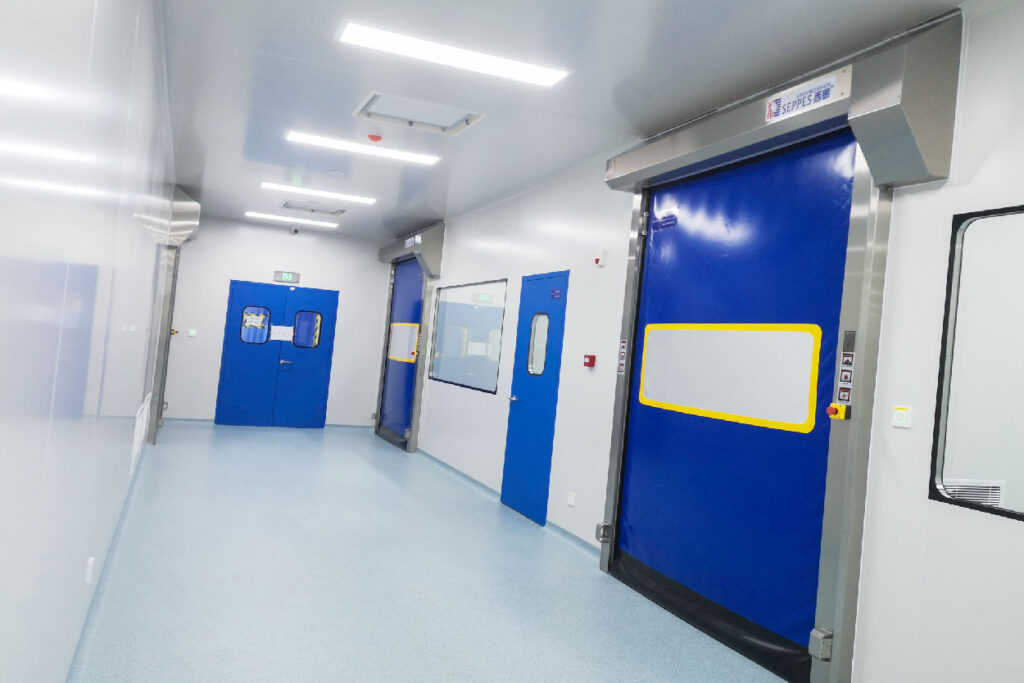
Clean room doors are extremely important for keeping high standards in contamination control. They act as barriers to prevent particulate matter, micro-organisms, and other environmental pollutants from compromising the controlled environment. Here are five functions and features of cleanroom doors, including double doors, that help maintain clean standards.
Sealing efficiency – Clean room doors are built to have a tight, pressure-sealed enclosure to aid in the filtration of dust, airborne particles, and other contaminants. Gaskets and sealants are of high quality to provide limited leaky locations.
Durability and hygiene – Constructed from materials such as stainless steel and high-grade plastics, the clean room doors can withstand the scrubbing of strong disinfectants. They are also corrosion-resistant and easy to maintain hygiene.
Pressure control – they help maintain pressure differentials between the zones of the clean room. This is crucial to keeping contamination at bay. For instance, a positive pressure is kept to eliminate contaminants from entering the clean room, a critical function of pharmaceutical doors.
Automated operations – automated swing or sliding doors help reduce manual contact and lower the risk of contamination introduced by people. These systems also allow the easy and quick passage of materials through the doors.
Standards Compliance – Our cleanroom doors adhere to industry standards such as ISO 14644 as well as GMP outlines. These standards ensure our doors comply with requirements regarding cleanliness and operational functionality.
Implementing these features also ensures our cleanroom doors help protect vital processes and meet regulatory standards.
Impact of Cleanliness on Pharmaceutical Production
Dirtiness impacts safety and efficacy in pharmaceutical production. It also increases the risk to the patients and the finances of the manufacturers. Contamination can happen in the cheap production line. With the right cleanroom environment, contamination can be significantly minimized. This includes advanced air filters or even full sterilizing equipment. Standard cleanroom practices become the baseline to achieve cleanliness in the room. Standard ISO 14644 and GMP can be the way to achieve those sterility standards.
Automated cleaning has become a new emerging clean technology. Other emerging clean technologies are real-time contamination detection and air ionization devices. For example, in HEPA filters combined with technologically advanced ventilation, you can get the highest levels of airflow and particle filtration. Also, rigorous personnel washing practices and the use of coverings have minimized the levels of external contamination. This way, pharmaceutical manufacturers are also compliant with the standards to deliver the highest quality of medicines to the patients.
Overview of Compliance Requirements
Doors in a pharmaceutical manufacturing clean room play a critical role in maintaining the controlled environment necessary for drug production. To achieve this, doors must comply with strict regulations, including FDA standards, EU GMP guidelines, and ISO 14644 requirements. In addition, the doors prevent cross-contamination and maintain differential pressure, ensuring the clean room operates effectively. As a result, these features keep the clean room intact and fully compliant with cGMP requirements.
The surfaces of clean room doors are made from non-porous materials that are easy to clean. Some of the materials have anti-microbial properties that discourage microorganisms from thriving, and clean rooms have doors that offer automated functionality to eliminate contact. The doors must have sensors that allow the doors to open and close without making contact. Also, clean room doors must be fire-rated and must have safety glazing while also maintaining the seals that are to the fire.
The doors must go through regular inspections and validation to prove that they will work under the conditions. Following the compliance factors reinforces patient safety by keeping the manufacturing quality consistent with what the patient deserves.
Key Standards and Regulatory Requirements
ISO Classifications and cGMP Guidelines
Doors for pharmaceutical cleanrooms must follow strict ISO standards and current good manufacturing practices (cGMP) in order to maintain control over levels of cleanliness and contamination. Based on the ISO 14644-1 standard, different levels of clean rooms (types) are categorized based on the number of airborne particles present in the cleanroom. Most pharmaceutical clean rooms are classified under ISO Class 5 to ISO Class 8.These classifications depend on the number of particles present in the cleanroom and directly influence cleanroom door design and functionality, as the doors must provide maximum sealing and minimize particle ingress.
Moreover, regulatory bodies (such as the FDA and EMA) have cGMP guidelines in place, and they place significant emphasis on the design of cross-contamination and clean room doors for product safety in the on-site construction of the facility. These guidelines take into consideration the selection of materials, construction of the doors, and the automation features, as well as the smooth surfaces (which are easier to clean), and the doors’ compliance (or the doors’ features) to (are compliant with fire safety standards. Clean room doors for the pharmaceutical industry are in great demand because they help manufacturers of the pharmaceutical industry adhere to the guidelines of ISO and cGMP.
Understanding USDA/FDA Requirements
The design and construction of pharmaceutical cleanroom door systems must comply with USDA and FDA guidelines. These agencies stress the importance of avoiding contamination, and the construction of the doors and frames should be from non-porous and corrosion-resistant materials, including stainless steel and/or high-grade plastic. The primary focus is on the doors and frames being constructed to be easily cleaned and sanitized.
Doors to pharmaceutical clean rooms must provide the ability to control the environment and maintain the pressure differential. The doors must prevent the ingress of germs and contain the air. These USDA and FDA guidelines include features such as doors that automate and provide hands-free access, air-tight door seals, and doors that comply with the Good Manufacturing Practices (GMP). The latest advancements have provided the integration of additional contamination control features, including the use of cleanroom roll up doors with advanced sealing systems and antimicrobial materials.
The cleanroom door manufacturers and the cleanroom contractors must use these guidelines to meet the regulatory and industry best practice requirements to protect public safety.
Importance of Clean Room Class Ratings
The cleanliness and contamination control classes for clean rooms are critical for pharmaceutical processes. Ratings are assigned for clear rooms based on the amount of particulate in the air and are regulated internationally using guidelines such as ISO 14644-1. The pharmaceutical clean room doors must meet the standard to keep the environment controlled.
Some of the cleanroom ratings are as follows, along with the selection of cleanroom doors that meet specific requirements.
ISO Class 1
Particulates (>0.1 μm) – 10
Particulates (>0.2 μm) – 2
Use Case: Ultra-high precision manufacture such as semiconductor manufacturing.
ISO Class 5
Particulates (>0.1 μm) – 100,000
Particulates (>0.5 μm) – 3,520
Use Case: Manufacture and filling of sterile drugs
ISO Class 7
Particulates (≥0.5 μm) 352,000
Particulates (≥5.0 μm) 2,930
Use Case: Areas of non-sterile pharmaceutical production or quality control
ISO Class 8
Particulates (>0.5 μm) – 3,520,000
Particulates (>5.0 μm) – 29,300
Use Case: Areas where raw pharmaceutical materials are stored and packaging.
ISO Class 9
Particulates (>0.5 μm) – 35,200,000
Particulates (>5.0 μm) – No limit
Use Case: Areas with standard indoor air conditions, or places transitioning to controlled air conditions.
Manufacturers can manage contamination risks, protect product integrity, and stay within industry and government regulations by aligning pharmaceutical clean room doors with pertinent class rating requirements.
Critical Features of Pharmaceutical Clean Room Doors
Full Perimeter Sealing for Contamination Control
All doors for pharmaceutical cleanrooms are fully sealed to control contamination and maintain set levels of cleanliness. The sealing system keeps particulates, microbes, and contaminants from entering controlled environments. Here are five features and facts about full perimeter sealing:
Quality Gasket Materials
Ensures an even and airtight seal all around the door. Gaskets are made from materials like silicone and EPDM, which are resistant to chemicals and extreme temperatures.
Continuous Seal Design
Removes all gaps at corners and junctions to better seal all sections of the door. The seals compress uniformly around the perimeter of the door.
Automatic Drop Seals
These seals rest at the edge of the door and drop further when the door shuts. This closes the gap at the bottom of the door, minimizing the influx of particles through the ground-level opening.
Resistance to Pressure Differences
These doors are able to endure the pressure differentials found in pharmaceutical cleanrooms. This keeps cross-contamination from adjacent rooms when their pressure levels differ.
Easy Maintenance and Replacement
Inspection and replacement of sealing parts are less complex to ensure minimal downtimes.
All of these features assist in keeping the doors of pharmaceutical clean rooms in regulatory compliance and maintain the integrity of the products.
Smooth, Seamless, Nonporous Surfaces
The construction of pharmaceutical clean room doors includes smooth, non-porous, and seamless surfaces to support hygiene and contamination control. The surfaces make it difficult for contaminants such as microbes to build up. This helps maintain the standards of cleanliness required for the room. Below are some details of offenders of contamination.
Chemical Resistance
Materials like special polymers or stainless steel are able to withstand the harshest of cleaning agents or disinfectants.
Impact Resistance
Durable finishes that resist scratches and impacts help maintain the smoothness of the surface.
Seamless Construction
When seams and joints are reduced, this creates areas that are easier to maintain and clean.
Low Particulate Shedding
The construction materials are designed to shed no contaminants.
These surface characteristics meet contamination standards of a clean room.
Automation and Access Control Compatibility
Doors for pharmaceutical clean rooms are made to integrate with advanced access control and automation processes to help keep things safe and efficient. Here are five features that make sure there’s effective access control and automation, particularly in cleanroom roll up doors.
Automatic Door Operators
These cleanroom doors use a precision motorized operator that opens and closes the doors smoothly and consistently, eliminating the need for manual contact and helping maintain a contamination-free cleanroom environment.
Touchless Entry Systems
These doors come with programmable logic controllers and integrate with motion sensors and proximity card readers to allow touchless access. This makes a clean room a safe and hygienic environment to be in.
Integration with Building Management Systems
These doors work with the central BMS for monitoring, control, and emergency actions in real time. This makes facility management the most efficient.
Interlocking Capabilities
These clean room doors can be programmed for interlocking or airlock features. This way, one door cannot open until the other is closed, and that keeps the air pressure and cleanliness where it needs to be.
Access Control
These clean room doors come with biometric access control, keypad, or RFID access control to make sure only authorized individuals can enter the clean room. This keeps security tight and makes sure the facility is compliant with regulations.
All of these features of the clean room door help keep the regulations in both efficiency and security.
Types of Clean Room Doors Used in Pharmaceutical Facilities
High-Speed Fabric Roll-Up Doors

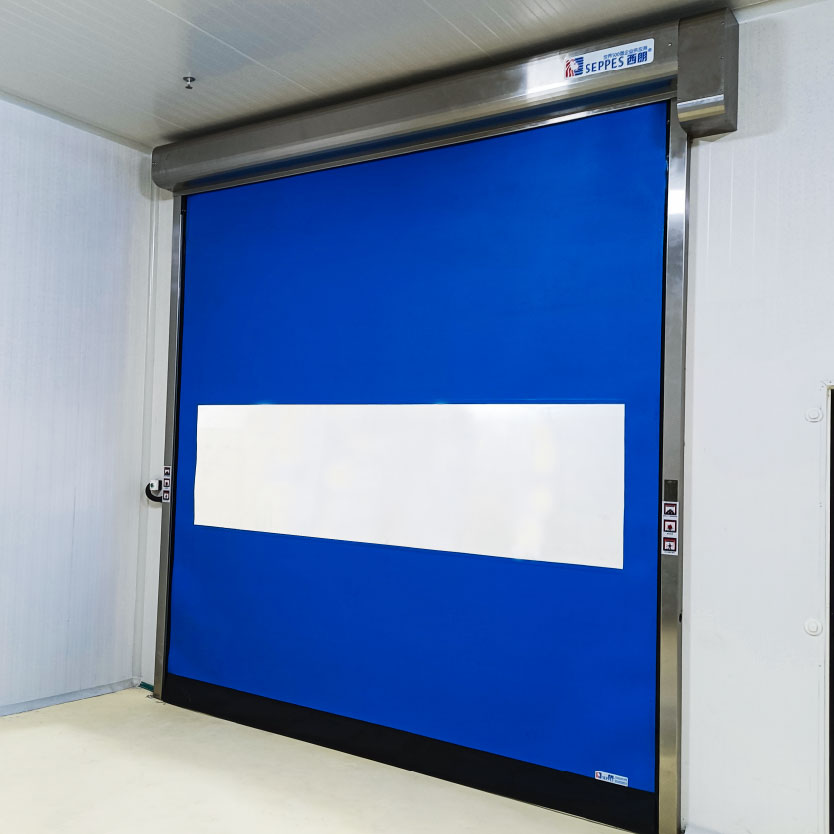
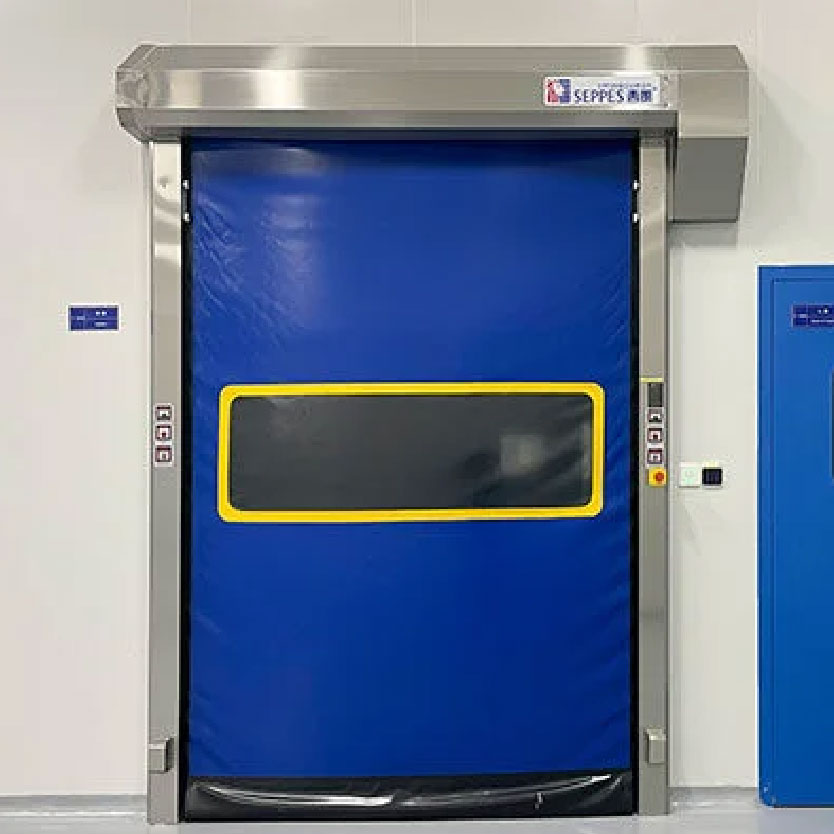
High-speed fabric roll-up doors are a necessity for pharmaceutical manufacturing and research facilities, along with being a key component for meeting the cleanliness and operational standards for door systems in this industry. These doors further safety and hygiene standards for the industry by having very quick open and close speeds and staying open for a reduced time. Their fabric is specially constructed with chemical-resistant and easy-to-clean materials that meet the very important cleanliness standards in the pharmaceutical industry.
High-speed roll-up doors have advanced sealing technologies that ensure that the doors remain closed and are able to keep the controlled environments that are needed. This allows the doors to remain closed in order to allow the air lock doors to function. Also, the air lock system is an access-controlled air lock. Access control doors also have an auto-open feature that assists in the controlled access that speeds up traffic. Integration with Automated systems is a common feature that assists in improving the workflow by allowing for the functions of the doors to remain closed and is able to keep the controlled environments.
Some innovations include advanced safety sensors and self-repairing mechanisms. With the longevity and safety of both the doors and controlled environments, one of the best features is the ability to further comply with GMP for high-speed fabric roll-up doors for new and existing pharmaceutical manufacturing and research environments.
Sliding Doors: Single and Bi-Parting
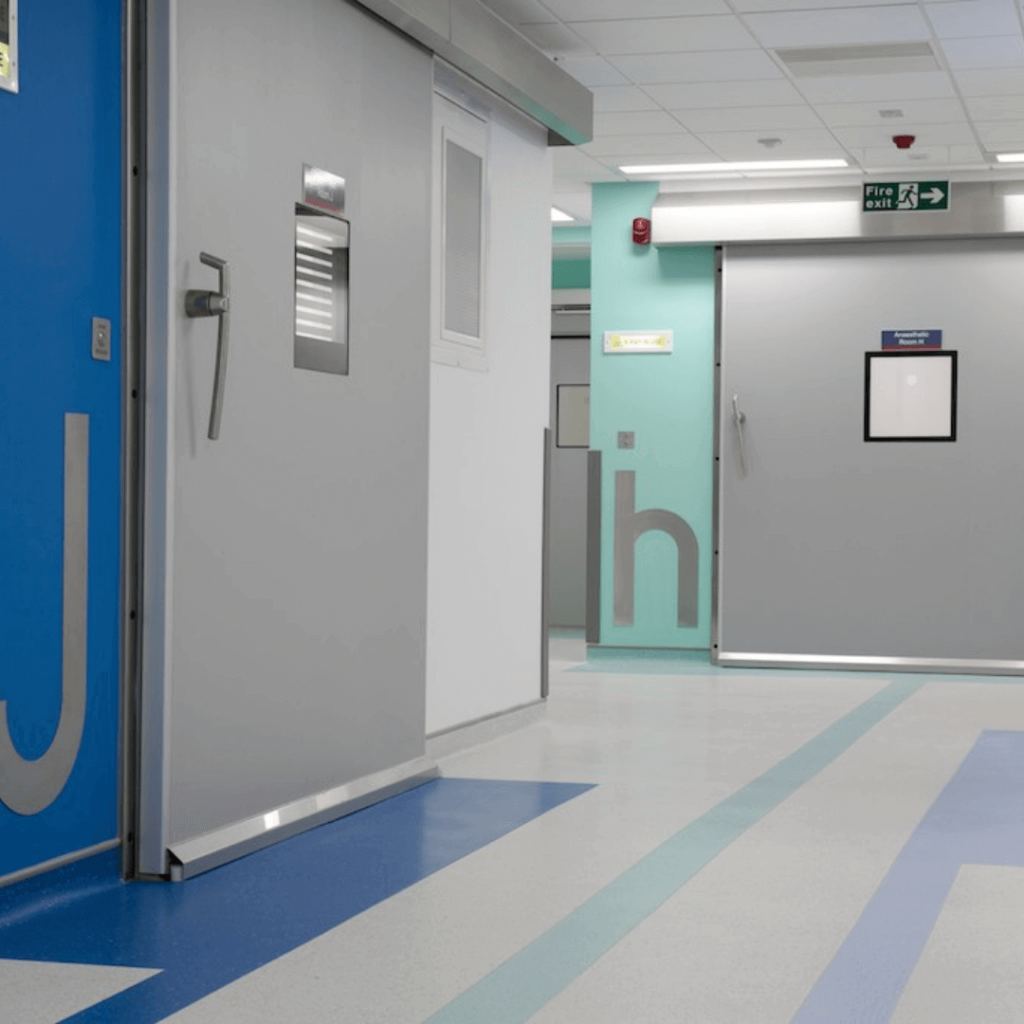
Sliding doors and bi-parting doors are efficient and space-saving features in pharmaceutical facilities. These doors are designed for optimum functionality in areas where air circulation and contamination control are critical, making them ideal for cleanroom environments. For clean rooms and production areas, these doors provide smooth and quiet operation. Recent advancements include features such as automation and a hermetic seal for contamination control, as well as integration with access control for increased security. These doors are also built with antimicrobial materials to meet the safety standards and long-term performance. These doors are essential for modern pharmaceutical facilities as they streamline workflows, ensure long-term performance, and meet the standards for contamination control.
Fire-Rated and GRP Doors
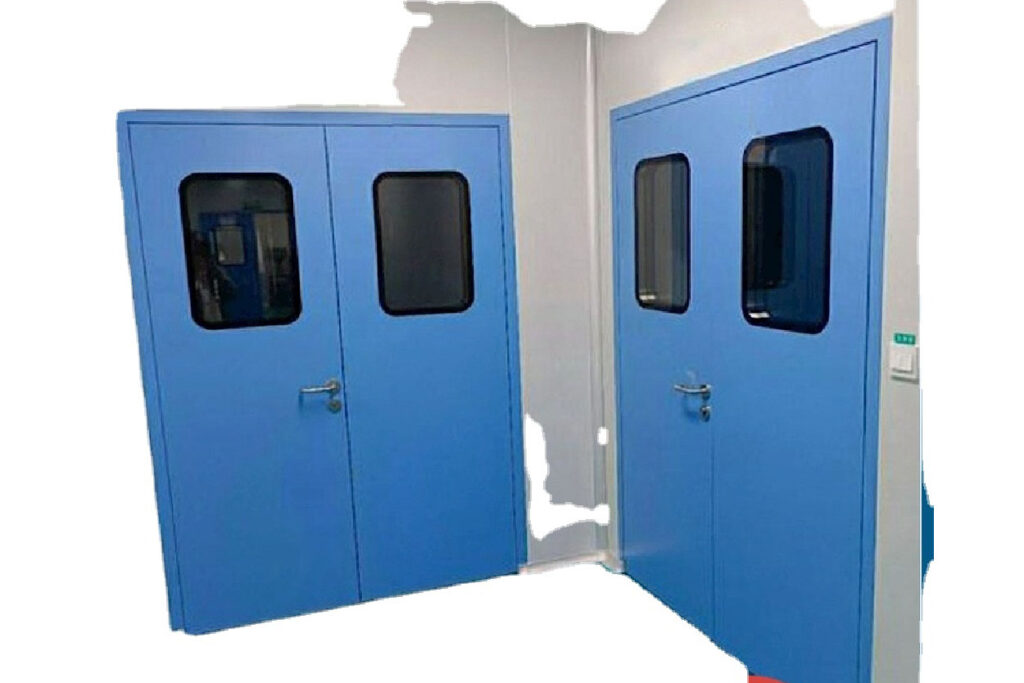
Fire-rated and reinforced glass polyester (GRP) doors are important for pharmaceutical departments because they help the industry meet high standards for safety and cleanliness. Fire doors are important because they contain fire and smoke, which keeps emergency exits clear and minimizes damage to the sensitive equipment and materials inside the facility. Fire-rated doors are constructed to very strict standards and help the facility meet its risk mitigation and regulatory compliance.
GRP doors are also very important because they are very durable and their easy-to-clean nature helps fight the spread of contaminants. They are made from strong, easy-to-clean materials and are resistant to chemicals, moisture, and impact, making them suitable for areas with high standards for cleanliness and contamination control. GRP doors are also very transportable and strong, which helps them have the ideal performance in high-traffic areas.
If you combine GRP doors and fire-rated doors, you get a powerful combination for providing pharmaceutical facilities with safety and efficiency. Advanced international standards also help their reliability, making them very necessary for modern cleanrooms and laboratories.
Technology Innovations and Modern Options
Hands-Free Operation Features
In today’s pharmaceutical plants, it is extremely important to have a fully sterile and contamination-free environment. Touch-free operation features on clean room doors assist in achieving this. Features like motion sensors, proximity card readers, and foot-pedal door openers let employees enter a room without touching the door, further reducing the risk of contamination. The latest automation technology works perfectly with these features, providing easy and reliable operation.
Voice control systems and touchless control panels are also becoming more common. Increased fuel efficiency and hygiene are additional benefits of these systems. Smart sensors that detect and respond to a variety of movements have become extremely common in the doors of pharmaceutical and clean room facilities. These are the most recent technological advances and are designed to improve efficiency in clean rooms.
Advanced Safety Systems for Clean Rooms
Pharmaceutical clean room doors have advanced safety systems that protect both the environment being controlled and the personnel working in the clean room. Smart clean room doors feature automated interlocking systems that stop the simultaneous opening of several doors in an airlock, which helps in avoiding contamination. Other features, such as pressure-resistant seals and self-closing mechanisms, help the clean room doors maintain their air pressure and increase the chances of unfiltered particles entering the environment, thus lessening.
In addition, the smart clean room doors integrated monitoring systems include the tracking of parameters of temperature, humidity, and air quality in real time, which helps in the regulation of set standards. Fireproof doors with emergency release systems let cleanroom personnel evacuate safely during emergencies while protecting sensitive areas.These systems help optimize the operations of the clean room and help in meeting the standards of the pharmaceutical manufacturing industry by ensuring the doors meet regulatory requirements.
Integrated Leakage-Rated Packages
Integrated leakage-rated packages help with the sterility and contamination control requirements found in new cleanroom doors for the pharmaceutical industry. Because packages create barriers to controlled environments with sterile air circulation, leakage packages can contain zones with particulate air pollutants. They utilize perimeter gaskets, compression seals, and self-closing door controls.
Recently developed packages can also provide electronic monitoring capabilities to record pressure changes. The smart features help to provide environmental monitoring and automated record keeping for compliance with ISO and GMP clean room standards. The packages can also be constructed with corrosion-resistant and stainless steel anodized aluminum for long-lasting performance.
The best cleanroom door solutions come from the combination of innovative materials and advanced engineering. The investment from the pharmaceutical industry in leakage-rated packages can be seen in improved safety, sustainability, and operational efficiency.
Performance Considerations
Cycle Speed and Frequency Management
Maintaining the cleanliness and safety of pharmaceutical clean rooms relies heavily on effectively managing cycle speed and frequency. Specifically, automatic clean room doors use high-speed opening and closing mechanisms, which reduce the time the doors stay open and minimize contamination opportunities. Moreover, high-speed motors and sophisticated controllers ensure reliable and consistent operation across many cycles, enhancing overall clean room safety and efficiency.
The spacing of open and closing cycles impacts door longevity. Increased or poorly timed cycles create counterproductive impacts on mechanical systems. To reduce these impacts, many cleanroom doors use programmable logic controllers (PLCs) that allow cycle customization. Automation then balances safety and cleanliness with speed and cycle time, ensuring door operation aligns with defined cleanliness requirements.
These technologies balance contamination control and operational efficiency, especially in sliding cleanroom doors that improve airflow management. ISO 14644 and Good Manufacturing Practices (GMP) standards guide the engineering of cleanroom doors and ensure full compliance. The above technologies also maintain or improve the level of cleanliness in the clean room and extend the operational life of the clean room door systems.
Durability and Reliability in High-Traffic Zones
Because pharmaceutical cleanrooms often experience heavy traffic and frequent equipment movement, engineers can customize high-traffic cleanroom doors to deliver optimal performance. Designers combine materials such as aluminum, stainless steel, and composite materials to protect the door systems from wear and maintain long-term structural integrity and functionality. They can also use advanced sealing technology in order to provide an airtight seal to improve performance throughout the systems.
Certain systems cleanroom doors can use certain automated features along with different sensor technologies, in order to provide enhanced reliability and durability throughout the systems. These systems also contain different technologies that help in motor peace systems, in order to improve functionality within the different programmable control systems. Certain motor peace systems can help in repeated performances within the same durable systems and motor peace technologies. These technologies help in meeting the industry standards like the ISO 14644 and GMP standards to provide a safe sterile environment throughout the systems. These doors are provided with highly needed durable advanced technology to provide a reliable, long-lasting performance within the clean room doors for busy facilities.
Maintenance and Longevity Factors
Pharmaceutical clean room doors have to be able to perform correctly, and to do that, require regular maintenance. These doors also have to follow strict operational and cleanliness standards. Routine inspections are able to recognize wear and tear on seals, hinges, and other parts that are crucial to ensuring the sterility of the room. Advanced materials like stainless steel are essential to the lifespan of the doors, and they stand up to the cleaning and sanitization processes.
Also, many smart technologies have integrated into clean room doors, such as programmable logic controllers (PLCs) and automated monitoring systems. These technologies allow monitoring of the doors to see how well they are working and to determine when maintenance is needed. This allows facilities to fix small problems to prevent larger problems and lessen the amount of time that the door goes unrepaired, along with the costs of the repairs. Technologies such as self-lubricating parts also reduce the amount of attention that the doors require.
The combination of all of these factors, along with the modern automation and careful proactive maintenance strategies, makes clean room doors the best long-term option for demanding clean room environments in the pharmaceutical manufacturing field.
Best Practices for Selection and Installation
Assessing Application-Specific Requirements
Optimum pharmaceutical clean room doors should also comply with industry regulations to be operationally efficient. Industry regulations primarily depend on the type of clean room, the needed cleanliness, and the volume of workflow. The performance of the doors is especially important because the ISO Class system worldwide is the most used in rating the levels of cleanliness and circulation of particulate matter.
The circulation of particulate matter in the clean room will be determined by the construction and material of the door. The construction and material should also be able to resist the chemical cleaning agents used in the pharmaceutical industry to keep the environment clean. To maintain the starnal pressure and to prevent contamination, high-performance sealing mechanisms are needed on the doors. The volume in which clean room doors are used should also be considered. For heavy-duty use areas, clean room doors with beta automated sliding features, or rapid roll-up doors are the most suggested in order to minimize the exchange of air.
The newly available option of smart monitoring systems provides control and the ability to record and trace data to maintain hygiene and save energy. For improved operational results, the integrated clean room doors should be combined with the recommendations followed in the clean room design and the FDA GMP guidelines.
Integration with Existing Clean Room Systems
Pharmaceutical clean-room doors work seamlessly with the existing clean-room systems.This step ensures that the doors meet operational standards and deliver optimal performance. The doors work in coordination with HVAC and air pressure control systems to reduce contamination risks and keep all systems operating within defined parameters. Modern automation technology provides the capability of clean room doors to obtain and workflow with existing systems. For example, automated pressure-sealing systems that respond to pressure differential ensure that the level of air cleanliness is contained, particularly in sliding cleanroom doors.
In addition, the latest cleanroom doors are designed to work with prescriptive control systems that use a combination of biometrics and RFID for access control to improve the security and control of contamination. Productivity and security are the major driving factors for monitoring access control systems with smart IOT systems that the pharmaceutical industries are switching to. Real-time monitoring and reporting of door movement, environmental parameters, and systems status and performance greatly improve productivity, along with reducing security risks. This also greatly helps to maintain the ISO 14644, the Good Manufacturing Processes (GMP), and other complementary legislations. Also, Energy productivity is highly maintained to ensure the optimum productivity of clean room systems.
Customization for Pressure and Size Needs
Pharmacies are built with very precise pressure differentials and size spec details. This leads to the highly clean and controlled environments necessary in these types of rooms. Doors also handle high pressure differentials, preventing air from escaping or entering cleanrooms. High-grade, pressure-specific gaskets and seals actively regulate pressure levels, control airborne contaminants, and maintain stable internal conditions.
Cleanroom doors can also accommodate different size requirements. Manufacturers offer these doors as standard single-leaf, larger double-leaf, or sliding designs. New features now enable high-speed operation, improving efficiency while further reducing the risk of air contamination. These features, along with the differentials and the solid ability to meet international standards, create a clean room door that is highly adaptable to the differentials of the pharmaceutical industry.
Case Studies and Testimonials
Real-World Examples of Compliance Achievements
Let’s take a look at a leading biotech company’s clean room doors, which feature advanced airtight seals and high-speed operations. To help meet ISO 14644 standards for air cleanliness and protect workflow efficiency, the company engineered a tailored solution. As a result, they achieved a 25% reduction in particulate air contamination and observed a noticeable increase in the sterility of their products, demonstrating how improving clean room doors can directly enhance operational outcomes.
Another example is a global pharma company that replaced some of its cleanroom modules with fully automated seamless modular cleanroom doors and integrated them into its workflow systems.These doors meet the EU and FDA’s cGMP modular cleanroom specifications. After installing them, the company reduced product release times and increased the number of inspection approvals per period.
In addition, a mid size pharma company was able to improve compliance and sustain a global safety. These examples illustrate that the modern cleanroom door solution can achieve and exceed operational excellence in the pharma industry.
Customer Feedback on Hygiene and Reliability
The clients have highlighted the need for hygiene and reliability, and the customers appreciate the praise. Innovations like seamless design with antimicrobial coatings were able to seal the threat of contamination and maintain sterility for the important processes. Modern cleanroom doors also receive appreciation for being durable and performing the best to reduce maintenance and operational disruptions.
The latest safety and hygiene measures are sealed with the latest in automation technology. They shut on their own. The reports say customers like these the best because they are aligned with the ISO 14644 and GMP requirements. The customers state they have a demand for no contact/ touch operation. This also increases the cleanliness of the controlled environment. There are reports from the pharmaceutical industry about the flexibility of solutions integrating with the requirements of the industry, keeping it reliable and compliant.
Conclusion
Significance of Choosing the Right Clean Room Door
Choosing the right cleanroom door is crucial for maintaining the cleanroom’s functionality, efficiency, and compliance. A quality door helps with contamination control, energy efficiency, durability, and workflow within the pharmaceutical and other sensitive industries. Here are five important factors to keep in mind when selecting a cleanroom door:
Contamination Control
Cleanroom doors with airtight seals ensure that no outside particulates and contaminants enter the cleanroom, maintaining air quality in compliance with the ISO 14644 standard. Well-sealed doors are statistically proven to reduce particulate infiltration by 98%.
Material Durability
Cleanroom doors constructed with durable materials such as stainless steel and high-pressure laminate are corrosion and chemical-resistant as well as resistant to wear and tear from frequent cleaning. The durable materials not only increase the lifespan of the door but also decrease repair, maintenance, and replacement costs.
Ease of Maintenance
Maintenance and repair are also important in the design of modular cleanroom doors. Many cleanroom doors come with empty horizontal channels that are pre-engineered for easy cleaning. Lower maintenance designs increase efficiency and reduce downtime.
Energy Efficiency
Some cleanroom doors help control energy costs and are energy efficient. Doors that automatically open and close or have a rapid door cycle help control the air exchange of the cleanroom, allowing for stable environmental conditions. Stable conditions require less frequent adjustments from the HVAC system.
The Benefits of Touch-Free Operation
The use of advanced clean room doors with touchless automation minimizes the risk of physical contact and the risk of cross contamination. These doors are maximally hygienic. Touchless systems can improve workflow while reducing contamination levels by 60% based on studies!
Choosing the right cleanroom door does more than shield delicate operations; it also meets regulatory requirements and creates an overall safer and better working atmosphere.
Call to Action: Consult Experts for Your Pharmaceutical Clean Room Door Needs
Some important aspects must be taken into consideration when choosing your clean room doors, as your doors will ultimately be fitted to your primary needs as a business. Due to the importance of these aspects, the assistance of a professional is helpful. Here are some of the contributions that come with the assistance of a professional:
Individualized Design Modifications
Having an industry professional design your clean room doors allows for adjustments to be made to the size, the materials, and the regulatory structures to be cohesive with the needs of your business.
Regulation Assistance
Professionals in the clean room industry help your business adhere to the various regulations set out by the FDA, GMP, and ISO.
Best Material Options
Professionals will help choose the best materials for your situation, such as stainless steel, specialty coatings, and other materials that resist contamination, corrosion, and chemical reactions.
Energy Cost Saving Recommendations
Professionals sometimes recommend the use of automation with your doors’ opening/closing function in order to save energy, along with other functions that are tailored to your needs.
Sustained Clean Room Doors
Professionals give your business a plan to sustain the clean room doors and a plan to sustain the efficiency of the doors over the course of the business’s use.
Risk is reduced and time is saved with the help of industry professionals, which leads to the best quality clean room doors designed for your business’s use. Contact your professionals today.
Frequently Asked Questions (FAQs)
Cleanroom door: What are the basic features of a pharmaceutical clean room door?
Doors in pharmaceutical cleanrooms follow strict cleanroom specifications and cGMP guidelines and incorporate nearly airtight seals, smooth chemically resistant panels, and integrated sealing systems to maintain room pressure. Manufacturers use cleanroom-compatible materials such as stainless steel and coated panels, often adding tempered glass windows and automatic or manual operation options to support reliable performance in pharmaceutical and other controlled environments.
Cleanroom door design: How do cleanroom door design choices affect contamination control?
The design of clean room doors directly influences the effectiveness of pharmaceutical contamination control as they limit the generation of undesirable particles and the seepage of cleanroom air. Certain design features, such as sliding bi-parting doors and high-performance doors, allow the combination of tight seals and strong door frames to decrease the level of contamination during traffic. Properly designed doors will maintain an almost airtight seal, preserve differential pressure, and comply with cleanroom specifications for pharmaceutical and other clean environments.
Door solutions: What door solutions are ideal for different cleanroom classifications?
The choice of cleanroom doors depends on the classification and the needs of the process involved. For high-speed cleanroom doors, cleanroom roll-up doors, and high-performance doors that reduce air exchange, ISO industry standards and the pharmaceutical sector are more stringent. In terms of space and traffic flow, swing and slide doors, pre-hung doors, and bi-parting doors also do the trick. Manufacturers of doors provide specifications about the selection of cleanroom doors that best suit cleanroom operations while adhering to the door cgmp guidelines.
Door styles: Which door styles are most commonly used in pharmaceutical cleanrooms?
Some of the most common cleanroom door styles are swing doors, cleanroom slide doors, roll-up doors, and bi-parting doors. In situations where little air disturbance is required, cleanroom slide doors and cleanroom rolling doors are used extensively. For interlocking access or staff entry, swing doors do the job. For high activity and the transfer of materials, high-speed cleanroom roll doors and doors are best. Many doors are designed with tempered glass to support visibility while maintaining hygiene.
Door operation: What are the advantages of automatic cleanroom doors versus manual and automatic options?
The risk of contamination is minimal with cleanroom doors. They also improve operations and compliance with the standards of hygiene. These doors have the option of being manual or automatic. Automatic doors (including high-speed cleanroom doors) offer improved control of pressure differentials and quicker cycling, while manual or push plate cleanroom doors are suitable for low-risk areas. These doors include fire safety features and interlocks that work during normal pharma operations.
Controlled environment: How do cleanroom doors help maintain room pressure and environmental control?
Doors are critical to maintaining pressure and are built to avoid leakage. The pressure of the rooms is maintained by the precise door seals of the door frames. Quick operation doors and high-performance pressure-sterile doors minimize pressure changes during openings, improving the efficiency of the cleanroom. The right door specifications, reputable door manufacturer installations, and an appropriate selection of clean room doors help to ensure the controlled environment remains for pharmaceutical and clean rooms.
Airtight: What does it mean that cleanroom doors feature an almost airtight seal, and why is it important?
The door seals, gaskets, and overlapping door panels minimize air exchange between zones. This also helps to control particulate and microbial contamination, maintain pressure differentials, and support cGMP. The hygiene and longevity of the door panels are built with easy-to-clean, chemically resistant, integrated door seals and are designed to be clean room compatible in pharma facilities.
Hygienic: How do hygienic door materials and finishes improve cleanroom performance?
The use of hygienic materials such as tempered glass, stainless steel frames, and polymer-coated doors helps to reduce microbial infection and make cleaning and disinfection easier. Doors are engineered with smooth, seamless edges and chemical-resistant finishes with minimal cracks and crevices, so that cleaning procedures and protocols are adhered to. The reduction of potential points of contamination during pharma operations, as well as the ability to more easily validate cleaning protocols, supports pharmaceutical and cleanroom compliance.
High-performance: How do high-performance doors and high-speed cleanroom doors differ, and when are they used?
Durability, isolation, and seal integrity are the focus with high-performance doors, typically used where high control of the environment is necessary. High-speed cleanroom doors are designed for quick cycle times to reduce the time doors are open, making them great for high-traffic areas or zones for material transfer. Both types of doors can be automatic or manual, and can be sliding, bi-parting, or roll-up. To keep cleanroom requirements and room pressure in balance, door manufacturers specify their products to meet the particular cleanroom needs in relation to the pharma application.
Reference Sources
- Clean room classification for pharmaceutical industry
Read the paper here - Design, installation and commissioning of clean room and HVAC facility for stem cell technologies and regenerative medicine
Read the paper here - Overcoming Contamination Challenges in Microbiology Clean Rooms: Lessons from Recent Studies
Read the paper here