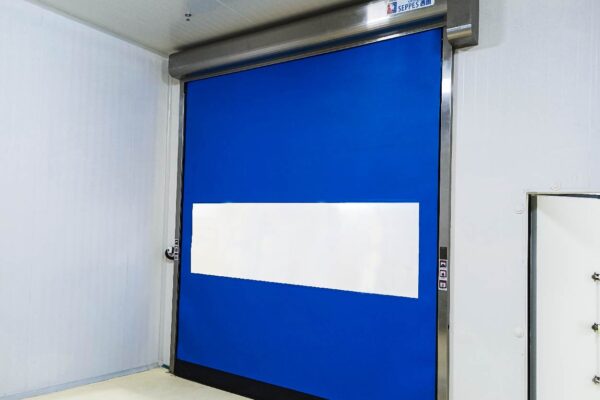
拉链结构高速门

制药洁净室门:确保污染控制和合规性

在制药行业中,洁净室门是维持受控环境完整性、防止污染的最重要屏障。此类门的设计与功能的重要性,是保障患者安全、确保行业整体质量保证以及符合行业严格标准的关键组成部分。本文中,我们将分析洁净室门在制药行业中的重要性,探讨其有助于维持污染控制的特点、功能以及如何帮助行业符合相关标准。本指南旨在帮助您做出正确选择,无论您是计划升级洁净室门,还是希望了解如何满足不断变化的合规标准。.

目录

制药行业中洁净室环境的重要性

在制药行业中,洁净室对于保障产品安全性、质量及有效性至关重要。洁净室是污染受控的环境,通过控制空气中的悬浮粒子、微生物污染及极端温度等因素来防止污染。洁净室对患者健康尤为重要,因为即使药品受到微量污染也可能导致药效失效,对患者造成严重的健康风险。洁净室还有助于遵守为保护公众而制定的行业法规,这些法规对维护公众健康有着极其严格的要求。为保护公众并保持产品完整性,遵循行业标准至关重要。.

洁净室门在维持标准中的作用
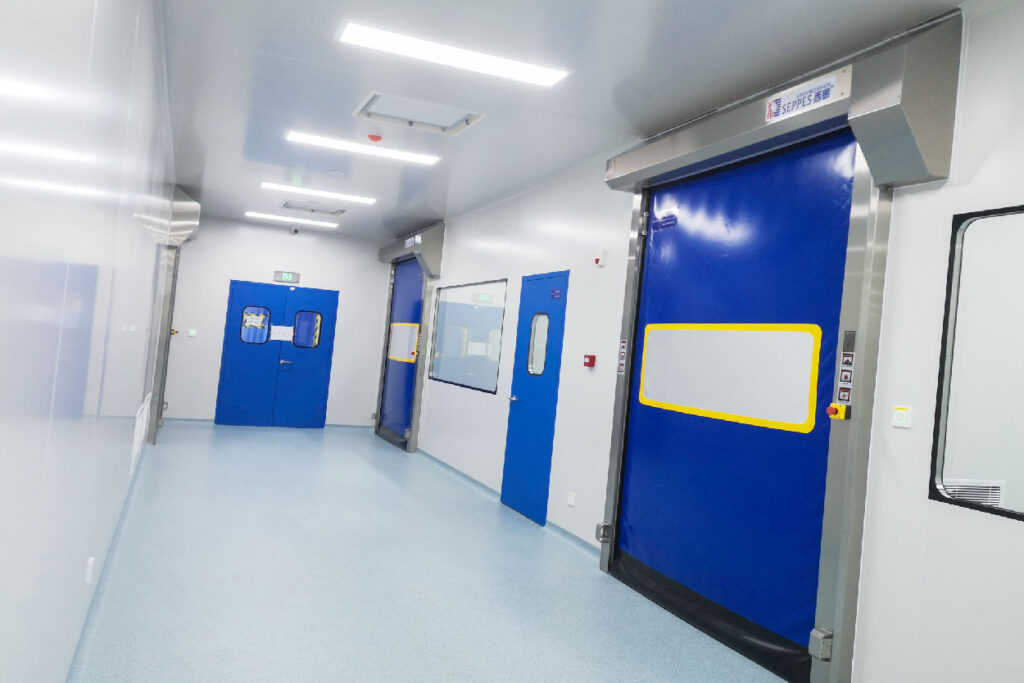
洁净室卷帘门
制药洁净室专用门 来源于 :SEPPES

洁净室门 对于保持污染控制的高标准极为重要。它们作为屏障防止颗粒物、微生物及其他环境污染物破坏受控环境。以下是洁净室门(包括双开门)帮助维持洁净标准的五项功能特性:.

密封效能——洁净室门采用紧密的压力密封结构,有助于过滤灰尘、空气悬浮粒子及其他污染物。密封条与密封剂均采用高品质材料,最大限度减少泄漏点。.

耐用性与卫生性——采用不锈钢和高级塑料等材料制造的洁净室门能耐受强效消毒剂的擦洗。它们还具有耐腐蚀特性,易于保持卫生。.

压力控制——帮助维持洁净室各区域间的压差。这对阻隔污染至关重要。例如,保持正压可防止污染物进入洁净室,这是制药用门的关键功能。.

自动化操作——自动平开门或滑动门有助于减少人工接触,降低人员引入污染的风险。这些系统还能实现物料快速便捷的通行。.

标准符合性——我们的洁净室门符合ISO 14644等行业标准及GMP规范。这些标准确保我们的门在洁净度与操作功能方面满足要求。.

实施这些特性也确保我们的洁净室门能保护关键工艺流程并符合监管标准。.

洁净度对药品生产的影响

污染问题影响药品生产的安全性与有效性,同时增加患者风险与制造商经济损失。污染可能发生在简陋的生产线中。通过合适的洁净室环境,污染可被显著控制。这包括采用高效空气过滤器甚至全套灭菌设备。标准洁净室操作规范成为实现空间洁净度的基础,遵循ISO 14644与GMP标准是实现无菌要求的有效途径。.

自动化清洁已成为新兴洁净技术。其他新兴技术包括实时污染检测与空气电离装置。例如,结合技术先进的通风系统,HEPA过滤器可实现最高级别的气流与粒子过滤。此外,严格的人员清洁规程与防护服的使用极大降低了外部污染水平。通过这种方式,制药企业既能符合标准,又能为患者提供最高质量的药品。.

合规要求概述

制药生产洁净室的门在维持药品生产所需受控环境方面起着关键作用。. 为实现这一目标, ,门体必须符合严格法规,包括FDA标准、欧盟GMP指南及ISO 14644要求。. 此外, ,这些门能防止交叉污染并维持压差,确保洁净室有效运行。. 因此, ,这些特性使洁净室保持完整状态并完全符合cGMP要求。.

洁净室门表面采用无孔易清洁材料制成。部分材料具有抗菌特性,可抑制微生物滋生;洁净室门配备自动化功能以消除接触。门体必须装有传感器实现非接触式启闭。同时,洁净室门需具备防火等级与安全玻璃,并保持防火密封性能。.

门体必须经过定期检测与验证,以确保其在特定条件下正常运行。遵循合规要素可通过保持生产质量与患者期望相符来强化患者安全。.

关键标准与法规要求
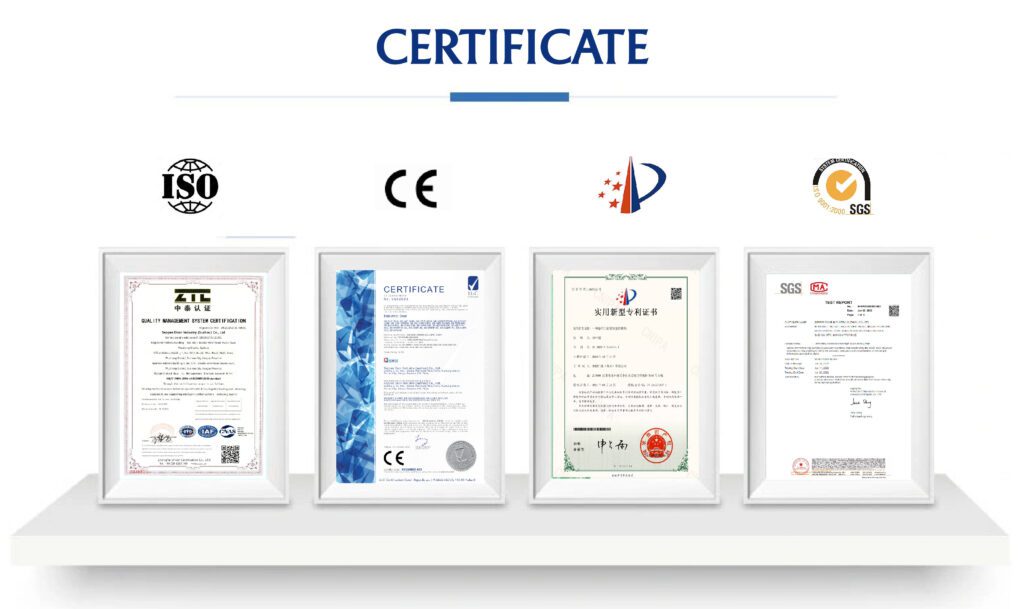
我们的证书
认证 来源于 :SEPPES

ISO分级与cGMP指南

制药洁净室门必须遵循严格的ISO标准及现行药品生产质量管理规范(cGMP),以保持洁净度与污染控制水平。根据ISO 14644-1标准,洁净室按空气中悬浮粒子数量分为不同等级(类型)。大多数制药洁净室属于ISO 5级至ISO 8级。这些分级取决于洁净室中的粒子数量,并直接影响洁净室门的设计与功能,因为门体必须提供最大程度的密封并最小化粒子侵入。.

此外,监管机构(如FDA和EMA)制定了cGMP指南,在设施现场建设中高度重视交叉污染控制与洁净室门对产品安全的设计。这些指南综合考虑材料选择、门体构造、自动化特性、光滑表面(便于清洁)以及门体对消防安全标准的符合性。制药行业对洁净室门的需求巨大,因为它们能帮助制药企业遵循ISO与cGMP指南。.

理解USDA/FDA要求

制药洁净室门系统的设计与建造必须符合USDA和FDA指南。这些机构强调避免污染的重要性,门体与门框应采用无孔耐腐蚀材料(包括不锈钢和/或高级塑料)建造。核心要求是门体与门框结构需便于清洁和消毒。.

制药洁净室门必须能够控制环境并维持压差。门体需防止细菌侵入并密闭空气。USDA和FDA指南包含以下特性:自动化非接触通行、气密门封以及符合良好生产规范(GMP)的门体。最新技术进展已整合了更多污染控制特性,包括采用带先进密封系统的洁净室卷帘门及抗菌材料。.
 
洁净室门制造商与洁净室承包商必须运用这些指南来满足监管与行业最佳实践要求,以保障公共安全。.

洁净室等级评级的重要性

洁净室的洁净度与污染控制等级对制药工艺至关重要。洁净室根据空气中颗粒物数量进行分级,并依据ISO 14644-1等指南进行国际监管。制药洁净室门必须符合标准以维持受控环境。.
 
以下为部分洁净室等级及对应洁净室门的选择要求:.

ISO 1级

粒子数(>0.1微米)– 10
粒子数(>0.2微米)– 2
应用场景:超高精度制造(如半导体制造).

ISO 5级

粒子数(>0.1微米)– 100,000
粒子数(>0.5微米)– 3,520
应用场景:无菌药品生产与灌装

ISO 7级

粒子数(≥0.5微米)352,000
 粒子数(≥5.0微米)2,930
 应用场景:非无菌药品生产或质量控制区域

ISO 8级

粒子数(>0.5微米)– 3,520,000
粒子数(>5.0微米)– 29,300
应用场景:原料药储存与包装区域.

ISO 9级

粒子数(>0.5微米)– 35,200,000
粒子数(>5.0微米)– 无限制
应用场景:标准室内空气条件区域或过渡至受控空气条件的区域.

通过使制药洁净室门符合相应等级要求,制造商可管理污染风险、保护产品完整性,并遵守行业与政府法规。.

制药洁净室门的关键特性
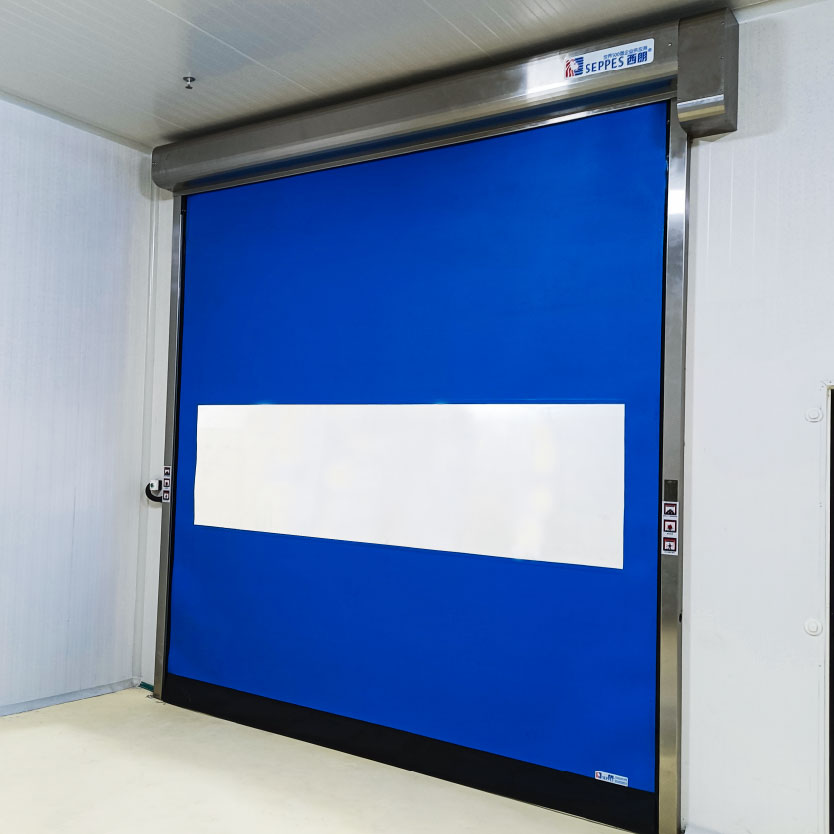
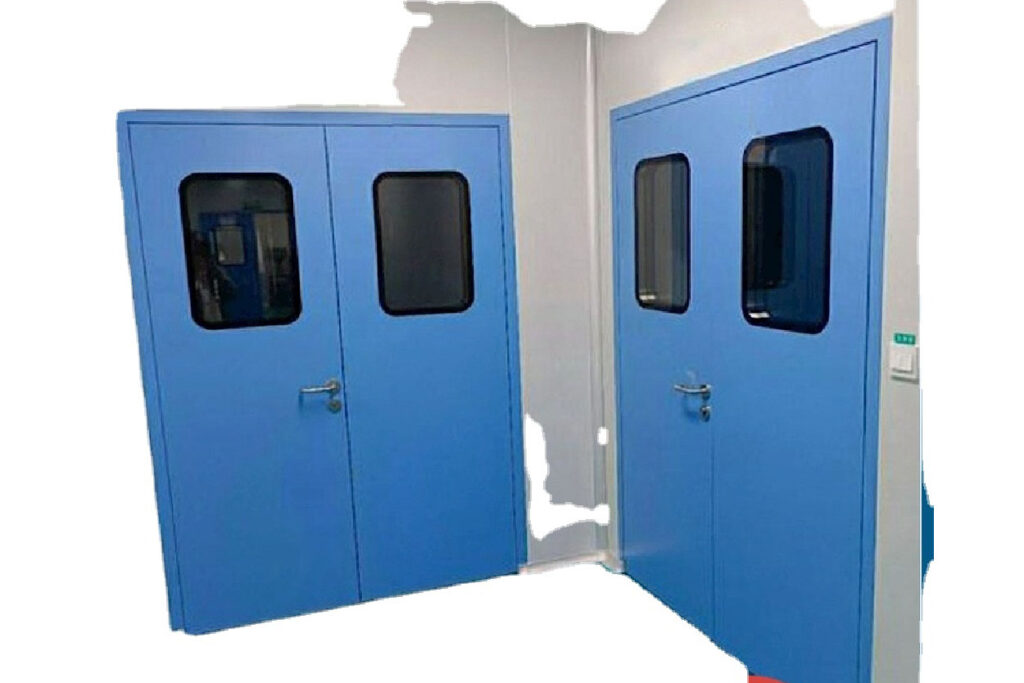
制药洁净室专用门
洁净室门 来源于 :SEPPES

全周边密封以控制污染

所有制药洁净室门均采用全密封设计以控制污染并维持设定的洁净度水平。密封系统可防止颗粒物、微生物及污染物进入受控环境。以下是全周密封的五项特性与事实:

优质密封条材料

确保门体四周均匀气密密封。密封条采用硅胶和EPDM等耐化学品及极端温度的材料制成。.

连续密封设计

消除角落与连接处的所有缝隙以更好密封门体各部位。密封件沿门体周边均匀压缩。.

自动下落式密封条

这些密封件位于门体边缘,关门时进一步下压。此举可封闭门底间隙,最大限度减少地面开口的粒子流入。.

压差耐受性

这些门体能承受制药洁净室中的压差变化。当相邻房间压力水平不同时,可防止交叉污染。.

易于维护与更换

密封部件的检查与更换流程简化,确保最短停机时间。.

所有特性均有助于保持制药洁净室门的法规符合性并维护产品完整性。.

光滑、无缝、无孔表面

制药洁净室门的构造采用光滑、无孔、无缝的表面以支持卫生与污染控制。这种表面使微生物等污染物难以积聚,有助于维持房间所需的洁净标准。以下是污染控制要点的详细说明:.

耐化学腐蚀性

特殊聚合物或不锈钢等材料能耐受最强效的清洁剂或消毒剂。.

抗冲击性

耐刮擦和抗冲击的耐用表面处理有助于保持表面光滑度。.

无缝结构

减少接缝与连接处可形成更易维护清洁的区域。.

低微粒脱落

建筑材料设计为不脱落污染物。.

这些表面特性符合洁净室污染控制标准。.

自动化与门禁控制兼容性

制药洁净室门的设计可与先进的门禁控制及自动化流程集成,以保障安全与效率。以下是确保有效门禁控制与自动化的五项特性(尤以洁净室卷帘门为例):.

自动门操作装置

These cleanroom doors use a precision motorized operator that opens and closes the doors smoothly and consistently, eliminating the need for manual contact and helping maintain a contamination-free cleanroom environment.

非接触式进入系统

These doors come with programmable logic controllers and integrate with motion sensors and proximity card readers to allow touchless access. This makes a clean room a safe and hygienic environment to be in.

与楼宇管理系统的集成

These doors work with the central BMS for monitoring, control, and emergency actions in real time. This makes facility management the most efficient.

联锁功能

These clean room doors can be programmed for interlocking or airlock features. This way, one door cannot open until the other is closed, and that keeps the air pressure and cleanliness where it needs to be.

门禁控制

These clean room doors come with biometric access control, keypad, or RFID access control to make sure only authorized individuals can enter the clean room. This keeps security tight and makes sure the facility is compliant with regulations.

All of these features of the clean room door help keep the regulations in both efficiency and security.

制药设施中使用的洁净室门类型

高速织物卷帘门

快速卷帘门
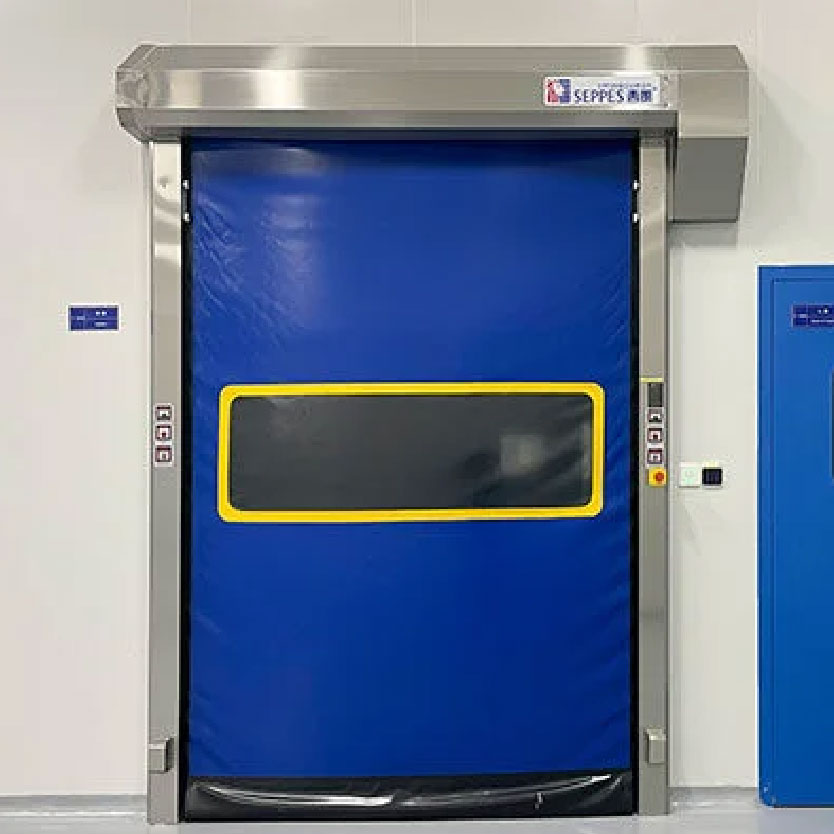
高速门 来源于 :SEPPES

High-speed fabric roll-up doors are a necessity for pharmaceutical manufacturing and research facilities, along with being a key component for meeting the cleanliness and operational standards for door systems in this industry. These doors further safety and hygiene standards for the industry by having very quick open and close speeds and staying open for a reduced time. Their fabric is specially constructed with chemical-resistant and easy-to-clean materials that meet the very important cleanliness standards in the pharmaceutical industry.

High-speed roll-up doors have advanced sealing technologies that ensure that the doors remain closed and are able to keep the controlled environments that are needed. This allows the doors to remain closed in order to allow the air lock doors to function. Also, the air lock system is an access-controlled air lock. Access control doors also have an auto-open feature that assists in the controlled access that speeds up traffic. Integration with Automated systems is a common feature that assists in improving the workflow by allowing for the functions of the doors to remain closed and is able to keep the controlled environments.

Some innovations include advanced safety sensors and self-repairing mechanisms. With the longevity and safety of both the doors and controlled environments, one of the best features is the ability to further comply with GMP for high-speed fabric roll-up doors for new and existing pharmaceutical manufacturing and research environments.

滑动门:单扇与双扇

制药洁净室专用门
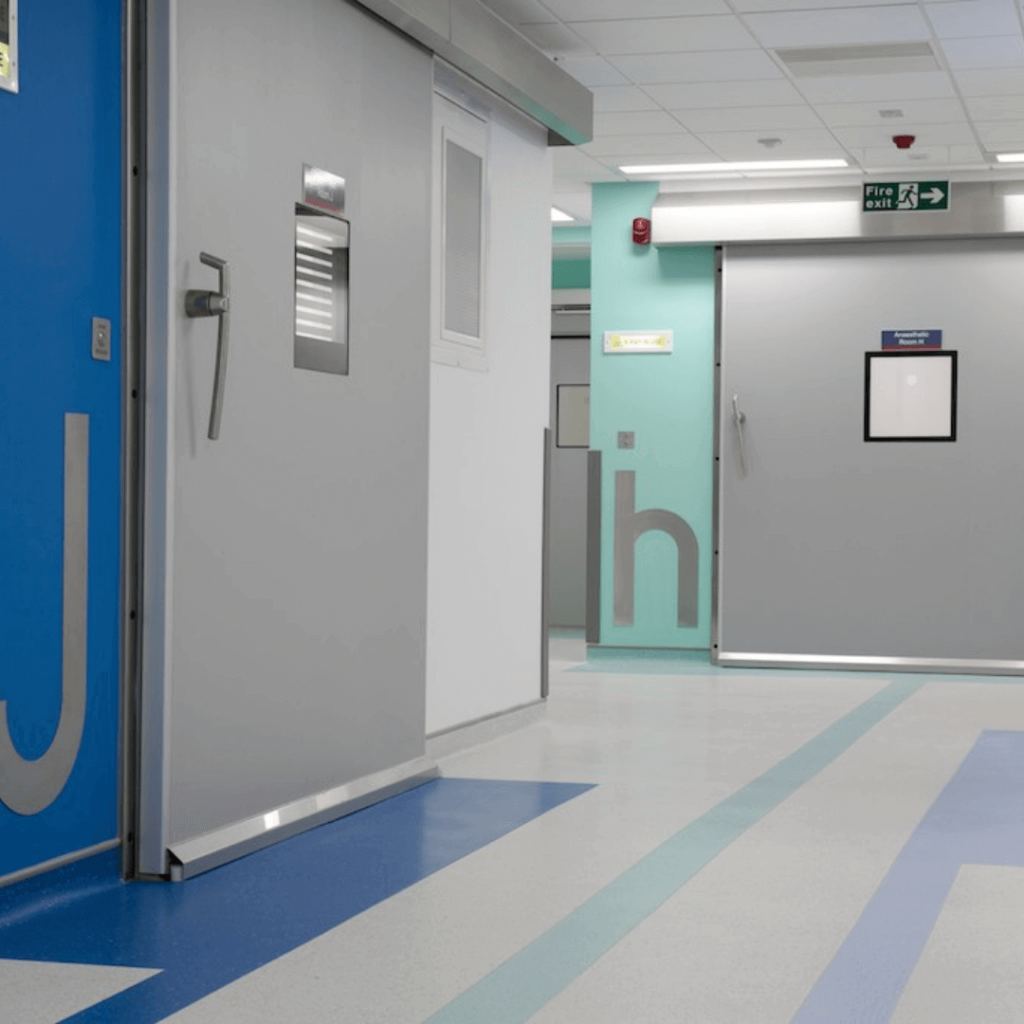
洁净室 推拉门 来源于 :SEPPES

Sliding doors and bi-parting doors are efficient and space-saving features in pharmaceutical facilities. These doors are designed for optimum functionality in areas where air circulation and contamination control are critical, making them ideal for cleanroom environments. For clean rooms and production areas, these doors provide smooth and quiet operation. Recent advancements include features such as automation and a hermetic seal for contamination control, as well as integration with access control for increased security. These doors are also built with antimicrobial materials to meet the safety standards and long-term performance. These doors are essential for modern pharmaceutical facilities as they streamline workflows, ensure long-term performance, and meet the standards for contamination control.

防火门与GRP门

工业钢门
GRP Doors 来源于 :SEPPES

Fire-rated and reinforced glass polyester (GRP) doors are important for pharmaceutical departments because they help the industry meet high standards for safety and cleanliness. Fire doors are important because they contain fire and smoke, which keeps emergency exits clear and minimizes damage to the sensitive equipment and materials inside the facility. Fire-rated doors are constructed to very strict standards and help the facility meet its risk mitigation and regulatory compliance.

GRP doors are also very important because they are very durable and their easy-to-clean nature helps fight the spread of contaminants. They are made from strong, easy-to-clean materials and are resistant to chemicals, moisture, and impact, making them suitable for areas with high standards for cleanliness and contamination control. GRP doors are also very transportable and strong, which helps them have the ideal performance in high-traffic areas.

If you combine GRP doors and fire-rated doors, you get a powerful combination for providing pharmaceutical facilities with safety and efficiency. Advanced international standards also help their reliability, making them very necessary for modern cleanrooms and laboratories.

技术创新与现代选择

免手动操作特性

In today’s pharmaceutical plants, it is extremely important to have a fully sterile and contamination-free environment. Touch-free operation features on clean room doors assist in achieving this. Features like motion sensors, proximity card readers, and foot-pedal door openers let employees enter a room without touching the door, further reducing the risk of contamination. The latest automation technology works perfectly with these features, providing easy and reliable operation.

Voice control systems and touchless control panels are also becoming more common. Increased fuel efficiency and hygiene are additional benefits of these systems. Smart sensors that detect and respond to a variety of movements have become extremely common in the doors of pharmaceutical and clean room facilities. These are the most recent technological advances and are designed to improve efficiency in clean rooms.

洁净室高级安全系统

Pharmaceutical clean room doors have advanced safety systems that protect both the environment being controlled and the personnel working in the clean room. Smart clean room doors feature automated interlocking systems that stop the simultaneous opening of several doors in an airlock, which helps in avoiding contamination. Other features, such as pressure-resistant seals and self-closing mechanisms, help the clean room doors maintain their air pressure and increase the chances of unfiltered particles entering the environment, thus lessening.

In addition, the smart clean room doors integrated monitoring systems include the tracking of parameters of temperature, humidity, and air quality in real time, which helps in the regulation of set standards. Fireproof doors with emergency release systems let cleanroom personnel evacuate safely during emergencies while protecting sensitive areas.These systems help optimize the operations of the clean room and help in meeting the standards of the pharmaceutical manufacturing industry by ensuring the doors meet regulatory requirements.

集成式泄漏率评级套装

Integrated leakage-rated packages help with the sterility and contamination control requirements found in new cleanroom doors for the pharmaceutical industry. Because packages create barriers to controlled environments with sterile air circulation, leakage packages can contain zones with particulate air pollutants. They utilize perimeter gaskets, compression seals, and self-closing door controls.

Recently developed packages can also provide electronic monitoring capabilities to record pressure changes. The smart features help to provide environmental monitoring and automated record keeping for compliance with ISO and GMP clean room standards. The packages can also be constructed with corrosion-resistant and stainless steel anodized aluminum for long-lasting performance.

The best cleanroom door solutions come from the combination of innovative materials and advanced engineering. The investment from the pharmaceutical industry in leakage-rated packages can be seen in improved safety, sustainability, and operational efficiency.

性能考量

运行速度与频率管理

Maintaining the cleanliness and safety of pharmaceutical clean rooms relies heavily on effectively managing cycle speed and frequency. Specifically, automatic clean room doors use high-speed opening and closing mechanisms, which reduce the time the doors stay open and minimize contamination opportunities. Moreover, high-speed motors and sophisticated controllers ensure reliable and consistent operation across many cycles, enhancing overall clean room safety and efficiency.

The spacing of open and closing cycles impacts door longevity. Increased or poorly timed cycles create counterproductive impacts on mechanical systems. To reduce these impacts, many cleanroom doors use programmable logic controllers (PLCs) that allow cycle customization. Automation then balances safety and cleanliness with speed and cycle time, ensuring door operation aligns with defined cleanliness requirements.

These technologies balance contamination control and operational efficiency, especially in sliding cleanroom doors that improve airflow management. ISO 14644 and Good Manufacturing Practices (GMP) standards guide the engineering of cleanroom doors and ensure full compliance. The above technologies also maintain or improve the level of cleanliness in the clean room and extend the operational life of the clean room door systems.

高流量区域的耐用性与可靠性

Because pharmaceutical cleanrooms often experience heavy traffic and frequent equipment movement, engineers can customize high-traffic cleanroom doors to deliver optimal performance. Designers combine materials such as aluminum, stainless steel, and composite materials to protect the door systems from wear and maintain long-term structural integrity and functionality. They can also use advanced sealing technology in order to provide an airtight seal to improve performance throughout the systems.

Certain systems cleanroom doors can use certain automated features along with different sensor technologies, in order to provide enhanced reliability and durability throughout the systems. These systems also contain different technologies that help in motor peace systems, in order to improve functionality within the different programmable control systems. Certain motor peace systems can help in repeated performances within the same durable systems and motor peace technologies. These technologies help in meeting the industry standards like the ISO 14644 and GMP standards to provide a safe sterile environment throughout the systems. These doors are provided with highly needed durable advanced technology to provide a reliable, long-lasting performance within the clean room doors for busy facilities.

维护与使用寿命因素

Pharmaceutical clean room doors have to be able to perform correctly, and to do that, require regular maintenance. These doors also have to follow strict operational and cleanliness standards. Routine inspections are able to recognize wear and tear on seals, hinges, and other parts that are crucial to ensuring the sterility of the room. Advanced materials like stainless steel are essential to the lifespan of the doors, and they stand up to the cleaning and sanitization processes.

Also, many smart technologies have integrated into clean room doors, such as programmable logic controllers (PLCs) and automated monitoring systems. These technologies allow monitoring of the doors to see how well they are working and to determine when maintenance is needed. This allows facilities to fix small problems to prevent larger problems and lessen the amount of time that the door goes unrepaired, along with the costs of the repairs. Technologies such as self-lubricating parts also reduce the amount of attention that the doors require.

The combination of all of these factors, along with the modern automation and careful proactive maintenance strategies, makes clean room doors the best long-term option for demanding clean room environments in the pharmaceutical manufacturing field.

选择与安装的最佳实践

评估特定应用需求

Optimum pharmaceutical clean room doors should also comply with industry regulations to be operationally efficient. Industry regulations primarily depend on the type of clean room, the needed cleanliness, and the volume of workflow. The performance of the doors is especially important because the ISO Class system worldwide is the most used in rating the levels of cleanliness and circulation of particulate matter.

The circulation of particulate matter in the clean room will be determined by the construction and material of the door. The construction and material should also be able to resist the chemical cleaning agents used in the pharmaceutical industry to keep the environment clean. To maintain the starnal pressure and to prevent contamination, high-performance sealing mechanisms are needed on the doors. The volume in which clean room doors are used should also be considered. For heavy-duty use areas, clean room doors with beta automated sliding features, or rapid roll-up doors are the most suggested in order to minimize the exchange of air.

The newly available option of smart monitoring systems provides control and the ability to record and trace data to maintain hygiene and save energy. For improved operational results, the integrated clean room doors should be combined with the recommendations followed in the clean room design and the FDA GMP guidelines.

与现有洁净室系统的集成

Pharmaceutical clean-room doors work seamlessly with the existing clean-room systems.This step ensures that the doors meet operational standards and deliver optimal performance. The doors work in coordination with HVAC and air pressure control systems to reduce contamination risks and keep all systems operating within defined parameters. Modern automation technology provides the capability of clean room doors to obtain and workflow with existing systems. For example, automated pressure-sealing systems that respond to pressure differential ensure that the level of air cleanliness is contained, particularly in sliding cleanroom doors.

In addition, the latest cleanroom doors are designed to work with prescriptive control systems that use a combination of biometrics and RFID for access control to improve the security and control of contamination. Productivity and security are the major driving factors for monitoring access control systems with smart IOT systems that the pharmaceutical industries are switching to. Real-time monitoring and reporting of door movement, environmental parameters, and systems status and performance greatly improve productivity, along with reducing security risks. This also greatly helps to maintain the ISO 14644, the Good Manufacturing Processes (GMP), and other complementary legislations. Also, Energy productivity is highly maintained to ensure the optimum productivity of clean room systems.

根据压力与尺寸需求进行定制

Pharmacies are built with very precise pressure differentials and size spec details. This leads to the highly clean and controlled environments necessary in these types of rooms. Doors also handle high pressure differentials, preventing air from escaping or entering cleanrooms. High-grade, pressure-specific gaskets and seals actively regulate pressure levels, control airborne contaminants, and maintain stable internal conditions.

Cleanroom doors can also accommodate different size requirements. Manufacturers offer these doors as standard single-leaf, larger double-leaf, or sliding designs. New features now enable high-speed operation, improving efficiency while further reducing the risk of air contamination. These features, along with the differentials and the solid ability to meet international standards, create a clean room door that is highly adaptable to the differentials of the pharmaceutical industry.

案例研究与客户评价

制药洁净室专用门
Pharmaceutical Clean Room Doors Case 来源于 :SEPPES

合规达成的实际案例

Let’s take a look at a leading biotech company’s clean room doors, which feature advanced airtight seals and high-speed operations. To help meet ISO 14644 standards for air cleanliness and protect workflow efficiency, the company engineered a tailored solution. As a result, they achieved a 25% reduction in particulate air contamination and observed a noticeable increase in the sterility of their products, demonstrating how improving clean room doors can directly enhance operational outcomes.

Another example is a global pharma company that replaced some of its cleanroom modules with fully automated seamless modular cleanroom doors and integrated them into its workflow systems.These doors meet the EU and FDA’s cGMP modular cleanroom specifications. After installing them, the company reduced product release times and increased the number of inspection approvals per period.

In addition, a mid size pharma company was able to improve compliance and sustain a global safety. These examples illustrate that the modern cleanroom door solution can achieve and exceed operational excellence in the pharma industry.

客户对卫生与可靠性的反馈

The clients have highlighted the need for hygiene and reliability, and the customers appreciate the praise. Innovations like seamless design with antimicrobial coatings were able to seal the threat of contamination and maintain sterility for the important processes. Modern cleanroom doors also receive appreciation for being durable and performing the best to reduce maintenance and operational disruptions.

The latest safety and hygiene measures are sealed with the latest in automation technology. They shut on their own. The reports say customers like these the best because they are aligned with the ISO 14644 and GMP requirements. The customers state they have a demand for no contact/ touch operation. This also increases the cleanliness of the controlled environment. There are reports from the pharmaceutical industry about the flexibility of solutions integrating with the requirements of the industry, keeping it reliable and compliant.

结论

选择合适洁净室门的重要性

Choosing the right cleanroom door is crucial for maintaining the cleanroom’s functionality, efficiency, and compliance. A quality door helps with contamination control, energy efficiency, durability, and workflow within the pharmaceutical and other sensitive industries. Here are five important factors to keep in mind when selecting a cleanroom door:

污染控制

Cleanroom doors with airtight seals ensure that no outside particulates and contaminants enter the cleanroom, maintaining air quality in compliance with the ISO 14644 standard. Well-sealed doors are statistically proven to reduce particulate infiltration by 98%.

材料耐久性

Cleanroom doors constructed with durable materials such as stainless steel and high-pressure laminate are corrosion and chemical-resistant as well as resistant to wear and tear from frequent cleaning. The durable materials not only increase the lifespan of the door but also decrease repair, maintenance, and replacement costs.

易于维护

Maintenance and repair are also important in the design of modular cleanroom doors. Many cleanroom doors come with empty horizontal channels that are pre-engineered for easy cleaning. Lower maintenance designs increase efficiency and reduce downtime.

能源效率

Some cleanroom doors help control energy costs and are energy efficient. Doors that automatically open and close or have a rapid door cycle help control the air exchange of the cleanroom, allowing for stable environmental conditions. Stable conditions require less frequent adjustments from the HVAC system.

非接触式操作的优势

The use of advanced clean room doors with touchless automation minimizes the risk of physical contact and the risk of cross contamination. These doors are maximally hygienic. Touchless systems can improve workflow while reducing contamination levels by 60% based on studies!

Choosing the right cleanroom door does more than shield delicate operations; it also meets regulatory requirements and creates an overall safer and better working atmosphere.

行动呼吁:咨询专家以满足您的制药洁净室门需求

Some important aspects must be taken into consideration when choosing your clean room doors, as your doors will ultimately be fitted to your primary needs as a business. Due to the importance of these aspects, the assistance of a professional is helpful. Here are some of the contributions that come with the assistance of a professional:

个性化设计修改

Having an industry professional design your clean room doors allows for adjustments to be made to the size, the materials, and the regulatory structures to be cohesive with the needs of your business.

法规协助

Professionals in the clean room industry help your business adhere to the various regulations set out by the FDA, GMP, and ISO.

最佳材料选择

Professionals will help choose the best materials for your situation, such as stainless steel, specialty coatings, and other materials that resist contamination, corrosion, and chemical reactions.

节能成本建议

Professionals sometimes recommend the use of automation with your doors’ opening/closing function in order to save energy, along with other functions that are tailored to your needs.

可持续洁净室门

Professionals give your business a plan to sustain the clean room doors and a plan to sustain the efficiency of the doors over the course of the business’s use.

Risk is reduced and time is saved with the help of industry professionals, which leads to the best quality clean room doors designed for your business’s use. Contact your professionals today.

常见问题 (FAQ)

洁净室门:制药洁净室门的基本特性有哪些?

Doors in pharmaceutical cleanrooms follow strict cleanroom specifications and cGMP guidelines and incorporate nearly airtight seals, smooth chemically resistant panels, and integrated sealing systems to maintain room pressure. Manufacturers use cleanroom-compatible materials such as stainless steel and coated panels, often adding tempered glass windows and automatic or manual operation options to support reliable performance in pharmaceutical and other controlled environments.

洁净室门设计:洁净室门设计选择如何影响污染控制?

The design of clean room doors directly influences the effectiveness of pharmaceutical contamination control as they limit the generation of undesirable particles and the seepage of cleanroom air. Certain design features, such as sliding bi-parting doors and high-performance doors, allow the combination of tight seals and strong door frames to decrease the level of contamination during traffic. Properly designed doors will maintain an almost airtight seal, preserve differential pressure, and comply with cleanroom specifications for pharmaceutical and other clean environments.

门解决方案:针对不同洁净室等级,何种门解决方案最为理想?

洁净室门的选择取决于洁净等级及相关工艺需求。针对高速洁净室门、洁净室卷帘门以及减少空气交换的高性能门,ISO行业标准及制药领域的要求更为严格。在空间与人员流动方面,平开门、推拉门、预装门及对开门同样适用。门类制造商会提供洁净室门的选型规范,确保在符合药品生产质量管理规范(cGMP)门类指南的同时,最优化适配洁净室运行需求。.

门体样式:制药洁净室最常采用哪些门体样式?

最常见的洁净室门类型包括平开门、洁净室推拉门、卷帘门及对开门。在需最大限度减少空气扰动的场景中,洁净室推拉门与洁净室卷帘门被广泛使用。对于联锁通道或人员进出区域,平开门是理想选择。在高频作业及物料传输区域,高速洁净室卷帘门与专用门最为适用。许多门体采用钢化玻璃设计,在保持卫生的同时确保可视性。.

门体操作方式:自动洁净门相较于手动及自动可选方案具备哪些优势?

洁净室门的污染风险极低,其还能提升操作效率及卫生标准合规性。这类门可选择手动或自动模式。自动门(包括高速洁净室门)能更好地控制压差并实现快速启闭,而手动或触板式洁净室门适用于低风险区域。这些门体均配备消防安全功能及适用于常规制药操作的联锁装置。.

受控环境:洁净室门如何帮助维持室内压力与环境控制?

门体对于维持压力控制至关重要,其结构设计可有效防止泄漏。房间压力通过门框精密密封系统得以保持。快速启闭门与高性能压力无菌门能最大限度减少开门时的压力变化,从而提升洁净室运行效率。正确的门体规格、知名制造商的安装服务以及恰当的洁净室门选型,共同保障制药与洁净室受控环境的稳定性。.

气密性:洁净室门具备近乎气密的密封特性意味着什么?其重要性何在?

门体密封条、垫片及重叠式门板能最大限度减少区域间的空气交换。这有助于控制颗粒物与微生物污染、维持压差并支持cGMP规范。门板采用易清洁、耐化学腐蚀的一体化密封设计,确保卫生性与耐久性,完全符合制药设施的洁净室兼容要求。.

卫生性:卫生级门体材料与表面处理如何提升洁净室性能?

采用钢化玻璃、不锈钢框架及高分子涂层门板等卫生级材料,有助于降低微生物感染风险并简化清洁消毒流程。门体设计注重光滑无缝的边缘处理与耐化学表面涂层,最大限度减少缝隙与凹槽,确保清洁规程与操作程序得以严格执行。这种设计减少了制药操作中的潜在污染点,更便于清洁验证方案的执行,从而支持制药与洁净室的合规要求。.

高性能门类:高性能门与高速洁净门有何区别?分别适用于哪些场景?

高性能门重点关注耐久性、隔离性与密封完整性,通常用于需要严格环境控制的区域。高速洁净室门专为快速循环设计,通过缩短开门时间适应高流量区域或物料传输区。两类门体均可采用自动或手动模式,并具备推拉、对开或卷帘等开启方式。为平衡洁净室要求与房间压力,门体制造商会根据制药应用场景的特殊需求定制产品规格。.

参考资料

  1. 制药行业洁净室分级标准
    点击此处阅读论文
  2. 干细胞技术与再生医学洁净室及暖通空调设施的设计、安装与调试
    点击此处阅读论文
  3. 微生物洁净室污染控制挑战的应对:近期研究启示
    点击此处阅读论文

发表评论

您的邮箱地址不会被公开。 必填项已用 * 标注

滚动至顶部