
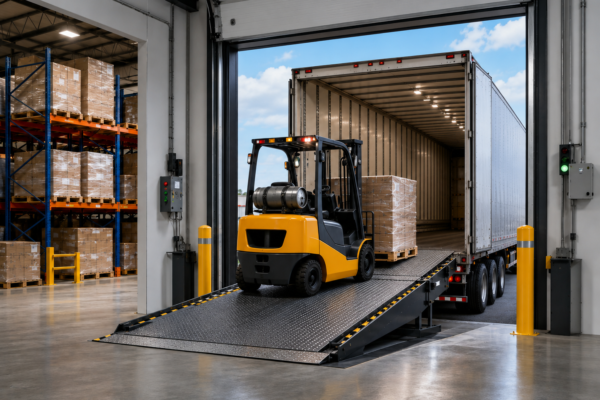
A poziomica dokowa Łączy dwie powierzchnie, które zasadniczo się różnią: stałą posadzkę magazynu i pojazd, który może zmieniać wysokość, poruszać się nieoczekiwanie lub opuścić pozycję załadunkową.
Za każdym razem, gdy wózek widłowy przekracza to przejście, poziomnica najazdowa musi podtrzymywać pojazd i jego ładunek, zapewniając jednocześnie bezpieczną drogę między budynkiem a naczepą.
Z tego powodu bezpieczeństwo rampy załadunkowej nie polega wyłącznie na wyborze platformy o wystarczającej nośności. Kupujący muszą również uwzględnić ruch platformy, odporność na poślizg, zagrożenia związane ze zgnieceniem i ścinaniem, ruch naczepy, bezpieczeństwo konserwacji, systemy sterowania oraz przepisy obowiązujące na rynku docelowym.
Dla międzynarodowych nabywców może to stać się skomplikowane.
Projekty europejskie często odwołują się do EN 1398, podczas gdy obiekty w USA muszą uwzględniać wymagania OSHA. Nabywcy w USA mogą również napotkać ANSI MH30.1, standard konsensusowy dotyczący specjalnie urządzeń do poziomowania ramp.
Otoczenie regulacyjne również wchodzi w ważny okres przejściowy. EN 1398:2009 jest obecnie wymieniona przez BSI jako “Current, Under Review” (aktualna, w przeglądzie),” podczas gdy unijne Rozporządzenie maszynowe (UE) 2023/1230 będzie miało zastosowanie od 20 stycznia 2027 r.
Co więc te normy faktycznie oznaczają i co powinien sprawdzić nabywca przed zamówieniem poziomnicy najazdowej?
Przełącz
ToggleDlaczego bezpieczeństwo rampy załadunkowej ma znaczenie
Rampa przeładunkowa jest jednym z najbardziej ruchliwych punktów styku w wielu magazynach i centrach dystrybucyjnych.
Typowy cykl załadunku może obejmować:
- cofanie ciężarówki w kierunku budynku;
- otwieranie bramy przemysłowej;
- wysunięcie rampy przeładunkowej na naczepę;
- wielokrotne wjeżdżanie i wyjeżdżanie wózków widłowych z pojazdu;
- przemieszczanie palet lub ciężkich produktów przez platformę;
- powrót rampy przeładunkowej do pozycji spoczynkowej;
- odjazd ciężarówki.
W trakcie tego procesu może dojść do kilku nieprawidłowości.
Naczepa może odsunąć się od rampy. Platforma może stać się śliska. Wózek widłowy może niewłaściwie zbliżyć się do krawędzi platformy. Rampa przeładunkowa może zostać uruchomiona przed prawidłowym ustawieniem pojazdu. Personel konserwacyjny może również być narażony na niebezpieczeństwo pod podniesioną platformą.
Dlatego bezpieczeństwo ramp przeładunkowych należy rozpatrywać jako część całego procesu załadunku w magazynie, a nie wyłącznie jako cechę jednego urządzenia przeładunkowego.
Czym jest EN 1398?
EN 1398:2009 to norma europejska zatytułowana:
Rampy przeładunkowe — Wymagania bezpieczeństwa
Określa ona wymagania bezpieczeństwa dotyczące projektowania, konstrukcji, instalacji, konserwacji i testowania ramp przeładunkowych oraz ich elementów bezpieczeństwa.
Norma ma zastosowanie do ramp przeładunkowych stosowanych jako drogi komunikacyjne między budynkami a pojazdami drogowymi lub wagonami kolejowymi, w tym do zastosowań obejmujących pieszych, ręcznie obsługiwany sprzęt transportowy oraz sprzęt napędzany, taki jak wózki widłowe.
Według BSI norma EN 1398 nie obejmuje niektórych innych typów urządzeń, w tym stołów podnoszących, wind najazdowych montowanych na pojazdach ani ramp przeładunkowych przeznaczonych do zastosowań morskich i lotniczych.
To rozróżnienie jest istotne, ponieważ rampy przeładunkowej nie należy automatycznie traktować jako tej samej kategorii produktu co hydrauliczny stół podnoszący lub inny typ platformy załadunkowej.
Jakie zagadnienia bezpieczeństwa obejmuje EN 1398?
EN 1398 obejmuje szereg zagrożeń związanych z rampami przeładunkowymi.
BSI wskazuje obszary obejmujące:
- nachylenia platformy;
- właściwości przeciwpoślizgowe;
- szerokość platformy;
- podparcie w pozycji spoczynkowej;
- zagrożenia związane z potknięciem;
- niepodparte pozycje robocze;
- niezamierzony ruch;
- zagrożenia związane ze zgnieceniem i ścinaniem;
- urządzenia wsporcze do konserwacji;
- widoczność podczas podnoszenia lub opuszczania rampy przeładunkowej.
Dla nabywców te wymagania techniczne można przełożyć na kilka praktycznych pytań.
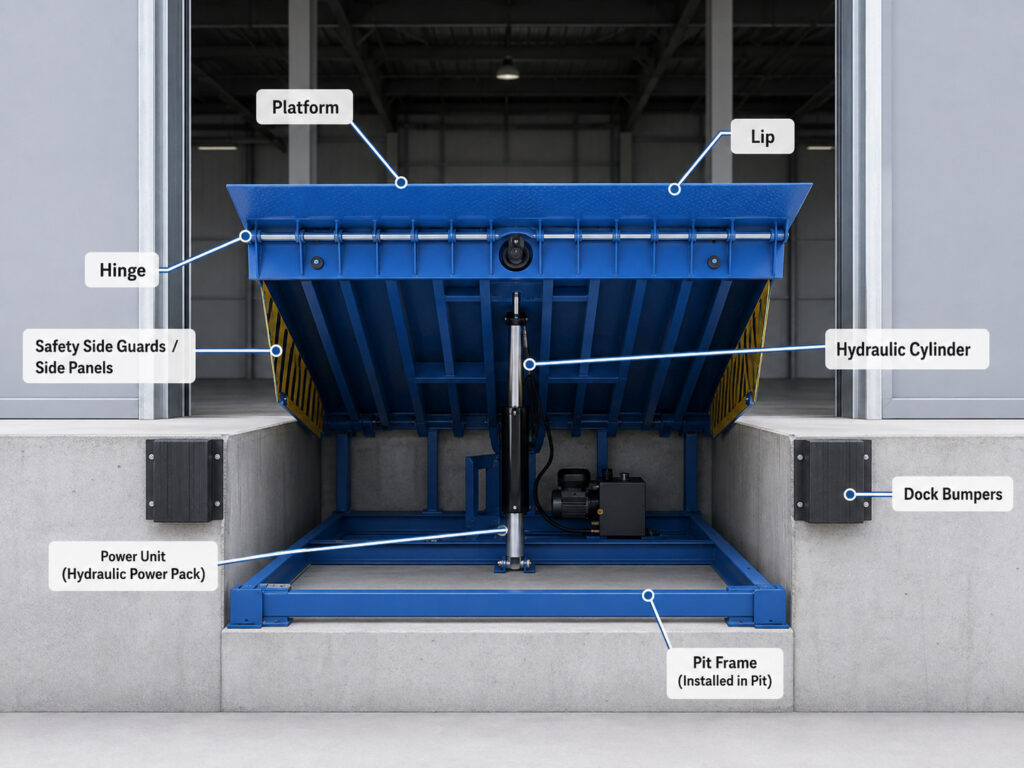
Czy platforma jest odpowiednia dla zamierzonego obciążenia?
Rampa przeładunkowa nie przenosi wyłącznie przewożonych towarów.
Podczas eksploatacji przez platformę przemieszcza się również sprzęt do obsługi materiałów, taki jak wózki widłowe.
Dlatego nabywcy powinni przekazać producentowi informacje obejmujące:
- masę wózka widłowego lub AGV;
- maksymalną masę ładunku;
- częstotliwość załadunku;
- konfigurację kół;
- warunki eksploatacji.
Dobór nośności wyłącznie na podstawie masy palety może nie odzwierciedlać rzeczywistych obciążeń działających na rampę przeładunkową.
Czy platforma może poruszyć się nieoczekiwanie?
Rampa przeładunkowa musi pozostawać pod kontrolą zarówno podczas pracy, jak i w stanie spoczynku.
Nieoczekiwany ruch platformy może narazić operatorów, kierowców wózków widłowych i personel konserwacyjny na poważne zagrożenia.
W przypadku hydraulicznych ramp przeładunkowych nabywcy powinni zrozumieć, jak system reaguje na sytuacje nieprawidłowe, takie jak utrata ciśnienia hydraulicznego lub zasilania.
Dokładna konstrukcja zabezpieczeń będzie zależeć od modelu rampy przeładunkowej i obowiązujących norm.
Czy konserwacja pod platformą jest bezpieczna?
Konserwacja często wymaga dostępu do podzespołów znajdujących się pod platformą.
Podniesiona rampa przeładunkowa wymaga zatem odpowiedniej metody podparcia mechanicznego podczas przeglądu lub serwisowania.
EN 1398 szczególnie uwzględnia urządzenia wsporcze do konserwacji.
Jest to ważna cecha, którą nabywcy powinni potwierdzić, zamiast zakładać, że samo ciśnienie hydrauliczne wystarcza do utrzymania platformy podczas konserwacji.
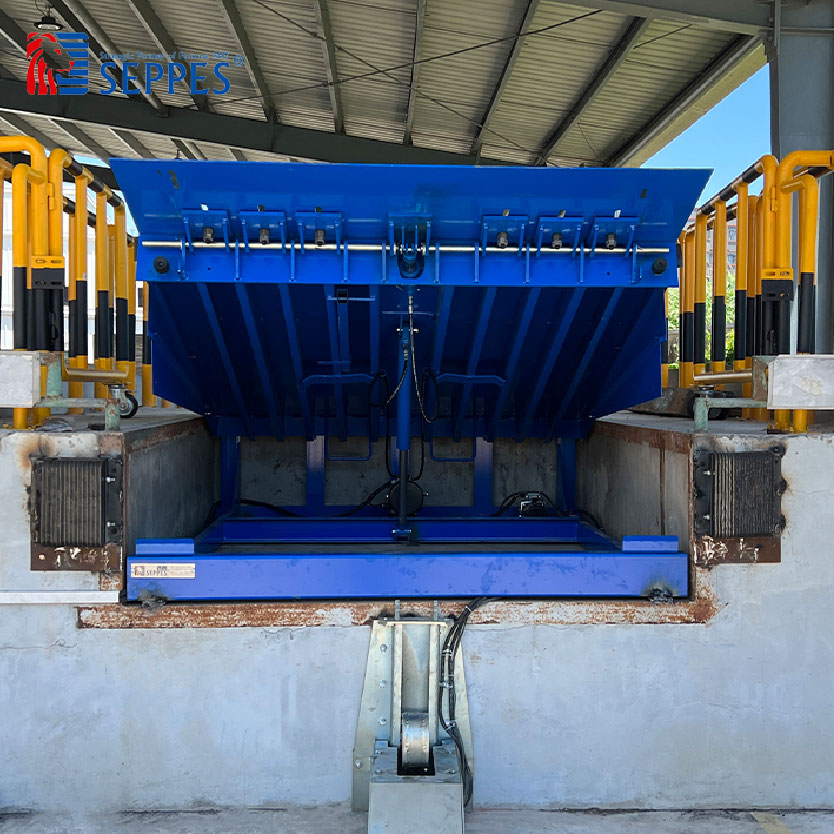
Czego OSHA wymaga w odniesieniu do poziomnic najazdowych?
The U.S. regulatory system approaches dock leveler safety differently.
OSHA does not use EN 1398.
Instead, requirements relevant to dock levelers appear within OSHA’s workplace safety regulations.
Under OSHA 29 CFR 1910.21, a “dockboard” is defined as a fixed or portable device that spans a gap or compensates for an elevation difference between a loading platform and a transport vehicle.
OSHA explicitly states that dockboards include bridge plates, dock plates and dock levelers.
This is important because OSHA 1910.26 therefore applies directly to equipment in this category.
OSHA 1910.26: Ważne wymagania, które kupujący powinni zrozumieć
OSHA 1910.26 contains several requirements that are particularly relevant to loading dock safety.
Maksymalne zamierzone obciążenie
OSHA requires dockboards to be capable of supporting the maximum intended load.
This reinforces an important procurement principle:
A dock leveler should be selected according to the actual operating load and application, not simply the nominal weight of the goods being transported.
Ochrona przed zjechaniem pojazdów z krawędzi
For dockboards initially placed into service on or after January 17, 2017, OSHA generally requires them to be designed, constructed and maintained to prevent transfer vehicles from running off the dockboard edge, unless the employer can demonstrate that there is no such hazard.
This becomes particularly important for facilities using forklifts frequently.
Zapobieganie ruchowi pojazdów
One of the most significant loading dock risks has little to do with the dock leveler itself:
the truck can move.
OSHA requires measures such as wheel chocks, sand shoes or other appropriate means to prevent a truck, semi-trailer, trailer or rail car from moving while employees are using the dockboard.
This is why truck dock safety should be evaluated together with dock leveler safety.
A correctly designed platform cannot create a safe bridge if the vehicle unexpectedly moves away from it.
Przenośne pomosty przeładunkowe
OSHA also contains specific requirements for portable dockboards, including securing them against movement and providing handholds or another means for safe handling.
Not every provision applies identically to a permanently installed hydraulic dock leveler and a portable dock plate, so buyers should distinguish between the different equipment types when evaluating OSHA requirements.
EN 1398 vs OSHA: To nie są wymagania tego samego typu
One of the most common misunderstandings in international procurement is treating EN 1398 and OSHA as equivalent product standards.
They are not.
| Topic | EN 1398 | OSHA |
|---|---|---|
| Main market | Europy | Stany Zjednoczone |
| Main purpose | Dock leveller safety standard | Workplace safety regulation |
| Dock leveler design | Major focus | Certain requirements apply |
| Installation and use | Addressed | Addressed |
| Maksymalne zamierzone obciążenie | Addressed through product design requirements | Explicit requirement |
| Vehicle movement | Part of wider loading safety | Explicit workplace requirement |
| Employer obligations | Not the primary purpose | Major focus |
| CE conformity framework | Relevant in EU | Not applicable |
| Legal nature | European standard | U.S. regulation |
The practical lesson for buyers is simple:
A supplier saying that a dock leveler “meets European standards” does not answer whether it is suitable for a U.S. project.
Likewise, following OSHA workplace requirements does not automatically demonstrate conformity with EN 1398.
The destination market should be identified before the equipment is specified.
Czym jest ANSI MH30.1-2022?
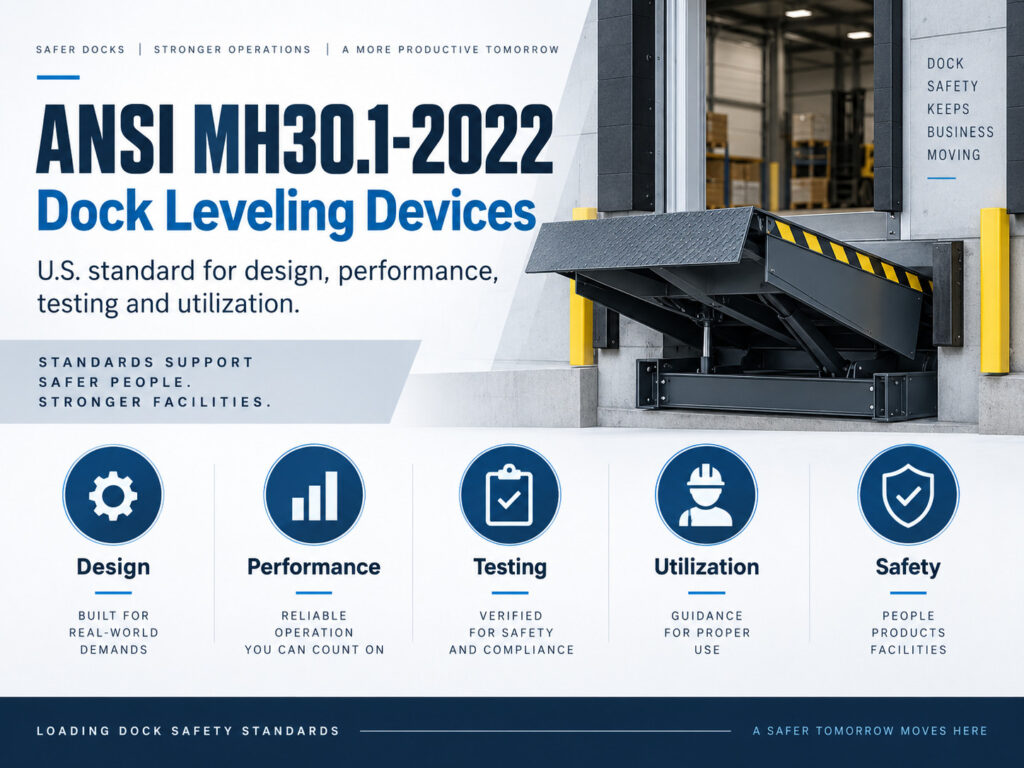
U.S. buyers may also encounter:
ANSI MH30.1-2022 — Performance and Testing Requirements for Dock Leveling Devices.
The standard is published through the Material Handling Industry and provides guidance for designers, manufacturers, sellers, installers, owners, users and governing bodies.
It addresses the design and testing of dock leveling devices and provides a uniform basis for comparing their performance. The 2022 version revises ANSI MH30.1-2015.
This creates an important three-part distinction:
EN 1398
European dock leveler safety standard.
OSHA
U.S. workplace safety requirements.
ANSI MH30.1
U.S. consensus standard specifically addressing dock leveling device performance and testing.
ANSI MH30.1 is therefore much closer to a product-specific dock leveler standard than OSHA itself.
Dlaczego lata 2026–2027 są ważne dla europejskich nabywców
European machinery legislation is approaching an important transition.
Regulation (EU) 2023/1230 on machinery will apply from January 20, 2027 and will replace Directive 2006/42/EC.
This is particularly relevant for buyers whose dock equipment projects will be manufactured, imported or placed on the EU market around or after that date.
There is another important development.
The European Commission’s machinery harmonised-standards page currently explains that January 20, 2027 may appear as the end of legal effect for standards referenced under the existing Machinery Directive because that directive will be repealed on that date.
The Commission also says that a new list of harmonised standards under the Machinery Regulation is being prepared and is expected before the end of 2026, with the vast majority of standards currently cited under the Machinery Directive expected to feature in the new list.
That makes 2026 a particularly important year for procurement teams.
For a project scheduled for 2027, buyers should not simply copy the compliance requirements from an older purchase specification.
Instead, verify the applicable legislation and the current harmonised-standard references when the equipment is placed on the market.
Czy EN 1398 jest nadal aktualna?
As of September 2026, BSI lists BS EN 1398:2009 as:
Current, Under Review.
The standard was also included in the EU harmonised machinery standards list consolidated through May 15, 2026.
However, because the European machinery framework is transitioning to Regulation (EU) 2023/1230, buyers planning future EU projects should verify the latest Official Journal references rather than assuming that the regulatory status will remain unchanged.
This is especially important for:
- European importers;
- distributors;
- warehouse developers;
- logistics contractors;
- manufacturers purchasing machinery from outside the EU.
Czy EN 1398 automatycznie oznacza zgodność z CE?
Not by itself.
European harmonised standards are generally voluntary technical means of demonstrating conformity with applicable legal requirements.
The European Commission explains that manufacturers may use another technical solution, but they must still demonstrate compliance with mandatory legal requirements.
Therefore, asking:
“Is the dock leveler EN 1398?”
is useful, but incomplete.
A better procurement question is:
“Which legislation and standards apply to this dock leveler in the destination market, and what conformity documentation will be supplied?”
Buyers should review the complete documentation relevant to the project rather than relying on a single standard number or a CE logo.
7 zagrożeń bezpieczeństwa rampy załadunkowej, które kupujący powinni ocenić
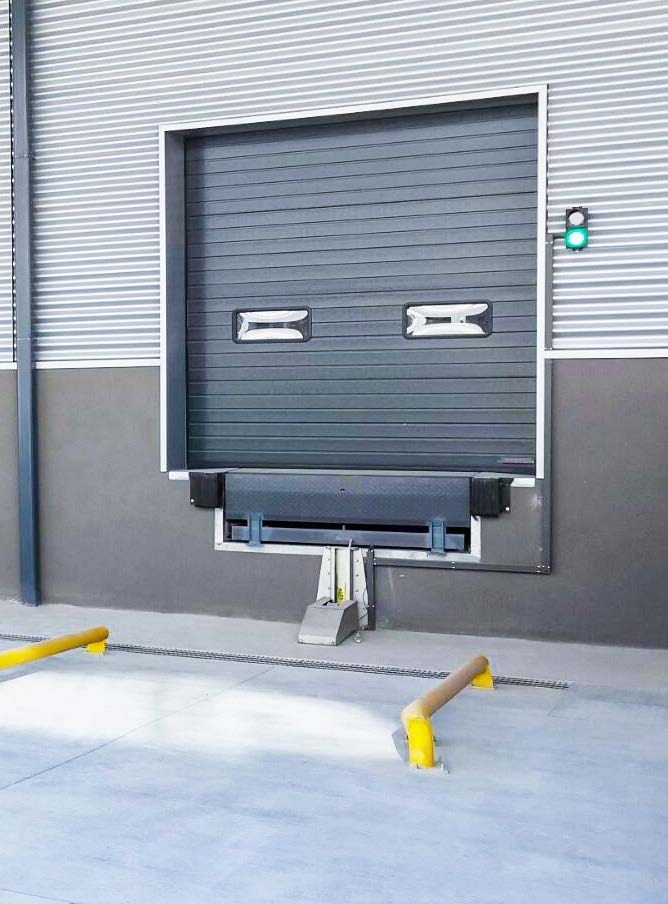
Standards are easier to understand when they are connected to real operating risks.
1. Niewystarczająca nośność
A platform must support the intended material-handling operation.
Consider the forklift or AGV, cargo, operating frequency and loading conditions when selecting the dock leveler.
2. Ruch naczepy
If a trailer moves away while a forklift is entering or leaving, a dangerous gap can develop between the vehicle and the loading dock.
Vehicle restraints, wheel chocks and clear operating procedures may form part of the loading dock safety strategy.
3. Nadmierne nachylenie platformy
Truck-bed heights vary.
A dock leveler that operates at an excessive angle may create problems for forklifts, pallet trucks or low-clearance AGVs.
Truck-bed height range and warehouse dock height should therefore be confirmed before selecting platform dimensions.
4. Śliskie powierzchnie
Loading docks may be exposed to rain, snow, ice, oil or other contaminants.
Platform surface design and housekeeping both influence slip resistance.
5. Punkty zgniecenia i ścinania
Moving platforms and lips create areas where hands, feet or other body parts may be exposed to injury.
Control location, side protection, warning labels and operating procedures should be considered together.
6. Niebezpieczna konserwacja
Working beneath a raised platform without appropriate mechanical support can create a serious hazard.
Maintenance supports should be used according to the equipment manufacturer’s instructions.
7. Nieprawidłowa sekwencja operacyjna
A dock leveler, industrial door and truck may all be individually functional while the overall loading sequence remains unsafe.
For example, the leveler should not normally be used against a vehicle that is not correctly positioned.
This is where interlocking and loading dock automation can improve process control.
Jak blokady pojazdów i sygnalizacja świetlna poprawiają bezpieczeństwo rampy
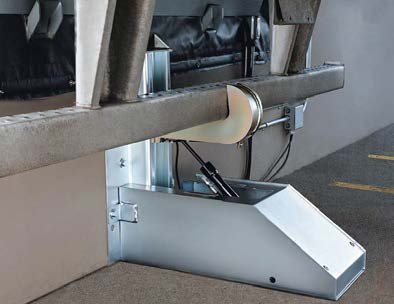
A modern warehouse loading dock may contain more than a dock leveler.
The complete system can include:
Ciężarówka
↓
Vehicle restraint
↓
Traffic light
↓
Przemysłowe drzwi
↓
Poziom dokowy
↓
Forklift or AGV
For example, an external red light can tell the driver not to move the truck while warehouse personnel are loading.
An internal signal can indicate whether loading is permitted.
Where appropriate, a vehicle restraint can be integrated into the operating logic.
A controlled sequence might be:
Truck correctly positioned
↓
Vehicle secured
↓
Loading permission confirmed
↓
Industrial door opens
↓
Dock leveler deploys
↓
Forklift enters trailer
This kind of system does not replace compliance, training or proper operating procedures.
It can, however, reduce reliance on operators remembering every step manually.
For automated warehouses, the door, dock leveler, vehicle restraint and PLC may also exchange status signals as part of a wider loading bay automation system.
Co kupujący powinni sprawdzić przed zamówieniem poziomnicy najazdowej
A useful purchasing specification should contain more than width and length.
Before requesting a quotation, collect the following information:
| Buyer should provide/check | Why it matters |
|---|---|
| Kraj docelowy | Determines applicable regulations and standards |
| Wysokość doku | Influences leveler working angle |
| Minimalna wysokość podłogi ciężarówki | Defines lower working range |
| Maksymalna wysokość podłogi ciężarówki | Defines upper working range |
| Waga wózka widłowego lub AGV | Important for capacity selection |
| Maksymalna waga ładunku | Part of intended operating load |
| Częstotliwość załadunku | Affects equipment selection |
| Szerokość i długość platformy | Must suit vehicles and material handling |
| Wymiary wnęki | Critical for installation |
| Vehicle types | Determines operating range |
| Warunki środowiskowe | Wet, cold or corrosive environments may require special consideration |
| Vehicle restraint/chock strategy | Reduces trailer movement risk |
| Typ drzwi | May affect loading sequence |
| Control requirements | Needed for interlocking and automation |
| Applicable standards | EN 1398, OSHA, ANSI or local requirements |
| Required documentation | Important for acceptance and compliance |
| Wymagania konserwacyjne | Supports long-term safe operation |
For a new warehouse, these questions should ideally be addressed during the design stage.
Correcting dock dimensions or control logic after construction is usually far more difficult than defining the requirements before equipment is ordered.
Bezpieczeństwo dotyczy systemu rampy załadunkowej, a nie tylko platformy
Modern loading docks increasingly combine several pieces of equipment:
- poziomnica rampy;
- industrial sectional door;
- dock shelter;
- vehicle restraint;
- sygnalizacja świetlna;
- sensors;
- control system.
This changes the way buyers should evaluate safety.
Instead of asking only:
“Is the dock leveler safe?”
ask:
“How does the complete loading bay behave during normal operation and abnormal conditions?”
Na przykład:
What happens if the truck is not present?
Can the leveler operate while the door is closed?
What happens if the vehicle begins to move?
How is a raised platform secured for maintenance?
Can the system communicate loading permission clearly to the driver and warehouse operator?
What happens after a power or control failure?
These system-level questions are increasingly important as warehouse safety and automation become more closely connected.
Wybór wyposażenia rampy załadunkowej do projektu międzynarodowego
For international buyers, the correct dock leveler is determined by three groups of requirements:
Wymagania aplikacyjne
Truck size, dock height, forklift type, cargo weight and operating frequency.
Wymagania bezpieczeństwa
Platform movement, slip resistance, maintenance support, trailer movement and the loading sequence.
Wymagania rynkowe
The regulations, standards and conformity documentation applicable in the destination country.
A buyer who considers all three areas is in a much stronger position than one who compares dock levelers only by rated capacity and price.
When requesting a loading dock solution, provide the manufacturer with:
- dock dimensions;
- zakres wysokości podwozia ciężarówki;
- specyfikację wózka widłowego lub AGV;
- wymaganą nośność;
- number of loading bays;
- destination country;
- control and automation requirements.
This allows the warehouse loading dock equipment to be evaluated according to the real application rather than selected from a generic specification.
Często zadawane pytania
Do czego służy EN 1398 w odniesieniu do poziomnic najazdowych?
EN 1398 is a European standard covering safety requirements for the design, construction, installation, maintenance and testing of dock levellers and their safety components. BSI currently lists EN 1398:2009 as current and under review.
Does OSHA apply to dock levelers?
Yes. OSHA 29 CFR 1910.21 specifically includes dock levelers within its definition of dockboards. Requirements in OSHA 1910.26 address matters including intended load, edge run-off protection, movement of transport vehicles and portable dockboard safety.
Czy OSHA jest amerykańskim odpowiednikiem EN 1398?
No. OSHA establishes legally enforceable workplace safety requirements, while EN 1398 is a European product safety standard for dock levellers. ANSI MH30.1-2022 provides U.S. performance and testing guidance specifically for dock leveling devices.
Czym jest ANSI MH30.1-2022?
ANSI MH30.1-2022 is a performance and testing standard for dock leveling devices. It provides guidance for manufacturers, designers, installers, owners and users and establishes a uniform basis for comparing dock levelers.
Czy EN 1398 jest obowiązkowa?
European harmonised standards are generally voluntary means of demonstrating conformity with mandatory legal requirements. Manufacturers may use other technical solutions, but they remain responsible for demonstrating compliance with applicable legislation.
Jakie zmiany czekają europejskie maszyny w 2027 roku?
Regulation (EU) 2023/1230 on machinery will apply from January 20, 2027 and replace the current Machinery Directive. The European Commission is preparing a new list of harmonised standards under the Regulation, making it important for buyers to verify the current requirements for projects entering the EU market in 2027.
Jakie informacje są potrzebne do wyboru bezpiecznej rampy przeładunkowej?
At minimum, provide the dock height, truck-bed height range, forklift or AGV weight, maximum cargo, loading frequency, platform dimensions, destination market and required safety or control functions.