
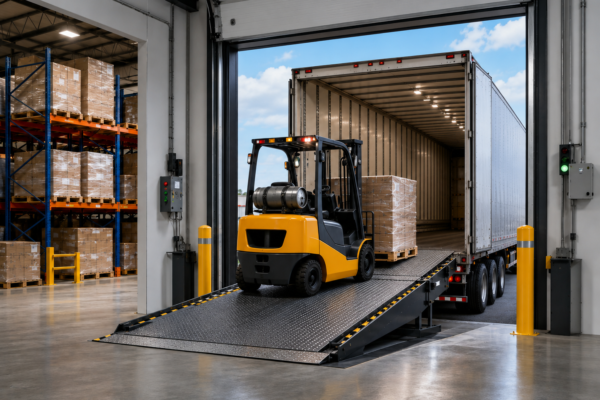
A 装卸平台调节板 连接两个本质上不同的表面:固定的仓库地面和可能改变高度、意外移动或离开装卸位置的车辆。.
每当叉车穿越该过渡区域时,登车桥必须在建筑与挂车之间维持安全通道的同时,支撑车辆及其载荷。.
因此,装卸货台安全不仅仅是选择具有足够承载能力的平台。采购方还需考虑平台移动、防滑性能、挤压和剪切危险、挂车移动、维护安全、控制系统以及目的市场适用的法规。.
对于国际采购方而言,这可能变得复杂。.
欧洲项目通常引用EN 1398,而美国设施必须考虑OSHA要求。美国采购方还可能遇到ANSI MH30.1,这是一项专门针对登车桥装置的共识标准。.
监管环境也正在进入一个重要过渡期。. EN 1398:2009目前被BSI列为“现行,审查中”,” 而欧盟机械法规 (EU) 2023/1230 将于2027年1月20日起适用。.
那么这些标准究竟意味着什么,采购方在订购登车桥之前应检查什么?
目录
切换装卸货台安全为何重要
装卸货台是许多仓库和配送中心中最繁忙的交接界面之一。.
一个典型的装卸循环可能包括:
- 卡车向建筑物倒车;;
- 工业门开启;;
- 登车桥展开至拖车上;;
- 叉车反复进出车辆;;
- 托盘或重型产品通过平台移动;;
- 登车桥返回其存放位置;;
- 卡车驶离。.
在此过程中可能出现多种问题。.
拖车可能偏离装卸货台。平台可能变得湿滑。叉车可能以不正确的方式接近平台边缘。登车桥可能在车辆未正确就位之前被操作。维护人员也可能暴露在升起平台下方的危险之中。.
这就是为什么登车桥安全需要作为整个仓库装卸流程的一部分来考虑,而不仅仅是作为某一台装卸设备的功能特性。.
什么是EN 1398?
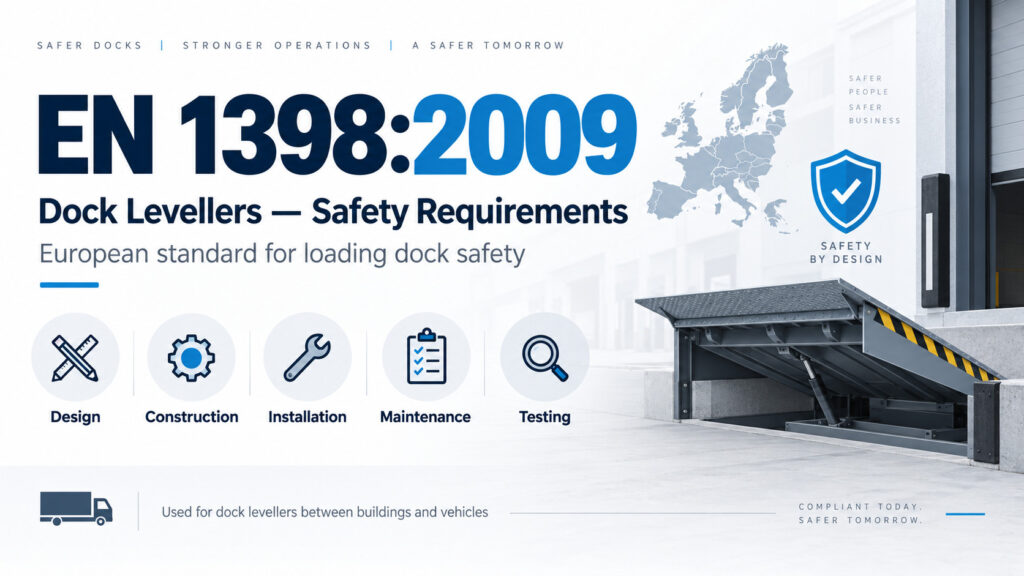
EN 1398:2009 是欧洲标准的标题:
登车桥——安全要求
该标准规定了与登车桥及其安全组件的设计、构造、安装、维护和测试相关的安全要求。.
该标准适用于用作建筑物与道路车辆或铁路货车之间通行路径的登车桥,包括涉及行人、手动操作运输设备以及动力设备(如叉车)的应用场景。.
根据BSI,EN 1398不涵盖某些其他类型的设备,包括升降台、车载尾板,或用于船舶和航空应用的登车桥。.
这一区分很重要,因为登车桥不应被自动视为与液压升降台或其他类型装卸平台相同的产品类别。.
EN 1398涉及哪些安全问题?
EN 1398涵盖了与登车桥相关的多种危险。.
BSI确定了以下方面:
- 平台坡度;;
- 防滑性能;;
- 平台宽度;;
- 存放位置的支撑;;
- 绊倒危险;;
- 无支撑的操作位置;;
- 意外移动;;
- 挤压和剪切危险;;
- 维护支撑装置;;
- 登车桥升起或下降时的可见性。.
对于采购方而言,这些技术要求可以转化为几个实际问题。.
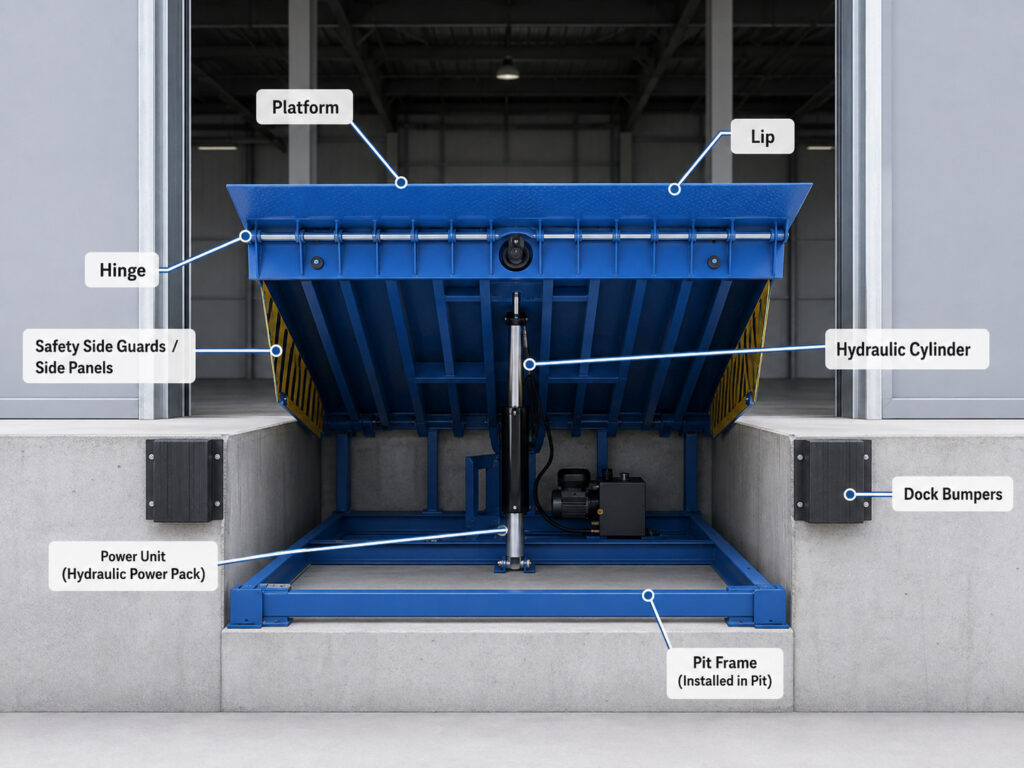
平台是否适用于预期载荷?
登车桥不仅承载被运输的货物。.
在操作过程中,叉车等物料搬运设备也会在平台上行驶。.
因此,采购方应向制造商提供以下信息:
- 叉车或AGV的重量;;
- 最大货物重量;;
- 装卸频率;;
- 车轮配置;;
- 操作条件。.
仅根据托盘重量选择承载能力可能无法反映登车桥所承受的实际需求。.
平台是否会意外移动?
登车桥在操作和存放期间都必须保持受控状态。.
平台的意外移动可能使操作人员、叉车司机和维护人员面临严重危险。.
对于液压登车桥,采购方应了解系统如何应对异常情况,例如液压压力损失或断电。.
确切的安全设计将取决于登车桥型号和适用标准。.
平台下方的维护是否安全?
维护通常需要进入平台下方的组件。.
因此,升起的登车桥在检查或维修期间需要适当的机械支撑方式。.
EN 1398专门涉及维护用支撑装置。.
这是采购方应确认的重要特性,而不是假设仅靠液压压力就足以在维护期间保持平台。.
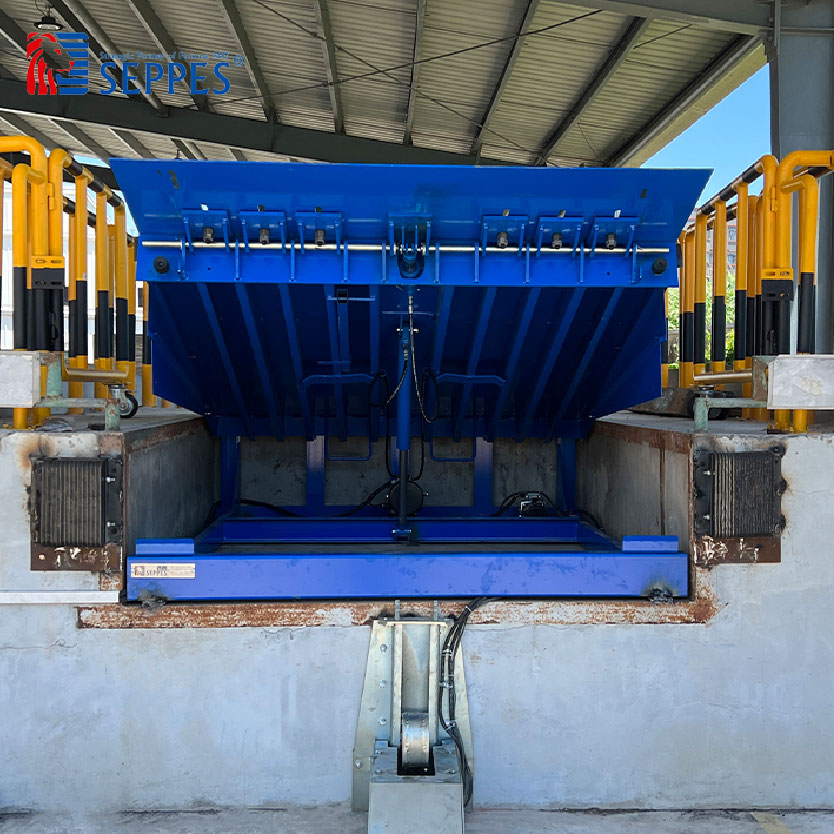
OSHA对登车桥有何要求?
美国监管体系对登车桥安全的处理方式有所不同。.
OSHA不使用EN 1398。.
相反,与登车桥相关的要求在OSHA的工作场所安全法规中有所规定。.
根据 OSHA 29 CFR 1910.21, ,“登车板”定义为跨越间隙或补偿装卸平台与运输车辆之间高度差的固定或便携式装置。.
OSHA明确指出,登车板包括桥板、登车板和登车桥。.
这一点很重要,因为OSHA 1910.26因此直接适用于此类设备。.
OSHA 1910.26:采购方应了解的重要要求
OSHA 1910.26 包含若干与装卸货台安全特别相关的要求。.
最大预期载荷
OSHA要求登车板能够承受最大预期载荷。.
这强化了一项重要的采购原则:
登车桥应根据实际运行载荷和应用场景来选择,而不仅仅是根据所运输货物的标称重量。.
防止车辆从边缘驶出
对于2017年1月17日或之后首次投入使用的登车板,OSHA通常要求其设计、构造和维护能够防止运输车辆从登车板边缘驶离,除非雇主能够证明不存在此类危险。.
这对于频繁使用叉车的设施尤为重要。.
防止车辆移动
装卸货台最重大的风险之一与登车桥本身关系不大:
卡车可能移动。.
OSHA要求采取车轮挡块、防滑靴或其他适当措施,防止卡车、半挂车、拖车或铁路车厢在员工使用登车板时发生移动。.
这就是为什么卡车装卸货台安全应与登车桥安全一并评估。.
如果车辆意外驶离,即使设计正确的平台也无法形成安全的过渡桥。.
便携式登车板
OSHA还对便携式登车板有具体要求,包括将其固定以防移动,以及提供把手或其他安全搬运方式。.
并非每项规定都同等地适用于永久安装的液压登车桥和便携式登车板,因此买方在评估OSHA要求时应区分不同的设备类型。.
EN 1398与OSHA:它们不是同一类型的要求
国际采购中最常见的误解之一是将EN 1398和OSHA视为等同的产品标准。.
它们并非如此。.
| 主题 | EN 1398 | OSHA |
|---|---|---|
| 主要市场 | 欧洲 | 美国 |
| 主要目的 | 登车桥安全标准 | 工作场所安全法规 |
| 登车桥设计 | 主要关注点 | 某些要求适用 |
| 安装和使用 | 已涵盖 | 已涵盖 |
| 最大预期载荷 | 通过产品设计要求涵盖 | 明确要求 |
| 车辆移动 | 属于更广泛的装卸安全范畴 | 明确的工作场所要求 |
| 雇主义务 | 非主要目的 | 主要关注点 |
| CE合格评定框架 | 在欧盟适用 | 不适用 |
| 法律性质 | 欧洲标准 | 美国法规 |
对买方的实际启示很简单:
供应商声称登车桥“符合欧洲标准”并不能回答它是否适合美国项目。.
同样,遵守OSHA工作场所要求并不自动证明符合EN 1398。.
在确定设备规格之前,应先确定目标市场。.
什么是ANSI MH30.1-2022?
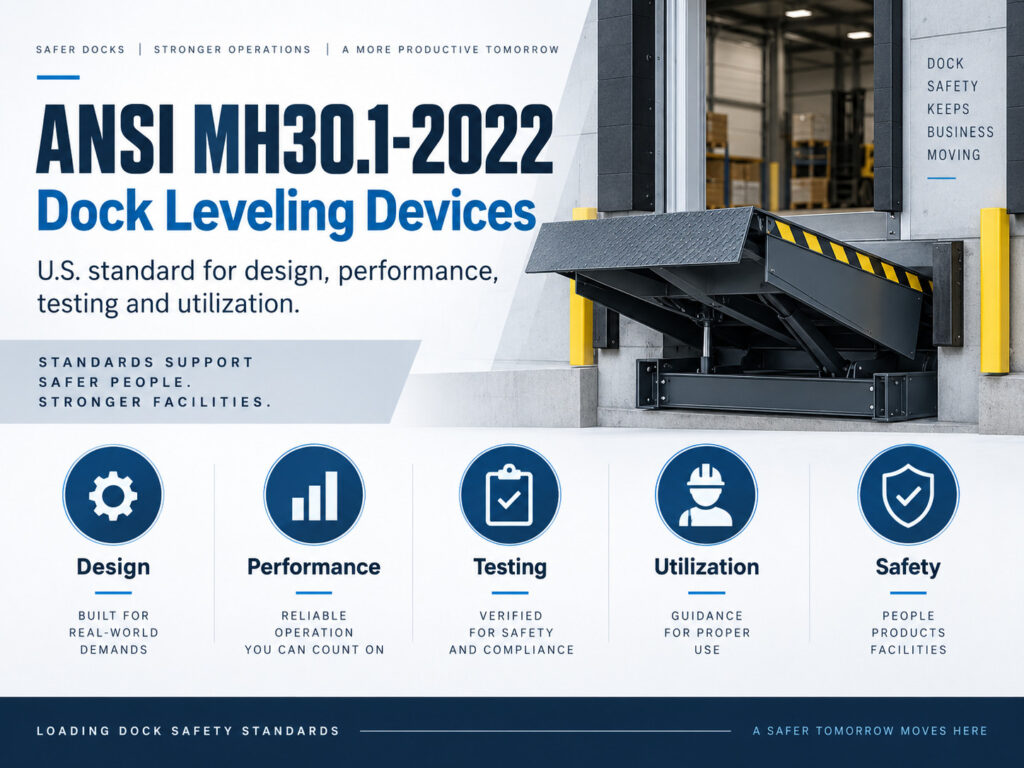
U.S. buyers may also encounter:
ANSI MH30.1-2022 — Performance and Testing Requirements for Dock Leveling Devices.
The standard is published through the Material Handling Industry and provides guidance for designers, manufacturers, sellers, installers, owners, users and governing bodies.
It addresses the design and testing of dock leveling devices and provides a uniform basis for comparing their performance. The 2022 version revises ANSI MH30.1-2015.
This creates an important three-part distinction:
EN 1398
European dock leveler safety standard.
OSHA
U.S. workplace safety requirements.
ANSI MH30.1
U.S. consensus standard specifically addressing dock leveling device performance and testing.
ANSI MH30.1 is therefore much closer to a product-specific dock leveler standard than OSHA itself.
为何2026–2027年对欧洲采购方很重要
European machinery legislation is approaching an important transition.
Regulation (EU) 2023/1230 on machinery will apply from January 20, 2027 and will replace Directive 2006/42/EC.
This is particularly relevant for buyers whose dock equipment projects will be manufactured, imported or placed on the EU market around or after that date.
There is another important development.
The European Commission’s machinery harmonised-standards page currently explains that January 20, 2027 may appear as the end of legal effect for standards referenced under the existing Machinery Directive because that directive will be repealed on that date.
The Commission also says that a new list of harmonised standards under the Machinery Regulation is being prepared and is expected before the end of 2026, with the vast majority of standards currently cited under the Machinery Directive expected to feature in the new list.
That makes 2026 a particularly important year for procurement teams.
For a project scheduled for 2027, buyers should not simply copy the compliance requirements from an older purchase specification.
Instead, verify the applicable legislation and the current harmonised-standard references when the equipment is placed on the market.
EN 1398是否仍然现行?
As of September 2026, BSI lists BS EN 1398:2009 as:
Current, Under Review.
The standard was also included in the EU harmonised machinery standards list consolidated through May 15, 2026.
However, because the European machinery framework is transitioning to Regulation (EU) 2023/1230, buyers planning future EU projects should verify the latest Official Journal references rather than assuming that the regulatory status will remain unchanged.
This is especially important for:
- European importers;
- distributors;
- warehouse developers;
- logistics contractors;
- manufacturers purchasing machinery from outside the EU.
EN 1398是否自动意味着CE合规?
Not by itself.
European harmonised standards are generally voluntary technical means of demonstrating conformity with applicable legal requirements.
The European Commission explains that manufacturers may use another technical solution, but they must still demonstrate compliance with mandatory legal requirements.
Therefore, asking:
“Is the dock leveler EN 1398?”
is useful, but incomplete.
A better procurement question is:
“Which legislation and standards apply to this dock leveler in the destination market, and what conformity documentation will be supplied?”
Buyers should review the complete documentation relevant to the project rather than relying on a single standard number or a CE logo.
采购方应评估的7项装卸货台安全风险
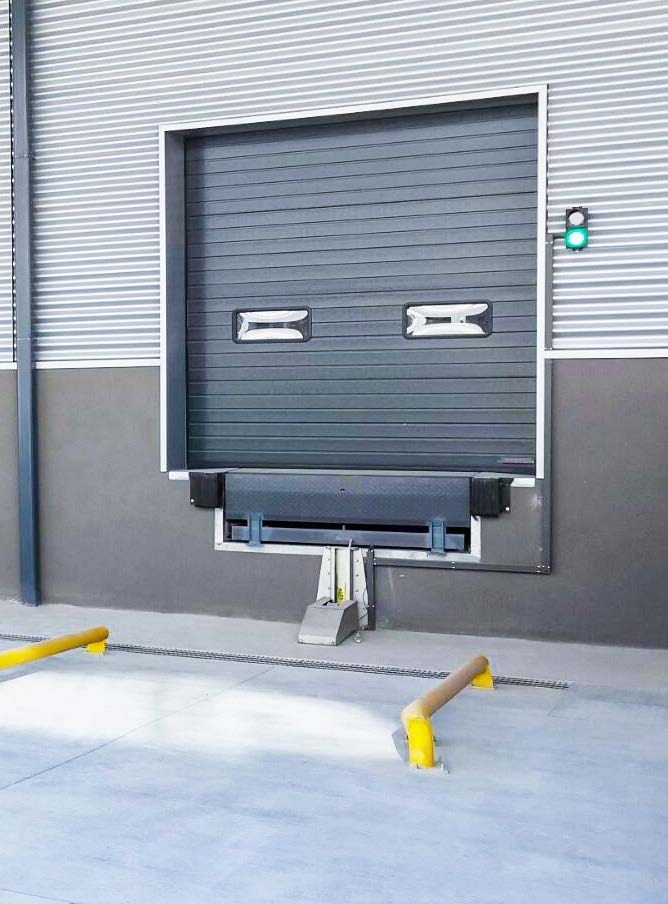
Standards are easier to understand when they are connected to real operating risks.
1. 承载能力不足
A platform must support the intended material-handling operation.
Consider the forklift or AGV, cargo, operating frequency and loading conditions when selecting the dock leveler.
2. 挂车移动
If a trailer moves away while a forklift is entering or leaving, a dangerous gap can develop between the vehicle and the loading dock.
Vehicle restraints, wheel chocks and clear operating procedures may form part of the loading dock safety strategy.
3. 平台坡度过大
Truck-bed heights vary.
A dock leveler that operates at an excessive angle may create problems for forklifts, pallet trucks or low-clearance AGVs.
Truck-bed height range and warehouse dock height should therefore be confirmed before selecting platform dimensions.
4. 表面湿滑
Loading docks may be exposed to rain, snow, ice, oil or other contaminants.
Platform surface design and housekeeping both influence slip resistance.
5. 挤压和剪切点
Moving platforms and lips create areas where hands, feet or other body parts may be exposed to injury.
Control location, side protection, warning labels and operating procedures should be considered together.
6. 不安全的维护
Working beneath a raised platform without appropriate mechanical support can create a serious hazard.
Maintenance supports should be used according to the equipment manufacturer’s instructions.
7. 操作顺序错误
A dock leveler, industrial door and truck may all be individually functional while the overall loading sequence remains unsafe.
For example, the leveler should not normally be used against a vehicle that is not correctly positioned.
This is where interlocking and loading dock automation can improve process control.
车辆约束装置和交通信号灯如何提升货台安全
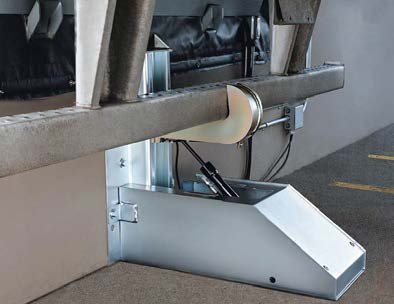
A modern warehouse loading dock may contain more than a dock leveler.
The complete system can include:
卡车
↓
Vehicle restraint
↓
Traffic light
↓
工业门
↓
液压调节板
↓
Forklift or AGV
For example, an external red light can tell the driver not to move the truck while warehouse personnel are loading.
An internal signal can indicate whether loading is permitted.
Where appropriate, a vehicle restraint can be integrated into the operating logic.
A controlled sequence might be:
Truck correctly positioned
↓
Vehicle secured
↓
Loading permission confirmed
↓
工业门打开
↓
登车桥展开
↓
Forklift enters trailer
This kind of system does not replace compliance, training or proper operating procedures.
It can, however, reduce reliance on operators remembering every step manually.
For automated warehouses, the door, dock leveler, vehicle restraint and PLC may also exchange status signals as part of a wider loading bay automation system.
采购方在订购登车桥之前应检查什么
A useful purchasing specification should contain more than width and length.
Before requesting a quotation, collect the following information:
| Buyer should provide/check | Why it matters |
|---|---|
| Destination country | Determines applicable regulations and standards |
| 装卸平台高度 | Influences leveler working angle |
| 最低卡车车厢高度 | Defines lower working range |
| 最高卡车车厢高度 | Defines upper working range |
| 叉车或AGV重量 | Important for capacity selection |
| 最大货物重量 | Part of intended operating load |
| 装卸频率 | Affects equipment selection |
| 平台宽度和长度 | Must suit vehicles and material handling |
| 基坑尺寸 | Critical for installation |
| Vehicle types | Determines operating range |
| 环境条件 | Wet, cold or corrosive environments may require special consideration |
| Vehicle restraint/chock strategy | Reduces trailer movement risk |
| 门类型 | May affect loading sequence |
| Control requirements | Needed for interlocking and automation |
| Applicable standards | EN 1398, OSHA, ANSI or local requirements |
| Required documentation | Important for acceptance and compliance |
| 维护要求 | Supports long-term safe operation |
For a new warehouse, these questions should ideally be addressed during the design stage.
Correcting dock dimensions or control logic after construction is usually far more difficult than defining the requirements before equipment is ordered.
安全关乎装卸货台系统,而不仅仅是平台
Modern loading docks increasingly combine several pieces of equipment:
- dock leveler;
- industrial sectional door;
- dock shelter;
- 装卸月台防撞块;;
- 交通信号灯;;
- sensors;
- control system.
This changes the way buyers should evaluate safety.
Instead of asking only:
“Is the dock leveler safe?”
ask:
“How does the complete loading bay behave during normal operation and abnormal conditions?”
例如:
What happens if the truck is not present?
Can the leveler operate while the door is closed?
What happens if the vehicle begins to move?
How is a raised platform secured for maintenance?
Can the system communicate loading permission clearly to the driver and warehouse operator?
What happens after a power or control failure?
These system-level questions are increasingly important as warehouse safety and automation become more closely connected.
为国际项目选择货台设备
For international buyers, the correct dock leveler is determined by three groups of requirements:
应用要求
Truck size, dock height, forklift type, cargo weight and operating frequency.
安全要求
Platform movement, slip resistance, maintenance support, trailer movement and the loading sequence.
市场要求
The regulations, standards and conformity documentation applicable in the destination country.
A buyer who considers all three areas is in a much stronger position than one who compares dock levelers only by rated capacity and price.
When requesting a loading dock solution, provide the manufacturer with:
- dock dimensions;
- 车厢底板高度范围;;
- forklift or AGV specifications;
- required capacity;
- number of loading bays;
- destination country;
- control and automation requirements.
This allows the warehouse loading dock equipment to be evaluated according to the real application rather than selected from a generic specification.
常见问题
登车桥的EN 1398是什么?
EN 1398 is a European standard covering safety requirements for the design, construction, installation, maintenance and testing of dock levellers and their safety components. BSI currently lists EN 1398:2009 as current and under review.
Does OSHA apply to dock levelers?
Yes. OSHA 29 CFR 1910.21 specifically includes dock levelers within its definition of dockboards. Requirements in OSHA 1910.26 address matters including intended load, edge run-off protection, movement of transport vehicles and portable dockboard safety.
OSHA是EN 1398的美国等效标准吗?
No. OSHA establishes legally enforceable workplace safety requirements, while EN 1398 is a European product safety standard for dock levellers. ANSI MH30.1-2022 provides U.S. performance and testing guidance specifically for dock leveling devices.
什么是ANSI MH30.1-2022?
ANSI MH30.1-2022 is a performance and testing standard for dock leveling devices. It provides guidance for manufacturers, designers, installers, owners and users and establishes a uniform basis for comparing dock levelers.
EN 1398是强制性的吗?
European harmonised standards are generally voluntary means of demonstrating conformity with mandatory legal requirements. Manufacturers may use other technical solutions, but they remain responsible for demonstrating compliance with applicable legislation.
2027年欧洲机械将有哪些变化?
Regulation (EU) 2023/1230 on machinery will apply from January 20, 2027 and replace the current Machinery Directive. The European Commission is preparing a new list of harmonised standards under the Regulation, making it important for buyers to verify the current requirements for projects entering the EU market in 2027.
选择安全登车桥需要哪些信息?
At minimum, provide the dock height, truck-bed height range, forklift or AGV weight, maximum cargo, loading frequency, platform dimensions, destination market and required safety or control functions.