
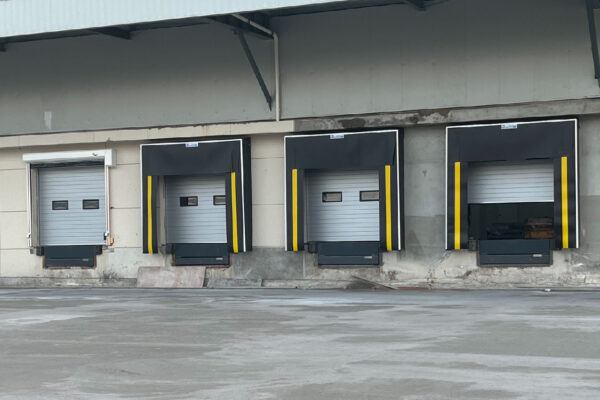
Managing a loading dock isn’t a job without its challenges. Operating a warehouse requires a constant flow of goods, trucks, and equipment. With that flow comes the necessity of balancing worker safety and operational function. Optimal warehouse safety and functionality are made possible with the use of loading dock truck levelers. They solve the issues of unstable, uneven truck surfaces. This article will show how truck levelers mitigate safety issues while boosting efficiency during loading and unloading. If you are any sort of warehouse employee, logistics personnel, or safety officer, this article will show you the value of modern warehouse truck levelers.
What Are Loading Dock Truck Levelers?
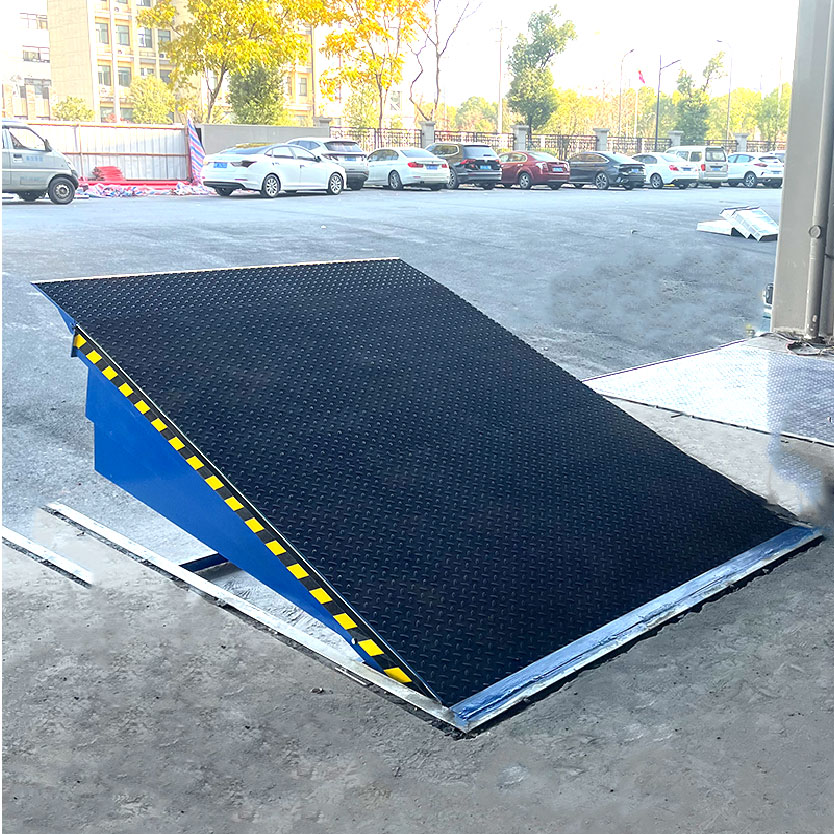
Truck levelers are equipment put on loading docks to level the differences in height between the back of the trailer and the loading dock. They give a stable surface to load the goods and allow the staff to be in a safe place while loading and unloading. To avoid accidents and keep the equipment, products, and staff safe, levelers are used to account for height differences on varying truck trailers.
Definition and Essential Role in Loading Docks
Every logistics and warehouse operation today considers loading dock truck levelers as indispensable. These devices are designed to bridge the loading dock to trucks of multiple designs and of different heights. Levelers are designed to provide a safe and stable surface to the dock so that materials brought in and out on forklifts and pallet jacks can easily be transferred.
Advancements in technology have made some truck levelers even more user-friendly with features such as air and/or hydraulic systems. These systems allow the operator to control the height needed for the level and thus reduce the chances of an accident, protecting the employees and the load. These are great systems for high-volume activity level facilities, as they are designed to be used on heavyweight systems and meet the guidelines of high-impact safety. Overall, truck levelers on loading docks improve productivity and safety and allow for the easy movement of items in all sections of the supply chain.
How Truck Levelers Work to Bridge Height Differences
Truck levelers are made to smooth the differences in height between the loading dock and the beds of different trucks to allow loading and unloading to be done safely and easily. They use hydraulics, mechanical, or air-powered systems to level and form a safe bridge between the dock and the trucks. The levelers are extended to bridge the height of the level and the dock truck. New truck levelers have systems that automatically lock and give the operators control to adjust systems while the dock and truck are set to static positions. If the leveler senses it has been set to a level position while the truck is not set in place, the levelers reset automatically and give a visual warning, reducing the risk of accidents due to unsafe practices.
Truck levelers also have smart control systems that make it easier to adjust the levelers more quickly. Adjusting levelers quickly helps operations become more efficient. Quick and easy adjustments, along with smart control systems that integrate with warehouse management and remote controls, have made truck levelers a staple in reducing the risk of accidents.
Key Features and Benefits of Loading Dock Truck Levelers
Enhanced Safety for Workers and Cargo
Dock levelers are incorporated with safety features designed to protect employees and products from injury and damage while products are being loaded and unloaded. Documented safety features are used to help avoid injury and damage to products while providing a safe loading and unloading situation. Below are five features with a description of their safety benefits:
No Slip Service
Dock levelers have non-slip surfaces that allow employees and equipment to safely walk and move throughout the surfaces of the levelers. Weather conditions such as rain and ice can make surfaces very slippery and are potential conditions that can create a fall.
Automatic Securing Mechanisms
Automatic securing devices are used to keep trucks in a stationary position, eliminating unwanted trucks from rolling into unrestricted areas. This provides safety for workers and the steady placement of products that are being loaded and unloaded.
Safety edges are the safest loading dock choice for preventing accidents
Safety edges are positioned above the level of the dock and the surface of the leveler. They are repositioned as safety. If a forklift mistakenly starts rolling off the dock, the safety edges will prevent injury to workers from the open space, as well as injury and damage to the products that are being loaded and unloaded.
Emergency Stop Functions
Many modern dock levelers have emergency stop functions that allow employees to stop the leveler safely and in a controlled manner to avoid accidents.
Warning Systems
Warning systems such as flashing lights and horns are utilized to allow workers to know and understand when it is safe to move on and when it is safe to stop to avoid accidents.
With these safety features, you can secure a safe and efficient workspace for your employees and add protection for your workers and cargo while also empowering your employees and satisfying workplace safety regulations.
Faster Loading and Unloading Processes
Truck levelers enhance the efficiency of unloading and loading operations and help the business save on time and costs. This equipment makes the operations of unloading and loading quick. This enables operations at warehouses, factories, and distribution centers to be seamless and helps the business to get on with its operations. Several reasons illustrate the efficiency and speed of levelers in unloading and loading.
Automated Adjustment Systems
Modern levelers are fitted with automated adjustment systems that help mitigate the need for manual tweaks in adjusting the systems. This helps save time when the adjusting systems need to be done.
Ergonomic Controls
Having easy-to-use control systems fitted on the levelers enables the operators to set the equipment to a position that will enhance easy and quick loading and unloading of the dock.
Wide Platform Compatibility
The systems designed for levelers accept a range of dock styles and sizes. This total versatility makes time savings and allows the dock levelers to be used efficiently without worrying. Excess equipment and more time at the dock are not needed.
Durable Construction
The equipment is made to endure and withstand load operations. The levelers are reliable and efficient at performing their tasks without disruptions and will not need to be maintained to limit their use.
Improved Dock Accessibility
Anti-slip coatings and edge leveling mechanisms built into the surface create not only safety features, but also optimize the surface for seamless, uninterrupted operation. These features also allow forklifts and other tools to glide effortlessly, eliminating the need to spend too much time shuttling goods between the truck and the storage area.
Adaptability for Various Truck Heights and Dock Configurations
Loading dock truck levelers are designed to work with different combinations of truck heights and dock configurations. This guarantees and ensures smooth and efficient operations on different occasions. These levelers provide flexibility and precision for businesses to meet the challenges of differing vehicle sizes and loading dock specs. Below are five features that really show their adaptability:
Wide Range of height adjustments
Height levelers on trucks are adjustable in a wide range, typically 6 inches below and 12 inches above the dock came top surface. This range allows for the dock levelers to work with most standard and specialized trucks.
Support for More Than One Dock Design
They can also be customized to dock openings of all widths; recessed and edge-of-dock configurations, getting each dock design to fit perfectly.
Automatic Height Sensing
More advanced models also have height-sensing systems that automatically detect the height of the truck and adjust the leveler, therefore needing less effort to adjust it, and even eliminating the need to adjust it manually.
Heavy Duty Capacity
These levelers are built to be used across a large weight range, and are overweight supported; designed to tackle a range of more than twenty thousand pounds of weight, thus suiting them for almost all industries, and types of vehicles.
Weather Resistance Features
They are built with strong, weather-resistant materials to ensure that they can be used in the outdoors with harsh weather and still retain their versatility and adaptability for any region.
Because of these features, companies can enhance productivity and smooth out operational processes, no matter the variations in their trucks and dock setups.
Minimizing Damage to Goods and Equipment
Key Features for Minimizing Damage to Goods and Equipment
Loading dock levelers help keep goods and equipment safe while loading and unloading them. Here are five features that help keep cargo and equipment safe.
Smooth Transition Design
These levelers have smooth transition designs that help to keep shocks and jolts to a minimum when a truck is driving on or off the dock. This eliminates sudden impacts that can violently shift products or wear down equipment.
Anti-Slip Surface
These levelers provide an anti-slip surface on top to allow vehicles and equipment to stay on even in wet and high-friction situations. This surface minimizes cargo slipping and falling off while loading and unloading.
Shock absorbing mechanisms are crucial for air powered dock levelers to enhance safety during operation.
Using new technology powered by either air or hydraulic systems to absorb shocks. This can help when there is a lot of movement that could cause a product to crack or a vibration big enough to shift the goods.
High Weight Tolerance
These and other levelers can support large and heavy weights, more than 30,000 lbs, and still allow the leveler to remain structurally stable. This can be used in any demanding application to protect all the equipment and products as well.
Automated Docking Features
Automated systems are used to precisely align the truck and leveler. This use of technology lowers the chances of alignment issues, and the levelers keep products safe.
This is a result of the levelers working together to keep all people, products, and equipment safe and protect workers’ valuable equipment.
Types of Loading Dock Truck Levelers
Hydraulic Truck Levelers

Hydraulic truck levelers eliminate the height gap between different truck or trailer beds and a facility’s loading dock by using a powerful hydraulic pump. Their hydraulic systems deliver strength, accuracy, and reliability, allowing employees to raise the platform quickly and load or unload goods safely. Modern models include energy-efficient motors, durable construction, emergency stop buttons, and overload protection. Their robust design allows them to handle heavy use with minimal downtime and fewer workplace accidents. By integrating the latest technology, hydraulic truck levelers improve logistics efficiency and give users significant operational advantages.
Mechanical Truck Levelers
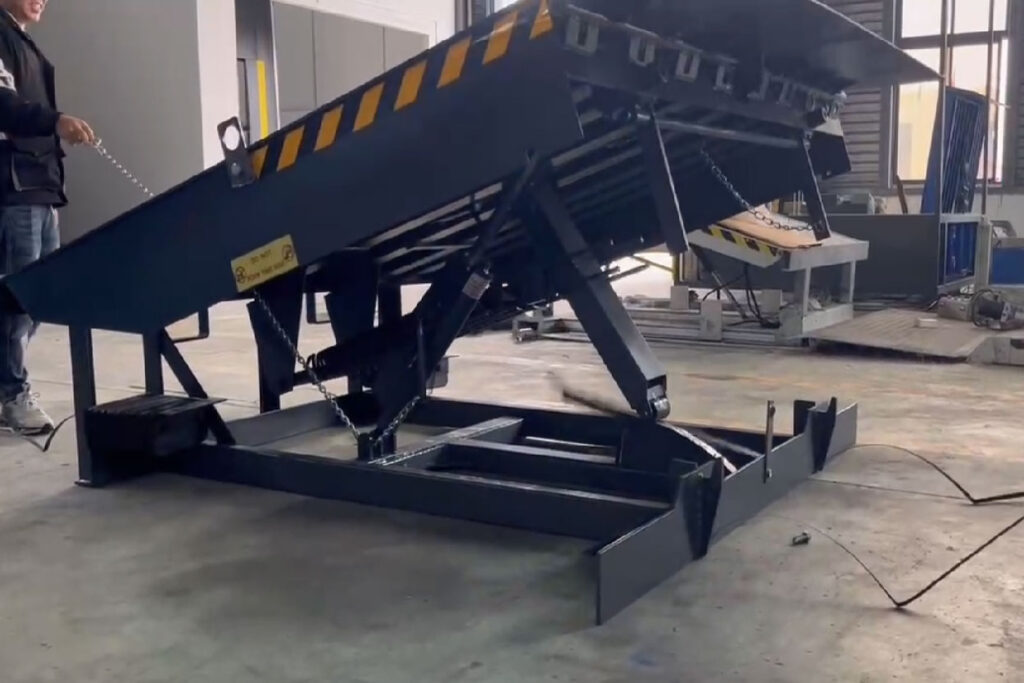
One more practical solution to differing truck bed heights during the loading and unloading process is mechanical dock levelers that feature lip extension functions with hydraulic cylinders. Unlike hydraulic systems, which use hydraulic fluid, mechanical truck levelers use sturdy mechanical systems, such as gears and chains, and are therefore more reliable. They are designed and built to last. All systems in this class and type will last with systems requiring minimal maintenance. They will last a long time and are built to withstand a few decades with the right conditions.
Like other things in life and the world, if they are built to last, they tend to cost a little bit more. However, in this case, and the other mechanical truck levelers, they are built to last and are less expensive in the initial buying stage, although they will last longer and need less maintenance. Because of this, they are a no-brainer for mechanical systems in factories, distribution centers, and warehouses looking for loading dock solutions.
Air-Powered Truck Levelers

These solutions are tailored to improve the overall functionality of loading docks, providing ease of use, safety, and efficiency. They are designed to utilize an easy system of compressed air to lift and lower the dock to meet the specific requirements of the trucks. Other than having no mechanical systems and therefore, no maintenance other than the occasional tune-up, the air-powered systems are designed to last with the few moving components.
Being the most advanced systems, and with the use of the most recent technologies, powered levelers have the best performance in relation to the very small amount of energy they use. Levelers are also designed with safety in mind, as they have emergency stop and anti-pinch mechanisms in place to help prevent injuries outdoors.
For installation of air-powered levelers, noisy environments can be avoided as they are often much quieter than their hydraulic counterparts. They are also very flexible and affordable, giving them the best value on the market and making them the most cost-effective and reliable systems.
Edge-of-Dock (EOD) Levelers

Edge-of-Dock (EOD) levelers are simple and budget-friendly for closing gaps between loading docks and truck trailers. These are perfect where dock heights match up closely with trailer bed heights and offer an effective way of smoothing out loading and unloading operations. These levelers are installed on the face of the dock, making them more compact than the other options, which are pit-style levelers.
EOD levelers come in divergent models, both manual and hydraulic. Featuring simple lever actuation for seamless operation, manual EOD requires more effort than the hydraulic models, which offer more convenience with push-button controls. Covering a wide span of industrial applications, they are designed to support loads in the range of 20,000 to 30,000 pounds.
Built with high strength to weight ratio steel, EOD levelers are designed for outdoor and industrial applications with harsh environments and high traffic. As many of these products are designed with operational safety in mind, bumpers are sometimes included to protect dock edges and trailers. These levelers are great for places such as warehouses, distribution centers, and other facilities where a dependable and low-cost loading dock solution is needed to enhance productivity, safety, and operational efficiency.
Specialty and Custom Solutions
Custom and specialty dock levelers are made for special needs and different uses for different industries. These systems are engineered for riding over obstacles, adjusting to different heights, and are used in special environments like cold storage and highly corrosive conditions. The newest specialty dock levelers fit various dock designs and have top-of-the-line hydraulic systems, robust dock leveler platforms, and other features that make them fit your dock leveler needs.
One of the more recent advanced innovations in custom dock levelers is improved safety and automation. Automatic tilting and leveling, pressure control, and other eco-friendly systems make the equipment even more safe for the staff and line workers. Manufacturers and businesses are able to partner together in a way that accommodates the workflow of the company, making these dock levelers perfect for use in environments where ordinary equipment presents a problem. Custom and specialty dock levelers are growing in popularity in high-precision and high-durability industries like manufacturing plants and aerospace. These dock levelers bring excellent flexibility, safety, and reliability to the table.
Materials and Construction
Heavy-Duty Steel and Reinforced Structures
The highly durable and reliable loading dock truck levelers are constructed with heavy-duty steel and reinforced structures. These structures are built to withstand the rigors of an industrial setting with heavy vehicular use and high-impact and sustained use. Premium steel provides unparalleled strength and high levels of impact resistance and resiliency, and reinforcement like ribbed and cross-beam structures improves durability and increases the structural level of load bearing. State-of-the-art high-end industrial processes, like protective and precise environmental coatings and corrosion-resistant welding, have increased the level of protection the structures have with respect to wear and environmental impacts. These structures with heavy-duty steel and reinforcement are highly sought after in industrial sectors like logistics, warehousing, and manufacturing due to their high reliability and safety.
Corrosion Resistance and Weatherproofing
The role of loading dock truck levelers in logistics and design in manufacturing is pivotal. Modern truck levelers are built with advanced corrosion-resistant and all-weather technologies to endure the environment. Using galvanized steel and stainless steel, the levelers endure rust and deterioration from chemicals and moisture, and the levelers are frequently used. Specialized coatings of epoxy and urethane offer further protection from epoxy and urethane deterioration and abrasion from all weather exposure. In long-term reliability, eh some models feature sealed systems in order to avoid water and debris interfering with system mechanics. For challenging industrial work settings, there are lower-level tools that are used, and there are also lower maintenance costs that make them cost-efficient.
Load Capacity and Durability
Load dock truck levelers are built to smoothly operate in industrial environments while moving heavy loads around. Current designs have load ranges around 25,000-80,000 pounds, and work in a variety of industries such as warehousing and logistics. This load range is accomplished in the construction of the levelers, as high-strength steel is used and built for heavy use.
Some added features are pivot points in the construction wear and rust-resistant materials to extend durability and life on levelers. Other levelers have impact-resistant materials to take blunt force from large loads. For safety, most have protection from overloading a dock leveler and anti-skid while standing.
To provide reliability, manufacturers have to continually adapt to the truck levelers. For example, the incorporation of closed-loop energy systems, fully automated levelers, and remote use saves costs and downtime through efficiency. Innovations have led to working truck levelers for years if properly maintained.
Applications of Loading Dock Truck Levelers
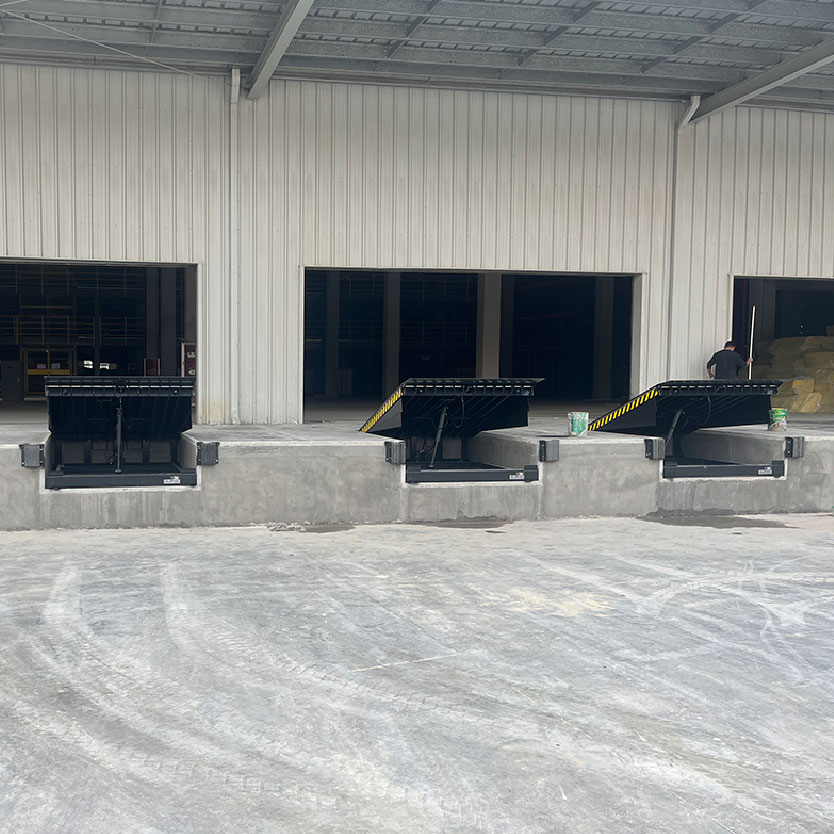
Warehouses and Distribution Centers
Load dock truck levelers are built to smoothly operate in industrial environments while moving heavy loads around. Current designs have load ranges around 25,000-80,000 pounds, and work in a variety of industries such as warehousing and logistics. This load range is accomplished in the construction of the levelers, as high-strength steel is used and built for heavy use.
Some added features are pivot points in the construction wear and rust-resistant materials to extend durability and life on levelers. Other levelers have impact-resistant materials to take blunt force from large loads. For safety, most have protection from overloading a dock leveler and anti-skid while standing.
To provide reliability, manufacturers have to continually adapt to the truck levelers. For example, the incorporation of closed-loop energy systems, fully automated levelers, and remote use saves costs and downtime through efficiency. Innovations have led to working truck levelers for years if properly maintained.
Manufacturing and Industrial Facilities
Levelers are vital to the seamless loading and unloading of merchandise at trucks and loading docks in manufacturing and industrial operations. Levelers close the height gaps between trucks and docks. Levelers are made to accommodate variances in vehicle sizes and cargo. In modern facilities, truck levelers often utilize hydraulic operation systems (e.g., hydraulics and pneumatics) to make height adjustments and maneuver heavy loads efficiently. Safety systems on most truck levelers include non-slip safety systems, auto locks, and ergonomic controls to ensure worker safety and reduce damage to goods or machines. Automating dock management systems and integrating them with modern intelligent levelers configured to docks helps reduce overall processing times and improve operational efficiencies. Therefore, truck levelers are the key facilitators in the seamless and efficient functioning of manufacturing and industrial systems.
Retail and E-commerce Fulfillment Centers
Retail and e-commerce fulfillment centers rely on fast, seamless movement of goods. As technology advances, these centers increasingly use equipment like truck levelers to speed up unloading. Truck levelers close the height gap between trucks and docks, allowing workers to unload quickly and move on to the next vehicle. Because fulfillment centers operate with advanced apps and scheduling systems, truck levelers play a key role in balancing workflow and keeping operations efficient. By improving the transfer of goods from warehouse to truck, truck levelers help fulfillment centers meet customer demands with greater speed and accuracy.
Cold Storage and Temperature-Controlled Logistics
Dock levelers keep teams running smoothly and efficiently, especially in cold storage and temperature-controlled logistics environments. They secure a seamless and leveled interchange between trucks and docks so that temperature-sensitive items, i.e., Food, pharmaceuticals, and precious goods, don’t undergo temperature changes that will damage their quality. Tough and specialized truck levelers that keep their environments at extreme temperatures on-seal and minimize temperature leaks during load-in and load-out. They are on the market and ready to meet the extreme temperature demands cold storage and temperature-controlled logistics require.
The efficiency of dock levelers is augmented to the next level with cutting-edge tech and data temperature management systems, dock automation systems real-time data that optimizes logistics. Keeping the truck doors shut for the shortest time possible eliminates their exposure to the outside air and keeps the goods inside compliant with legislation. It is also energy efficient and maintains the goods safe and secure within the cold glass and in cold chain transportation. All these enhancements keep the product and quality of packed temperature-sensitive goods and optimize their logistics.
Installation and Maintenance
Professional Installation Guidelines
To best ensure the longevity and performance efficiency of loading dock truck levelers, proper installation is best, and also, and more importantly, to be compliant with industry best practices and standards, professional guidelines must be followed to ensure safety and performance optimization. Consider the following five guiding rules of installation:
Site Assessment
Performing a complete site assessment is especially important, taking into account the dock height, slope of the driveway, and the types of vehicles being serviced. This assessment helps to ensure the leveler being selected is best suited to the facility and helps to avoid installation mismatches.
Foundation Preparation
Make sure the concrete foundation is level, stable, and meets the load-bearing capacity specifications of the equipment. Potential operational issues or safety hazards must also be prevented, but the foundation must be free of cracks or uneven surfaces.
Electrical Setup
If the levelers are powered by hydraulics or air, ensure the proper electrical wiring and connections are in place. For optimal energy efficiency and to avoid malfunctions, the manufacturer’s instructions should be adhered to.
Safety Features Installation
Safety measures, such as wheel chocks, vehicle restraints, and warning signs, can and should be built into the installation. This can help to avoid accidents involving personnel or equipment during docking and unloading processes.
Testing and Calibration
In order to check proper alignment, seamless shifting, and load-balancing capability, testing and calibrating the leveler will need to be done. For the leveler to be considered safe and functional, all testing results are to be documented.
Following this example, installation guidance means that loading dock truck levelers will work properly and assist in an efficient cold chain logistics process.
Routine Maintenance and Troubleshooting
Performing systematic maintenance and troubleshooting are the pillars on which the long-term survival and safety of loading dock truck levelers should rest. Five fundamental maintenance practices and troubleshooting practices are given below.
Check Moving Parts
Regularly, flywheel hinges and cylinders, and the edges of the platform should be checked for any active corrosion, rust, damage, or wear. Once some active corrosion or rust is detected, a liberal application of a corrosion preventative will be needed.
Check the Hydraulic System
Keep the hydraulic unit free of damage, pressure drops, leaks, and hose and seal internal damage. Damaged or compromised hydraulic components must be replaced, and the hydraulic unit filled as necessary, to keep the fluid level at the correct mark.
Check the Safety Devices
Make sure safety devices like restraints, bumpers, and warning lights are on, operational, and working as required. Safety operable devices are to be monitored on a routine basis.
Repositioning of the Leveling System
Levelers should be repositioned and changes adjusted to keep proper balance to avoid any asymmetric conditions, which will lessen the efficiency and create safety issues.
Check the Electrical System
Wiring, control panels, and all electrical devices should be checked for corroded or damaged, or malfunctioning components. Damaged components should be replaced, and the control systems should be verified to work properly.
You have to keep doing these maintenance tasks to improve the truck levelers’ performance and durability. This keeps downtime and safety risks to a minimum.
Cost Considerations and Total Cost of Ownership
Looking at the cost of loading dock truck levelers, we need to think about the pricing of the levelers and the cost of the levelers once they are installed and running. Do the analysis correctly to help the company make good financial choices. Below are some cost variables to consider:
Cost of Purchase
It is important to recognize the cost of the loading dock truck levelers. There are price variations based on the kind, size, and functions of the levelers. Hydraulic levelers are more costly than mechanical; however, they have more advanced functions.
Cost of Installation
Installation of the levelers will also incur costs, and they need to be taken into consideration. The installation cost is expensive if the facility has to be customized for an installation.
Cost of Maintenance and Repairs
Ongoing costs of ownership must include the maintenance and the costs for the repairs, along with the inspections of hydraulic pump and motor stations. There is a cost to preventative maintenance; however, it adds to the ownership expenses over time.
Cost of Energy Consumption
If the levelers have powered functions, there are costs to consider. Energy costs can be cut by having models that have functions that save energy.
Lifespan and Depreciation
The anticipated useful life of the leveler affects its long-term worth, particularly for hydraulic operation models. More expensive high-quality and levelers usually provide more value over time due to lower replacement costs and lower depreciation.
Considering these factors helps the business in the strategic planning of their investments and the best value over the useful life of the equipment.
Safety Features and Regulatory Compliance
Safety Lips, Guards, and Emergency Stops
New loading dock levelers provide exceptional dock safety features for the safety of workers and equipment while running the equipment. Safety lips are barriers to prevent forklifts and pallet jacks from rolling off the edge of the dock, making them a vital component of the safest loading dock choice. They mechanically engage and can support a high level of weight and pressure without losing stability or reliability.
Injuries to dock workers from moving parts of the levelers are reduced by safety features that cover the leveler’s moving parts. Designed to meet or exceed safety cover standards, these safety features promote a safe working environment.
Remote emergency stop features are another critical safety dock leveler systems must integrate. With just the touch of a button, the emergency stop, the leveler can be stopped instantly, preventing an accident or equipment collision. The latest electronically controlled dock systems integrate rapid-response systems for automated and manual dock functioning.
Dock safety features streamline the safety of equipment and people while loading and unloading. Safety features must be functional to maintain the same level of operational safety. Regular inspections to maintain fully functional safety features streamline operational safety.
Compliance with OSHA and Industry Standards
Loading Dock Truck Levelers. Every business that has a loading dock and interacts with trucks and trailers should use a truck leveler. Levelers help avoid injuries while using loading dock safety standards. Truck levelers and loading docks must adhere to OSHA loading dock safety standards. When handling levelers and loading docks, employers must adhere to OSHA 1910.178 safety handling guidelines for powered industrial trucks (PITs). Also, Truck levelers must ensure safe usage with the participants on the dock.
Simplifying Docks. Truck levelers have features that help facilities avoid injuries associated with dock injuries. Non-slip automatic truck levelers with hydraulic systems reduce injuries caused by using a leveler. OSHA truck levelers should be used, and industry practices should be ensured. Risks associated with trailer disengagement, trailer creep, and disengagement can be avoided. Standards for docks reduce injuries and eliminate applicable injuries from businesses. Ex. Liability, fines, and the workplace.
Maintaining Standards. Compliance with standards can be simplified with no-contact guidelines for employees. Standards for truck levelers lower the risks associated with non-compliance. Non-contact guidelines combined with technology standards can optimize loading dock systems and ensure safety for employees.
Innovations and Smart Technology in Loading Dock Truck Levelers
Automation, Remote Controls, and IoT Integration
The use of new technology, like automation, remote control, and IoT, in the upgrades of loading dock truck levelers has streamlined their use and functionality. Automation helps in easy control and accurate positioning of the levelers, and helps in productivity and reducing human error. This results in a positive impact on the workplace.
Remote control technology helps in the smooth and easy control of all the dock levelers from a distance. When combined with IoT technology, the dock systems can stream data and provide real-time information on equipment usage, maintenance. And possible issues with user dock safety, allowing smart systems to perform proactive maintenance to avoid expensive downtime.
Online sources stating the most recent advancements in this technology explain the other possible applications of the integration of IoT with loading dock truck levelers, particularly in the management of fleet logistics. Smart levelers monitor and record variables like load weights and truck alignment to provide supply chain operations with valuable information. This technology helps businesses in meeting new regulations and guidelines while also helping them to keep up with industrial digitization.
Predictive Maintenance and Monitoring
Cutting-edge technology is now used in loading dock truck levelers like no other time in history. Confirmed state-of-the-art technological advancements utilize IoT sensors/data analytics to fully capture the operational and equipment data to predict equipment failures before they occur. Industry experts predict that dock leveler repair costs will be cut significantly while simultaneously extending the equipment lifespan and cutting downtime to virtually none. Sensor data is valuable in determining factors like the amount of wear and tear, the level of hydraulic fluid, and how much stress is being placed on the equipment mechanically, all in real time. The software programs dock leveler’s optimal operational efficiency to enable cost savings and sustainable practices to be incorporated. The seamless integration of these operational attributes continues to multiply the momentum that operational efficiency of businesses in the discipline/field creates.
Energy-Efficient and Sustainable Options
Dock levelers for loading docks are prioritizing energy savings and sustainability to meet the demand for green solutions in the supply chain. Modern hydraulic systems use energy more efficiently and perform better. Furthermore, many levelers are now equipped with electric motors, which use fewer fossil fuels and therefore produce fewer emissions.
Levelers are using more sustainable materials to achieve the desired level of durability while having an overall better environmental impact. Dock levelers that use LED lights for safety and have motion control for energy savings. Real-time workflow control increases the efficiency of use, which is available using the dock levelers coupled with smart systems for facility energy management. These developments are primarily focused on reducing the operational costs of the companies using them and improving the operational sustainability with an overall lower impact on the environment in the warehousing and logistics operations.
Comparing Loading Dock Truck Levelers to Other Dock Equipment
Truck Levelers vs. Dock Plates and Boards
Truck levelers are permanent, high-capacity solutions for heavy-duty operations. While dock plates and boards are portable, cost-effective options for lighter loads, with dock boards offering added safety features like curbs.
Comparison Table:
| Parameter | Truck Levelers | Dock Plates | Dock Boards |
| Capacity | High (up to 100k lbs) | Low (up to 20k lbs) | Medium (up to 20k lbs) |
| Portability | Fixed | Portable | Semi-portable |
| Cost | High | Low | Medium |
| Safety | High | Moderate | High (curbs) |
| Use Case | Heavy-duty | Light-duty | Medium-duty |
| Durability | High | Moderate | High |
| Installation | Complex | Simple | Moderate |
| Height Adj. | Adjustable | Fixed | Fixed |
| Material | Steel | Aluminum | Steel/Aluminum |
| Equipment | Forklifts | Hand trucks | Forklifts |
Choosing the Best Solution for Your Facility
The load capacity, operational needs, and budget are critical factors to consider when choosing the best loading dock truck levelers and other dock equipment to install for your facility. The following is the best choice of equipment for optimizing the safety, efficiency, and productivity of your facility:
Dock Levelers
Categories: Hydraulic, Mechanical, and Air-Powered
Capacity: Light-duty at +10k lbs and heavy-duty at +50k lbs
Application: Permits the closing of the gap on the dock and the trailer for easy loading and unloading
Description: Custom height, built to last, and equipped with safety equipment for fall protection
Dock Seals and Shelters
Goal: Protect the sealed boxes and the dock workers from weather (high temperature and cold, rain, and snow), dust, and other operational elements
Foam cushions or retractable curtain style
Benefits: Protects the boxes and workers from the weather elements, energy efficiency is improved, and working conditions are enhanced.
Vehicle Restraints
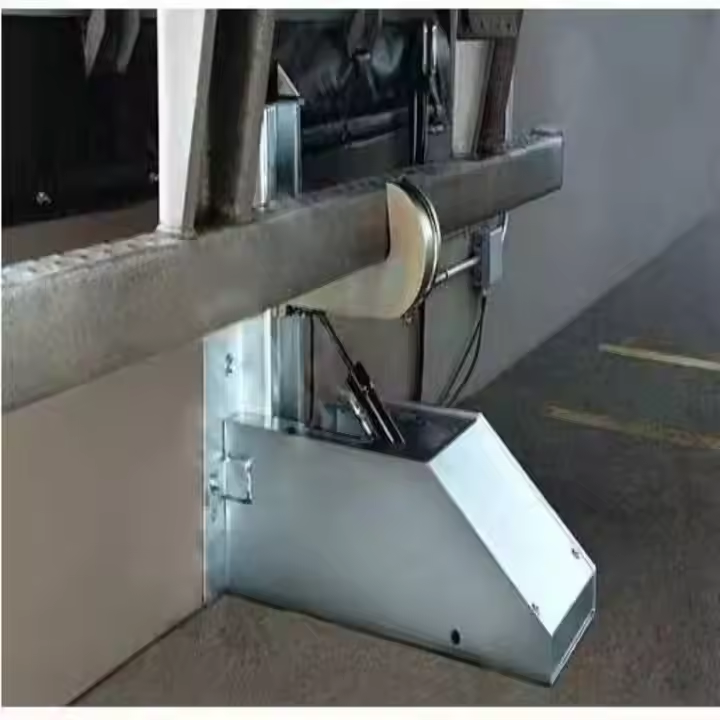
Purpose: Secures the trailer to the dock so that (i) it cannot roll away during loading, and (ii) the trailer does not gap the dock, which can result in a fall.
Categories: Mechanical restraints and powered restraints.
Benefits: Improves safety and eliminates the chance of accidents.
Edge-of-Dock Levelers
Capacity: Lighter dock load levelers (up to 20,000 lbs); lower volumes >$ 10,000.00
Installation: Quickly installed on the dock face.
Uses: Better choice for low or medium volumes. Less costly (effective) result.
Dock Boards and Plates
Materials: Typically, aluminum or steel is used, sometimes with non-skid surfaces.
Mobility: Can be easily relocated among various docking bays.
Application: Temporary bridging of spaces for small devices such as hand trucks or pallet jacks.
By studying the unique requirements of your facility, as well as the operational system, the right mix of these options can be established for an effective and safe loading dock system.
Market Trends and Future Outlook
Growth in Automated Loading Dock Solutions
More companies in the logistics industry have been seeking solutions that offer greater safety and efficiency, leading to the adoption of technology in automation in loading docks and truck levelers like never before. Truck levelers that automatically adjust to the different heights of trailer docks have also been incorporated with automation technology. These dock levelers with automation have remote access to the dock and, with the help of various IoT-enabled technologies such as sensors, can automate the process of adjusting the dock level to a trailer height in real time with minimum human input.
By integrating other technologies to minimize the manual tasks with the truck leveler, operational efficiency is understood. And with the automation, dwelling time is also reduced, from having to remove as many people as possible from the process of controlling the dock level, thus reducing the time to manage people. With the smart dock control system, businesses can manage their work more sustainably with lower energy usage. A report from the market claims that the expansion of e-commerce and the faster, more reliable tracking of last-mile deliveries will drive the need for dock systems, including air-powered dock levelers.
Adaptively and more economically, the needs of load docks in Advanced Supply Chains themselves have systems to shield from wear. Supply Chains Advanced novation in Predictive systems and Artificial The Advanced to more of a greater focus on predictive systems in the technology wear shield of themselves.
Leading Brands and Recent Product Innovations
Serco
Innovation Outcome: Improved automated positioning and safety features were added to hydraulic truck levelers.
Main Features: More efficient energy usage and a higher degree of control via custom communication & control system integrations, communication systems, and control systems.
Blue Giant
Innovation Outcome: Smart sensors, which enable automatic adjustments, were added to the U-Series truck levelers.
Main Features: Remote access and a high level of customizability (with several platform sizes), built from robust steel.
Rite-Hite
Innovation Outcome: More energy-efficient design of high-volume hydraulic levelers with additional thermal insulation.
Main Features: Designed with environmental protection in mind, safety protocols were incorporated. And the system was given the ability to integrate with computerized dock management systems.
Pentalift Equipment Corporation
Innovation: New electrically powered levelers were built along with redesigned tiltable platforms.
Main Features: Designed for safety and to provide ergonomic usability, with heavy-duty requirements, maintenance was kept to a minimum.
Kelley
Innovation: A New series of air-powered dock levelers with a focus on less environmental impact was released.
Main Features: More efficient for a lower cost in high traffic jobs, with simple setup and quiet use.
Leading the way, these brands are making major advancements to the usability and performance of loading dock truck levelers for countless industries.
SEPPES
Innovation: New hydraulic dock levelers focused on efficiency and sustainability, designed for modern loading systems.
Key Features: Heavy-duty tailored for industrial use.
This brand stands for the melding of innovative ideas with practical applications in technology in regards to the loading dock truck levelers in various industries.
Conclusion: Selecting the Best Loading Dock Truck Leveler for Your Operations
Key Considerations for Facility Managers and Owners
Selecting the ideal loading dock truck leveler for your business requires evaluating several factors to accomplish the necessary efficiency, safety, and cost factors. This article contains five of these factors along with details and relevant information:
Weight Capacity Requirements
Ensure the leveler accommodates the weight of your heaviest loads, including the weight of the forklift and the cargo. Standard levelers will likely support 30,000-50,000 lbs. for most operations. But for heavy-duty operations, plus the cargo, weight capacities will need to exceed 80,000 lbs. You do not want to cause routine maintenance, plus failures, for future load requirements to assess.
Dock Height and Truck Compatibility
Ensure the leveler you select can match the operating range to the height variation in your loading dock and the trucks you have coming into your facility. For more extreme variation. The hydraulic or air-powered levelers can fit into a wider range of truck heights and are therefore more suited for facilities that need to handle a wider range of vehicles.
Frequency of Usage
Loading docks that are used on a level of multiple operations on a shift basis. Then calcium is added for hydraulic or mechanical levelers to ensure that maintenance does not have to be done more use rather than less for a shift in the day. That’s more frequent use.
Energy Efficiency
Using less energy is better for you and the environment. So choosing new systems that use less energy to do the same things is beneficial to both. Several new systems provide the same service while using less energy, some up to 30%, to do the same thing.
Safety Features and Regulations
As far as investing in levelers goes, make sure you get your money’s worth. Look for levelers that have added safety features such as fall protection, automatic lip extensions, and safety signal lights. This ensures you meet OSHA requirements and workplace injuries/ liability claims are less likely to occur. For example, workplace safety report facilities showed that claims decreased by 25% over 5 years when safety measures were improved.
Making sure to review everything in these paragraphs means that facility managers and owners will find a loading dock truck leveler that fits perfectly with all goals.
Final Recommendations for Safety, Efficiency, and ROI
When I buy loading dock levelers, I look for safety, efficiency, and return on investment. For safety, I look for models with protection features like non-slip surfaces, safety locks, and signal lights that meet OSHA safety standards. For efficiency, I look for ones that level with the load capacity and equipment turnover we need so that there are no bottlenecks in our operations. For return on investment, I look for ones that last, have low-maintenance and saving features that cost-eliminate expenses for the long-running, costly value. Each of these helps to be more balanced when making a decision.
Frequently Asked Questions (FAQs)
What are dock levelers, and how does a loading dock leveler work?
Dock levelers allow for a seamless transition from a truck bed to a warehouse. At its core, it consists of a ramp and a lip that goes over the truck bed to create a smooth transition. The types of dock levelers include mechanical, hydraulic, or air-powered. Mechanical dock levelers rely on a spring-assisted lift system and a counterbalance. Whereas a hydraulic system uses a pump and push-button system for fully automatic lip extension and raising. In air-powered ones, a system of air bags that are inflated to raise and lower the deck.
Why choose hydraulic dock levelers or a hydraulic dock leveler for high-volume operations?
Hydraulic dock levelers are the best choice for high-turnover facilities. They allow for push-button and system activation with fine control that lets them work continuously for extended periods with little risk of burning out. Less effort is required from the operator with hydraulic levelers with functions like raising and extending the lip. As a result of these benefits. A lot of manufacturers of loading dock equipment claim hydraulic dock levelers are the best choice for safety and smooth, automated operation for fast cycles and a large operating range.
When are mechanical dock levelers or mechanical docks the right choice?
For standard docks with average traffic, you should consider mechanical dock levelers. These dock levelers use springs, counterbalance, or manual operation to lift the dock and extend the lip. These are the perfect choice to keep the facility’s maintenance and mechanical needs to a minimum. These dock levelers are sold in many sizes, and with the appropriate size matched to the dock position and load requirements, you can avoid any damage to your equipment.
What are the benefits of air-powered dock levelers and air bag systems?
Air-powered dock levelers are different in that they use airbags to lift and position the dock, which results in a lack of mechanical movements. These systems can be great for facilities that want to avoid hydraulic systems and the maintenance that comes with hydraulic systems on dock levelers. Overall, this option can be a great choice if a facility needs a powered dock leveler that has a large working range and also wants to avoid hydraulics.
How do vertical storing dock levelers differ from vertical storing or pit leveler options?
When not in operation, vertical storing dock levelers keep the deck in the pit in an upright position, which keeps the deck protected and allows the dock to be unobstructedly accessed by trucks. This is different from dock levelers, which sit level in the pit but stay flat. Vertical storing dock levelers are often selected to avoid damage to the dock. Help control any accumulation of debris and standing water, and keep the dock space clear for easy spotting of the trailer. Vertical storing dock levelers can be hydraulic or mechanical, depending on how you want them to be operated.
What are edge-of-dock levelers, and when should edge-of-dock or edge of dock levelers be used?
Edge of dock levelers are mounted to the front edge of the dock rather than sitting in a pit, and typically are a little more straightforward and lower cost than full pit-mounted loading dock leveler systems. Edge of dock levelers are designed for light-duty applications. Dock levelers are available in a variety of sizes and capacities, ideal for uses involving manual pallet jacks or lightweight forklifts. Edge of dock levelers are also a great option to use when dock reviews indicate limited pit space or when quick deliveries are a must from leading loading dock equipment manufacturers.
How do I choose the right type of dock leveler, considering working range and capacity?
The right type of dock leveler is determined by dock level, dock position, vehicle fleet, and how many dock height ranges you need to accommodate. What is the working range? How far does the deck need to move up or down? Then, the lip extension functions need to be determined, as well as whether hydraulic or mechanical designs are needed for the lip and the assortment of sizes and capacities offered. What are the dock usage patterns? For consistent, heavy loads, powered levelers are best. For lighter, less frequent use, mechanical levelers or edge of dock levelers will suffice.
What maintenance is required to keep dock levelers and hydraulic leveler systems safe and operational?
The dock levelers require the regular maintenance of mechanical and hydraulic components, as well as air bag performance (for air-powered dock levelers), lip pivot wear on the levelers, and the movement of slats and cover plates. To avoid total unit failure and costly repairs, address worn components early. And to prevent equipment damage, inspect the equipment on a regular basis. Proper maintenance of the dock with levelers will best extend the life of the equipment. And the maintenance will add the best safety features to the loading dock.
What safety features should I expect from modern loading dock leveler products to improve productivity?
New dock levelers come equipped with safety measures such as toe guards, positive lip locks, velocity fuses. And flow controls that stop the descending platform from dropping too quickly, as well as buttons that prevent the need for straining to activate the levelers hydraulically. Risk of injury and equipment failure is avoided. And productivity increases because of the decreased time needed to load and the certainty that the leveler is properly aligned for loading and unloading. Selecting a dock leveler with the appropriate balance of safety and automation contributes to smooth and productive operations at the loading dock.