
In der modernen Logistik und Lagerhaltung sind Effizienz und Sicherheit an der Verladerampe von entscheidender Bedeutung. Ein wesentliches Gerät, das reibungsloses Be- und Entladen gewährleistet, ist die Verladerampe (Dock Leveler).
Doch was genau ist eine Verladerampe und wie verbessert sie den Lagerbetrieb?
Dieser Leitfaden erklärt alles, was Sie wissen müssen, einschließlich Typen, Anwendungen, Vorteile und wie Sie die richtige Verladerampe für Ihre Einrichtung auswählen. SEPPES bietet professionelle Verladerampen-Lösungen für den industriellen und gewerblichen Einsatz.
Inhaltsübersicht
Umschalten aufWas ist ein Dock Leveler-System?
A Laderampenausgleichern ist eine mechanische oder hydraulische Plattform, die an einer Verladerampe installiert wird, um den Höhenunterschied zwischen dem Lagerboden und der Ladefläche eines Lkw zu überbrücken.
Da Lkw unterschiedliche Höhen aufweisen, passt sich eine Lager-Verladerampe an, um einen sanften und sicheren Übergang für Gabelstapler, Hubwagen und Arbeiter zu schaffen.
Kernfunktionen:
- Ausgleich von Höhenunterschieden zwischen Rampe und Fahrzeug
- Sicherstellung einer sicheren Gabelstaplerbewegung
- Verbesserung der Effizienz beim Be- und Entladen
- Reduzierung von Produktschäden und Unfällen
Ohne ein geeignetes Rampenladesystem, können Abläufe langsam, unsicher und ineffizient werden.

Warum sind Verladerampen wichtig?
In geschäftigen Logistikumgebungen können selbst kleine Ineffizienzen zu Verzögerungen führen. Eine richtig ausgewählte industrielle Verladerampe hilft:
- Erhöhung der Ladegeschwindigkeit
- Reduzierung des Arbeitsaufwands
- Verbesserung der Arbeitssicherheit
- Schutz der Waren während des Transports
- Minimierung des Geräteverschleißes
Für Lagerhäuser, Distributionszentren und Fabriken sind Verladerampen unverzichtbare Materialtransportausrüstung.

Arten von Ladebrücken
Unterschiedliche Einrichtungen erfordern verschiedene Arten von Verladerampensystemen. Nachfolgend sind die gängigsten Optionen aufgeführt:
1. Hydraulische Verladerampe
A hydraulische Überladebrücke verwendet ein hydraulisches Antriebssystem, um die Plattform automatisch zu heben und zu senken.
Merkmale:
- Druckknopfbedienung
- Sanftes und stabiles Heben
- Hohe Tragfähigkeit
- Geringer manueller Aufwand
Am besten geeignet für:
- Große Lagerhäuser
- Vertriebszentren
- Hochfrequente Ladevorgänge
Schlüsselwörter:
- hydraulische Verladerampe für Lagerhäuser
- automatisches Verladerampensystem
- schwere Verladerampe

2. Mechanische Verladerampe
A mechanische Ladebrücke funktioniert mit Federn und manuellen Zugketten.
Merkmale:
- Niedrigere Anschaffungskosten
- Kein elektrisches System erforderlich
- Einfache Struktur
Am besten geeignet für:
- Kleine Lagerhäuser
- Kostenbewusste Projekte
- Niedrigfrequente Vorgänge
Schlüsselwörter:
- mechanische Ladebrücke
- manuelles Verladerampensystem
- kosteneffiziente Laderampenausrüstung
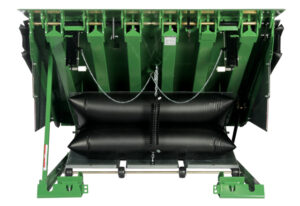
3. Druckluftbetriebene Verladerampe
Eine Druckluft-Verladerampe verwendet Druckluft, um die Plattform anzuheben.
Merkmale:
- Reibungsloser Betrieb
- Weniger bewegliche Teile
- Reduzierter Wartungsaufwand
Am besten geeignet für:
- Mittelgroße Lagerhäuser
- Einrichtungen mit geringem Wartungsbedarf
Schlüsselwörter:
- druckluftbetriebene Verladerampe
- Airbag-Verladerampensystem
- wartungsarme Laderampenausrüstung
Verladerampe vs. Laderampe
Viele Käufer verwechseln Laderampenausgleichern mit Laderampen, jedoch dienen sie unterschiedlichen Zwecken.
| Merkmale | Dock Leveler | Laderampe |
|---|---|---|
| Einrichtung | Fest am Dock installiert | Portable |
| Verwendung | Permanente Verladebuchten | Temporäre Verladung |
| Capacity | Hoch | Mittel |
| Stabilität | Sehr stabil | Weniger stabil |
Für den dauerhaften Lagerbetrieb ist ein fester Ladebrücken die bessere Wahl.


Wo werden industrielle Dock Leveler eingesetzt?
1. Lager- und Logistikzentren
Die häufigste Anwendung von Lager-Ladebrücken findet sich in Logistikknotenpunkten, wo Lkw häufig Waren be- und entladen.
2. Produktionsstätten
Fabriken nutzen industrielle Ladebrücken , um Rohstoffe und Fertigprodukte effizient zu handhaben.
3. Kühlhäuser und Lebensmittelindustrie
Ladebrücken helfen, die Temperaturkontrolle aufrechtzuerhalten, wenn sie mit Dockschutzwänden und isolierten Türen kombiniert werden.
4. Einzelhandelsverteilzentren
Einzelhandelslager verlassen sich auf Ladedocksysteme für einen schnellen Warenumschlag.
Wie wählt man die richtige Verladerampe aus?
Die Auswahl der richtigen Ladebrücke für den Lagereinsatz hängt von mehreren Faktoren ab:
1. Lastkapazität
Wählen Sie basierend auf Gabelstaplergewicht + Frachtgewicht.
2. Dockshöhenbereich
Stellen Sie sicher, dass die Ladebrücke unterschiedliche Lkw-Höhen bewältigen kann.
3. Nutzungshäufigkeit
Hochfrequente Betriebe sollten hydraulische Ladebrücken.
verwenden.
4. Installationsumgebung.
Innen- oder Außenbedingungen können Material und Design beeinflussen.
5. Budget.
Häufig gestellte Fragen
Mechanische Systeme sind in der Anschaffung günstiger, während hydraulische Systeme langfristige Effizienz bieten.
Was ist der Hauptzweck einer Ladebrücke?.
Eine sichere und glatte Brücke zwischen Lagerboden und Lkw zum Be- und Entladen zu schaffen.
A hydraulische Überladebrücke Welche Ladebrücke eignet sich am besten für starke Nutzung?.
ist am besten für hochfrequente und schwere Betriebe geeignet.
Sind Ladebrücken sicher?.
Ja, bei ordnungsgemäßer Installation und Wartung verbessern sie die Ladesicherheit erheblich.
Benötigen kleine Lager Ladebrücken?.
Warum SEPPES Verladerampen wählen?
Ja, selbst kleine Betriebe profitieren von verbesserter Effizienz und reduziertem Arbeitsrisiko. Laderampenausrüstung, einschließlich:
- Hydraulische Laderampen
- SEPPES bietet leistungsstarke
- mechanische Ladebrücken
- maßgeschneiderte Docklösungen
Vorteile von SEPPES:
- integrierte Docksysteme (mit Türen und Schutzwänden)
- langlebiges Stahlplattformdesign
- Optionen für hohe Lastkapazitäten
- CE-zertifizierte Produkte
- verfügbare Sondergrößen
- professionelle Installationsunterstützung
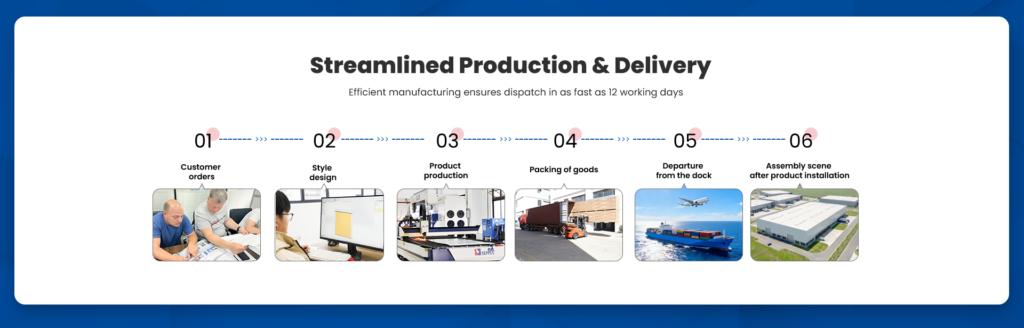
weltweit exportiert.
Abschließende Gedanken
A Laderampenausgleichern SEPPES-Lösungen sind darauf ausgelegt, Sicherheit, Effizienz und langfristige Zuverlässigkeit im Lagerbetrieb zu verbessern. ist ein kritischer Bestandteil jedes effizienten Ladedocksystems. Ob Sie ein Lager, eine Fabrik oder ein Verteilzentrum betreiben, die Wahl der richtigen Ladebrückenausrüstung.
Falls Sie eine Modernisierung Ihrer Verladerampe planen, kann SEPPES die passende Lösung für Laderampenüberfahrbrücken bereitstellen zugeschnitten auf Ihre Bedürfnisse.