
How to Choose Reliable Dock Levelers for Warehouses
Choosing reliable dock levelers for warehouses requires more than comparing prices or rated capacities. A suitable dock leveler must accommodate forklift traffic, variations in truck-bed height, daily loading frequency, installation conditions, and workplace safety requirements.
Warehouse managers, procurement teams, and facility engineers should evaluate the complete loading operation before selecting equipment. This guide explains how to compare loading dock levelers, assess reliability, and prepare the technical information needed for a manufacturer quotation.
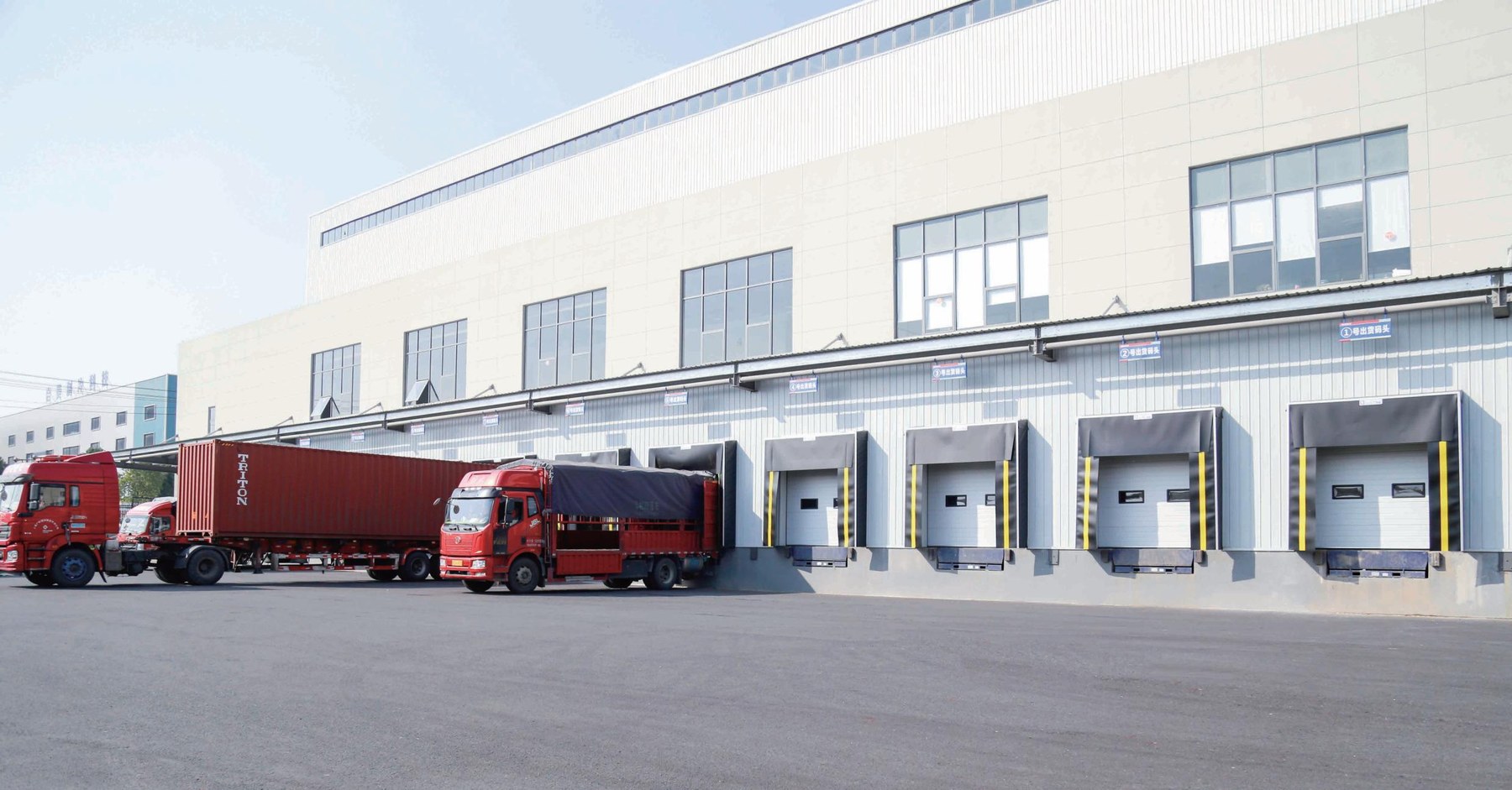
1. What Makes a Warehouse Dock Leveler Reliable?
A reliable dock leveler provides a suitable transition between a warehouse platform and a transport vehicle under the conditions for which it was designed. Reliability depends on equipment selection, structural design, correct installation, maintenance, and appropriate operating procedures.
When comparing dock levelers, buyers should focus on five main factors:
- Load suitability: the equipment must support the intended forklift and cargo operation within its approved rating.
- Operating frequency: the mechanism, structure and components must suit the expected daily loading cycles.
- Truck compatibility: platform dimensions, working range and lip contact must suit the vehicle fleet.
- Segurança: appropriate operating controls, maintenance supports, surface grip and vehicle movement precautions must be considered.
- Serviceability: inspection access, spare parts, maintenance documentation and technical support should be available.
2. Types of Loading Dock Levelers for Warehouses
Different loading dock levelers are designed for different installation conditions and operating demands. The most suitable type depends on the existing building, vehicle fleet, traffic level and budget.
Niveladores de Doca Hidráulicos
Hydraulic dock levelers use a powered hydraulic system to operate the platform and lip mechanism. They are commonly considered for warehouses and distribution centers with repeated forklift loading operations.
Benefits can include controlled platform movement, convenient operation, and configurations for demanding loading environments. Buyers should still evaluate hydraulic component maintenance, power requirements, rated capacity and available pit dimensions.
Explore the SEPPES hydraulic dock leveler for product configurations and technical specifications.
Niveladores de Doca Mecânicos
Mechanical dock levelers use spring-assisted mechanisms and manual operating arrangements. They may suit certain warehouse applications where the equipment configuration and operating frequency justify this approach.
Buyers should consider operating effort, spring maintenance, adjustment requirements and the manufacturer's rated working conditions.
Niveladores de Borda de Doca
Edge-of-dock levelers are compact units installed at the dock face rather than in a conventional recessed pit. They may be appropriate when the vehicle-height variation and operating requirements fall within the unit's approved working range.
An edge-of-dock unit is not automatically interchangeable with a full-size pit-mounted dock leveler. Its capacity, working range, mounting structure and compatibility with material-handling equipment must be confirmed.
Dock Leveler Type Comparison
| Tipo | Typical Consideration | Key Selection Questions |
|---|---|---|
| Hidráulico | Repeated powered loading operations | Capacity, operating frequency, pit dimensions, hydraulic maintenance |
| Mecânico | Sites considering spring-operated equipment | Operating effort, maintenance, duty rating, available space |
| Edge-of-dock | Compact dock-face installations | Vehicle-height variation, mounting structure, working range |
3. Choose the Correct Dock Leveler Load Capacity
Load capacity is one of the most important factors when selecting warehouse loading dock equipment. However, the weight of the cargo alone does not determine the required dock leveler capacity.
A forklift crossing the platform also contributes its own operating weight. The equipment experiences concentrated wheel loads and dynamic forces during movement.
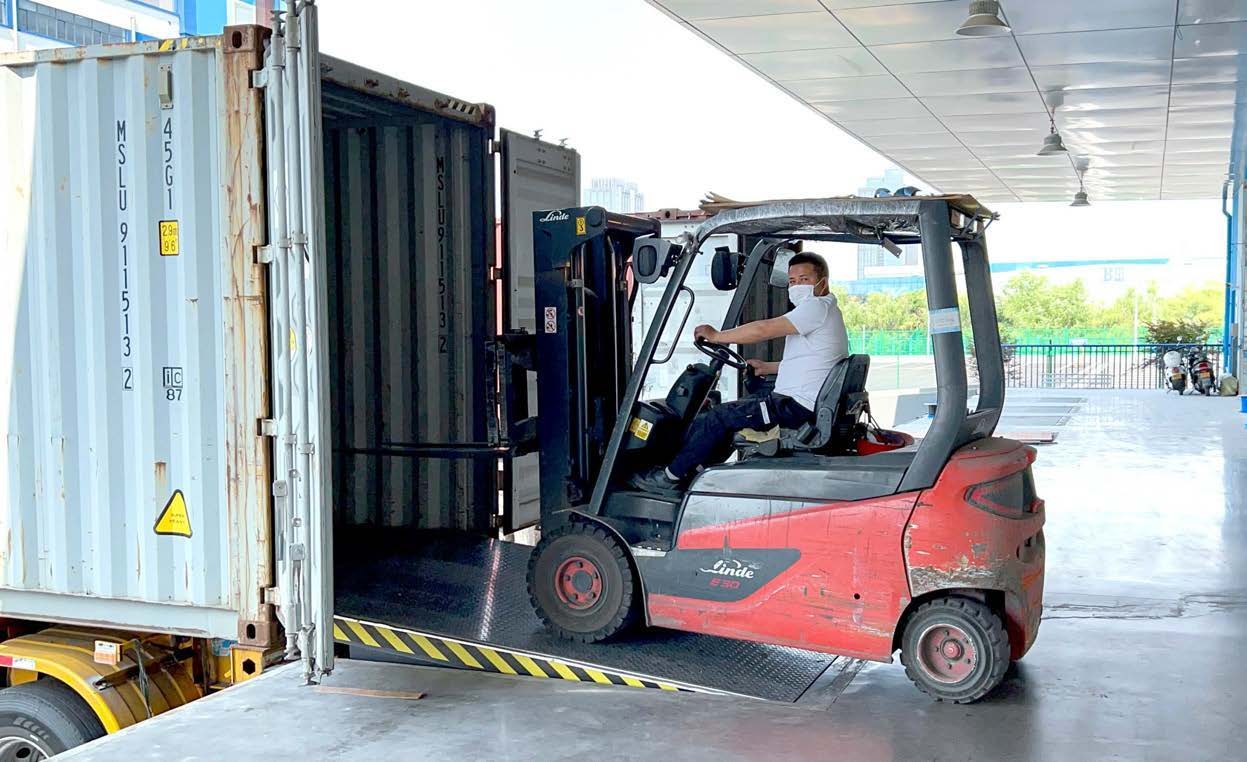
What Information Determines Capacity?
- Forklift manufacturer and model
- Forklift operating weight
- Maximum cargo weight
- Attachments and wheel or axle configuration
- Expected daily crossings
- Operating shifts and duty cycle
- Dock leveler dimensions and truck-height range
For example, if a forklift weighs 4,000 kg and carries 2,000 kg of cargo, the combined static weight is 6,000 kg. This figure alone does not confirm that a 6-ton-rated dock leveler is suitable.
The manufacturer must assess the actual operating conditions and rating method before confirming the appropriate capacity.
For a more detailed explanation, read our dock leveler capacity selection guide .
4. Match Dock Height, Truck Range and Platform Dimensions
A reliable warehouse dock leveler must operate within a suitable height range while maintaining a safe and practical transition for forklifts and cargo.
Before selecting a model, measure the warehouse dock height and identify the minimum and maximum truck-bed heights expected during loading.
Essential Site Measurements
| Measurement | Por que isso é importante |
|---|---|
| Dock height | Determines the relationship between the warehouse floor and vehicle bed. |
| Minimum truck-bed height | Helps determine the required below-dock working range. |
| Maximum truck-bed height | Helps determine the required above-dock working range. |
| Pit width, length and depth | Must match the approved installation drawing. |
| Platform width | Must accommodate the intended handling equipment and operating clearances. |
| Lip reach | Must provide suitable contact with the vehicle under approved working conditions. |
The required dock leveler length also depends on the working range and acceptable operating slope. A greater height difference can create a steeper transition, affecting forklift clearance and load movement.
For installation preparation, see the dock leveler installation guide , which explains pit drawings, site checks and coordination requirements.
5. Evaluate Dock Leveler Safety Features
Loading docks involve interactions between forklifts, pedestrians, vehicles and mechanical equipment. Dock leveler selection should therefore be part of a wider loading bay safety assessment.
Important Safety Considerations
- Anti-slip deck: a suitable working surface helps maintain traction under expected site conditions.
- Maintenance support: approved support arrangements are essential when carrying out maintenance beneath the platform.
- Side protection: appropriate toe guards and structural safeguards help address mechanical movement hazards.
- Operating controls: controls should be suitable for the installation, with required safety and emergency provisions.
- Vehicle movement prevention: wheel chocks, restraints or appropriate procedures should be considered as part of dock safety.
- Inspection: operators should check for damage, obstructions and unsafe working conditions before use.
A as diretrizes de segurança para docas de carga da OSHA explains important forklift hazards around loading docks, including falls and slippery conditions.
The UK's HSE loading area guidance also provides useful considerations for vehicle movement, height differences and pedestrian safety.
Always confirm applicable standards, approved equipment ratings and local safety requirements for the installation country.
6. Check Technical Specifications Before Purchasing
Buyers should request a technical specification sheet for the exact dock leveler model and configuration. General catalog values may not apply to every installation.
SEPPES Hydraulic Dock Leveler Reference Specifications
| Parâmetro | Published Reference Configuration |
|---|---|
| Tipo de produto | Nivelador de Doca Hidráulico |
| Opções de carga nominal | 6T / 8T / 10T / 12T |
| Reference dimensions | 2000 × 2500 × 600 mm |
| Comprimento do Lábio | 400 mm |
| Superfície do tabuleiro | Chapa de aço antiderrapante com padrão texturizado de 8 mm |
| Fonte de alimentação | 380V / 50Hz |
| Reference motor power | 0,75 kW |
| Reference protection grade | IP54 |
| Personalização | Size, capacity, controls, color and safety configuration |
Note: These are published SEPPES reference specifications, not universal requirements. Final specifications, approved operating loads, installation drawings and power arrangements must be confirmed for the selected model.
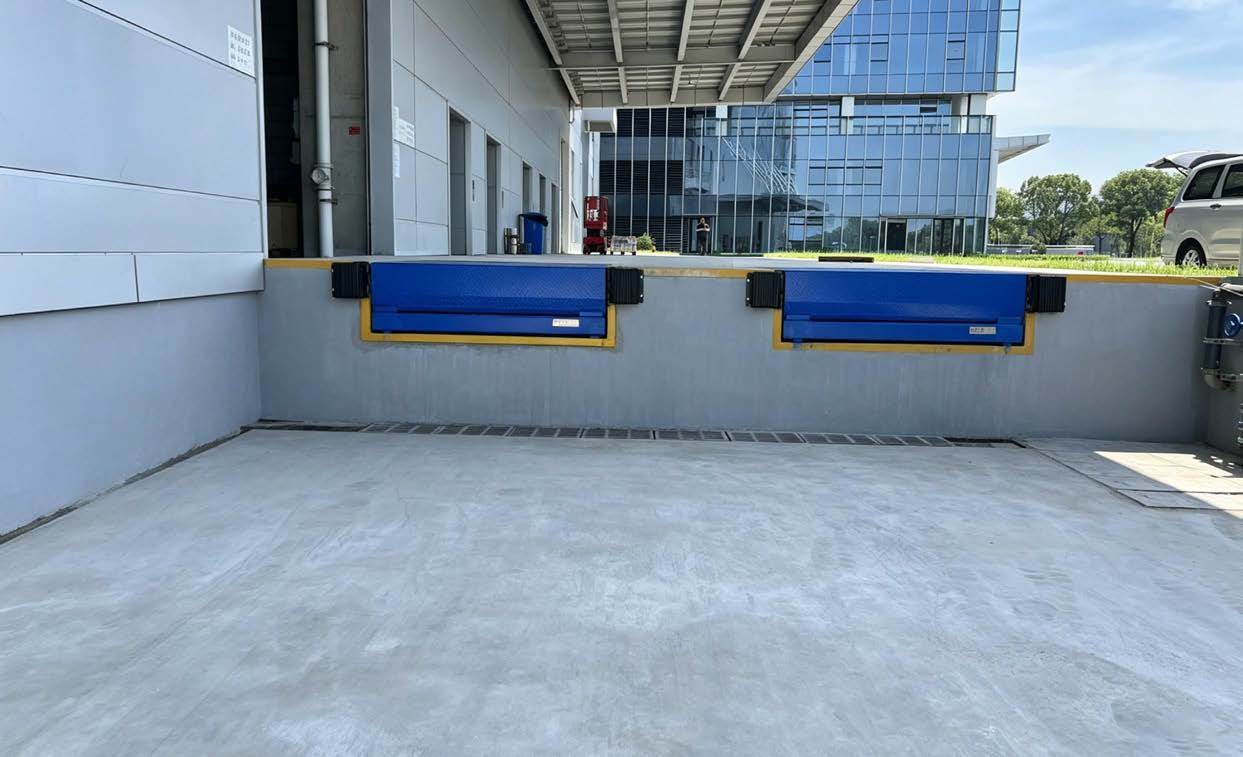
7. Warehouse Dock Leveler Selection Matrix
The following matrix provides a practical starting point for comparing warehouse loading dock equipment. It is not a substitute for project-specific engineering review.
| Warehouse Condition | Initial Selection Direction | What to Verify |
|---|---|---|
| High-frequency forklift traffic | Evaluate powered hydraulic configurations | Capacity, duty cycle, maintenance and vehicle range |
| Limited existing pit space | Compare compact or dock-face solutions | Structural mounting, capacity and working range |
| Multiple truck-bed heights | Select by required vertical operating range | Minimum and maximum truck height, slope and lip contact |
| Heavy industrial cargo | Request a heavy-duty engineering review | Forklift operating weight, wheel loads, deck structure and duty cycle |
| Temperature-sensitive warehouse | Review the complete door and dock system | Sealing, thermal separation, cleaning and environmental exposure |
| New warehouse construction | Coordinate the leveler and civil design early | Pit drawing, dock height, electrical supply and bay layout |
8. Consider the Complete Warehouse Loading Dock System
A dock leveler is only one component of a warehouse loading bay. Reliable daily operation also depends on the relationship between the leveler, warehouse door, truck position, environmental sealing and loading bay safety equipment.
Portas Seccionais Industriais
Warehouse sectional doors control access to the loading opening. Their panel insulation, operating method, track layout and safety accessories should match the warehouse environment and traffic needs.
Dock Shelters and Seals
Dock shelters help protect loading operations from wind, rain, dust and unwanted air exchange. Mechanical, sponge and inflatable arrangements serve different vehicle fleets and sealing needs.
Vehicle Restraints and Bumpers
Vehicle movement precautions and appropriate dock bumpers should be considered during bay design. The actual arrangement depends on truck types, approach geometry and the site's safety procedures.
Explore the complete SEPPES warehouse loading dock equipment range when planning a new facility or upgrading multiple loading positions.
9. What Affects Warehouse Dock Leveler Price?
Dock leveler prices depend on more than the basic equipment type. Two products with similar platform dimensions can have different costs because of their rated capacity, structure, drive configuration, operating requirements and accessories.
Important quotation factors include:
- Required rated capacity and duty cycle
- Platform width and length
- Lip configuration and reach
- Hydraulic or mechanical operating system
- Safety features and control arrangement
- Existing or new installation pit
- Quantity of loading bays
- Electrical and environmental requirements
- Export packaging, destination and shipping terms
For international procurement, compare the total project scope rather than the equipment price alone. Clarify which items are included in the quotation, such as controls, drawings, accessories, shipping, commissioning guidance and spare parts.
10. Common Mistakes When Buying Dock Levelers
Choosing Capacity Based Only on Cargo Weight
The forklift, attachments and dynamic operating forces must also be considered. Always provide the full material-handling equipment information.
Ignoring the Truck Fleet
Truck-bed heights vary with vehicle type and load. A leveler that works for one truck may not accommodate the entire fleet.
Ordering Before Confirming Pit Dimensions
Incorrect pit dimensions can require costly civil modifications. Use approved drawings before construction or equipment installation.
Comparing Purchase Price Without Maintenance Needs
Consider inspection frequency, hydraulic or mechanical maintenance, operating procedures and availability of technical support.
Planning Each Loading Bay Component Separately
Late coordination between the door, shelter, leveler and safety accessories can create installation conflicts or operational limitations.
11. Warehouse Dock Leveler Buying Checklist
Before contacting a dock leveler manufacturer, prepare the following project information:
- Warehouse location and operating environment
- Number of loading bays
- Existing dock height
- Minimum and maximum truck-bed heights
- Existing pit width, length and depth
- Forklift model and operating weight
- Maximum cargo weight
- Wheel-load information, when required
- Daily loading frequency and shift pattern
- Required electrical supply
- Safety, control and sealing requirements
- Destination country and required quantity
Sharing site photographs and engineering drawings can help suppliers understand the project and recommend a suitable configuration.
12. Frequently Asked Questions
What is the best dock leveler for a busy warehouse?
A hydraulic dock leveler may be a suitable option for frequent powered loading operations. However, the correct choice depends on forklift loads, traffic frequency, truck heights, pit conditions, maintenance capability and the manufacturer's approved specifications.
How do I know if a dock leveler is reliable?
Evaluate its capacity rating, structural design, operating range, safety provisions, technical documentation, maintenance requirements and suitability for the actual warehouse application.
Can a dock leveler be customized for my warehouse?
Yes. Depending on the product and engineering requirements, manufacturers may offer different platform sizes, rated capacities, controls, finishes and safety configurations. Final availability should be confirmed by the supplier.
Should I choose a hydraulic or mechanical dock leveler?
The decision depends on operating frequency, handling equipment, maintenance arrangements, installation conditions and budget. Neither operating system is universally best for every warehouse.
What dimensions do I need for a dock leveler quotation?
Provide the dock height, existing pit dimensions, required platform size, truck-bed height range and vehicle information. Installation photographs or engineering drawings are also useful.
Does a warehouse dock leveler need regular maintenance?
Yes. Dock levelers require inspection and maintenance according to the manufacturer's instructions. The schedule depends on equipment design, site conditions and operating frequency.
13. Request a Reliable Dock Leveler Solution from SEPPES
Choosing reliable dock levelers for warehouses starts with an accurate understanding of the loading operation. A suitable configuration should match the vehicle fleet, forklift requirements, installation conditions and expected duty cycle.
SEPPES provides customized hydraulic dock levelers and related loading dock equipment for warehouse, logistics and industrial projects.
Get a Custom Warehouse Dock Leveler Quote
Tell our team about your loading dock requirements to discuss a project-specific equipment configuration.
Please share:
- Dock height and available pit dimensions
- Forklift model and maximum combined loading data
- Minimum and maximum truck-bed heights
- Quantity of dock levelers required
- Destination country or nearest port
- Any requirements for dock shelters or sectional doors