
Gdy szybkość, higiena, oszczędność energii i bezpieczeństwo stają się codziennymi priorytetami, brama szybkobieżna przestaje być produktem standardowym, a staje się aktywem operacyjnym. W przeciwieństwie do wolno działających rolet lub bram segmentowych, PCV brama szybkobieżna otwiera się i zamyka w ciągu kilku sekund, eliminuje wąskie gardła i pomaga obiektom w utrzymaniu spójnych przepływów pracy.
Różne środowiska przemysłowe wymagają bardzo różnych parametrów bram. Magazyn e-commerce może polegać na szybkobbieżnej bramie rolowanej, która natychmiast umożliwia przejazd wózków widłowych, podczas gdy farmaceutyczna sala czysta wymaga hermetycznie zamykającej się bramy szybkobieżnej z zmywalnymi powierzchniami. Magazyny chłodnicze nie mogą iść na kompromis w kwestii izolowanych bram szybkobieżnych, a duże otwory zewnętrzne często wymagają wiatroodpornych systemów składanych.
Niniejszy przewodnik porządkuje rekomendacje dotyczące bram szybkobieżnych według rzeczywistych zastosowań, abyś mógł z pewnością wybrać odpowiednią automatyczną bramę przemysłową.
Przełącz
Toggle1. Magazynowe Bramy Szybkobieżne
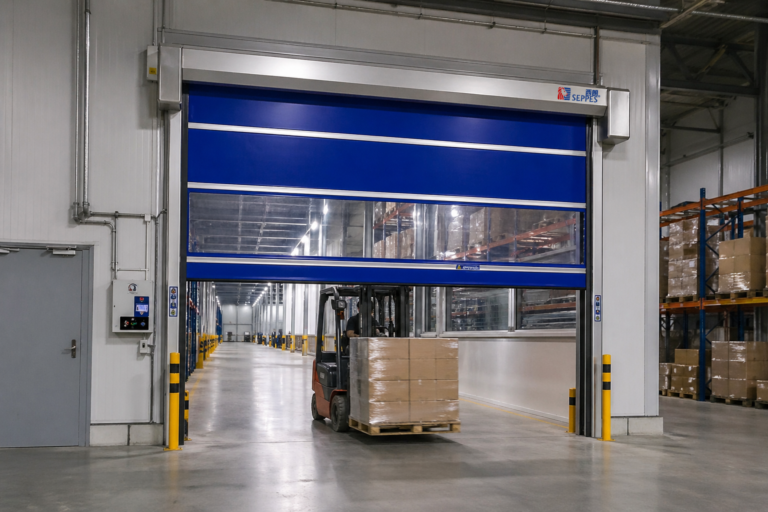
Szybko działające operacje logistyczne zależą od czasu realizacji. Każda sekunda, gdy brama pozostaje zamknięta – lub otwiera się zbyt wolno – powoduje kolejki, wymianę ciepła i frustrację. Magazynowa brama szybkobieżna zamienia strefy załadunku i wysyłki w bezproblemowe punkty przejścia.
Gdzie je znajdziesz
- Strefy załadunku cross-dock
- Centra realizacji zamówień e-commerce
- Korytarze przepływu palet
- Strefy sortowania paczek
Co dodaje wartości
Odpowiednia magazynowa brama szybkobieżna podnosi się z prędkością dopasowaną do rytmu pracy nowoczesnych wózków widłowych. W połączeniu z aktywacją radarową lub pętlą indukcyjną, automatyczna magazynowa brama rolowana eliminuje potrzebę ręcznego sterowania pilotem. W sezonach szczytowych różnica między wolną bramą segmentową a logistyczną bramą szybkobieżną może oznaczać dziesiątki dodatkowych przejazdów palet na godzinę – oraz wymierne oszczędności energii, ponieważ klimatyzowane powietrze pozostaje wewnątrz.
Do tych wymagających zastosowań SEPPES dostarcza PCV bramy szybkobieżne rolowane z wytrzymałymi materiałami kurtyny i zintegrowaną aktywacją czujnikową, reagującą bezpośrednio na ruch w czasie rzeczywistym bez interwencji kierowcy.
2. Fabryczne i Produkcyjne Bramy Szybkobieżne
Hale produkcyjne potrzebują wyraźnych granic między strefami o różnym poziomie czystości, hałasu i warunkach termicznych. Ciężka, wolno działająca brama stalowa działa na niekorzyść szczupłego przepływu. Przemysłowa brama szybkobieżna zbudowana z silnikami do częstych cykli i elastycznymi kurtynami przywraca ten przepływ.
Gdzie je znajdziesz
- Linie montażowe i stanowiska obróbcze
- Wewnętrzne korytarze transportowe
- Separacja między magazynami surowców a strefami wykończenia
- Ściany izolujące hałas lub pył
Dlaczego fabryki przechodzą na bramy szybkobieżne
Fabryczna brama szybkobieżna przyspiesza logistykę wewnętrzną bez poświęcania separacji. Operatorzy przemieszczają towary przez warsztatową bramę PCV, która otwiera się szybko i zamyka szczelnie, utrzymując zanieczyszczenia, opary lub wahania temperatury tam, gdzie powinny. W przeciwieństwie do tradycyjnych stalowych rolet, przemysłowa brama szybkobieżna działa cicho i wytrzymuje setki cykli na zmianę. Przezroczyste panele widokowe, przyciskowe awaryjne zwalnianie i wytrzymałe prowadnice to cechy chroniące ludzi i procesy.
Bramy przemysłowe SEPPES są zaprojektowane do tych środowisk o wysokiej cykliczności i widoczności i mogą być dostosowane do wymiarów otworów powszechnie spotykanych w zakładach przetwórczych i montażowych.
3. Chłodnicze i Mroźnicze Bramy Szybkobieżne
W środowiskach chłodzonych i mrożonych każde niepotrzebne otwarcie bezpośrednio zwiększa obciążenie sprężarek i narastanie lodu. Chłodnicza brama szybkobieżna to nie tylko wygoda – to narzędzie optymalizacji energii.
Gdzie je znajdziesz
- Magazyny żywności mrożonej
- Czyste korytarze przetwórstwa mięsa i nabiału
- Farmaceutyczne strefy buforowe łańcucha chłodniczego
- Wejścia do szokowni
Co robi różnicę
Wysoka prędkość otwierania i zamykania to podstawa. Poza tym, mroźnicza brama szybkobieżna wymaga wielopunktowego uszczelnienia krawędzi, kabli niskotemperaturowych i, w wielu przypadkach, podgrzewanych prowadnic bocznych, aby zapobiec zamarzaniu. Izolowana brama szybkobieżna z termicznie przerywaną kurtyną zachowuje obwiednię temperatury nawet przy dużym natężeniu ruchu. Jeśli Twoja operacja obsługuje setki cykli bramy dziennie, chłodnicza brama PCV ze wzmocnioną kurtyną i silnikiem przystosowanym do pracy w temperaturach poniżej zera staje się niezbędna.
SEPPES oferuje niskotemperaturowe bramy szybkobieżne zaprojektowane specjalnie do tych trudnych warunków, z opcjonalnymi podgrzewanymi komponentami i szczelnymi uszczelkami obwodowymi, które pomagają kontrolować koszty energii.
4. Bramy Szybkobieżne do Pomieszczeń Czystych i Higienicznych
Tam, gdzie regulowana jest jakość powietrza, bramy nie mogą być kwestią drugorzędną. Brama szybkobieżna do pomieszczeń czystych minimalizuje czas, w którym pomieszczenie jest wystawione na sąsiednie, mniej kontrolowane przestrzenie, bezpośrednio wspierając strategie kontroli zanieczyszczeń.
Gdzie je znajdziesz
- Farmaceutyczne strefy napełniania
- Pomieszczenia czyste w przemyśle półprzewodników i elektroniki
- Montaż wyrobów medycznych
- Pomieszczenia pakowania żywności
Cechy chroniące środowisko
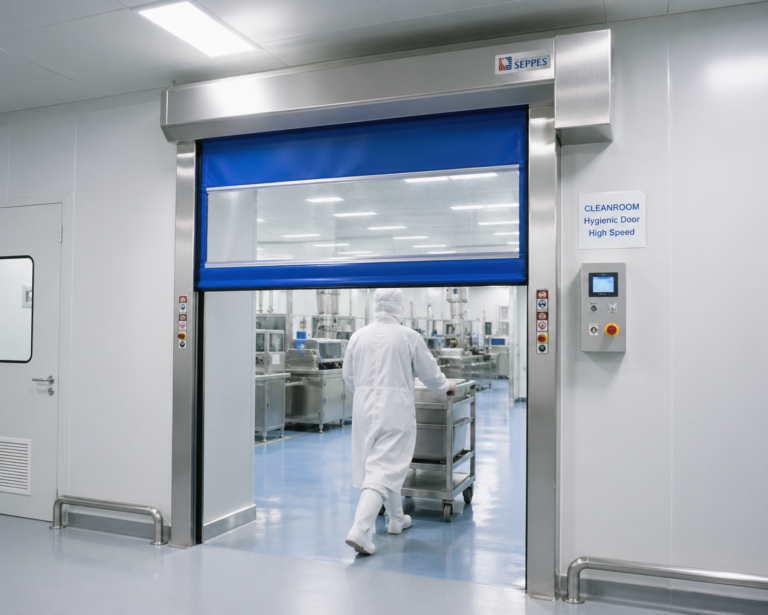
Szybkość to higiena: higieniczna brama szybkobieżna otwiera się i zamyka tak szybko, że kaskady ciśnienia pozostają stabilne. Gładkie, nieporowate powierzchnie kurtyny umożliwiają łatwe wycieranie, a automatyka czujnikowa zapobiega niepotrzebnemu kontaktowi ręcznemu. Farmaceutyczna brama szybkobieżna zazwyczaj obejmuje minimalną liczbę półek lub poziomych powierzchni, na których mógłby osiadać kurz. Gdy specyfikacja wymaga pyłoszczelnej bramy PCV utrzymującej różnice ciśnień, system uszczelnienia prowadnic i logika silnika są równie ważne jak sama kurtyna.
SEPPES wspiera czystą produkcję bramami szybkobieżnymi zaprojektowanymi do zmywalności, szybkiego cyklowania i kompatybilności z dodatnim ciśnieniem powietrza, co czyni je odpowiednimi dla stref klasyfikowanych ISO.
5. Duże Zewnętrzne Bramy Szybkobieżne
Gdy otwory bramy przekraczają sześć metrów szerokości lub są narażone na zewnętrzne obciążenia wiatrem, standardowe konstrukcje rolowane osiągają swoje fizyczne granice. Składana brama szybkobieżna lub wiatroodporna brama szybkobieżna zbudowana w oparciu o system pasów podnoszących lub składania zapewnia stabilność, której wymagają te gigantyczne wejścia.
Gdzie je znajdziesz
- Stacje przetwarzania odpadów i recyklingu
- Hangary lotnicze
- Hale sprzętu górniczego
- Wejścia dla ciężkich ciężarówek i terminale morskie
Na co zwrócić uwagę
Zewnętrzna przemysłowa brama szybkobieżna musi radzić sobie z porywistymi warunkami bez wykolejania się. Duża brama PCV wzmocniona taśmami i naprężonymi prowadnicami bocznymi zwalcza parcie wiatru, zachowując jednocześnie krótkie czasy cyklu, które utrzymują ruch dużych pojazdów. Niektóre konstrukcje wykorzystują składaną kurtynę zamiast pojedynczego bębna rolkowego, co czyni je bardziej wytrzymałymi przy rozpiętościach ośmiu, dziesięciu, a nawet dwunastu metrów.
Do tych wymagających instalacji SEPPES wytwarza wytrzymałe składane bramy szybkobieżne o sprawdzonej, wiatroodpornej konstrukcji, zapewniając niezawodność, której wymagają wielkoskalowe bramy przemysłowe.
Jak Wybrać Odpowiedni System Bramy Szybkobieżnej
Każdy obiekt ma inne priorytety, ale systematyczna lista kontrolna pomoże w podjęciu decyzji.
- Częstotliwość ruchu – Obszary o wysokiej cykliczności wymagają silników i sterowników przystosowanych do ciągłej pracy. Jeśli brama wykonuje więcej niż 100 cykli dziennie, zainwestuj w napędy klasy przemysłowej.
- Lokalizacja wewnętrzna vs. zewnętrzna – Umiejscowienie na zewnątrz wymaga uszczelek atmosferycznych, prowadnic odpornych na korozję, a jeśli miejsce jest wietrzne, wiatroodpornej konstrukcji składanej.
- Higiena i łatwość czyszczenia – Obiekty spożywcze, farmaceutyczne i elektroniczne potrzebują gładkich, zmywalnych kurtyn, bez szczelin i opcjonalnie ze stali nierdzewnej.
- Potrzeby kontroli temperatury – Magazyny chłodnicze i strefy klimatyzowane muszą łączyć szybkość z izolacją; szukaj kurtyn termicznych, podgrzewanych prowadnic i szybkiej logiki samozamykania.
- Wymiary otworu – Gdy szerokość przekracza około pięciu metrów, rozważ składaną bramę szybkobieżną zamiast konwencjonalnej rolety.
Dopasowanie tych czynników do codziennej rzeczywistości szybko wskaże Ci odpowiednią przemysłową bramę szybkobieżną dla Twojego obiektu.
Dlaczego Warto Zaufać SEPPES w Projekcie Bramy Szybkobieżnej?
SEPPES to uznany producent bram przemysłowych z certyfikowanymi produktami CE i bogatym doświadczeniem w dostarczaniu projektów w Europie, Ameryce Północnej i poza nią. Współpracujemy z zarządcami obiektów, wykonawcami i dystrybutorami, aby dostarczać niestandardowe rozwiązania bram szybkobieżnych, które są zgodne z wymaganiami operacyjnymi opisanymi w tym przewodniku.
Współpraca z SEPPES oznacza, że otrzymujesz:
- Modele dopasowane do zastosowania, od magazynowych bram rolowanych po bramy szybkobieżne do pomieszczeń czystych
- Niestandardowe rozmiary, kolory RAL i opcjonalne funkcje
- Solidną dokumentację dla projektantów i instalatorów
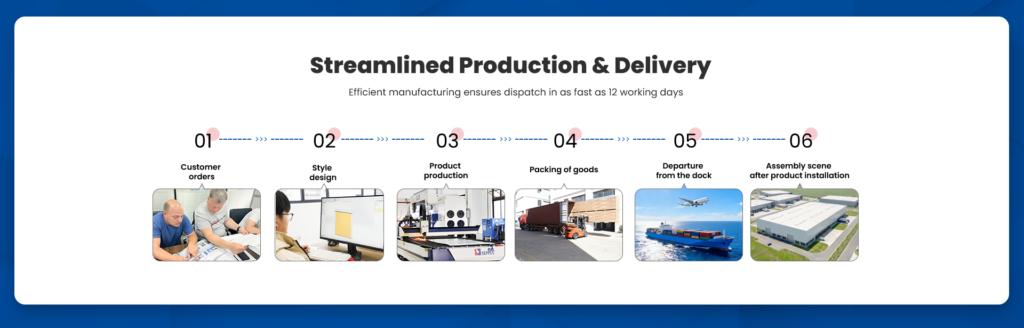
- Niezawodne terminy realizacji i globalne wsparcie logistyczne
- Doradztwo projektowe w ramach obsługi przedsprzedażowej i posprzedażowej, aby uniknąć przewymiarowania lub niedoszacowania technicznego
Niezależnie od tego, czy wyposażasz pojedyncze stanowisko załadunkowe, czy ogólnokrajową sieć chłodni, SEPPES pomoże Ci dobrać system drzwi szybkich, który spełni zarówno wymagania budżetowe, jak i operacyjne.
Często zadawane pytania
Jakie są najlepsze drzwi szybkie do ruchliwego magazynu?
Drzwi szybkie rolowane z PCV wyposażone w czujniki ruchu radarowego są powszechnie uznawane za optymalne rozwiązanie dla ruchu magazynowego. Otwierają się szybko, obsługują częste przejazdy wózków widłowych i ograniczają wymianę energii.
Czy można zamontować drzwi szybkie na ścianie zewnętrznej?
Oczywiście. W miejscach narażonych na działanie czynników atmosferycznych należy wybrać odporne na wiatr drzwi szybkie typu stacking, które wytrzymują porywiste warunki pogodowe i są wykonane z zabezpieczonymi przed korozją prowadnicami.
Czy drzwi szybkie rzeczywiście nadają się do mroźni i chłodni?
Tak. Specjalnie zaprojektowane drzwi szybkie do mroźni z izolowaną kurtyną, szczelnymi uszczelkami krawędziowymi i niskotemperaturowymi elementami elektrycznymi mogą znacznie ograniczyć powstawanie szronu oraz obniżyć rachunki za chłodzenie.
Jak długo wytrzymują drzwi szybkie przy intensywnym użytkowaniu?
Przy regularnej konserwacji zapobiegawczej dobrze zaprojektowane przemysłowe drzwi szybkie mogą niezawodnie służyć przez wiele lat, często przekraczając milion cykli przed koniecznością wymiany głównych komponentów.