
W nowoczesnej logistyce i magazynowaniu kluczowe znaczenie mają wydajność i bezpieczeństwo na rampie załadunkowej. Jednym z niezbędnych urządzeń zapewniających płynny załadunek i rozładunek jest poziomica dokowa.
Czym dokładnie jest poziomica dokowa i w jaki sposób usprawnia operacje magazynowe?
Niniejszy przewodnik wyjaśnia wszystko, co musisz wiedzieć, w tym typy, zastosowania, korzyści oraz sposób doboru odpowiedniej poziomicy dokowej do Twojego obiektu. Firma SEPPES oferuje profesjonalne rozwiązania w zakresie poziomic dokowych zaprojektowane do użytku przemysłowego i komercyjnego.
Przełącz
ToggleCzym są systemy poziomic dokowych?
A poziomica dokowa Jest to mechaniczna lub hydrauliczna platforma instalowana na rampie załadunkowej, która niweluje różnicę wysokości między podłogą magazynu a podwoziem ciężarówki.
Ponieważ ciężarówki mają różne wysokości, poziomica dokowa magazynowa dostosowuje się, tworząc płynne i bezpieczne przejście dla wózków widłowych, paleciaków i pracowników.
Funkcje podstawowe:
- Kompensacja różnic wysokości między dokiem a pojazdem
- Zapewnienie bezpiecznego przemieszczania wózków widłowych
- Zwiększenie wydajności załadunku i rozładunku
- Ograniczenie uszkodzeń produktów i wypadków
Bez odpowiedniego systemu załadunku dokowego, operacje mogą stać się wolne, niebezpieczne i nieefektywne.

Dlaczego poziomice dokowe są ważne?
W ruchliwym środowisku logistycznym nawet drobne nieefektywności mogą powodować opóźnienia. Odpowiednio dobrana przemysłowa poziomica dokowa pomaga:
- Zwiększyć prędkość załadunku
- Zmniejszyć nakład pracy fizycznej
- Poprawić bezpieczeństwo pracowników
- Chronić towary podczas transportu
- Zminimalizować zużycie sprzętu
Dla magazynów, centrów dystrybucyjnych i fabryk poziomice dokowe są niezbędnym sprzętem do transportu materiałów.

Rodzaje mostków przeładunkowych
Różne obiekty wymagają różnych typów systemów poziomic dokowych. Poniżej przedstawiono najczęściej spotykane opcje:
1. Poziomica dokowa hydrauliczna
A Hydrauliczny mostek przeładunkowy Wykorzystuje napędzany układ hydrauliczny do automatycznego podnoszenia i opuszczania platformy.
Cechy:
- Sterowanie przyciskowe
- Płynne i stabilne podnoszenie
- Wysoka nośność
- Niski wysiłek manualny
Najlepsza do:
- Duże magazyny
- Centrach dystrybucyjnych
- Operacje załadunkowe o wysokiej częstotliwości
Słowa kluczowe:
- hydrauliczna poziomica dokowa do magazynu
- automatyczny system poziomicy dokowej
- poziomica dokowa do ciężkich zastosowań

2. Poziomica dokowa mechaniczna
A mechaniczna pochylnia dokowa Działa przy użyciu sprężyn i ręcznych łańcuchów do przeciągania.
Cechy:
- Niższy koszt początkowy
- Brak konieczności instalacji elektrycznej
- Prosta konstrukcja
Najlepsza do:
- Małe magazyny
- Projekty z ograniczonym budżetem
- Operacje o niskiej częstotliwości
Słowa kluczowe:
- mechaniczna pochylnia dokowa
- ręczny system poziomicy dokowej
- ekonomiczny sprzęt do załadunku dokowego
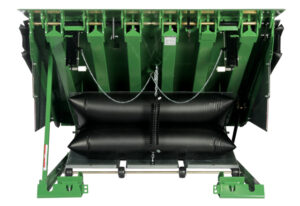
3. Poziomica dokowa pneumatyczna
Izolowane poziomica dokowa z poduszką powietrzną Wykorzystuje sprężone powietrze do podnoszenia platformy.
Cechy:
- Płynna praca
- Mniejsza liczba ruchomych części
- Zmniejszona konserwacja
Najlepsza do:
- Magazyny o średnim obciążeniu
- Obiekty poszukujące niskich kosztów utrzymania
Słowa kluczowe:
- pneumatyczna poziomica dokowa
- system poziomicy dokowej z poduszką powietrzną
- niskokonserwacyjny sprzęt dokowy
Poziomica dokowa a rampa dokowa
Wielu kupujących myli mostków dokowych przy rampy dokowe, ale służą one różnym celom.
| Cecha | Poziomica Dokowa | Rampa dokowa |
|---|---|---|
| Instalacja | Zamocowana na stałe przy doku | Portable |
| Zastosowanie | Stałe stanowiska załadunkowe | Tymczasowy załadunek |
| Capacity | Wysoka | Średnie |
| Stabilność | Bardzo stabilna | Mniej stabilna |
W przypadku stałych operacji magazynowych, stały poziomownik dokowy jest lepszym wyborem.


Gdzie stosuje się przemysłowe poziomice dokowe?
1. Magazyny i centra logistyczne
Najczęstsze zastosowanie magazynowych poziomowników dokowych występuje w węzłach logistycznych, gdzie ciężarówki często załadowują i rozładowują towary.
2. Zakłady produkcyjne
Fabryki używają przemysłowych poziomowników dokowych do efektywnego obsługiwania surowców i gotowych produktów.
3. Chłodnie i przemysł spożywczy
Poziomowniki dokowe pomagają utrzymać kontrolę temperatury w połączeniu z osłonami dokowymi i izolowanymi drzwiami.
4. Centra dystrybucji detalicznej
Magazyny detaliczne polegają na systemach załadunkowych w celu szybkiego przepływu towarów.
Jak wybrać odpowiednią poziomicę dokową?
Wybór odpowiedniego poziomownika dokowego do użytku magazynowego zależy od kilku czynników:
1. Nośność
Wybierz na podstawie wagi wózka widłowego + wagi ładunku.
2. Zakres wysokości doku
Upewnij się, że poziomownik może obsłużyć różne wysokości ciężarówek.
3. Częstotliwość użytkowania
Operacje o wysokiej częstotliwości powinny używać hydraulicznych poziomowników dokowych.
4. Środowisko instalacji
Warunki wewnętrzne lub zewnętrzne mogą wpływać na materiał i konstrukcję.
5. Budżet
Systemy mechaniczne kosztują mniej na początku, podczas gdy systemy hydrauliczne oferują długoterminową wydajność.
Często zadawane pytania
Jaki jest główny cel stosowania pochylni dokowej?
Stworzenie bezpiecznego i płynnego połączenia między podłogą magazynu a ciężarówką w celu załadunku i rozładunku.
Która pochylnia dokowa jest najlepsza do intensywnego użytkowania?
A Hydrauliczny mostek przeładunkowy jest najlepszy do operacji o wysokiej częstotliwości i dużym obciążeniu.
Czy poziomowe platformy dokowe są bezpieczne?
Tak, przy prawidłowym montażu i konserwacji znacząco poprawiają bezpieczeństwo załadunku.
Czy małe magazyny potrzebują poziomych ramp przeładunkowych?
Tak, nawet małe operacje korzystają z poprawy wydajności i zmniejszenia ryzyka związanego z pracą.
Dlaczego warto wybrać poziomice dokowe SEPPES?
SEPPES dostarcza wysokowydajne wyposażenie doku załadunkowego, w tym:
- Hydrauliczne rampy dokowe
- Mechaniczne poziomowniki dokowe
- Dostosowane rozwiązania dokowe
- Zintegrowane systemy dokowe (z drzwiami i osłonami)
Zalety SEPPES:
- Wytrzymała konstrukcja stalowej platformy
- Opcje wysokiej nośności
- Produkty z certyfikatem CE
- Dostępne niestandardowe rozmiary
- Profesjonalne wsparcie instalacyjne
- Eksportowane na cały świat
Rozwiązania SEPPES są zaprojektowane w celu poprawy bezpieczeństwa, wydajności i długoterminowej niezawodności w operacjach magazynowych.
Podsumowanie
A poziomica dokowa jest kluczowym elementem każdego wydajnego systemu załadunkowego. Niezależnie od tego, czy prowadzisz magazyn, fabrykę czy centrum dystrybucji, wybór odpowiedniego sprzętu poziomownika dokowego może znacząco poprawić produktywność i bezpieczeństwo.
Jeśli planujesz modernizację swojego doku załadunkowego, SEPPES może dostarczyć odpowiednie rozwiązanie poziomownika dokowego dostosowana do Twoich potrzeb.