
En la logística y el almacenamiento modernos, la eficiencia y la seguridad en el muelle de carga son fundamentales. Un equipo esencial que garantiza una carga y descarga fluidas es el nivelador de muelle.
Pero, ¿qué es exactamente un nivelador de muelle y cómo mejora las operaciones del almacén?
Esta guía explica todo lo que necesita saber, incluidos tipos, aplicaciones, beneficios y cómo elegir el nivelador de muelle adecuado para sus instalaciones. SEPPES ofrece soluciones profesionales de niveladores de muelle diseñadas para uso industrial y comercial.
Índice
Toggle¿Qué es un sistema de niveladores de muelle?
A niveladores de muelle Es una plataforma mecánica o hidráulica instalada en un muelle de carga para salvar la diferencia de altura entre el suelo del almacén y la plataforma del camión.
Dado que los camiones tienen diferentes alturas, un nivelador de muelle para almacén se ajusta para crear una transición suave y segura para montacargas, transpaletas y trabajadores.
Funciones principales:
- Compensar las diferencias de altura entre el muelle y el vehículo
- Garantizar el movimiento seguro del montacargas
- Mejorar la eficacia de la carga y descarga
- Reducir daños a los productos y accidentes
Sin un sistema de carga de muelle, adecuado, las operaciones pueden volverse lentas, inseguras e ineficientes.

¿Por qué son importantes los niveladores de muelle?
En entornos logísticos concurridos, incluso pequeñas ineficiencias pueden causar retrasos. Un nivelador de muelle industrial correctamente seleccionado ayuda a:
- Aumentar la velocidad de carga
- Reducir el esfuerzo laboral
- Mejorar la seguridad del trabajador
- Proteger las mercancías durante el transporte
- Minimizar el desgaste del equipo
Para almacenes, centros de distribución y fábricas, los niveladores de muelle son equipos esenciales de manejo de materiales.

Tipos de Niveladores de Muelle
Diferentes instalaciones requieren diferentes tipos de sistemas de niveladores de muelle. A continuación se presentan las opciones más comunes:
1. Nivelador de muelle hidráulico
A rampa niveladora hidráulica Utiliza un sistema hidráulico motorizado para elevar y bajar la plataforma automáticamente.
Características:
- Operación con botón pulsador
- Elevación suave y estable
- Alta capacidad de carga
- Bajo esfuerzo manual
Mejor para:
- Grandes almacenes
- Centros de distribución
- Operaciones de carga de alta frecuencia
Palabras clave:
- nivelador de muelle hidráulico para almacén
- sistema automático de nivelador de muelle de carga
- nivelador de muelle de servicio pesado

2. Nivelador de muelle mecánico
A nivelador de muelle mecánico Funciona mediante resortes y cadenas de tracción manual.
Características:
- Menor costo inicial
- No requiere sistema eléctrico
- Estructura simple
Mejor para:
- Pequeños almacenes
- Proyectos con presupuesto ajustado
- Operaciones de baja frecuencia
Palabras clave:
- nivelador de muelle mecánico
- sistema de nivelador de muelle manual
- equipo de carga de muelle rentable
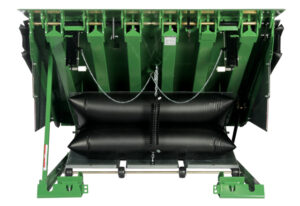
3. Nivelador de muelle neumático
En nivelador de muelle de bolsa de aire Utiliza aire comprimido para elevar la plataforma.
Características:
- Buen funcionamiento
- Menos piezas móviles
- Mantenimiento reducido
Mejor para:
- Almacenes de uso mediano
- Instalaciones que buscan bajo mantenimiento
Palabras clave:
- nivelador de muelle neumático
- sistema de nivelador de muelle con bolsa de aire
- equipo de muelle de bajo mantenimiento
Nivelador de muelle vs Rampa de muelle
Muchos compradores confunden niveladores de muelles con las rampas de muelle, pero cumplen diferentes propósitos.
| Característica | Rampa niveladora | Rampa de muelle |
|---|---|---|
| Instalación | Fija en el muelle | Portátil |
| Uso | Bahías de carga permanentes | Carga temporal |
| Capacity | Alta | Medio |
| Estabilidad | Muy estable | Menos estable |
Para operaciones permanentes en almacenes, un nivelador de muelle fijo es la mejor opción.


¿Dónde se utilizan los niveladores de muelle industriales?
1. Centros de almacenamiento y logística
El uso más común de los niveladores de muelle para almacenes es en centros logísticos donde los camiones cargan y descargan mercancías con frecuencia.
2. Instalaciones de fabricación
Las fábricas utilizan niveladores de muelle industriales para manejar materias primas y productos terminados de manera eficiente.
3. Almacenamiento en frío e industria alimentaria
Los niveladores de muelle ayudan a mantener el control de temperatura cuando se combinan con refugios para muelles y puertas aisladas.
4. Centros de distribución minorista
Los almacenes minoristas dependen de sistemas de muelles de carga para un movimiento rápido de inventario.
¿Cómo elegir el nivelador de muelle adecuado?
Seleccionar el nivelador de muelle adecuado para uso en almacenes depende de varios factores:
1. Capacidad de carga
Elija según el peso del montacargas + el peso de la carga.
2. Rango de altura del muelle
Asegúrese de que el nivelador pueda manejar diferentes alturas de camiones.
3. Frecuencia de uso
Las operaciones de alta frecuencia deben utilizar niveladores de muelle hidráulicos.
4. Entorno de instalación
Las condiciones interiores o exteriores pueden afectar el material y el diseño.
5. Presupuesto
Los sistemas mecánicos tienen un costo inicial menor, mientras que los sistemas hidráulicos ofrecen eficiencia a largo plazo.
Preguntas frecuentes
¿Cuál es el propósito principal de un nivelador de muelle?
Crear un puente seguro y suave entre el piso del almacén y el camión para la carga y descarga.
¿Qué nivelador de muelle es mejor para uso intensivo?
A rampa niveladora hidráulica Es el mejor para operaciones de alta frecuencia y trabajo pesado.
¿Son seguros los niveladores de muelle?
Sí, cuando se instalan y mantienen adecuadamente, mejoran significativamente la seguridad en la carga.
¿Los almacenes pequeños necesitan niveladores de muelle?
Sí, incluso las operaciones pequeñas se benefician de una mayor eficiencia y una reducción del riesgo laboral.
¿Por qué elegir los niveladores de muelle SEPPES?
SEPPES proporciona equipos para muelles de cargaincluyendo:
- Los niveladores de muelle hidráulicos
- Niveladores de muelle mecánicos de alto rendimiento
- Soluciones de muelle personalizadas
- Sistemas de muelle integrados (con puertas y refugios)
Ventajas de SEPPES:
- Diseño de plataforma de acero duradero
- Opciones de alta capacidad de carga
- Productos certificados CE
- Tamaños personalizados disponibles
- Soporte de instalación profesional
- Exportados a todo el mundo
Las soluciones SEPPES están diseñadas para mejorar la seguridad, eficiencia y confiabilidad a largo plazo en las operaciones de almacén.
Reflexiones finales
A niveladores de muelle Es una parte crítica de cualquier sistema de muelle de carga eficiente. Ya sea que opere un almacén, fábrica o centro de distribución, elegir el equipo de nivelador de muelle adecuado puede mejorar significativamente la productividad y la seguridad.
Si está planeando mejorar su muelle de carga, SEPPES puede proporcionar la solución adecuada de nivelador de muelle adaptados a sus necesidades.