
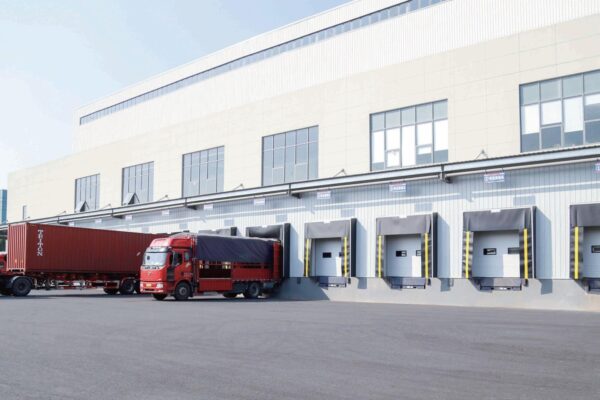
装卸货平台是仓库中少数几个重型卡车、叉车、行人和移动装卸设备在同一狭小空间内作业的区域之一。.
这种组合会产生多种风险。.
叉车可能行驶得过于靠近敞开的平台边缘。挂车可能在装卸作业仍在进行时发生移动。装卸货平台调平器可能被超出其额定承载能力使用。雨、雪或冰会降低摩擦力。司机和仓库操作人员也可能对装卸是否实际完成产生误解。.
OSHA特别警告称,装卸货平台对叉车而言可能是危险场所, 且叉车从装卸货平台坠落可能致命。OSHA将从不设防护的平台边缘坠落以及在潮湿或结冰表面打滑或滑倒列为操作人员需要管理的危害。.
因此,有效的装卸货平台安全需要不止一种安全装置。.
它需要设备、操作程序、沟通和员工培训的正确组合。.
本装卸货平台安全检查清单阐述了七项主要风险以及仓库操作人员和采购方应考虑的实用控制措施。.
装卸货平台为何危险?
与大多数仓库地面不同,装卸货平台将固定结构与可能移动的车辆连接起来。.
仓库地面保持在同一高度,而挂车高度可能随货物装卸而变化。卡车可能因悬架运动、制动状况或司机操作而发生移动。叉车反复穿越过渡区域,承载集中载荷。.
当开口处未停放挂车时,平台还会形成暴露的高度差。.
OSHA的工业动力车辆指南强调了若干与叉车相关的危害,包括叉车被无意驶离装卸货平台、坠落于平台与未固定挂车之间以及撞击工人。.
这就是为什么装卸货平台处的仓库安全必须同时解决设备和操作环境两方面的问题。.
应检查的7项装卸货平台安全风险
1. 卡车与平台之间的间隙
装卸货平台调平器在仓库地面与挂车车厢底板之间形成过渡。.
如果车辆定位不正确,或者平台与挂车未能保持充分接触,就可能产生不安全的间隙或过渡。.
穿越该区域的叉车承载着巨大的总重量:
叉车 + 操作员 + 货物。.
装载开始前,操作员应确认拖车已正确就位,且登车桥已建立预期的工作位置。.
登车桥的选择还应基于预期卡车车厢高度范围,而非仅依据装卸口开口的物理尺寸。.
2. 叉车从平台边缘坠落
当拖车不在位或工业门在车辆正确就位前已打开时,暴露的装卸口边缘尤为危险。.
OSHA建议叉车操作员与装卸口边缘保持安全距离,减速慢行,注意附近人员并保持工作表面畅通。OSHA还建议清晰标记装卸口边缘以提高可见性。.
在以下情况下,可见性尤为重要:
- 夜间作业;;
- 繁忙的装卸时段;;
- 倒车作业;;
- 照明不良的装卸口;;
- 托盘或设备遮挡驾驶员视线的作业。.
物理屏障、操作程序、照明和清晰的边缘标记均可构成更广泛的叉车安全策略的组成部分。.
3. 挂车蠕移
当叉车反复进出拖车时,拖车并不总是保持完全静止。.
移动可能逐渐增大拖车与装卸口之间的距离。这种情况通常被称为拖车蠕移或装卸口漂移。.
即使是相对较小的移动也可能降低登车桥的有效支撑和定位。.
这使得控制拖车移动成为卡车装卸口安全的重要组成部分。.
根据具体作业情况,设施可使用车轮挡块或合适的机械车辆约束系统来帮助保持拖车就位。.
OSHA 1910.26要求采取车轮挡块, 、沙鞋或其他适当措施,防止运输车辆在员工位于登车板上时发生移动。.
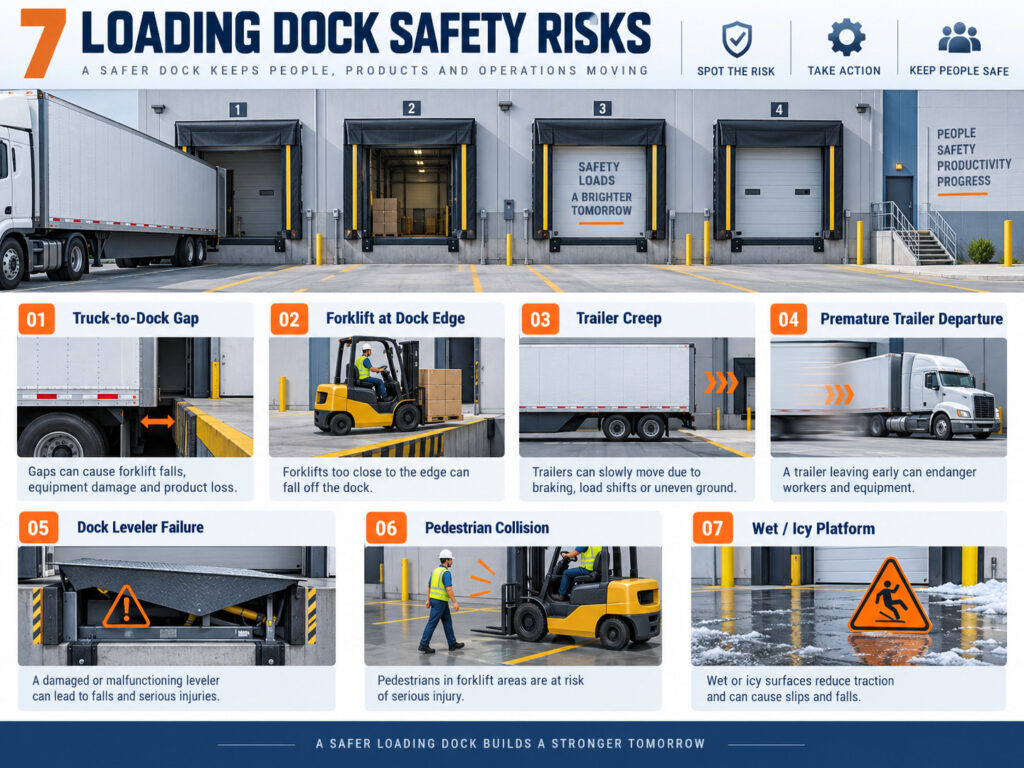
4. 挂车过早驶离
拖车蠕移通常是逐渐发生的。.
拖车提前驶离则可能突然发生。.
驾驶员可能认为装载已完成并开始驶离,而叉车仍在拖车内或正在接近登车桥。.
后果可能非常严重。.
随着拖车驶离,装卸口与车辆之间的桥梁可能消失,对叉车和操作员构成坠落危险。.
OSHA已专门针对此问题作出规定, ,指出与卡车在动力工业车辆使用登车板时驶离相关的伤害事故。OSHA指出,雇主需要一套系统来帮助确保驾驶员在装卸过程中不会驶离。.
因此,仓库与驾驶员之间的清晰沟通至关重要。.
装卸口交通信号灯系统可以发挥作用。.
例如:
外部红灯: 驾驶员保持静止。.
内部绿灯指示: 仓库人员可按照现场操作程序继续作业。.
在适用于使用该装卸口的拖车的情况下,车辆约束装置可提供额外的物理控制。.
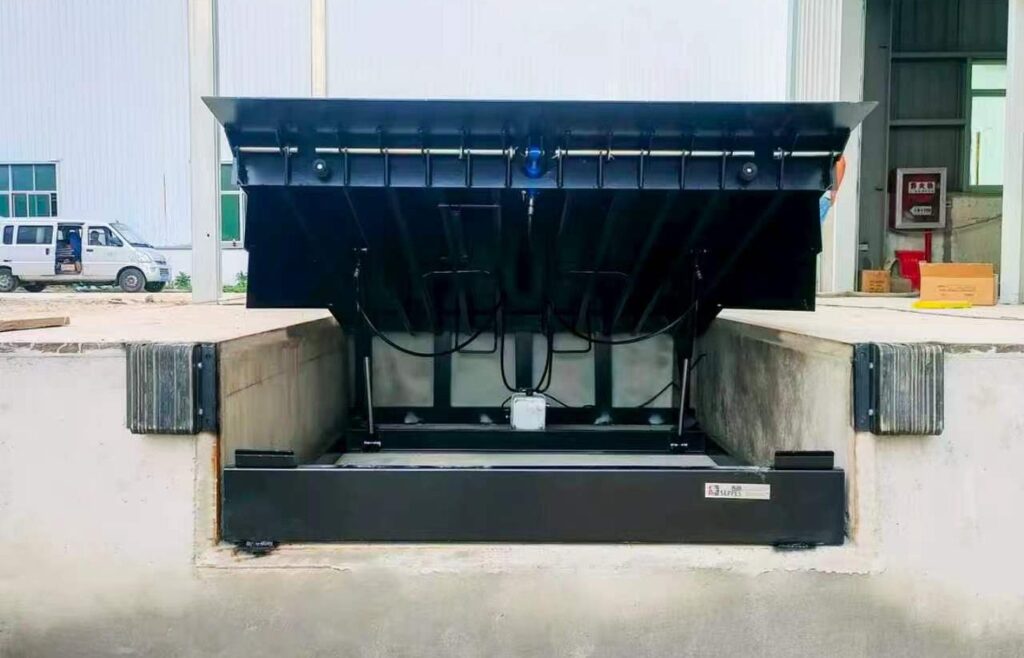
5. 装卸货平台调平器故障或承载能力不正确
登车桥本身也必须适合具体应用场景。.
根据OSHA 1910.26,登车板必须能够承受最大预期载荷。OSHA对“登车板”的定义明确包括登车桥以及登车板和桥板。.
对采购方而言,这意味着额定承载能力不应仅根据货物重量来选择。.
考虑以下装载作业:
4,000公斤叉车
- 2,000公斤托盘化货物。.
装卸设备承受的是整个物料搬运作业产生的作业载荷,而不仅仅是2,000公斤的货物。.
使用频率同样重要。.
偶尔进行托盘搬运的装卸口与叉车每天数百次穿越登车桥的配送中心相比,其作业需求可能有所不同。.
因此,在选择登车桥之前,采购方应向制造商提供准确的叉车或AGV规格、货物重量和装卸频率。.
6. 行人与叉车碰撞
叉车并非装卸区域的唯一使用者。.
卡车驾驶员、装卸人员、维护技术人员和仓库工作人员都可能经过同一环境。.
OSHA将仓库描述为人员、车辆和设备不断移动的混合场所,并强调应针对工作场所特定条件对叉车操作员进行培训。.
存在盲角、停放的拖车或堆叠托盘的装卸口可能使可见性更差。.
在无法从该区域消除行人通行的情况下,设施应考虑如何将人员与叉车分隔以及如何传达优先通行权。.
根据现场情况,这可能涉及标记人行通道、屏障、警示灯、镜子或受控出入。.
The objective is simple:
people should not unexpectedly enter a forklift’s travel path.
7. 潮湿、结冰或受污染的平台表面
Loading docks are often directly exposed to outdoor conditions.
Rain can enter around a vehicle. Snow can be carried onto a platform. Cold-storage applications can experience moisture or icing. Oil, grease and debris can further reduce traction.
OSHA advises keeping loading dock working surfaces clear and clean and specifically identifies wet or icy conditions as a skidding and slipping hazard. Its forklift guidance also notes that operating surfaces should be free from grease, oil and obstructions that could cause a lift truck to skid, bounce or tip.
Dock shelters or seals can help reduce direct exposure around a parked trailer, but they do not replace housekeeping and inspection.
For cold climates and refrigerated operations, drainage, surface condition and ice management deserve particular attention.
装卸货台安全检查清单
A practical loading dock safety program should cover the complete loading cycle.
| 检查项目 | 需核实事项 |
|---|---|
| ☐ Trailer positioned correctly | Vehicle is aligned with the loading bay |
| ☐ Vehicle movement controlled | Required chock/restraint procedure has been completed |
| ☐ Communication confirmed | Driver and warehouse personnel understand loading status |
| ☐ Door opening clear | No people or obstacles are in the movement area |
| ☐ Dock leveler inspected | No visible structural, hydraulic or control damage |
| ☐ Capacity suitable | Forklift, cargo and operating conditions are within the intended application |
| ☐ Platform positioned correctly | Leveler has appropriate contact with the trailer |
| ☐ Surface clean and dry | No ice, oil, debris or other slip hazards |
| ☐ Dock edge visible | Markings, lighting and barriers are appropriate |
| ☐ Pedestrian route clear | Pedestrians are separated or controlled |
| ☐ Trailer condition checked | Trailer floor and structure are suitable for forklift entry |
| ☐ Loading complete | Forklift and personnel have fully exited |
| ☐ Leveler returned | Platform is restored to its stored position |
| ☐ Door closed | Loading opening is secured where required |
| ☐ Vehicle released | Driver receives clear permission before departure |
This checklist should be adapted to the equipment, traffic patterns and operating procedures of each facility rather than treated as a substitute for a site-specific safety assessment.
OSHA对装卸货平台安全有何要求?
For U.S. facilities, several OSHA requirements are especially relevant.
OSHA 29 CFR 1910.26 requires dockboards to support the maximum intended load. Newer dockboards covered by the rule generally need protection against transfer vehicles running off the edge, subject to the stated exception. Portable dockboards must be secured against unsafe movement, and employers must use measures to prevent trucks, semi-trailers, trailers or rail cars from moving while employees are on the dockboard.
OSHA separately defines dockboards to include 码头平整机, which is why these requirements matter to permanently installed loading dock equipment as well as other dockboard types.
For forklift operations, 29 CFR 1910.178 and associated OSHA guidance are also relevant. OSHA identifies powered industrial trucks as a major source of hazards during loading and unloading and emphasizes proper training and safe operating practices.
A key point for buyers is that OSHA does not simply say:
“Every loading dock must use a trailer restraint.”
The requirement is to prevent unsafe vehicle movement using appropriate measures.
OSHA guidance allows a positive mechanical means of securing a truck or trailer when it provides equivalent protection and is correctly installed, maintained and used.
That distinction is important when specifying a trailer restraint system.
哪些装卸货平台安全设备可以降低风险?
Safety equipment is most effective when each component addresses a specific hazard.
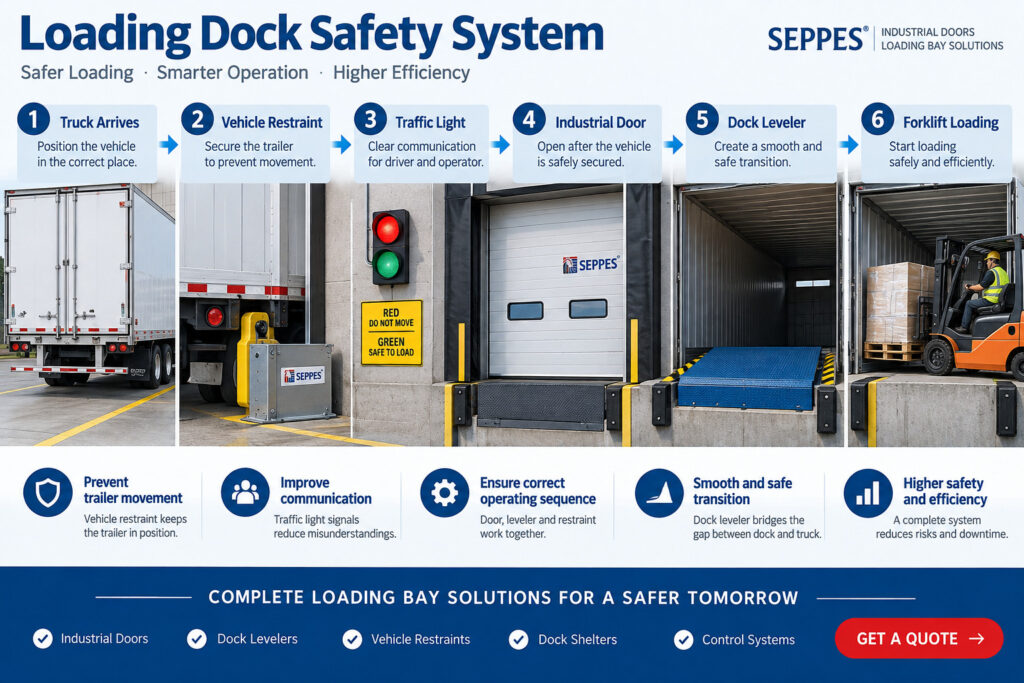
车辆约束装置
A suitable vehicle restraint can help prevent trailer separation or movement during loading.
Its compatibility should be checked against the trailers expected at the facility.
交通信号灯系统
Red/green signals provide clear visual communication between the truck driver and warehouse personnel.
This can reduce misunderstandings about whether a vehicle is permitted to leave.
船坞平整器
The dock leveler provides a controlled transition between the warehouse floor and trailer bed.
Correct capacity, working range, platform dimensions and maintenance are essential.
防撞护趾及防护装置
Depending on the dock leveler design, guards and other protective measures can reduce exposure to crushing or shearing areas around moving platform components.
门与调平器联锁装置
Where appropriate, an interlocked control system can prevent equipment from operating in an unsafe sequence.
例如:
Truck ready → Door opens → Dock leveler deploys → Loading authorized
This type of control becomes particularly useful in high-frequency or automated warehouses.
车轮挡块还是挂车约束系统?
Both approaches are used to control trailer movement, but they are not identical.
Wheel chocks are simple and widely understood, but their effectiveness depends on correct placement and consistent employee use.
A mechanical trailer restraint system can physically secure a compatible trailer to the loading dock and may also be connected to traffic lights or other loading dock controls.
OSHA has long recognized the use of mechanical means to secure trucks or trailers where the system provides equivalent protection to wheel chocks and is installed, maintained and used effectively.
The correct solution depends on the site’s trailer fleet, operating procedures and risk assessment.
For warehouses receiving many different trailer designs, compatibility should be reviewed before a restraint system is specified.
装卸货平台安全也是沟通问题
Many loading dock accidents are not caused by one broken component.
Instead, several people may have different understandings of the loading status.
The driver thinks loading is finished.
The forklift operator believes the trailer is still secured.
The warehouse door is opened before vehicle positioning is confirmed.
Or someone releases a truck before the dock leveler has returned.
This is why effective truck dock safety combines physical equipment with clear status communication.
Traffic lights, interlocks and control panels can make the loading sequence easier to understand, but technology does not replace procedures or employee training.
Both need to work together.
自动化如何提升装卸货平台安全
Modern warehouse loading dock equipment increasingly includes sensors, interlocks and communication interfaces.
For example, a loading bay control system may monitor:
vehicle restraint status → industrial door position → dock leveler position → loading authorization.
A warehouse does not need to automate every operation to benefit from this approach.
Even relatively simple interlocks can reduce the possibility of operating equipment in the wrong sequence.
For facilities using AGVs, AMRs or highly automated material-handling systems, this becomes even more important because automated vehicles depend on predictable operating conditions and clear control signals.
This is a very natural place to link your first loading dock article.
采购方在选择装卸货平台设备时应检查什么?
For new loading docks or renovation projects, safety requirements should be defined before ordering equipment.
The manufacturer should receive enough project information to evaluate the real application, including dock height, minimum and maximum truck-bed height, forklift or AGV weight, maximum cargo, loading frequency, platform dimensions, operating environment and destination market.
Buyers should also decide whether the project requires vehicle restraints, traffic lights, door-and-leveler interlocking or communication with a PLC or warehouse control system.
For U.S. projects, applicable OSHA requirements should form part of the facility’s overall safety planning.
Price and platform size are important.
But the better purchasing question is:
How will this loading dock operate safely throughout the complete truck loading cycle?
使用SEPPES打造更安全的装卸货区
A loading dock is a system rather than a single piece of equipment.
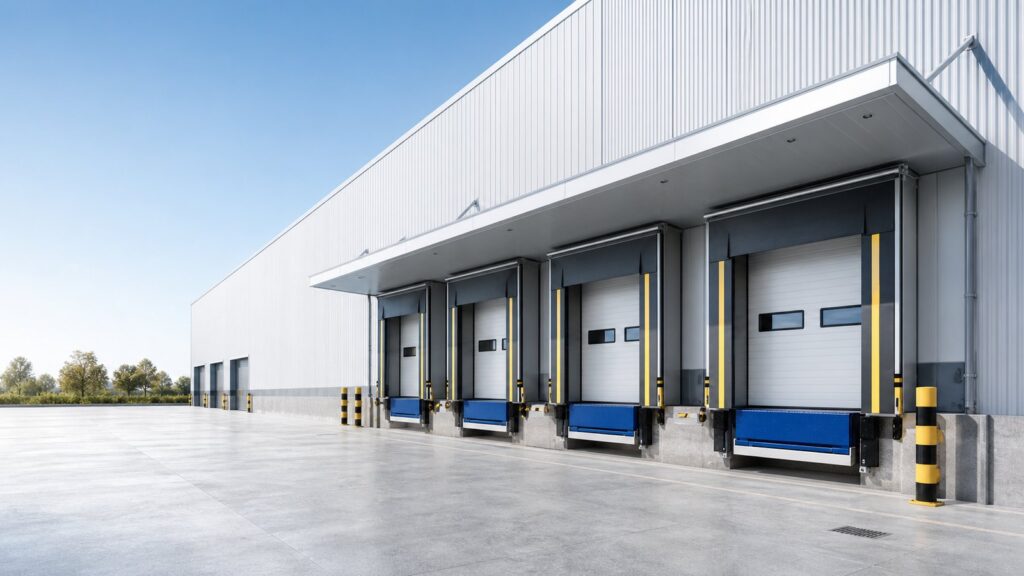
SEPPES loading bay solutions can combine equipment such as hydraulic dock levelers, industrial sectional doors, dock shelters and control devices according to the application.
For projects requiring coordinated operation, the relationship between the industrial door, dock leveler and loading sequence can be evaluated during the engineering stage.
When requesting a solution, provide the loading dock dimensions, truck-bed height range, forklift specifications, expected capacity, number of loading bays and control requirements.
This allows the equipment configuration to be evaluated according to the actual warehouse workflow.
常见问题
最常见的装卸货平台安全隐患有哪些?
Important hazards include forklift falls from dock edges, trailer movement, premature vehicle departure, unsafe dockboard or dock leveler conditions, slippery surfaces and collisions between forklifts and pedestrians. OSHA specifically identifies dock-edge falls and wet or icy loading dock surfaces as forklift hazards.
OSHA是否要求在装卸货平台使用车轮挡块?
OSHA requires measures to prevent transport vehicles from moving while employees use dockboards. OSHA guidance also recognizes certain mechanical means of securing trucks or trailers when they provide equivalent protection and are properly installed, maintained and used.
OSHA是否将装卸货平台调平器视为搭桥板?
Yes. OSHA’s definition of “dockboard” explicitly includes bridge plates, dock plates and dock levelers.
什么是挂车蠕移?
Trailer creep is gradual trailer movement away from the loading dock during loading or unloading. Repeated forklift movement and other operating conditions can contribute to changes in trailer position, which can create an unsafe dock-to-trailer transition.
如何防止挂车过早驶离?
Facilities should use an appropriate vehicle-securing procedure and clear communication between drivers and warehouse personnel. Depending on the application, controls may include wheel chocks, mechanical vehicle restraints, traffic lights and operating procedures.
装卸货平台自动化能否提升安全性?
Automation can help coordinate equipment status and operating sequence. Interlocking a vehicle restraint, industrial door and dock leveler can reduce the risk of certain incorrect operations, but automation does not replace training, maintenance or site-specific safety procedures.