
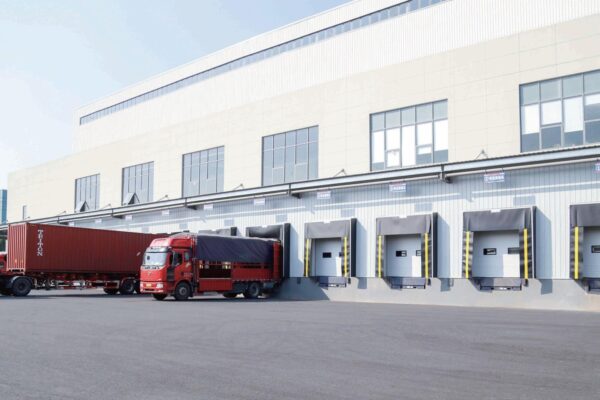
荷積みドックは、倉庫内で大型トラック、フォークリフト、歩行者、移動するドック設備が同じ狭い空間で稼働する数少ないエリアの一つです。.
この組み合わせが複数のリスクを生み出します。.
フォークリフトが露出したドック端に近づきすぎる可能性があります。荷積み中にトレーラーが移動する可能性があります。ドックレベライザーが想定容量を超えて使用される可能性があります。雨、雪、氷がトラクションを低下させる可能性があります。ドライバーと倉庫作業員が荷積みが実際に完了したかどうかを誤解する可能性もあります。.
OSHAは特に、荷積みドックがフォークリフトにとって危険な場所になり得ると警告しています。 また、フォークリフトが荷積みドックから転落すると致命的になる可能性があるとしています。OSHAは、ドック端からの転落や濡れたもしくは凍結した表面でのスリップ・横滑りを、オペレーターが管理すべき危険因子として特定しています。.
したがって、効果的な荷積みドックの安全対策には、複数の安全装置が必要です。.
設備、作業手順、コミュニケーション、従業員トレーニングの適切な組み合わせが必要です。.
この荷積みドック安全チェックリストでは、7つの主要なリスクと、倉庫オペレーターおよび購買担当者が検討すべき実用的な管理策について説明します。.
目次
トグル7つの荷積みドック安全リスク
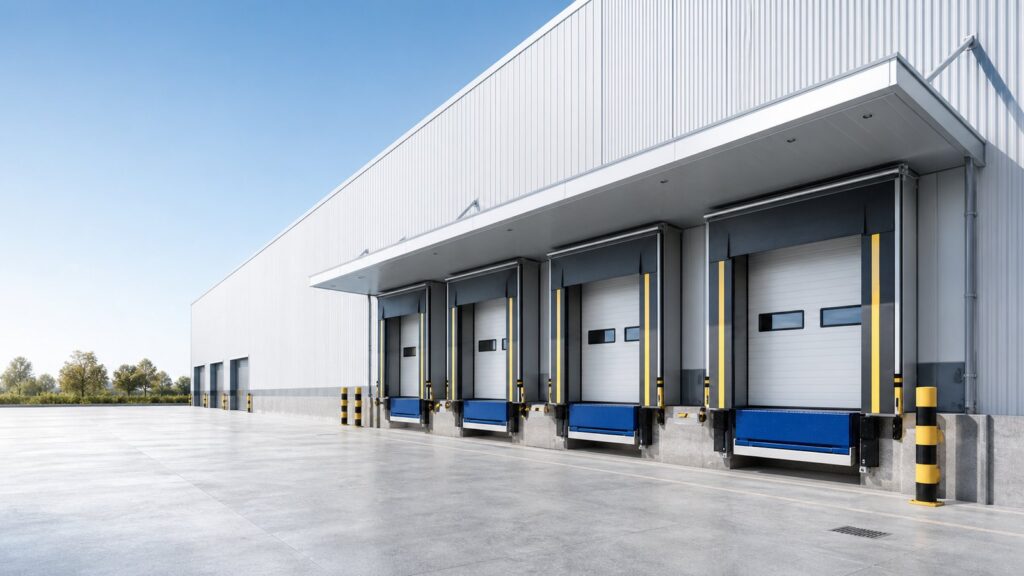
推奨グラフィック:
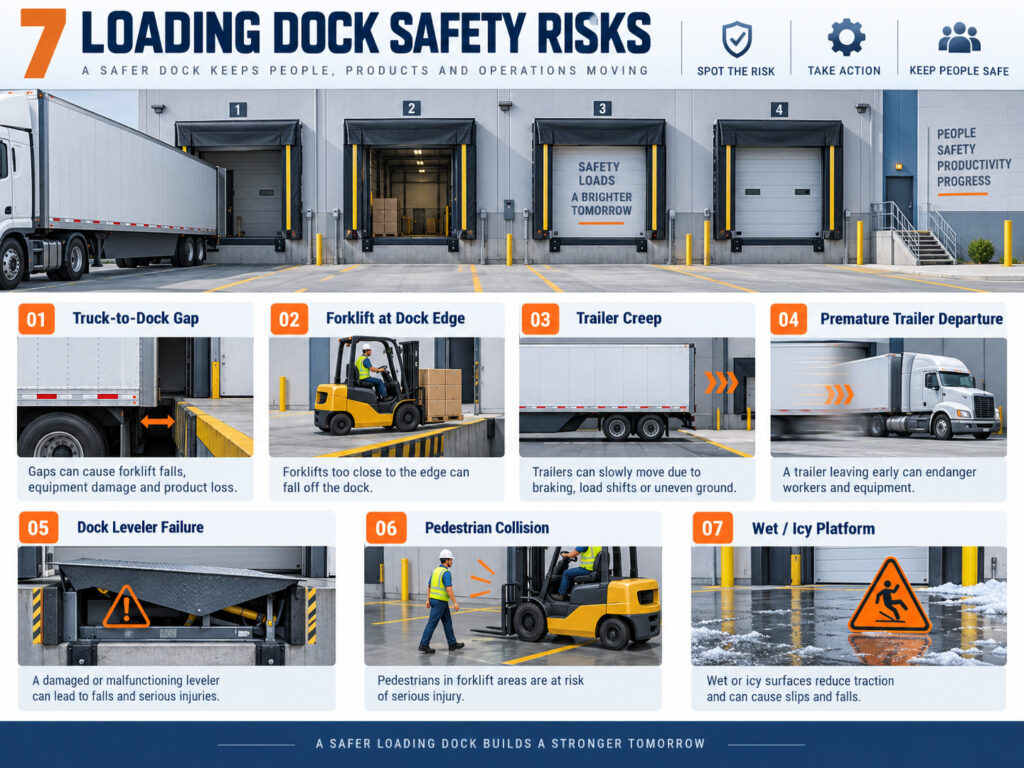
トラックとドック間の隙間
ドック端のフォークリフト
トレーラークリープ
トレーラーの早期発進
ドックレベライザーの故障
歩行者との衝突
濡れた/凍結したプラットフォーム
荷積みドックはなぜ危険なのか?
ほとんどの倉庫床面とは異なり、荷積みドックは固定構造物を移動可能な車両に接続します。.
倉庫の床面は一定の高さを保ちますが、トレーラーの高さは荷物の積み下ろしに伴って変化する可能性があります。トラックはサスペンションの動き、ブレーキ条件、またはドライバーの操作によって移動する可能性があります。フォークリフトは集中荷重を運びながら、繰り返しその移行部を横断します。.
また、ドック開口部にトレーラーが配置されていない場合、ドックは露出した高低差を生み出します。.
OSHAの動力産業用トラックガイダンスは、フォークリフトに関連する複数の危険因子を指摘しています。これには、リフトトラックが誤って荷積みドックから運転されてしまうこと、ドックと固定されていないトレーラーの間に転落すること、作業員に衝突することが含まれます。.
これが、ドックにおける倉庫の安全が設備と作業環境の両方に対処しなければならない理由です。.
確認すべき7つの荷積みドック安全リスク
1. トラックとドック間の隙間
ドックレベライザーは、倉庫の床面とトレーラーの荷台の間に移行部を形成します。.
車両の位置が不適切な場合、またはプラットフォームがトレーラーとの十分な接触を維持できない場合、不安全な隙間や移行部が発生する可能性があります。.
このエリアを横断するフォークリフトは、重大な合計重量を運搬している:
フォークリフト+オペレーター+貨物。.
積み込みを開始する前に、オペレーターはトレーラーが正しく配置されていること、およびドックレベライザーが所定の作業位置に設定されていることを確認する必要がある。.
ドックレベライザーは、ドック開口部の物理的なサイズだけでなく、予想されるトラック荷台の高さ範囲に合わせて選択する必要がある。.
2. ドック端からのフォークリフト転落
トレーラーが存在しない場合、または車両が正しく配置される前に工業用ドアが開いている場合、露出したドックエッジは特に危険である。.
OSHAは、フォークリフトオペレーターが積み込みドックのエッジから安全な距離を保ち、速度を落とし、近くの人々に注意を払い、作業面を清潔に保つことを推奨している。OSHAはまた、視認性を向上させるためにドックエッジを明確に表示することを推奨している。.
視認性は特に以下の場合に重要となる:
- 夜間作業時;;
- 繁忙な積み込み期間中;;
- 後退作業時;;
- 照明が不十分なドック;;
- パレットや機器がドライバーの視界を妨げる作業時。.
物理的障壁、作業手順、照明、明確なエッジ表示は、すべてより広範なフォークリフト安全戦略の一部となり得る。.
3. トレーラークリープ
フォークリフトが繰り返しトレーラーに出入りする間、トレーラーが常に完全に静止しているとは限らない。.
移動により、トレーラーと積み込みドックの間の距離が徐々に広がる可能性がある。この状態は一般にトレーラークリープまたはドックウォークと呼ばれる。.
比較的小さな移動であっても、ドックレベライザーの効果的な支持と位置決めが低下する可能性がある。.
このことから、トレーラーの移動制御はトラックドック安全の重要な要素となる。.
作業内容に応じて、施設はホイールチョックまたは適切な機械式車両拘束システムを使用して、トレーラーの位置を維持することがある。.
OSHA 1910.26は、ホイールチョック、, サンドシューズ、その他の適切な手段などの措置を要求しており、従業員がドックボード上にいる間に輸送車両が移動することを防止する。.
4. トレーラーの早期発進
トレーラークリープは通常徐々に発生する。.
トレーラーの早期発進は突然発生する可能性がある。.
ドライバーは積み込みが完了したと判断し、フォークリフトがまだトレーラー内にあるかドックレベライザーに接近している間に発進し始めることがある。.
結果は深刻なものとなり得る。.
トレーラーが離れると、積み込みドックと車両の間のブリッジが消失し、フォークリフトとオペレーターに転落の危険が生じる。.
OSHAはこの問題に特に対処しており、, 産業用動力車両がドックボードを使用している間にトラックが発進することに関連する傷害に言及している。OSHAは、雇用者が積み込みまたは荷降ろし中にドライバーが発進しないことを確実にするためのシステムを必要としていると述べている。.
したがって、倉庫とドライバー間の明確なコミュニケーションが不可欠である。.
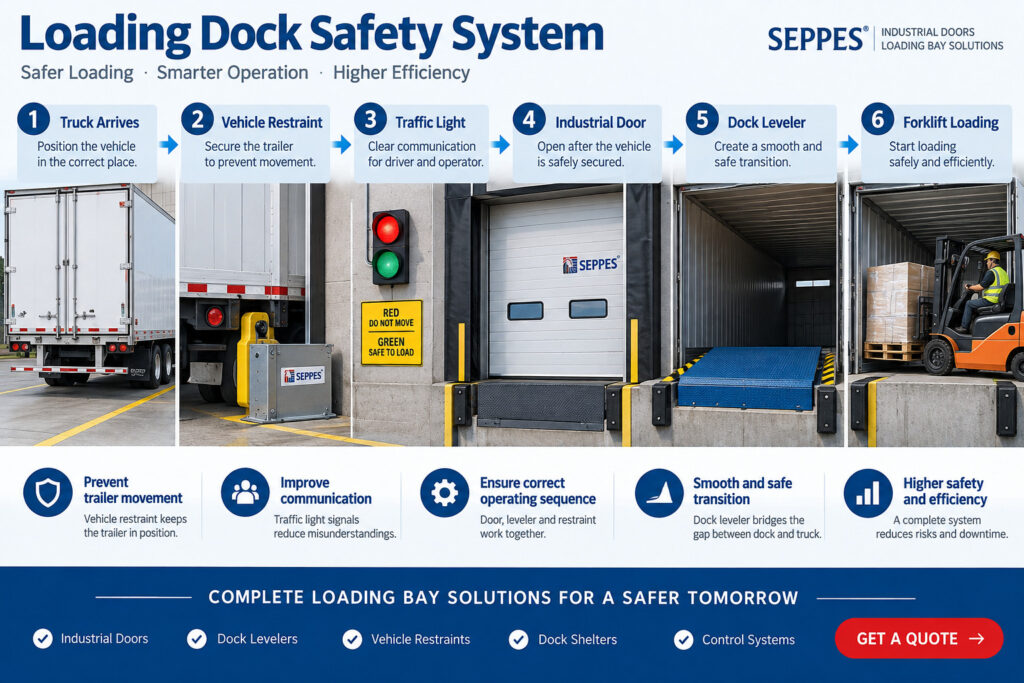
積み込みドックの信号灯システムが役立つ。.
例えば:
外部赤色灯: ドライバーは静止を維持する。.
内部緑色表示: 倉庫担当者はサイトの作業手順に従って進行してよい。.
車両拘束装置は、ドックを使用するトレーラーに適している場合、追加の物理的制御を提供できる。.
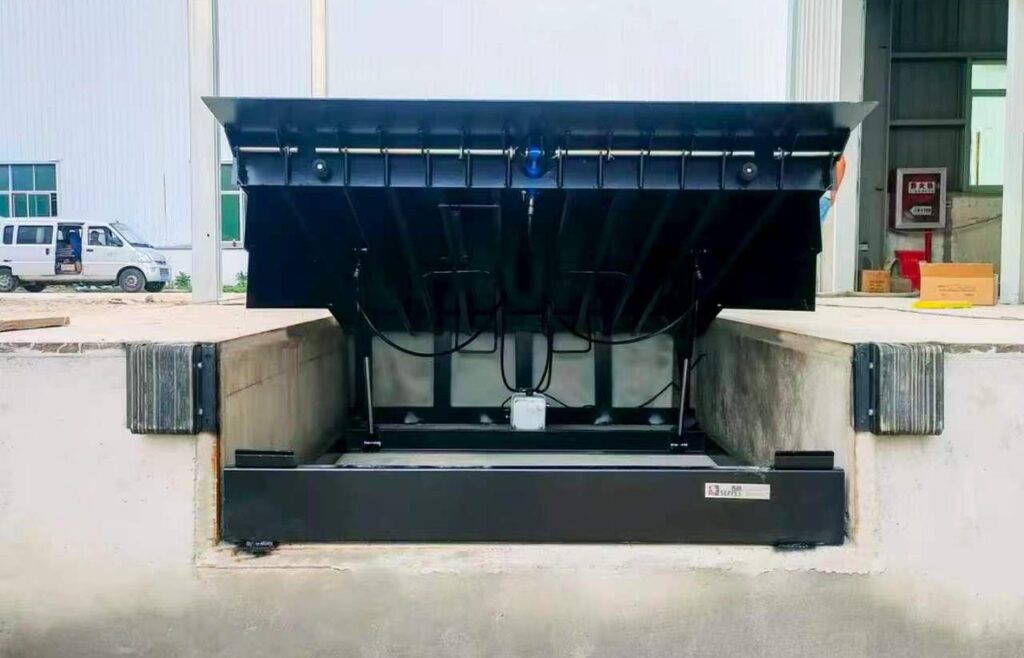
5. ドックレベライザーの故障または不適切な容量
ドックレベライザー自体も用途に適したものでなければならない。.
OSHA 1910.26に基づき、ドックボードは最大想定荷重を支持できる能力を有する必要がある。OSHAの「ドックボード」の定義には、ドックプレートおよびブリッジプレートだけでなく、ドックレベライザーも特に含まれる。.
購入者にとって、これは定格容量が貨物重量のみに基づいて選択されるべきではないことを意味する。.
以下を含む積み込み作業を検討する:
4,000 kgのフォークリフト
- 2,000 kgのパレット積み荷。.
ドック機器は、単に2,000 kgの貨物だけでなく、材料取扱作業全体によって生じる動作荷重にさらされる。.
頻度も重要である。.
時折パレットの移動を扱うドックは、フォークリフトが1日に何百回もドックレベライザーを横断する配送センターとは異なる運用要求がある場合がある。.
したがって、ドックレベライザーを選択する前に、購入者はメーカーに正確なフォークリフトまたはAGVの仕様、貨物重量、積み込み頻度を提供する必要がある。.
6. 歩行者とフォークリフトの衝突
フォークリフトだけが積み込みエリアの利用者ではない。.
トラックドライバー、積み込み担当者、保守技術者、倉庫作業員はすべて同じ環境を通過する可能性がある。.
OSHAは倉庫を人、車両、機器が絶えず動き混ざり合う場所と表現し、フォークリフトオペレーターを作業現場固有の条件に合わせて訓練することを強調している。.
見通しの悪いコーナー、駐車中のトレーラー、積み上げられたパレットがある積み込みドックは、視認性をさらに悪化させる可能性がある。.
歩行者交通をエリアから排除できない場合、施設は人とフォークリフトをどのように分離するか、および優先通行権をどのように伝達するかを検討すべきである。.
サイトに応じて、これには標識された歩行者経路、障壁、警告灯、ミラー、またはアクセス制御が含まれる場合がある。.
The objective is simple:
people should not unexpectedly enter a forklift’s travel path.
7. 濡れた、凍結した、または汚染されたドック表面
Loading docks are often directly exposed to outdoor conditions.
Rain can enter around a vehicle. Snow can be carried onto a platform. Cold-storage applications can experience moisture or icing. Oil, grease and debris can further reduce traction.
OSHA advises keeping loading dock working surfaces clear and clean and specifically identifies wet or icy conditions as a skidding and slipping hazard. Its forklift guidance also notes that operating surfaces should be free from grease, oil and obstructions that could cause a lift truck to skid, bounce or tip.
Dock shelters or seals can help reduce direct exposure around a parked trailer, but they do not replace housekeeping and inspection.
For cold climates and refrigerated operations, drainage, surface condition and ice management deserve particular attention.
ローディングドック安全チェックリスト
A practical loading dock safety program should cover the complete loading cycle.
| 確認 | 確認事項 |
|---|---|
| ☐ Trailer positioned correctly | Vehicle is aligned with the loading bay |
| ☐ Vehicle movement controlled | Required chock/restraint procedure has been completed |
| ☐ Communication confirmed | Driver and warehouse personnel understand loading status |
| ☐ Door opening clear | No people or obstacles are in the movement area |
| ☐ Dock leveler inspected | No visible structural, hydraulic or control damage |
| ☐ Capacity suitable | Forklift, cargo and operating conditions are within the intended application |
| ☐ Platform positioned correctly | Leveler has appropriate contact with the trailer |
| ☐ Surface clean and dry | No ice, oil, debris or other slip hazards |
| ☐ Dock edge visible | Markings, lighting and barriers are appropriate |
| ☐ Pedestrian route clear | Pedestrians are separated or controlled |
| ☐ Trailer condition checked | Trailer floor and structure are suitable for forklift entry |
| ☐ Loading complete | Forklift and personnel have fully exited |
| ☐ Leveler returned | Platform is restored to its stored position |
| ☐ Door closed | Loading opening is secured where required |
| ☐ Vehicle released | Driver receives clear permission before departure |
This checklist should be adapted to the equipment, traffic patterns and operating procedures of each facility rather than treated as a substitute for a site-specific safety assessment.
OSHAは荷積みドックの安全について何を要求していますか?
For U.S. facilities, several OSHA requirements are especially relevant.
OSHA 29 CFR 1910.26 requires dockboards to support the maximum intended load. Newer dockboards covered by the rule generally need protection against transfer vehicles running off the edge, subject to the stated exception. Portable dockboards must be secured against unsafe movement, and employers must use measures to prevent trucks, semi-trailers, trailers or rail cars from moving while employees are on the dockboard.
OSHA separately defines dockboards to include ドックレベラー, which is why these requirements matter to permanently installed loading dock equipment as well as other dockboard types.
For forklift operations, 29 CFR 1910.178 and associated OSHA guidance are also relevant. OSHA identifies powered industrial trucks as a major source of hazards during loading and unloading and emphasizes proper training and safe operating practices.
A key point for buyers is that OSHA does すべての標準ドックレベラーが simply say:
“Every loading dock must use a trailer restraint.”
The requirement is to prevent unsafe vehicle movement using appropriate measures.
OSHA guidance allows a positive mechanical means of securing a truck or trailer when it provides equivalent protection and is correctly installed, maintained and used.
That distinction is important when specifying a trailer restraint system.
どの荷積みドック安全設備がリスクを低減できますか?
Safety equipment is most effective when each component addresses a specific hazard.
車両拘束装置
A suitable vehicle restraint can help prevent trailer separation or movement during loading.
Its compatibility should be checked against the trailers expected at the facility.
信号灯システム
Red/green signals provide clear visual communication between the truck driver and warehouse personnel.
This can reduce misunderstandings about whether a vehicle is permitted to leave.
ドック・レベラー
The dock leveler provides a controlled transition between the warehouse floor and trailer bed.
Correct capacity, working range, platform dimensions and maintenance are essential.
トゥガードおよび保護機能
Depending on the dock leveler design, guards and other protective measures can reduce exposure to crushing or shearing areas around moving platform components.
ドアとレベライザーのインターロック
Where appropriate, an interlocked control system can prevent equipment from operating in an unsafe sequence.
例えば:
Truck ready → Door opens → Dock leveler deploys → Loading authorized
This type of control becomes particularly useful in high-frequency or automated warehouses.
輪止め还是トレーラー拘束システム?
Both approaches are used to control trailer movement, but they are not identical.
Wheel chocks are simple and widely understood, but their effectiveness depends on correct placement and consistent employee use.
A mechanical trailer restraint system can physically secure a compatible trailer to the loading dock and may also be connected to traffic lights or other loading dock controls.
OSHA has long recognized the use of mechanical means to secure trucks or trailers where the system provides equivalent protection to wheel chocks and is installed, maintained and used effectively.
The correct solution depends on the site’s trailer fleet, operating procedures and risk assessment.
For warehouses receiving many different trailer designs, compatibility should be reviewed before a restraint system is specified.
荷積みドックの安全はコミュニケーションの問題でもある
Many loading dock accidents are not caused by one broken component.
Instead, several people may have different understandings of the loading status.
The driver thinks loading is finished.
The forklift operator believes the trailer is still secured.
The warehouse door is opened before vehicle positioning is confirmed.
Or someone releases a truck before the dock leveler has returned.
This is why effective truck dock safety combines physical equipment with clear status communication.
Traffic lights, interlocks and control panels can make the loading sequence easier to understand, but technology does not replace procedures or employee training.
Both need to work together.
自動化が荷積みドックの安全性をどのように向上できるか
Modern warehouse loading dock equipment increasingly includes sensors, interlocks and communication interfaces.
For example, a loading bay control system may monitor:
vehicle restraint status → industrial door position → dock leveler position → loading authorization.
A warehouse does not need to automate every operation to benefit from this approach.
Even relatively simple interlocks can reduce the possibility of operating equipment in the wrong sequence.
For facilities using AGVs, AMRs or highly automated material-handling systems, this becomes even more important because automated vehicles depend on predictable operating conditions and clear control signals.
This is a very natural place to link your first loading dock article.
購買担当者が荷積みドック設備を選定する際に確認すべきことは?
For new loading docks or renovation projects, safety requirements should be defined before ordering equipment.
The manufacturer should receive enough project information to evaluate the real application, including dock height, minimum and maximum truck-bed height, forklift or AGV weight, maximum cargo, loading frequency, platform dimensions, operating environment and destination market.
Buyers should also decide whether the project requires vehicle restraints, traffic lights, door-and-leveler interlocking or communication with a PLC or warehouse control system.
For U.S. projects, applicable OSHA requirements should form part of the facility’s overall safety planning.
Price and platform size are important.
But the better purchasing question is:
How will this loading dock operate safely throughout the complete truck loading cycle?
SEPPESでより安全な荷積みベイを構築する
A loading dock is a system rather than a single piece of equipment.
SEPPES loading bay solutions can combine equipment such as hydraulic dock levelers, industrial sectional doors, dock shelters and control devices according to the application.
For projects requiring coordinated operation, the relationship between the industrial door, dock leveler and loading sequence can be evaluated during the engineering stage.
When requesting a solution, provide the loading dock dimensions, truck-bed height range, forklift specifications, expected capacity, number of loading bays and control requirements.
This allows the equipment configuration to be evaluated according to the actual warehouse workflow.
よくある質問
最も一般的な荷積みドックの安全危険因子は何ですか?
Important hazards include forklift falls from dock edges, trailer movement, premature vehicle departure, unsafe dockboard or dock leveler conditions, slippery surfaces and collisions between forklifts and pedestrians. OSHA specifically identifies dock-edge falls and wet or icy loading dock surfaces as forklift hazards.
OSHAは荷積みドックに輪止めを要求していますか?
OSHA requires measures to prevent transport vehicles from moving while employees use dockboards. OSHA guidance also recognizes certain mechanical means of securing trucks or trailers when they provide equivalent protection and are properly installed, maintained and used.
OSHAはドックレベライザーをドックボードと見なしていますか?
Yes. OSHA’s definition of “dockboard” explicitly includes bridge plates, dock plates and dock levelers.
トレーラークリープとは何ですか?
Trailer creep is gradual trailer movement away from the loading dock during loading or unloading. Repeated forklift movement and other operating conditions can contribute to changes in trailer position, which can create an unsafe dock-to-trailer transition.
トレーラーの早期発進をどのように防止できますか?
Facilities should use an appropriate vehicle-securing procedure and clear communication between drivers and warehouse personnel. Depending on the application, controls may include wheel chocks, mechanical vehicle restraints, traffic lights and operating procedures.
荷積みドックの自動化は安全性を向上できますか?
Automation can help coordinate equipment status and operating sequence. Interlocking a vehicle restraint, industrial door and dock leveler can reduce the risk of certain incorrect operations, but automation does not replace training, maintenance or site-specific safety procedures.