
EV Battery Factory Loading Dock Equipment Project in Hungary
Efficient loading dock operations are essential for modern electric vehicle battery manufacturing. From receiving raw materials to transferring components between warehouses and production workshops, factories need reliable loading equipment, efficient access and suitable environmental separation.
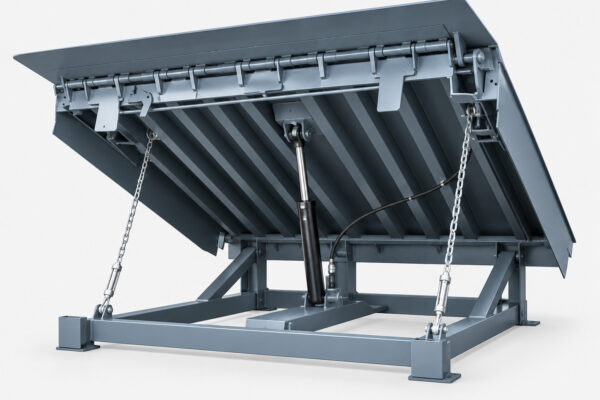
For an EV battery manufacturing project in Debrecen, Hungary, SEPPES supplied an integrated loading bay equipment solution featuring a 10-ton hydraulic dock leveler, sponge dock shelter and industrial high speed door.
The equipment configuration was selected to support truck loading, forklift material handling, and industrial logistics operations. This case study examines the project specifications, operational challenges, equipment selection, safety considerations and practical benefits.
Project Overview: EV Battery Factory in Debrecen, Hungary
Debrecen, Hungary, is an important location for automotive and battery-related industrial development. Manufacturing facilities in this sector require reliable infrastructure for receiving materials, handling goods and supporting internal logistics.
Loading bays provide the connection between external transport vehicles and warehouse operations. The design must consider truck positioning, dock height, forklift traffic, door access and environmental protection.
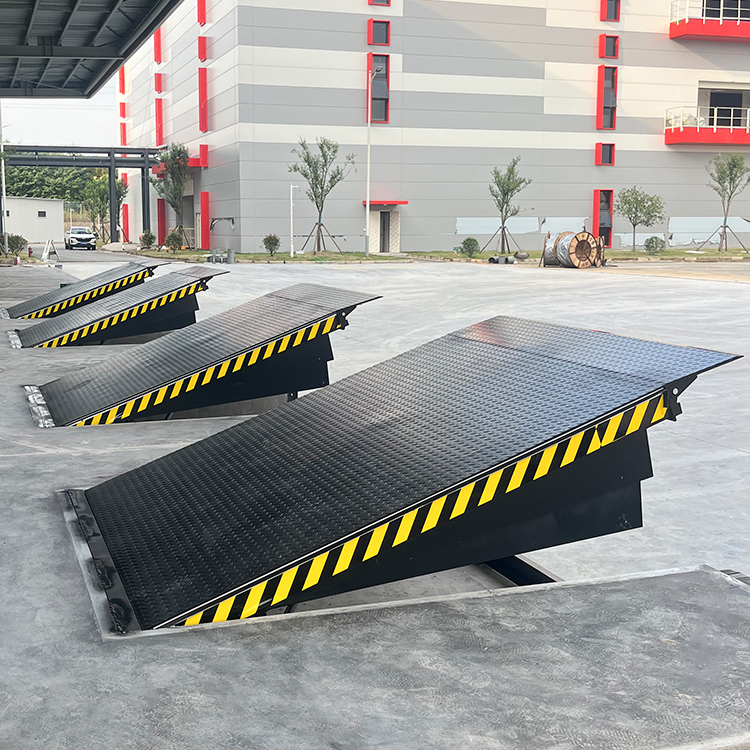
For the Hungary EV battery workshop project, SEPPES supplied three complementary types of equipment: a hydraulic dock leveler, sponge dock shelter and high speed door.
Project Specifications
| Project Information | Spécifications |
|---|---|
| Project Name | Hungary EV Battery Workshop Loading Bay Project |
| Project Location | Debrecen, Hungary |
| Industry | EV Battery Manufacturing |
| Scénarios d'application | Industrial Workshop and Warehouse Loading Bay |
| Équipement | Hydraulic Dock Leveler + Sponge Dock Shelter + High Speed Door |
| Platform Dimensions | 2400 × 2200 × 600 mm |
| Rated Capacity | 10 Tons |
| Material Handling | Forklift Operations and Factory Logistics |
| Supplier | SEPPES |
Loading Dock Challenges in EV Battery Manufacturing
EV battery manufacturing facilities may have more complex logistics requirements than conventional storage warehouses. The loading bay must support material movements while considering the conditions of nearby production areas.
Frequent Forklift and Material Handling Operations
Battery manufacturing involves the movement of production materials, packaging, components and finished goods. Forklifts and pallet-handling equipment may operate frequently at loading docks.
One common challenge is the difference between truck-bed height and warehouse loading platform height. This difference changes according to the vehicle type, trailer suspension and cargo weight.
A hydraulic dock leveler provides an adjustable transition between the loading platform and the vehicle bed, helping suitable handling equipment cross the gap.
Environmental Separation Between Loading and Production Areas
Certain battery manufacturing processes require careful attention to humidity, dust, temperature and contamination.
Loading areas can be exposed to outdoor conditions when trucks arrive and industrial doors open.
Sponge dock shelters help reduce gaps around a compatible parked vehicle, while high speed doors help reduce the duration of doorway openings.
These systems contribute to general environmental separation, but they do not independently provide certified cleanroom or battery dry-room conditions.
Forklift Traffic and Automated Logistics
Modern EV factories may use forklifts, automated guided vehicles (AGVs), conveyors and warehouse management systems to coordinate internal material flow.
Where automated traffic is required, industrial door selection should consider opening dimensions, activation methods, safety sensors and control interfaces.
Actual AGV integration must be verified against the installed control system and site-specific safety requirements.
SEPPES Integrated Loading Dock Equipment Solution
The Hungary project combines three different equipment functions: cargo transfer, dock sealing and industrial access management.
10-Ton Hydraulic Dock Leveler for Cargo Handling
La SEPPES hydraulic dock leveler uses a powered hydraulic mechanism to position the platform and lip for loading operations.
The project specified a platform size of 2400 × 2200 × 600 mm et un 10-ton rated capacity.
The hydraulic dock leveler provides the adjustable bridge required between the warehouse platform and vehicle bed within its approved operating range.
Hydraulic Dock Leveler Technical Considerations
- Rated load and handling equipment weight
- Concentrated forklift wheel loads
- Truck-bed height variations
- Platform and installation pit dimensions
- Daily loading frequency
- Hydraulic system maintenance requirements
- Safe operating procedures
A nominal 10-ton rating does not automatically mean that every forklift combination is suitable. Actual load distribution and operating conditions must be evaluated.
Read more about hydraulic dock leveler features for industrial applications .
Sponge Dock Shelter for Loading Bay Sealing
The second component is the SEPPES sponge dock shelter .
A sponge dock shelter uses compressible sealing materials around the loading opening. When a compatible truck is positioned correctly, the pads contact the vehicle and help reduce exposed gaps.
The shelter is intended to reduce the direct entry of rain, wind and outdoor air around the parked vehicle.
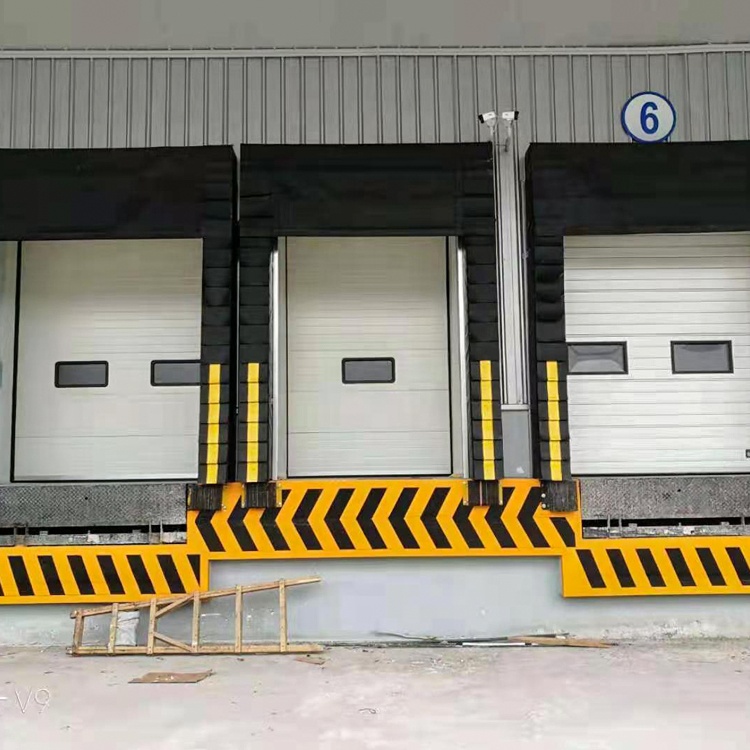
Performance depends on vehicle dimensions, truck positioning, bumper projection and compression allowances.
High Speed Door for Industrial Workshop Access
The third component supplied for the Hungary EV battery project was an industrial high speed door.
High speed doors provide powered opening and closing for frequently used industrial access points.
Depending on model specifications, opening systems may include radar, push buttons, pull cords and external control signals.
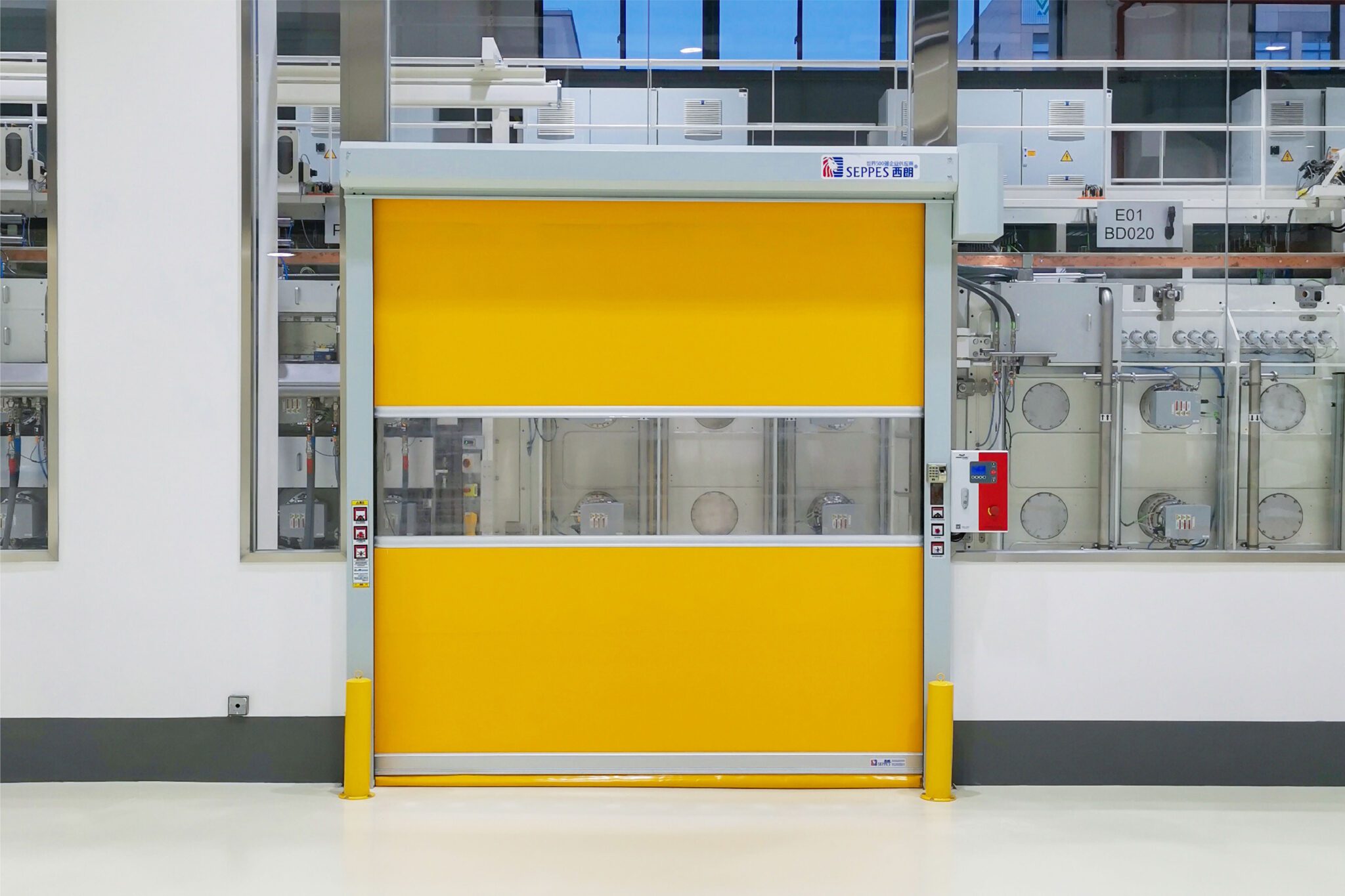
Fast operating cycles can reduce the duration of doorway openings during material handling activities.
For facilities using forklifts or AGVs, suitable safety devices and traffic-management controls should be considered.
Explore the SEPPES industrial door product range for additional configurations.
How the Loading Dock Equipment Works Together
An integrated loading bay arrangement enables different equipment components to support successive stages of cargo-handling operations.
The following is a typical illustrative workflow, not a verified automated operating sequence from this installation.
The delivery vehicle approaches the designated loading bay and is positioned according to site docking procedures.
The truck makes compression contact with the sponge dock shelter, helping reduce exposed gaps around the vehicle.
After the vehicle is secured according to site procedures, the dock leveler is deployed within its approved operating limits.
Authorized forklift operators transfer suitable loads between the trailer and warehouse.
The high speed door provides access through the relevant industrial opening according to its installed operating and safety controls.
After cargo handling is completed, the leveler returns to its stored position and the bay is prepared for vehicle departure.
Engineering and Safety Considerations
Loading dock equipment selection requires consideration of the complete operating environment.
Dock Leveler Capacity
The selected capacity must suit forklift weight, cargo loads, wheel-load distribution and operating frequency.
Loading Bay Geometry
Important measurements include dock height, pit dimensions, vehicle approach conditions, truck-bed height and doorway clearance.
Vehicle and Forklift Safety
Operating procedures should address vehicle securing, trailer movement, pedestrian separation, forklift traffic and routine equipment inspections.
European Dock Leveler Safety Standards
European industrial projects may use EN 1398:2009 — Dock Levellers: Safety Requirements as a technical reference when evaluating relevant dock leveler design and safety requirements.
The applicability of regulations and the conformity of specific equipment must be established through the relevant technical documentation. Mentioning this standard does not constitute a certification claim.
Project Results and Practical Benefits
The Hungary EV Battery Workshop Loading Bay Project illustrates how different categories of industrial loading equipment can be specified together.
Support for Cargo Transfer
The hydraulic dock leveler provides an adjustable bridge between the warehouse and truck for appropriate cargo-handling operations.
Protection Around the Loading Opening
The sponge dock shelter helps reduce gaps around compatible vehicles and provides protection from outdoor weather exposure.
Frequent Workshop Access
The high speed door provides an automatic access solution for repeated industrial material movements.
Coordinated Equipment Configuration
Selecting the dock leveler, shelter and door as part of one loading bay arrangement supports the evaluation of operating dimensions and equipment compatibility.
Loading Dock Equipment Selection Guide for EV Battery Factories
For other EV battery manufacturing projects, loading dock equipment should be evaluated according to the actual site and operational requirements.
| Selection Factor | What Buyers Should Confirm |
|---|---|
| Dock Leveler Capacity | Forklift weight, cargo loads, wheel loads and duty cycle |
| Platform Dimensions | Dock height, pit geometry and vehicle compatibility |
| Dock Sealing | Truck dimensions, compression allowance and weather exposure |
| Porte à grande vitesse | Opening dimensions, operation frequency and safety controls |
| Automated Logistics | AGV routes, control interfaces and traffic coordination |
| Environmental Conditions | Temperature, humidity, dust and process requirements |
| Safety | Vehicle securing, inspections and maintenance requirements |
Buyers can also explore SEPPES loading dock equipment solutions for additional configurations.
Why Choose SEPPES for Industrial Loading Bay Projects?
SEPPES supplies industrial doors, hydraulic dock levelers, dock shelters and related equipment for warehouses, logistics centers and manufacturing facilities.
For overseas projects, equipment selection involves reviewing opening dimensions, truck specifications, rated loads, installation conditions and relevant safety requirements.
SEPPES can discuss customized loading bay configurations based on engineering drawings and actual operating needs.
Foire aux questions
What loading dock equipment is suitable for EV battery factories?
Depending on the application, an EV battery factory may require hydraulic dock levelers, industrial doors, dock shelters, bumpers and safety equipment. The final configuration depends on operational and environmental requirements.
Is a 10-ton hydraulic dock leveler suitable for forklifts?
It may be suitable when forklift loads, cargo weight, concentrated wheel loads, duty cycle and installation conditions are compatible with the equipment's approved operating limits.
Why combine a high speed door with a dock shelter?
A dock shelter helps reduce openings around a parked vehicle, while a high speed door manages access through an industrial opening.
Can high speed doors work with AGV systems?
Certain high speed door models support external control integration. Compatibility depends on the control interface, AGV system and validated safety configuration.
Can loading dock equipment be customized for different factories?
Yes. Equipment specifications can be evaluated according to project dimensions, loading requirements, vehicle types and operating conditions.
Conclusion: Integrated Loading Dock Equipment for EV Manufacturing
The Hungary EV Battery Workshop Loading Bay Project in Debrecen demonstrates how hydraulic dock levelers, sponge dock shelters and high speed doors can be combined for manufacturing applications.
The project specified a 2400 × 2200 × 600 mm hydraulic dock leveler with a 10-ton rated capacity, supported by a sponge dock shelter and high speed door.
Together, these components address cargo transfer, dock sealing and industrial access functions. Similar selection principles can guide other manufacturing and warehouse loading bay projects.
Planning an EV Battery Factory Loading Bay?
SEPPES provides customized industrial doors, hydraulic dock levelers and dock shelter systems for manufacturing and logistics applications.
Share your opening dimensions, dock height, rated load, truck specifications and operating requirements to discuss a suitable equipment configuration.
Request a Customized Loading Dock Solution →