
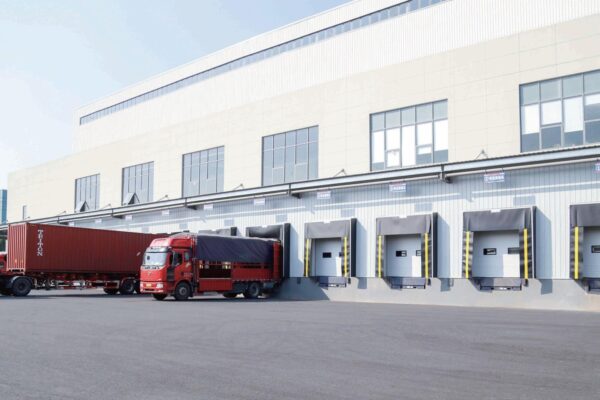
تعتبر أرصفة التحميل من المناطق القليلة في المستودع التي تعمل فيها الشاحنات الثقيلة والرافعات الشوكية والمشاة ومعدات الرصيف المتحركة داخل نفس المساحة الصغيرة.
يخلق هذا المزيج عدة مخاطر.
يمكن للرافعة الشوكية أن تقترب أكثر من اللازم من حافة رصيف مكشوفة. يمكن للمقطورة أن تتحرك أثناء استمرار التحميل. يمكن استخدام معادل الرصيف خارج طاقته المحددة. يمكن للمطر أو الثلج أو الجليد أن يقلل من التماسك. كما يمكن للسائقين ومشغلي المستودع أن يسيئوا فهم ما إذا كان التحميل قد انتهى فعلاً.
تحذر OSHA تحديداً من أن أرصفة التحميل يمكن أن تكون أماكن خطرة للرافعات الشوكية وأن سقوط رافعة شوكية من رصيف التحميل يمكن أن يكون مميتاً. وتحدد OSHA السقوط من حواف الرصيف والانزلاق على الأسطح المبللة أو الجليدية ضمن المخاطر التي يحتاج المشغلون إلى إدارتها.
لذلك تتطلب سلامة رصيف التحميل الفعالة أكثر من جهاز سلامة واحد.
بل تتطلب المزيج الصحيح من المعدات وإجراءات التشغيل والتواصل وتدريب الموظفين.
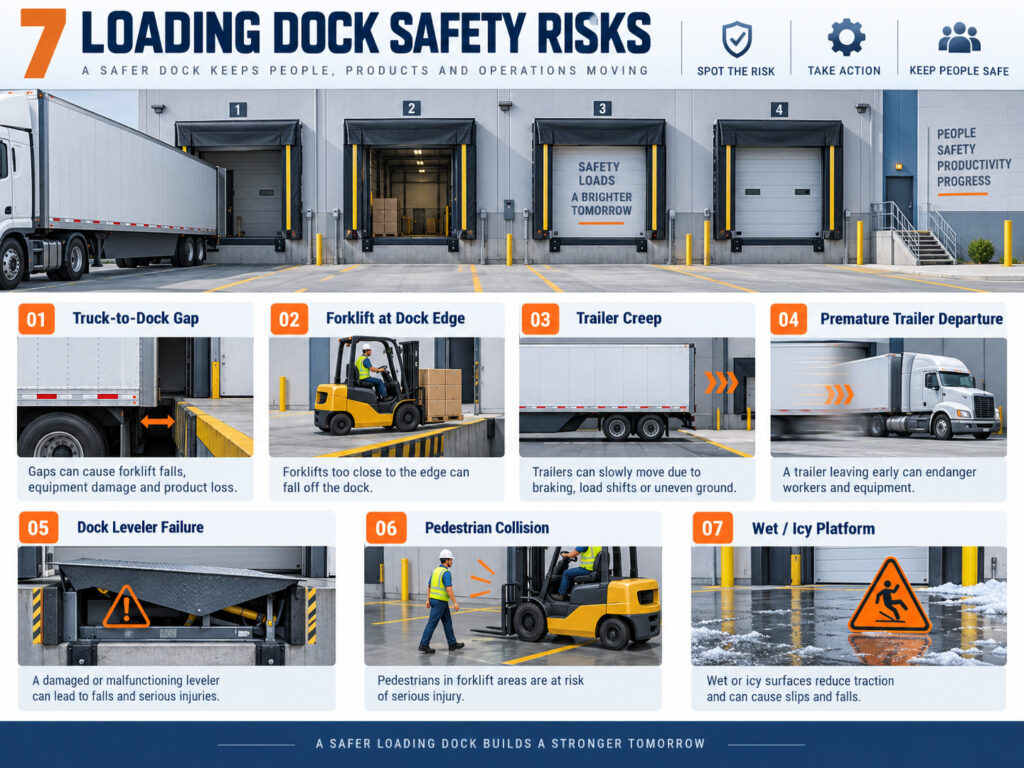
تشرح قائمة التحقق لسلامة رصيف التحميل هذه سبعة مخاطر رئيسية وضوابط عملية يجب على مشغلي المستودعات والمشترين مراعاتها.
جدول المحتويات
تبديل7 مخاطر لسلامة رصيف التحميل
رسم بياني مقترح:
الفجوة بين الشاحنة والرصيف
رافعة شوكية عند حافة الرصيف
زحف المقطورة
مغادرة المقطورة المبكرة
فشل معادل الرصيف
تصادم المشاة
منصة مبللة / جليدية
لماذا تعتبر أرصفة التحميل خطرة؟
على عكس معظم أرضيات المستودعات، يربط رصيف التحميل هيكلاً ثابتاً بمركبة يمكنها التحرك.
تبقى أرضية المستودع على ارتفاع واحد، بينما قد يتغير ارتفاع المقطورة عند تحميل البضائع أو تفريغها. قد تتحرك الشاحنة بسبب حركة نظام التعليق أو ظروف الفرملة أو تصرف السائق. تعبر الرافعات الشوكية نقطة الانتقال بشكل متكرر وهي تحمل أحمالاً مركزة.
كما يخلق الرصيف فرق ارتفاع مكشوفاً عندما لا تكون هناك مقطورة موضوعة عند الفتحة.
تسلط إرشادات OSHA للشاحنات الصناعية العاملة الضوء على عدة مخاطر متعلقة بالرافعات الشوكية، بما في ذلك انحراف الرافعات الشوكية عن أرصفة التحميل دون قصد، والسقوط بين الرصيف ومقطورة غير مؤمنة، واصطدام العمال.
لهذا السبب يجب أن تعالج سلامة المستودع عند الرصيف كلاً من المعدات وبيئة التشغيل.
7 مخاطر لسلامة رصيف التحميل يجب عليك التحقق منها
1. الفجوة بين الشاحنة والرصيف
ينشئ معادل الرصيف انتقالاً بين أرضية المستودع وسرير المقطورة.
إذا لم تكن المركبة في الوضع الصحيح، أو إذا لم تحافظ المنصة على تلامس كافٍ مع المقطورة، فقد ينشأ فراغ أو انتقال غير آمن.
الرافعات الشوكية التي تعبر هذه المنطقة تحمل وزنًا مشتركًا كبيرًا:
الرافعة الشوكية + المشغّل + البضائع.
قبل بدء التحميل، يجب على المشغّلين التأكد من أن المقطورة في الوضع الصحيح وأن معوّض ارتفاع الرصيف قد اتخذ وضع العمل المقصود.
يجب أيضًا اختيار معوّض ارتفاع الرصيف وفقًا لنطاق ارتفاع سرير الشاحنة المتوقع وليس فقط وفقًا للحجم الفيزيائي لفتحة الرصيف.
2. سقوط الرافعة الشوكية من حافة الرصيف
تكون حافة الرصيف المكشوفة خطيرة بشكل خاص عندما تكون المقطورة غائبة أو عندما يكون الباب الصناعي مفتوحًا قبل وضع المركبة بشكل صحيح.
توصي OSHA بأن يحافظ مشغّلو الرافعات الشوكية على مسافة آمنة من حواف رصيف التحميل، وأن يخفضوا السرعة، وأن يبقوا على دراية بالأشخاص القريبين وأن يحافظوا على أسطح العمل خالية. توصي OSHA أيضًا بوضع علامات واضحة على حواف الرصيف لتحسين الرؤية.
تصبح الرؤية مهمة بشكل خاص خلال:
- العمليات الليلية؛;
- فترات التحميل المزدحمة؛;
- عمليات الرجوع للخلف؛;
- الأرصفة ذات الإضاءة الضعيفة؛;
- العمليات التي تحجب فيها المنصات النقالة أو المعدات رؤية السائق.
يمكن أن تشكل الحواجز المادية وإجراءات التشغيل والإضاءة وعلامات الحواف الواضحة جميعها جزءًا من استراتيجية أوسع لسلامة الرافعات الشوكية.
3. زحف المقطورة
لا تبقى المقطورة دائمًا ثابتة تمامًا أثناء دخول الرافعة الشوكية إليها وخروجها منها بشكل متكرر.
يمكن أن تزيد الحركة تدريجيًا من المسافة بين المقطورة ورصيف التحميل. يُشار إلى هذه الحالة عادةً باسم زحف المقطورة أو حركة الرصيف.
حتى الحركة الصغيرة نسبيًا يمكن أن تقلل من الدعم الفعّال وتحديد الموضع لمعوّض ارتفاع الرصيف.
وهذا يجعل التحكم في حركة المقطورة جزءًا مهمًا من سلامة رصيف الشاحنات.
اعتمادًا على العملية، قد تستخدم المنشآت أحجار تثبيت العجلات أو نظام تثبيت مركبات ميكانيكي مناسب للمساعدة في الحفاظ على المقطورة في موضعها.
تتطلب OSHA 1910.26 تدابير مثل أحجار تثبيت العجلات, أو أحذية رملية أو وسائل مناسبة أخرى لمنع المركبة الناقلة من التحرك أثناء وجود الموظفين على لوح الرصيف.
4. مغادرة المقطورة المبكرة
عادةً ما يحدث زحف المقطورة تدريجيًا.
يمكن أن يحدث مغادرة المقطورة المبكرة بشكل مفاجئ.
قد يعتقد السائق أن التحميل قد انتهى ويبدأ في الانطلاق بينما لا تزال الرافعة الشوكية داخل المقطورة أو تقترب من معوّض ارتفاع الرصيف.
يمكن أن تكون العواقب وخيمة.
مع تحرك المقطورة بعيدًا، يمكن أن يختفي الجسر بين رصيف التحميل والمركبة، مما يخلق خطر سقوط للرافعة الشوكية والمشغّل.
تناولت OSHA هذه المشكلة تحديدًا, ، مشيرةً إلى الإصابات المرتبطة بانطلاق الشاحنات بينما تستخدم الشاحنات الصناعية الآلية ألواح الرصيف. تنص OSHA على أن أصحاب العمل بحاجة إلى نظام للمساعدة في ضمان عدم انطلاق السائقين أثناء التحميل أو التفريغ.
لذلك يُعد التواصل الواضح بين المستودع والسائق أمرًا ضروريًا.
يمكن أن يساعد نظام الإشارات الضوئية لرصيف التحميل في ذلك.
على سبيل المثال:
ضوء أحمر خارجي: يبقى السائق ثابتًا.
إشارة خضراء داخلية: يجوز لموظفي المستودع المتابعة وفقًا لإجراء التشغيل الخاص بالموقع.
يمكن لنظام تثبيت المركبات توفير تحكم مادي إضافي حيثما كان مناسبًا للمقطورات التي تستخدم الرصيف.
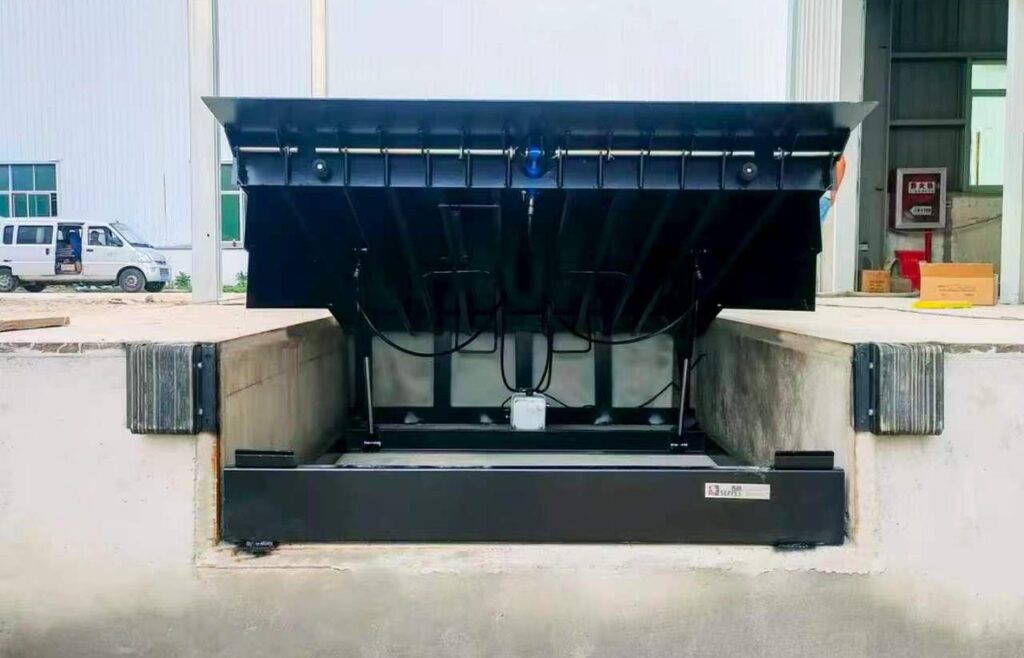
5. فشل معادل الرصيف أو السعة غير الصحيحة
يجب أيضًا أن يكون معوّض ارتفاع الرصيف نفسه مناسبًا للتطبيق.
بموجب OSHA 1910.26، يجب أن تكون ألواح الرصيف قادرة على دعم الحمل الأقصى المقصود. يتضمن تعريف OSHA لـ“لوح الرصيف” تحديدًا معوّضات ارتفاع الرصيف بالإضافة إلى ألواح الرصيف وألواح الجسور.
بالنسبة للمشترين، هذا يعني أنه لا ينبغي اختيار السعة المقدرة بناءً على وزن البضائع فقط.
لنأخذ بعين الاعتبار عملية تحميل تشمل:
رافعة شوكية بوزن 4,000 كجم
- حمولة منصات نقالة بوزن 2,000 كجم.
تتعرض معدات الرصيف لحمل التشغيل الناتج عن عملية مناولة المواد الكاملة، وليس فقط البضائع البالغة 2,000 كجم.
التكرار مهم أيضًا.
قد يكون لرصيف يتعامل مع حركة منصات نقالة عرضية متطلبات تشغيل مختلفة عن مركز توزيع تعبر فيه الرافعات الشوكية معوّض ارتفاع الرصيف مئات المرات يوميًا.
لذلك، قبل اختيار معوّض ارتفاع الرصيف، يجب على المشترين تزويد الشركة المصنّعة بمواصفات دقيقة للرافعات الشوكية أو المركبات ذاتية القيادة، ووزن البضائع، وتكرار التحميل.
6. تصادم المشاة والرافعات الشوكية
الرافعات الشوكية ليست المستخدم الوحيد لمنطقة التحميل.
قد يمر سائقو الشاحنات وموظفو التحميل وفنيو الصيانة وعمال المستودعات جميعًا عبر نفس البيئة.
تصف OSHA المستودعات بأنها مزيج متحرك باستمرار من الأشخاص والمركبات والمعدات، وتؤكد على تدريب مشغّلي الرافعات الشوكية على الظروف الخاصة بكل مكان عمل.
يمكن أن تزيد أرصفة التحميل ذات الزوايا العمياء أو المقطورات المتوقفة أو المنصات النقالة المكدسة من سوء الرؤية.
حيثما لا يمكن إزالة حركة المشاة من المنطقة، يجب على المنشآت النظر في كيفية فصل الأشخاص عن الرافعات الشوكية وكيفية الإبلاغ عن حق الأولوية.
Depending on the site, this may involve marked pedestrian routes, barriers, warning lights, mirrors or controlled access.
The objective is simple:
people should not unexpectedly enter a forklift’s travel path.
7. أسطح الرصيف المبللة أو الجليدية أو الملوثة
Loading docks are often directly exposed to outdoor conditions.
Rain can enter around a vehicle. Snow can be carried onto a platform. Cold-storage applications can experience moisture or icing. Oil, grease and debris can further reduce traction.
OSHA advises keeping loading dock working surfaces clear and clean and specifically identifies wet or icy conditions as a skidding and slipping hazard. Its forklift guidance also notes that operating surfaces should be free from grease, oil and obstructions that could cause a lift truck to skid, bounce or tip.
Dock shelters or seals can help reduce direct exposure around a parked trailer, but they do not replace housekeeping and inspection.
For cold climates and refrigerated operations, drainage, surface condition and ice management deserve particular attention.
قائمة التحقق لسلامة رصيف التحميل
A practical loading dock safety program should cover the complete loading cycle.
| تحقق | ما يجب التحقق منه |
|---|---|
| ☐ Trailer positioned correctly | Vehicle is aligned with the loading bay |
| ☐ Vehicle movement controlled | Required chock/restraint procedure has been completed |
| ☐ Communication confirmed | Driver and warehouse personnel understand loading status |
| ☐ Door opening clear | No people or obstacles are in the movement area |
| ☐ Dock leveler inspected | No visible structural, hydraulic or control damage |
| ☐ Capacity suitable | Forklift, cargo and operating conditions are within the intended application |
| ☐ Platform positioned correctly | Leveler has appropriate contact with the trailer |
| ☐ Surface clean and dry | No ice, oil, debris or other slip hazards |
| ☐ Dock edge visible | Markings, lighting and barriers are appropriate |
| ☐ Pedestrian route clear | Pedestrians are separated or controlled |
| ☐ Trailer condition checked | Trailer floor and structure are suitable for forklift entry |
| ☐ Loading complete | Forklift and personnel have fully exited |
| ☐ Leveler returned | Platform is restored to its stored position |
| ☐ Door closed | Loading opening is secured where required |
| ☐ Vehicle released | Driver receives clear permission before departure |
This checklist should be adapted to the equipment, traffic patterns and operating procedures of each facility rather than treated as a substitute for a site-specific safety assessment.
ماذا تشترط OSHA لسلامة رصيف التحميل؟
For U.S. facilities, several OSHA requirements are especially relevant.
OSHA 29 CFR 1910.26 requires dockboards to support the maximum intended load. Newer dockboards covered by the rule generally need protection against transfer vehicles running off the edge, subject to the stated exception. Portable dockboards must be secured against unsafe movement, and employers must use measures to prevent trucks, semi-trailers, trailers or rail cars from moving while employees are on the dockboard.
OSHA separately defines dockboards to include معادلات الأرصفة, which is why these requirements matter to permanently installed loading dock equipment as well as other dockboard types.
For forklift operations, 29 CFR 1910.178 and associated OSHA guidance are also relevant. OSHA identifies powered industrial trucks as a major source of hazards during loading and unloading and emphasizes proper training and safe operating practices.
A key point for buyers is that OSHA does not simply say:
“Every loading dock must use a trailer restraint.”
The requirement is to prevent unsafe vehicle movement using appropriate measures.
OSHA guidance allows a positive mechanical means of securing a truck or trailer when it provides equivalent protection and is correctly installed, maintained and used.
That distinction is important when specifying a trailer restraint system.
ما معدات سلامة رصيف التحميل التي يمكن أن تقلل المخاطر؟
Safety equipment is most effective when each component addresses a specific hazard.
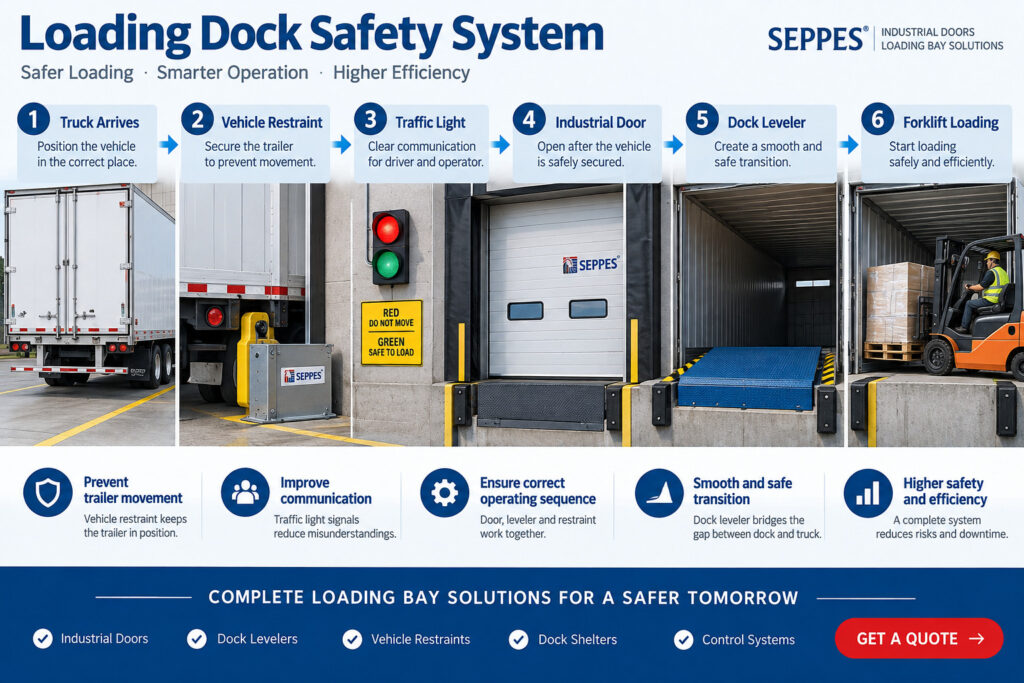
مثبت المركبة
A suitable vehicle restraint can help prevent trailer separation or movement during loading.
Its compatibility should be checked against the trailers expected at the facility.
نظام الإشارات الضوئية
Red/green signals provide clear visual communication between the truck driver and warehouse personnel.
This can reduce misunderstandings about whether a vehicle is permitted to leave.
أداة تسوية الرصيف
The dock leveler provides a controlled transition between the warehouse floor and trailer bed.
Correct capacity, working range, platform dimensions and maintenance are essential.
واقيات الأصابع والميزات الوقائية
Depending on the dock leveler design, guards and other protective measures can reduce exposure to crushing or shearing areas around moving platform components.
القفل المتشابك بين الباب والمعادل
Where appropriate, an interlocked control system can prevent equipment from operating in an unsafe sequence.
على سبيل المثال:
Truck ready → Door opens → Dock leveler deploys → Loading authorized
This type of control becomes particularly useful in high-frequency or automated warehouses.
أحجار تثبيت العجلات أم نظام تثبيت المقطورة؟
Both approaches are used to control trailer movement, but they are not identical.
Wheel chocks are simple and widely understood, but their effectiveness depends on correct placement and consistent employee use.
A mechanical trailer restraint system can physically secure a compatible trailer to the loading dock and may also be connected to traffic lights or other loading dock controls.
OSHA has long recognized the use of mechanical means to secure trucks or trailers where the system provides equivalent protection to wheel chocks and is installed, maintained and used effectively.
The correct solution depends on the site’s trailer fleet, operating procedures and risk assessment.
For warehouses receiving many different trailer designs, compatibility should be reviewed before a restraint system is specified.
سلامة رصيف التحميل هي أيضاً مشكلة تواصل
Many loading dock accidents are not caused by one broken component.
Instead, several people may have different understandings of the loading status.
The driver thinks loading is finished.
The forklift operator believes the trailer is still secured.
The warehouse door is opened before vehicle positioning is confirmed.
Or someone releases a truck before the dock leveler has returned.
This is why effective truck dock safety combines physical equipment with clear status communication.
Traffic lights, interlocks and control panels can make the loading sequence easier to understand, but technology does not replace procedures or employee training.
Both need to work together.
كيف يمكن للأتمتة تحسين سلامة رصيف التحميل
Modern warehouse loading dock equipment increasingly includes sensors, interlocks and communication interfaces.
For example, a loading bay control system may monitor:
vehicle restraint status → industrial door position → dock leveler position → loading authorization.
A warehouse does not need to automate every operation to benefit from this approach.
Even relatively simple interlocks can reduce the possibility of operating equipment in the wrong sequence.
For facilities using AGVs, AMRs or highly automated material-handling systems, this becomes even more important because automated vehicles depend on predictable operating conditions and clear control signals.
This is a very natural place to link your first loading dock article.
ما الذي يجب على المشترين التحقق منه عند اختيار معدات رصيف التحميل؟
For new loading docks or renovation projects, safety requirements should be defined before ordering equipment.
The manufacturer should receive enough project information to evaluate the real application, including dock height, minimum and maximum truck-bed height, forklift or AGV weight, maximum cargo, loading frequency, platform dimensions, operating environment and destination market.
Buyers should also decide whether the project requires vehicle restraints, traffic lights, door-and-leveler interlocking or communication with a PLC or warehouse control system.
For U.S. projects, applicable OSHA requirements should form part of the facility’s overall safety planning.
Price and platform size are important.
But the better purchasing question is:
How will this loading dock operate safely throughout the complete truck loading cycle?
بناء منطقة تحميل أكثر أماناً مع SEPPES
A loading dock is a system rather than a single piece of equipment.
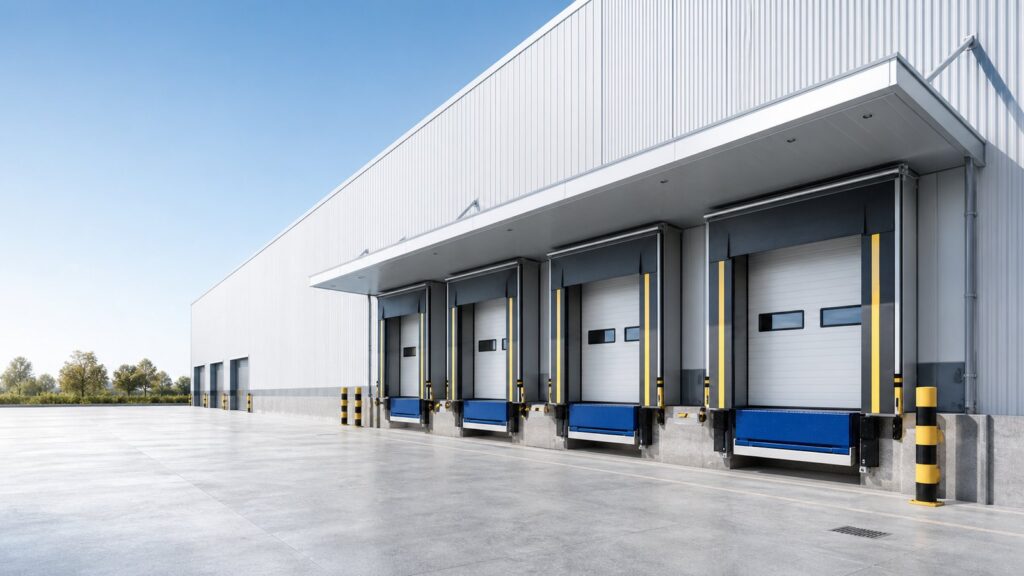
SEPPES loading bay solutions can combine equipment such as hydraulic dock levelers, industrial sectional doors, dock shelters and control devices according to the application.
For projects requiring coordinated operation, the relationship between the industrial door, dock leveler and loading sequence can be evaluated during the engineering stage.
When requesting a solution, provide the loading dock dimensions, truck-bed height range, forklift specifications, expected capacity, number of loading bays and control requirements.
This allows the equipment configuration to be evaluated according to the actual warehouse workflow.
الأسئلة الشائعة
ما هي مخاطر سلامة رصيف التحميل الأكثر شيوعاً؟
Important hazards include forklift falls from dock edges, trailer movement, premature vehicle departure, unsafe dockboard or dock leveler conditions, slippery surfaces and collisions between forklifts and pedestrians. OSHA specifically identifies dock-edge falls and wet or icy loading dock surfaces as forklift hazards.
هل تشترط OSHA أحجار تثبيت العجلات في أرصفة التحميل؟
OSHA requires measures to prevent transport vehicles from moving while employees use dockboards. OSHA guidance also recognizes certain mechanical means of securing trucks or trailers when they provide equivalent protection and are properly installed, maintained and used.
هل تعتبر OSHA معادل الرصيف لوح رصيف؟
Yes. OSHA’s definition of “dockboard” explicitly includes bridge plates, dock plates and dock levelers.
ما هو زحف المقطورة؟
Trailer creep is gradual trailer movement away from the loading dock during loading or unloading. Repeated forklift movement and other operating conditions can contribute to changes in trailer position, which can create an unsafe dock-to-trailer transition.
كيف يمكن منع مغادرة المقطورة المبكرة؟
Facilities should use an appropriate vehicle-securing procedure and clear communication between drivers and warehouse personnel. Depending on the application, controls may include wheel chocks, mechanical vehicle restraints, traffic lights and operating procedures.
هل يمكن لأتمتة رصيف التحميل تحسين السلامة؟
Automation can help coordinate equipment status and operating sequence. Interlocking a vehicle restraint, industrial door and dock leveler can reduce the risk of certain incorrect operations, but automation does not replace training, maintenance or site-specific safety procedures.