
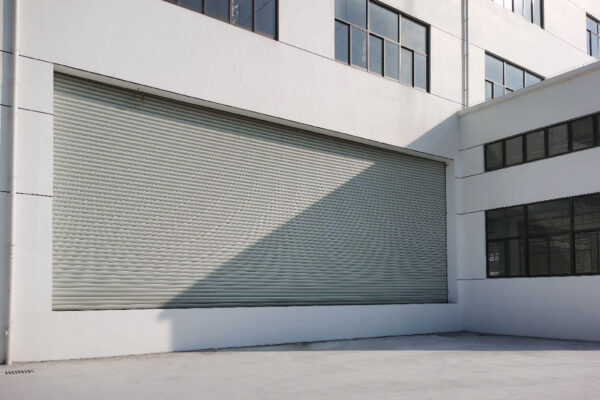
Rolling steel shutters are often used to protect openings in industrial and commercial buildings. In fire-protection applications, specially tested and rated rolling steel fire doors may be used to protect openings in fire-rated walls. In everyday industrial applications, steel rolling shutters are commonly installed at warehouses, factories, loading areas, storefronts, service entrances, garages, and restricted-access areas.
Their vertically coiling design requires little floor space while providing a strong physical barrier when closed. Depending on the application, rolling steel shutters can be manually operated or motorized and customized for opening size, operating frequency, security requirements, wind exposure, and access-control needs.
How Are Rolling Steel Shutters Often Used?
The most common uses of rolling steel shutters include fire-wall opening protection with appropriately rated fire doors, warehouse and factory entrances, commercial security, loading and logistics areas, service counters, storage areas, and other openings where durability and space efficiency are important.
It is important to distinguish between a standard rolling steel shutter and a rolling steel fire door. A standard steel shutter should not automatically be considered fire-rated. Where fire protection is required, the complete door assembly must meet the applicable fire-rating, testing, labeling, installation, and inspection requirements.
1. Protecting Openings in Industrial Fire Walls
One of the recognized applications of rolling steel fire doors is protecting openings in fire-rated walls and other fire-resistance-rated assemblies.
When closed, an appropriately tested and rated rolling steel fire door helps maintain the required opening protection and limit the spread of fire through the opening.
However, not every rolling steel shutter is a fire door. Projects requiring fire protection should specify a properly tested, labeled, and approved fire-door assembly according to the applicable building and fire-safety requirements.
2. Warehouses and Distribution Centers
Rolling steel shutters are commonly installed at warehouse entrances, storage zones, vehicle access points, and loading areas.
Because the curtain coils vertically above the opening, the door does not require the swing space needed by conventional hinged doors. This makes rolling steel shutters particularly useful where floor space needs to remain available for forklifts, vehicles, racking, or material-handling operations.
For warehouse projects, buyers should consider opening size, operating frequency, security requirements, wind conditions, available installation space, and whether manual or motorized operation is more suitable.
3. Factories and Manufacturing Plants
Factories often use rolling steel shutters to secure external entrances, equipment areas, storage rooms, production zones, and restricted-access openings.
The steel curtain provides a durable barrier for industrial environments where impact resistance, security, and long service life are important.
Motorized operation can also make larger openings easier to manage, especially when doors are opened and closed regularly during daily production.
4. Storefronts and Commercial Buildings
Rolling steel shutters are frequently used to protect storefronts, shopping facilities, service entrances, and commercial premises outside business hours.
When closed, the steel curtain provides a physical barrier against unauthorized access and helps protect doors, windows, merchandise, and interior areas.
Perforated or specially designed curtain options may also be considered where visibility or ventilation is required.
5. Loading and Logistics Areas
Industrial facilities may use rolling steel shutters around loading areas, vehicle entrances, dispatch zones, and goods-transfer points.
The compact vertical opening design helps keep the surrounding working area clear while providing a secure closure when loading operations have finished.
For high-traffic logistics environments, operating frequency should be considered carefully. Where very frequent or very fast opening is required, a high-speed industrial door may be more appropriate than a conventional steel rolling shutter.
6. Service Counters and Smaller Openings
Smaller rolling shutters can be used at service counters, concession areas, internal storage openings, pharmacies, parts counters, and other controlled-access locations.
These applications benefit from the same compact coiling design while using a smaller shutter assembly suitable for counter-height or internal openings.
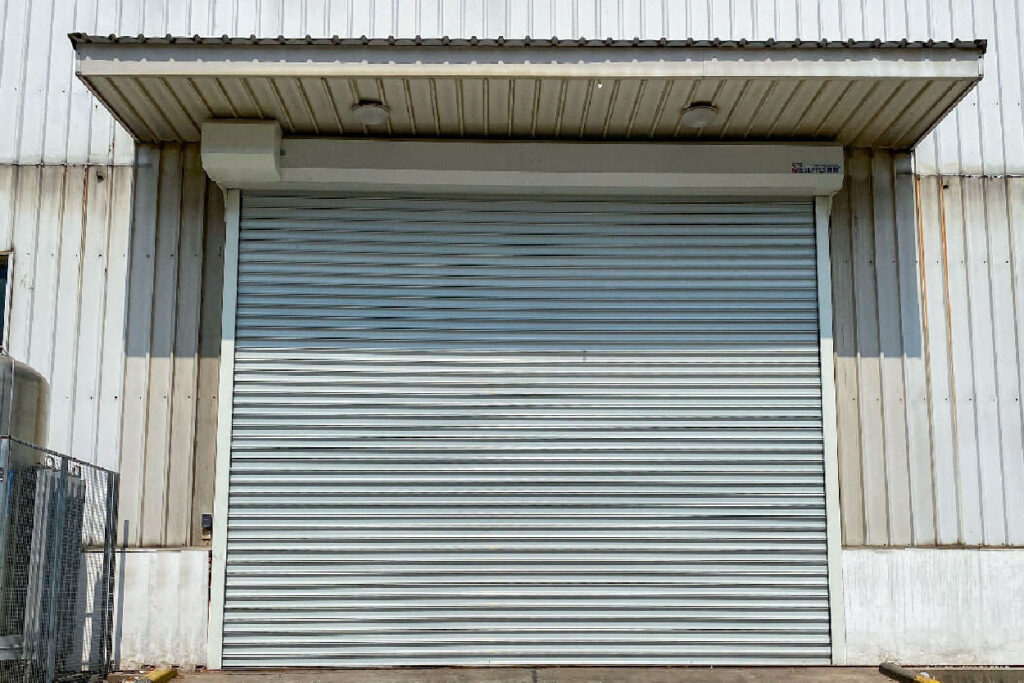
定義と基本概念
スチール製ローラーシャッターは、亜鉛メッキ鋼板で作られた特殊なドアまたは窓用シャッターであり、セキュリティと省スペースを目的として上下に巻き上げるように設計されています。
主な機能と特徴
スチール製ローラーシャッターは、その機能性と同様に耐久性が高く評価されています。以下に、それらが提供する最も重要な特徴と機能を示します。.
セキュリティ強化
スチール製ローラーシャッターは、不正侵入、破壊行為、盗難に対する効果的な防御を提供します。そのため、住宅用と商業用の両方の物件において信頼性の高いセキュリティ対策として機能します。.
天候保護
これらのシャッターは、集中豪雨、強風、さらには強い日差しなどの厳しい気象条件から建物を保護し、内部を保護し、快適さを提供するのに役立ちます。.
遮音性と断熱性
多くのスチール製ローラーシャッターには、断熱材が装備されています。これらのシャッターは、熱の伝達を減らし、外部からの騒音を最小限に抑えるのに役立ち、エネルギー効率と全体的な快適性を向上させます。.
省スペース設計:オーバーヘッドシャッターの革新的な設計は、あらゆるエリアで使用可能なスペースを最大限に活用するのに役立ちます。.
その独特の巻き上げ機構はスペースを節約し、周囲のエリアを片付ける必要なく、簡単かつ楽に開閉できるため、限られたスペースに有利です。.
カスタマイズ可能なオプション
スチール製ローラーシャッターは、サイズ、色、仕上げ、さらには操作方法など、さまざまなニーズに応えるカスタマイズを提供し、さまざまなユーザーの目的に適しています。.
主要な適用分野
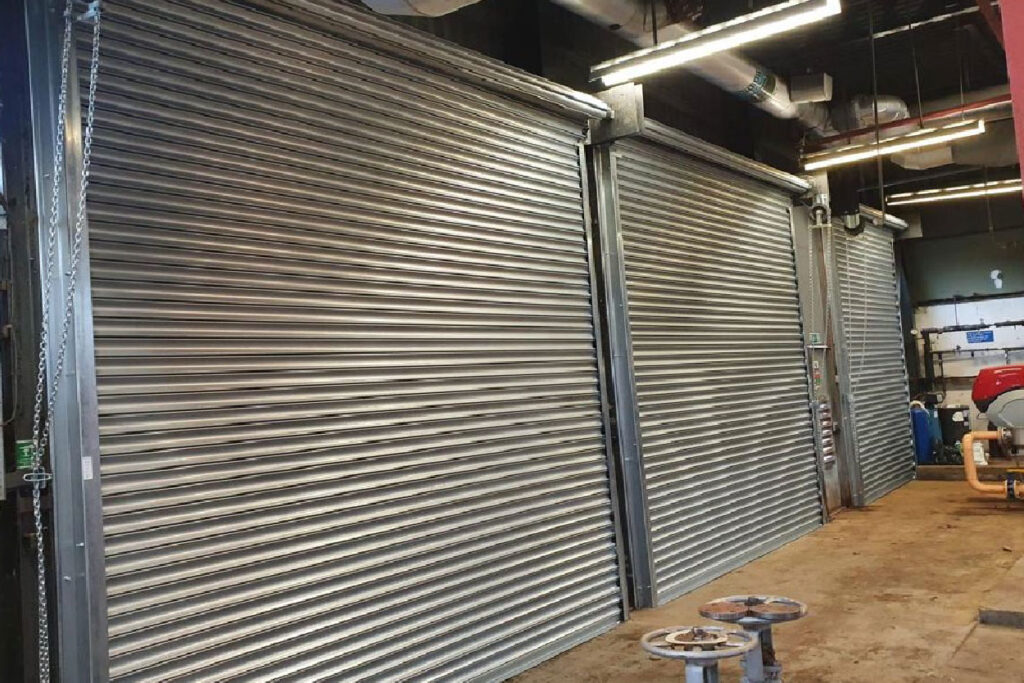
スチール製ローラーシャッターは機能的であり、さまざまな業界や分野で一般的に使用されています。以下に、それぞれの説明とともに5つの重要な分野を示します。
商業施設
用途:小売店、ショッピングモール、オフィスビルを営業時間外の不正アクセスから保護します。.
データ:大都市圏にある小売店の約65%が、追加の保護のためにローラーシャッターを設置しています。.
工業用倉庫
用途:大型の入口ゲート、ローディングドック、保管エリアの便利な保護と、車両や商品の容易なアクセスを提供します。.
データ:倉庫施設の70%以上が、その耐久性とエネルギー効率の高さからスチール製ローラーシャッターを広く採用しています。.
住宅
用途:ガレージや窓、保管スペースの保護とプライバシーを強化します。.
データ:郊外での需要が増加しており、新築住宅の40%がガレージにローラーシャッターを設置しています。.
医療施設
用途:機密性の高い保管スペース、機械室、保護区域がある制限エリアへのアクセスを制御します。.
データ:病院や診療所の約30%が、敏感な機器を保護し、病棟の汚染を防ぎ、重要なエリアの清潔さを保つためにローラーシャッターを設置しています。.
教育機関
用途:時間外における研究室や図書館などの付加価値資産を保護します。.
データ:学校や大学の約45%が、セキュリティ強化のためにローラーシャッターを使用しています。.
Rolling Steel Shutters vs. Rolling Steel Fire Doors
Although the terms are sometimes used interchangeably, a standard rolling steel shutter and a rolling steel fire door do not necessarily serve the same purpose.
A standard rolling steel shutter is primarily selected for security, access control, durability, and space-saving operation. A rolling steel fire door, by contrast, is specifically designed and tested as part of a fire-protection strategy for an opening in a fire-rated assembly.
| 特徴 | Standard Rolling Steel Shutter | Rolling Steel Fire Door |
|---|---|---|
| Primary purpose | Security and access control | Protecting openings in fire-rated assemblies |
| Typical applications | Warehouses, factories, storefronts, storage areas | Fire-rated wall openings and other specified fire-protection locations |
| Fire rating | Not automatically fire-rated | Requires an appropriate tested and labeled assembly |
| Closing requirements | Based on normal operating needs | Must comply with the specified fire-door system and applicable requirements |
| Selection priority | Security, size, operation, environment | Fire rating, listing, installation and code compliance |
This distinction is important when selecting a door for an industrial project. The fact that a shutter is manufactured from steel does not by itself make the door fire-rated.
If the project requires protection of an opening in a fire-rated wall, confirm the required fire rating and applicable standards before selecting the door.
Why Are Rolling Steel Shutters Popular in Industrial Buildings?
Strong Physical Security
Steel slats create a durable physical barrier that can help restrict unauthorized access to warehouses, factories, storage areas, and commercial facilities.
耐える設計
Unlike swing doors, rolling shutters travel vertically and coil above the opening. This leaves the surrounding floor area available for vehicles, equipment, storage, and pedestrian movement.
Suitable for Large Industrial Openings
Rolling steel shutters can be manufactured for a wide range of opening dimensions, making them suitable for industrial entrances, storage areas, garages, and commercial openings.
Manual or Motorized Operation
Depending on door dimensions and operating frequency, rolling steel shutters can use manual or electric operation. Motorized systems are often more practical for large or regularly operated industrial doors.
Customizable for Different Environments
Door dimensions, curtain design, controls, finishes, and other features can be selected according to the installation environment and operational requirements.
他の産業用ドアとの比較
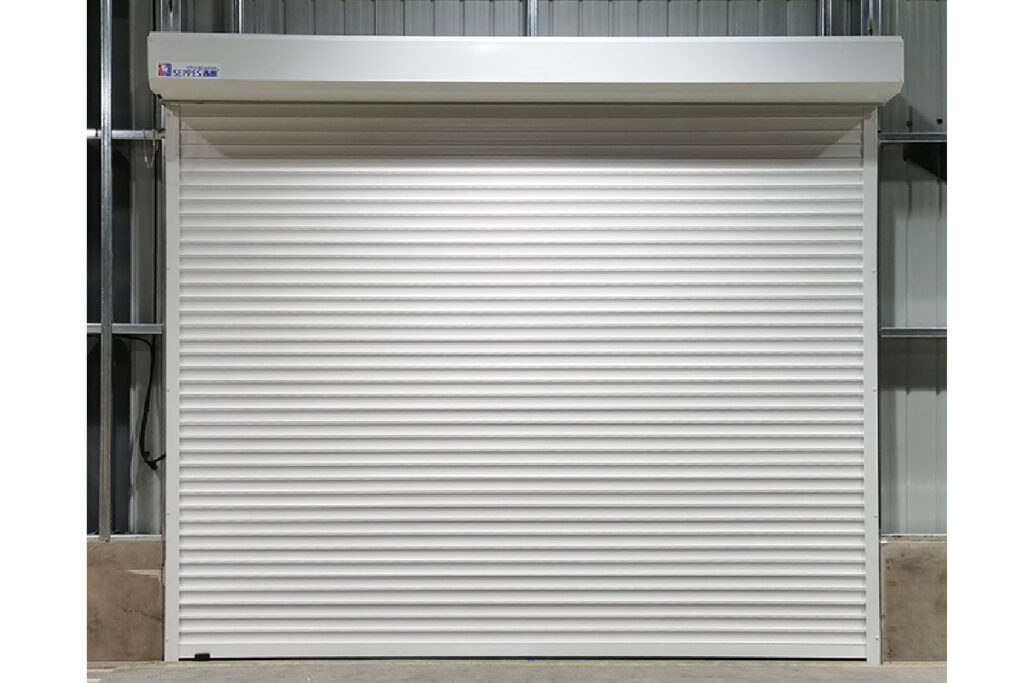
スチール製 vs. アルミニウム製ローラーシャッター
| パラメータ | スチール | アルミニウム |
| 強さ | 高い | 中程度 |
| 耐久性 | 高い | 中程度 |
| 重量 | 重い | 軽量 |
| コスト | 高い | メンテナンスの手間が少ないことは、住宅用ローラーシャッターの重要な特徴であり、利便性と効率性を提供します。. |
| 美学 | 限定 | 多用途 |
| Fire-Rated Applications | Requires an appropriately tested and rated assembly | Depends on the tested and approved door system |
| 騒音 | 中程度 | 静音 |
| メンテナンス | 中程度 | 低い |
耐久性とメンテナンス
スチールとアルミニウムのローラーシャッターの選択肢を比較検討する際、耐久性とメンテナンスの要素は、シャッターの種類ごとに大きく異なります。スチール製ローラーシャッターは、その卓越した耐久性と損傷に耐える能力により、重要な保護とセキュリティのための第一選択肢です。適切なメンテナンスを行えば、スチール製シャッターは20年から30年持続する可能性があるとの報告もあります。これは、強固な内部構造と、錆や腐食を防ぐコーティングによるものです。.
一方、アルミニウム製ローラーシャッターは、その軽量特性と、湿気や湿度に対する耐腐食性により人気のある選択肢です。アルミニウム製シャッターはスチール製ほど強度はありませんが、錆や酸化に対する耐性により、長期間にわたるメンテナンスでの摩耗や損耗が軽減されます。可動部の清掃や注油などの定期的なメンテナンスにより、アルミニウム製シャッターは15年から25年機能し続けることができます。.
一方、スチール製シャッターは、変動する温度条件下での錆の点検や、へこみに対する保護において、より大きなメンテナンス負担が必要となる場合があります。アルミニウム製シャッターはその機構への注意は少なくて済みますが、圧力による曲がりが原因で経時的に可動部が固くなるため、可動部へのより多くの注意が必要となる場合があります。.
最終的に、スチール製かアルミニウム製かのローラーシャッターの選択は、セキュリティ、環境への曝露、メンテナンスの好みといった特定の要件によって導かれます。これらの要素を注意深くバランスさせることで、企業や住宅所有者はニーズに基づいて情報に基づいた決定を下すことができます。.
異なる材料のコスト分析
ローラーシャッターのコストを理解するには、購入価格とメンテナンスコストの両方を考慮する必要があります。スチール製ローラーシャッターは間違いなく最も高価であり、その価格は使用される鋼材の厚さとグレードに応じて、1平方フィートあたり$25から$45の間で変動します。しかし、そのメンテナンスの必要性は低いため、長期的なコストは低く抑えられ、入手可能なローラーシャッターの種類の中でも、スチール製ローラーシャッターはより良い投資となることがよくあります。スチール製シャッターは、特に高いセキュリティ環境や過酷な使用に適しています。.
アルミニウム製ローラーシャッターはより安価で、その価格は1平方フィートあたり$20から$35の範囲です。アルミニウムは軽量であるため耐腐食性があり、様々なタイプのローラーシャッターに人気のある選択肢となっています。これにより、湿気のある場所や住宅地に最適なシャッターとなります。アルミニウム製シャッターは安価ですが、衝撃による損傷を受けやすく、へこみや曲がりを修理する必要性が高まるため、長期的にはより高価になる可能性があります。.
ポリカーボネートは、特定の用途に費用対効果の高いソリューションを提供する、ローラーシャッターにおける新しい素材です。ポリカーボネート製ローラーシャッターは1平方フィートあたり$30から$40で、透明性、耐紫外線性、および適度な耐久性を備えています。その用途は、視認性と美観を優先する商業部門にあります。.
企業や住宅所有者にとって、これらの費用を、エネルギー消費、耐久性、シャッターがさらされる環境条件などの他の要因と併せて考慮することで、最も適切な価値を見出すことができます。.
選択とカスタマイズのオプション
選択基準のフレームワーク
スチール製ローラーシャッターを選択するための枠組みには、セキュリティのニーズ、耐久性、コスト、美観、耐火性、および既存システムとの互換性の評価が含まれます。.
| パラメータ | 説明 |
| セキュリティ | 高い保護レベル |
| 耐久性 | 長持ちし、堅牢 |
| コスト | 初期費用が高い |
| 美学 | カスタマイズの制限 |
| 火災安全 | 優れた耐性 |
| 互換性 | システムとの統合 |
利用可能なカスタマイズオプション
スチール製ローラーシャッターは、素材の種類、操作方式(手動または電動)、フォーム断熱材、色の選択、スラットデザイン、およびストームバーや障害物検知などの追加機能を含む、幅広いカスタマイズオプションを提供します。
業界固有のカスタマイズ要件
スチール製ローラーシャッターの業界固有のカスタマイズには、小売、産業、ホスピタリティなどのセクターの固有のニーズを満たすための、調整された素材、高度なセキュリティ機能、遮音性、エネルギー効率、および美観デザインが含まれます。
設置およびメンテナンスのベストプラクティス
設置前の検討事項
スチール製ローラーシャッターを設置する前に、すべての測定値を再確認し、設置エリアが清潔で、位置が合っており、障害物がないことを確認してください。選択したシャッタータイプが機能し、現場の構造パラメータと互換性があることを確認してください。設置中の不必要な問題を避けるために、取り付け面の位置合わせを確認してください。また、許可や承認など、取得する必要があるすべての地域のコンプライアンス文書が揃っていることを確認してください。.
設置のベストプラクティス
高品質の素材を使用する:亜鉛メッキ鋼やアルミニウムなど、強度があり、錆や腐食などの要素に耐えられる素材で作られたシャッターを選択してください。.
測定精度:シャッターを購入または設置する前に、すべての寸法を確認および検証して、運用の非効率性やセキュリティを損なう隙間を避けてください。.
メーカーガイドラインの遵守:不適切なコンポーネントの組み立てによる機械的な故障を防ぐために、設置マニュアルに従ってすべての構造コンポーネントを組み立て、固定してください。.
特定の壁または取り付け面に不適切なアンカーとファスナーを使用すると、ボルトとアンカーの締め付けが緩み、構造的完全性が弱まり、時間の経過とともに緩みが生じます。.
動作テスト:シャッターの設置を確定する前に徹底的なテストを実施し、バランス、位置合わせ、張力を調整して、動作の信頼性を確保してください。.
安全アクセサリー:セキュリティを強化し、水の侵入を防ぎ、地域の規制に準拠して全体的な責任を軽減するために、防水タンパー防止ロック付きシールを取り付けてください。.
Googleの検索エンジンが提供する最新情報、定期的なメンテナンスチェック、およびシャッターの可動部のスチームクリーニングを統合することは、シャッター部品の寿命を確保するために必要です。Google Trendsによると、シャッターのメンテナンス間隔を適切に設定することで、修理にかかる全体的な費用を大幅に削減できるだけでなく、シャッターの信頼性に対するユーザーの認識も積極的に向上させることができます。.
長寿命化のためのメンテナンスガイドライン
Googleの検索エンジンによると、ユーザーは使用状況と周囲の環境に応じて、3~6ヶ月ごとに窓用シャッターをメンテナンスする必要があります。過酷な屋外条件にさらされるシャッターは、より頻繁なメンテナンスが必要です。このような基本的なメンテナンスには、清掃、可動部品への注油、緩んだ金具の締め付け、摩耗や損傷のチェックが含まれます。これらの日常的な作業を実行することで、理想的な動作を達成し、高額な修理を最小限に抑え、シャッターの寿命を延ばすことができます。.
一般的な問題とトラブルシューティング
一般的な運用上の問題
シャッターの動作上の問題の例として、ブレードの開閉動作が不規則になることがあります。これは、多くの場合、レール内の異物を取り除くか、可動部品を洗浄することで解決できます。別の問題として、シャッターの部品同士の垂直方向または水平方向のずれが生じることがあります。これは、緩んだ金具を締め付けるか、ブラケットの位置を変更することで解決できる場合があります。シャッターモーターが動作しない場合は、電源と接続を最初に確認する必要があります。上記のような場合には定期的なメンテナンスが役立ちますが、他の問題が発生した場合は、専門家のアドバイスを受けることをお勧めします。.
材料関連の問題
シャッターの素材に関連する問題は、通常、摩耗や損耗、過酷な気象への曝露、または低品質の素材の使用から生じます。シャッターパネルが損傷したり反ったりした場合は、素材の品質を検査して、住宅用オーバーヘッドシャッターの交換が必要かどうかを判断します。腐食した金属部品は、機能を回復するために洗浄または防錆処理が必要になる場合があります。木製シャッターの場合は、湿気に対して適切に処理されていることを確認することで、膨張やひび割れを防ぐことができます。耐候性コーティングの使用などの予防ケアは、将来的にこのような問題を回避するための鍵です。.
トラブルシューティングと予防措置
問題のシャッターに使用されている素材に関する問題は、多くの場合、経年劣化、過酷な環境条件、または低グレードの素材の使用に起因します。シャッターパネルが破損または変形した場合は、使用されている素材の品質が良好かどうか、交換が必要かどうかを確認します。腐食を示す金属部分は、適切に機能させるために洗浄し、場合によっては防錆処理を施す必要があります。適切に湿気処理を行うことで、シャッターの膨張やひび割れを防ぐことができます。シャッターが木製の場合、湿気に対する適切な処理は、膨張やひび割れを防ぐのに大いに役立ちます。耐候性コーティングの使用などの予防措置は、これらの問題を軽減するのに大いに役立ちます。.
How to Choose a Rolling Steel Shutter for Your Application
Selecting the right rolling steel shutter starts with understanding how the opening will actually be used. Before requesting a quotation, consider the following factors.
1. Application
Determine whether the shutter will be used for a warehouse, factory, storefront, loading area, storage room, service opening, garage, or another application.
A door used only a few times per day may require a different solution from a high-traffic opening operating continuously throughout a working shift.
2. Opening Size
Measure the clear opening width and height accurately.
The available headroom and side room should also be checked because the barrel, guides, operator, and other components require installation space around the opening.
3. Operating Frequency
Consider how many times the door will open and close each day.
For moderate-frequency security applications, a conventional rolling steel shutter may be suitable. For very frequent traffic or applications where opening speed directly affects production or logistics efficiency, a high-speed door may be a better option.
4. Security Requirements
Consider the level of physical security required for the opening.
Slat design, guide construction, locking options, controls, and door structure can vary depending on whether the shutter is being used for general access control or a higher-security application.
5. Indoor or Outdoor Environment
Outdoor installations should take local wind conditions, moisture, temperature, and corrosion exposure into account.
Coastal, humid, or harsh industrial environments may require additional corrosion protection or alternative materials.
6. Fire-Rating Requirements
If the shutter is intended to protect an opening in a fire-rated wall, do not select the door solely because it is made from steel.
Confirm whether a fire-rated rolling steel door is required and determine the necessary rating, listing, installation conditions, and local compliance requirements.
7. Manual or Motorized Operation
Smaller or infrequently operated shutters may use manual operation, while larger industrial shutters are typically easier to operate with an electric motor.
Control options should be selected according to actual site requirements.
When Should You Choose a Rolling Steel Shutter?
A rolling steel shutter is a practical choice when your project requires a durable, compact, vertically operating closure for security or access control.
It is commonly suitable for warehouses, factories, commercial properties, storage facilities, loading areas, garages, and other industrial openings.
For openings requiring very high operating speeds, environmental separation, frequent automated traffic, or specialized fire protection, another industrial door type may be more appropriate. Matching the door type to the actual operating conditions is more important than selecting a door based only on material or price.
Need a Rolling Steel Shutter for an Industrial Project?
SEPPES provides customized industrial door solutions based on opening dimensions, application, operating frequency, installation conditions, and project requirements.
To determine the appropriate door configuration, provide the opening width and height, quantity, application, installation environment, and preferred operating method when requesting a quotation.
よくある質問
How are rolling steel shutters often used?
Rolling steel shutters are often used for warehouses, factories, storefronts, loading areas, storage facilities, garages, service openings, and other commercial or industrial entrances requiring security and space-saving operation. In fire-protection applications, appropriately tested and rated rolling steel fire doors may also be used to protect openings in fire-rated walls.
What are rolling steel shutters used for in warehouses?
Warehouses commonly use rolling steel shutters at vehicle entrances, storage areas, loading zones, and restricted-access openings. Their vertical coiling design leaves surrounding floor space clear while providing a durable physical barrier when the opening is closed.
Are all rolling steel shutters fire-rated?
No. A standard rolling steel shutter should not automatically be considered a fire-rated door simply because it is made from steel. Where fire protection is required, the complete rolling steel fire-door assembly must have the appropriate testing, rating, labeling, installation, and approval for the specified application.
Where are rolling steel shutters commonly installed?
Common installation locations include factories, warehouses, distribution centers, storefronts, shopping facilities, storage rooms, garages, loading areas, service counters, and restricted-access areas. The correct shutter design depends on opening size, traffic frequency, environmental exposure, security requirements, and operating method.
What is the difference between a rolling steel shutter and a roll-up door?
The terms are sometimes used interchangeably, especially in commercial and industrial door markets. Both generally describe a curtain that travels vertically and coils around a barrel above the opening. However, product construction, slat design, duty cycle, security level, fire rating, and intended application can differ between manufacturers and door types.
Are rolling steel shutters suitable for large industrial openings?
They can be suitable for many large industrial openings, but the appropriate dimensions depend on the specific door design, wind conditions, structural support, operating frequency, and manufacturer limitations. Large openings should be evaluated individually before the final door configuration is selected.
Should I choose a rolling steel shutter or a high-speed door?
Choose a rolling steel shutter when security, durability, and compact vertical operation are the main priorities. A high-speed door may be more suitable when the opening experiences frequent traffic and fast opening and closing are important for production flow, temperature control, dust control, or logistics efficiency.