
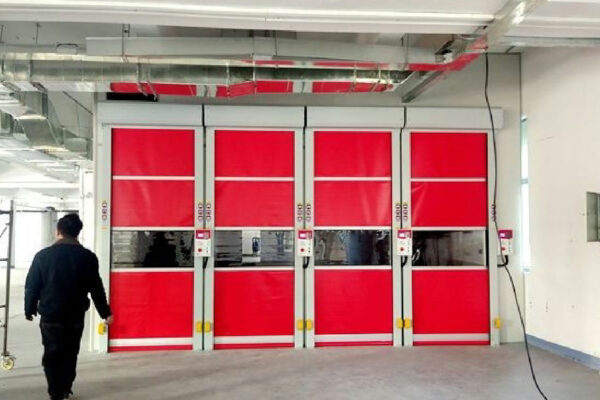
Die Wartung von Hochgeschwindigkeitstoren ist für Unternehmen, die auf Effizienz, Sicherheit und reibungslose Abläufe angewiesen sind, von entscheidender Bedeutung. Branchen wie Logistik, Fertigung, Lebensmittelverarbeitung und Einzelhandel sind auf Hochgeschwindigkeitstore angewiesen, um die tägliche Funktionalität und den ständigen Bewegungsverkehr zu gewährleisten. Wie jedes mechanische System erfordern auch diese Tore regelmäßige Wartung, um Ausfälle zu verhindern und die Lebensdauer zu verlängern. In diesem Beitrag erläutern wir, warum die Wartung von Hochgeschwindigkeitstoren wichtig ist, welche Risiken entstehen, wenn Unternehmen sie vernachlässigen, und wie Tore langfristig zuverlässig in Betrieb gehalten werden können. Ob Sie Facility Manager oder Geschäftsinhaber sind – dieser Leitfaden hilft Ihnen, einen kontinuierlichen und effizienten Betrieb aufrechtzuerhalten.
Einführung in die Wartung von Hochgeschwindigkeitstoren
Hochgeschwindigkeitstore sind in industriellen und gewerblichen Umgebungen unerlässlich, da sie betriebliche Effizienz, Sicherheit und Schutz bieten. Diese Tore unterstützen den Verkehrsfluss, die Temperaturkontrolle und verhindern Schädlingsbefall. Für den Endnutzer ist das Schließen dieser Tore mehr als nur eine Sicherheitsvorkehrung. Es hilft, Heiz- und Kühlkosten zu kontrollieren und den CO₂-Fußabdruck des Gebäudes zu reduzieren. Regelmäßiger Service an diesen Toren ist notwendig, um Zuverlässigkeit zu gewährleisten und Ausfälle zu minimieren. Ordnungsgemäße Wartung umfasst die Wartung der mechanischen Komponenten der Tore, die Inspektion und Wartung der Sicherheitssysteme sowie die Wartung aller bedienerbezogenen Komponenten. Torsysteme sind sicher und energieeffizient konform. Unbehobene Betriebsprobleme können Servicekosten und Reparaturen in die Höhe treiben und zu vollständigen Automationsausfällen der Tore führen. Frühe Bewertungen und Anpassungen von Verschleiß können die Langlebigkeit und betriebliche Effizienz erheblich verbessern. Investitionen in die Wartung Ihrer Hochgeschwindigkeitstore können einen reibungslosen Betriebsablauf und mehr Sicherheit gewährleisten.
Bedeutung von Hochgeschwindigkeitstoren in modernen Einrichtungen
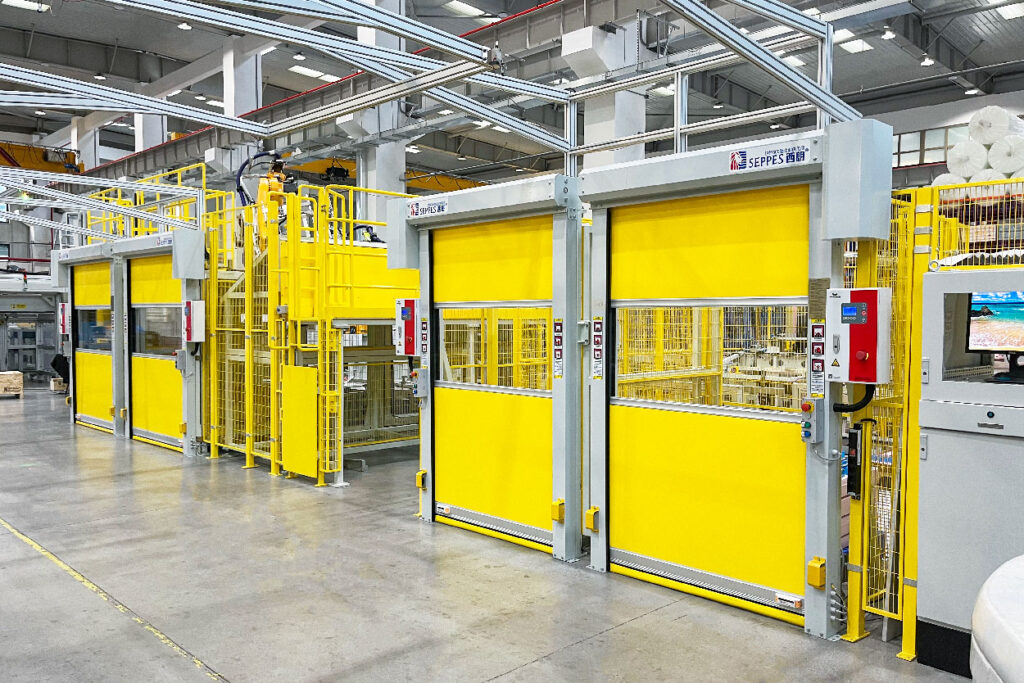
Stellen Sie sich einen hochorganisierten Lagerbetrieb vor, der wie ein gut geöltes Maschinenwerk läuft. In schnelllebigen Umgebungen müssen Tore sofort öffnen und schließen, um den Verkehrsfluss aufrechtzuerhalten. Einrichtungen benötigen eine präzise Kontrolle darüber, wer wann eintritt und wie viele Personen oder Fahrzeuge gleichzeitig passieren. Gleichzeitig müssen sie die Effizienz optimieren, Energiekosten senken und Waren schnell bewegen, ohne die Raumluftqualität oder Temperaturkontrolle zu beeinträchtigen.
Hochgeschwindigkeitstore machen dies möglich. Sie unterstützen reibungslose Logistik, schützen kontrollierte Umgebungen und erhalten stabile Raumklimata. Deshalb sind sie in Einrichtungen wie Lebensmittel- und Pharmalagerbereichen, Kühllagern und anderen temperaturgeregelten Betrieben unverzichtbar.
Neben den Türen selbst müssen Unternehmen auch die modernen Gesetze einhalten. Diese Gesetze schreiben den Einsatz von Luftschleiern und Schließmechanismen vor, die ballistisch genug sind, um eine Person umzuwerfen. Die Gesetze dienen jedoch nicht nur der Luftdichtheit einer Anlage. Sie dienen dem Schutz von Personen. Moderne Schnelllauftüren bieten in Verbindung mit der richtigen Elektronik Werbe- und Marketingmöglichkeiten. Sie sind mit Fahrbahnsensoren und Aufprallschutz ausgestattet. Wenn eine Anlage in Schnelllauftüren investiert, investiert sie in einen schnellen, effizienten, konformen und sicheren Betrieb.
Auswirkungen ordnungsgemäßer Wartung auf Lebensdauer und Produktivität
Wie lange sollen Ihre Schnelllauftüren halten? Priorisieren Sie regelmäßige Wartung, um einen reibungslosen Betrieb zu gewährleisten und Leistungsprobleme zu vermeiden. Passen Sie die Spannung an, reinigen Sie die Sensoren und schmieren Sie bewegliche Teile, um Ausfallzeiten zu vermeiden. Die Einhaltung des Wartungsplans des Herstellers stellt sicher, dass Rollen, Dichtungen und andere Komponenten in einem Top-Zustand bleiben, Reparaturen minimiert werden und Ihr Unternehmen effizient läuft.
Technologische Trends, die Wartungspraktiken beeinflussen
Auf dem neuesten Stand der Technik zu bleiben, definiert die zukünftige Wartung von Schnelllauftüren. Ein wichtiger Trend ist der Einsatz von eingebetteter Technologie, IoT und vorausschauender Wartungstechnik. Intelligente Sensoren überwachen den Betrieb der Türen, indem sie die Bewegung des Motors, den Scharnier-Verschleiß und die Anzahl der Zyklen verfolgen, um Leistungsdaten für die Wartung von Schnelllauftüren zu sammeln. Künstliche Intelligenz wandelt diese Daten in vorausschauende Wartungslösungen um, die die Türleistung analysieren und Probleme beheben, bevor es zu einem Totalausfall kommt. Dieser Ansatz reduziert Ausfallzeiten und verlängert die Lebensdauer der Tür.
Wartungsteams können mobile Apps und Cloud-Technologie nutzen, um Wartungsarbeiten aus der Ferne zu verwalten und Reparaturen zu planen. Technologien wie Augmented Reality können helfen, indem sie Technikern schrittweise Überlagerungen für Prozesse bereitstellen. Dies verringert die Wahrscheinlichkeit von Fehlern und erhöht das Sicherheitsniveau und wird durch die Technologie erreicht. Schließlich verfügen Schnelllauftüren über zusätzliche energieeffiziente Systeme und Technologien zur Überwachung des Energieverbrauchs, die es Kunden ermöglichen, das System zur Optimierung der Datenerfassung und Steigerung der Effizienz einzustellen. All diese Verbesserungen machen die Wartung weniger zeitaufwändig und effizienter. Die zusätzlichen energieeffizienten Systeme stellen auch sicher, dass Schnelllauftüren nachhaltiger betrieben werden. All dies trägt zur Sicherheit und Effizienz der Türen bei.
Grundlagen zu Hochgeschwindigkeitstoren
Arten von Hochgeschwindigkeitstoren und ihre Anwendungen
Die große Bandbreite an Unternehmen, die Schnelllauftüren nutzen können, ergibt sich aus der Vielfalt der Modelle, die für spezifische Anwendungen hergestellt werden. Hier ist eine Liste von 5 verschiedenen Schnelllauftüren und für welche Branchen sie verwendet werden:
Hochgeschwindigkeits-Rolltore

Diese werden in fast jedem Lager, Distributionszentrum und Fertigungsgebäude eingesetzt. Sie bieten eine bessere Energieeffizienz, indem sie den Luftaustausch verringern und ihre Schließ- und Öffnungsgeschwindigkeit erhöhen. Diese Türen sind am effektivsten für Bereiche, die häufigen Zugang benötigen.
Hochgeschwindigkeits-Spiraltore
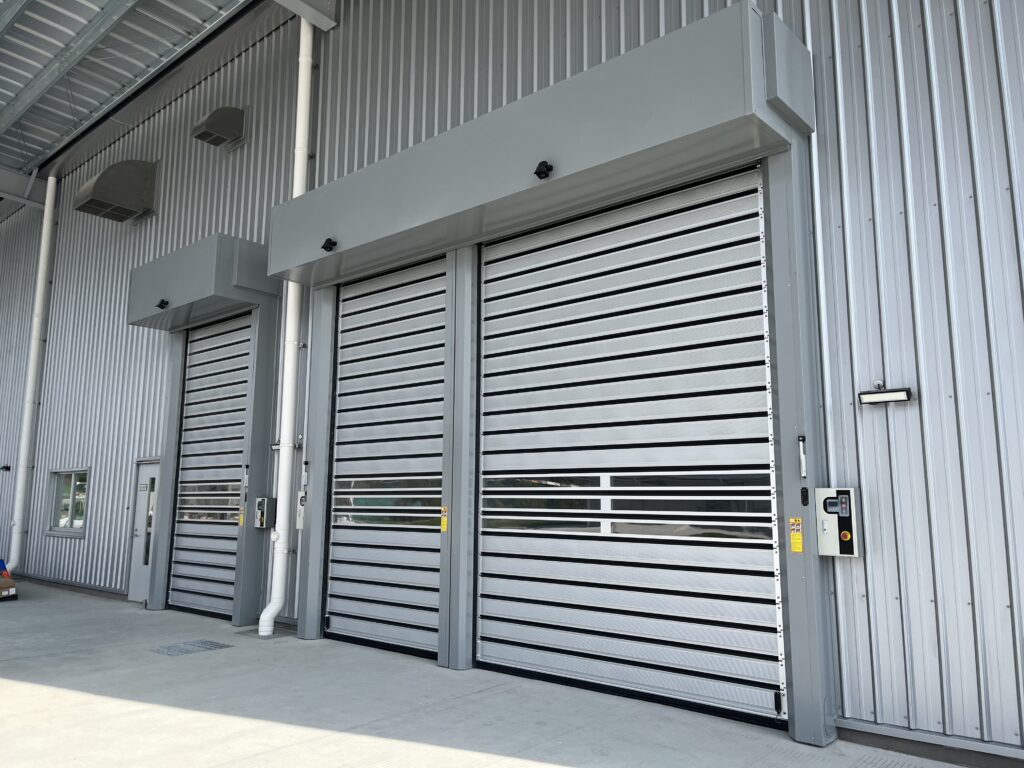
Branchen, die Wert auf Ästhetik und erhöhte Sicherheit legen – zum Beispiel Autohäuser oder Gewerbeflächen – würden diese nutzen. Sie arbeiten schnell und reibungslos und sind so konstruiert, dass sie Verschleiß reduzieren.
Hochgeschwindigkeits-Falttore
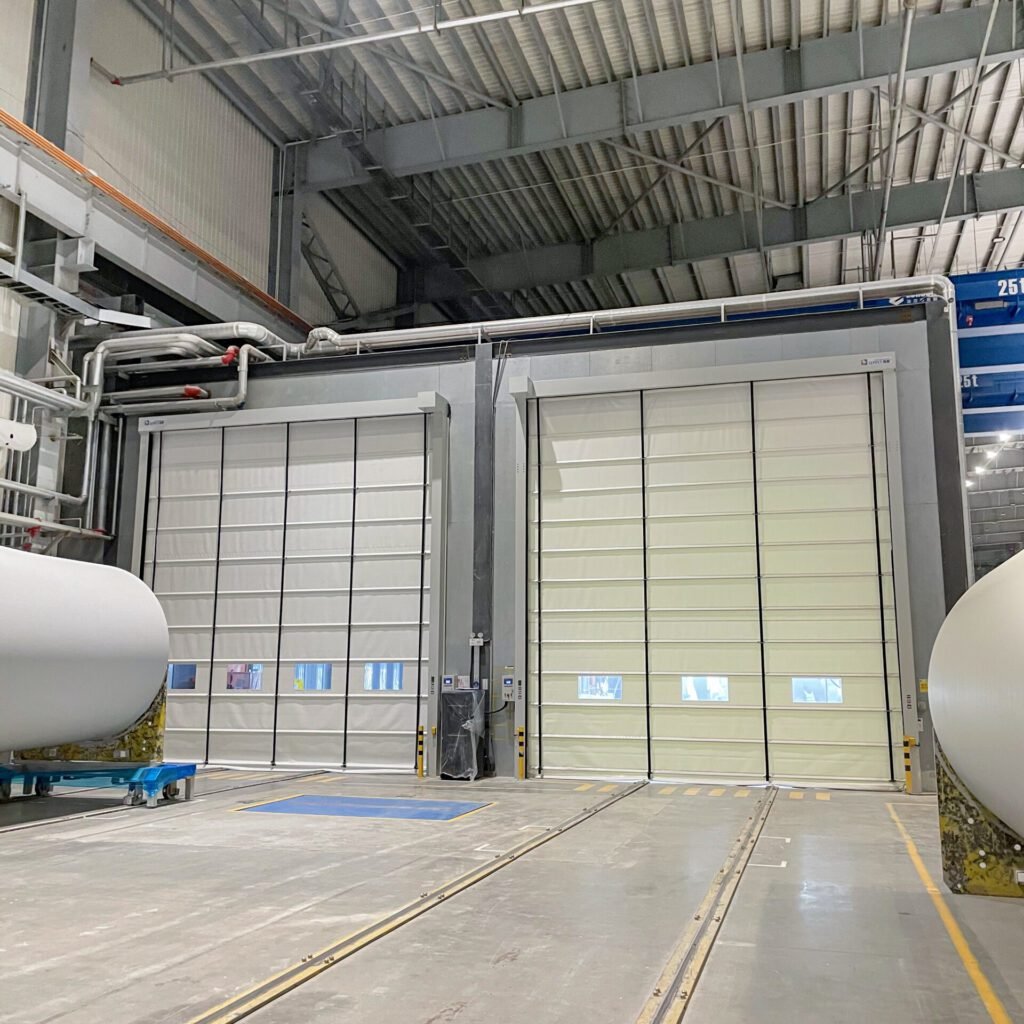
Diese Türen sind am häufigsten in großen Industriebereichen anzutreffen und verwenden superverstärkte Paneele, die sich vollständig zusammenfalten. Die verstärkte Struktur macht sie zu den besten Türen für extreme Wetterbedingungen, seien es starke Winde oder extreme Temperaturen.
Hochgeschwindigkeitstore für Reinräume
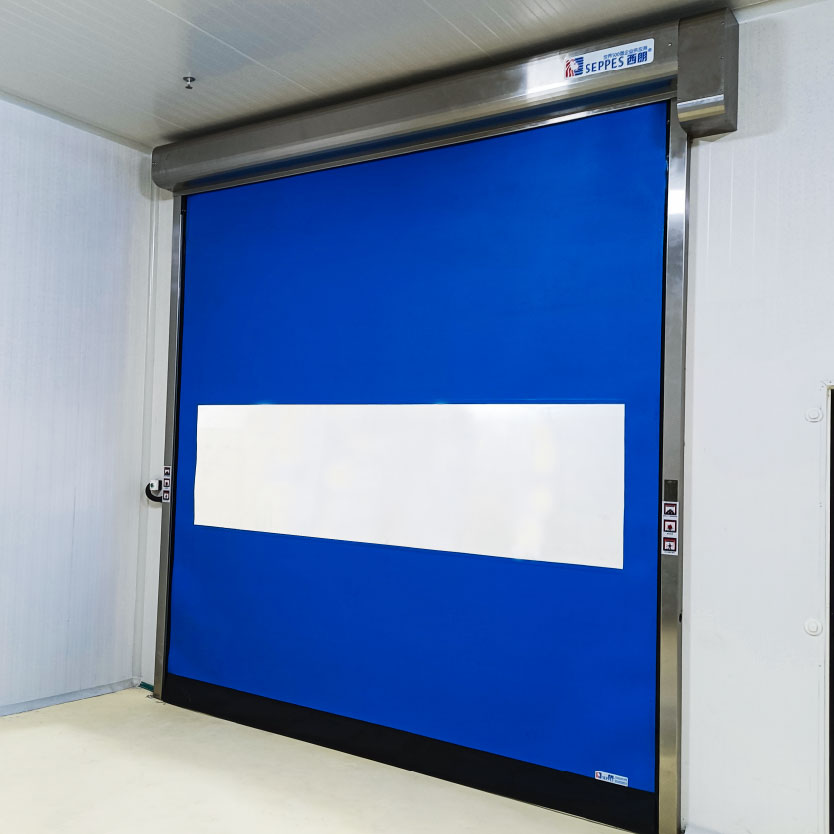
Diese Türen dienen Branchen wie Pharmazie, Elektronik und Medizin und bieten mit luftdichter Abdichtung eine sterile Umgebung. Das schnelle Öffnen reduziert die Kontamination durch Partikel, während sich Personal und Ausrüstung frei bewegen können.
Hochgeschwindigkeitstore mit Wärmedämmung
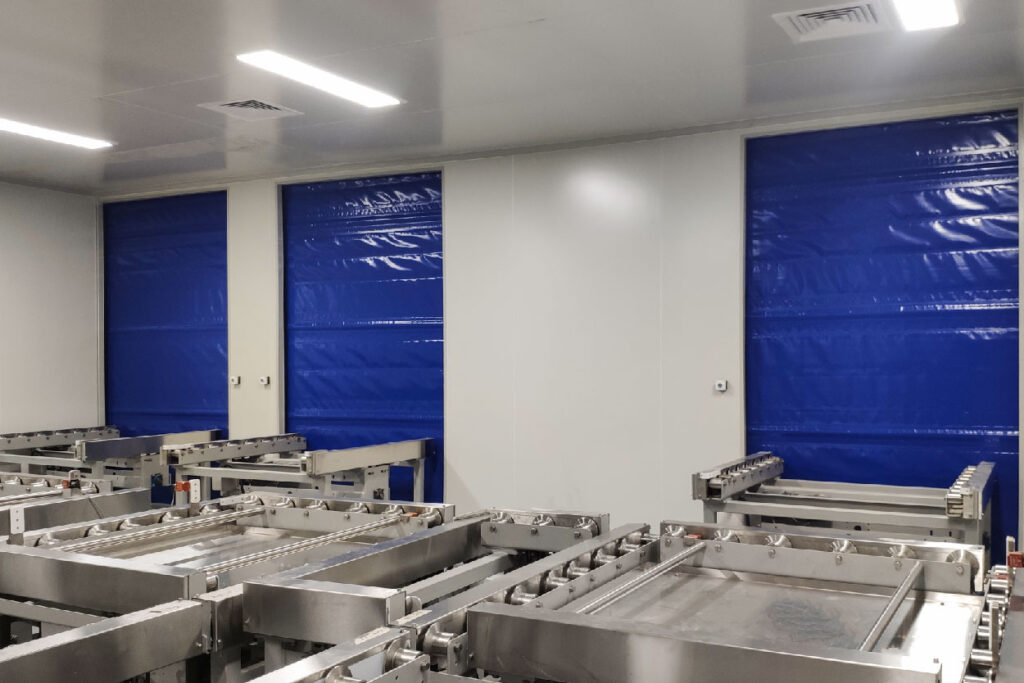
Diese Türen sind so konzipiert, dass sie in Kühllagern, Lagern und Lebensmittelbetrieben stabile Innentemperaturen aufrechterhalten. Sie bieten eine hervorragende Wärmedämmung, und ihre schnellen Öffnungs- und Schließmechanismen minimieren Energieverluste und sorgen für eine effiziente Temperaturregelung, wodurch Betriebseffizienz und Kosteneinsparungen erhalten bleiben.
Jede Art von Schnelllauftür ist maßgeschneidert, um bestimmte betriebliche Anforderungen zu erfüllen, was den Auswahlprozess wertvoll macht, um sicherzustellen, dass die Türfunktionalität den Industriespezifikationen entspricht.
Kernkomponenten und Wartungsbedarf
Schnelllauftüren sind mit betriebssicheren und zuverlässigen Komponenten ausgestattet, darunter:
Motor und Antriebssystem: Der Antriebsmotor ist vielleicht das wichtigste Merkmal eines Schnelllauftürsystems. Antriebsmotoren unterstützen das schnelle Öffnen und Schließen einer Tür, und fortschrittliche Antriebsmotoren verfügen sogar über einstellbare Geschwindigkeitseinstellungen, die die Leistung und Langlebigkeit der Tür erhöhen.
Steuerungstafel: Die modernsten Schnelllauftüren verfügen über intuitive Steuerungstafeln. Diese Tafeln enthalten oft eine speicherprogrammierbare Steuerung (SPS), die eine präzise Steuerung und Integration in bestehende automatisierte Systeme ermöglicht.
Vorhangmaterial: Die Tür verwendet ein hochbelastbares, leichtes und flexibles PVC oder industriell verstärktes Gewebe, das es dem Vorhang ermöglicht, starker Beanspruchung in verschiedenen industriellen Umgebungen standzuhalten.
Sensoren und Sicherheitsfunktionen: Aufgrund der potenziellen Gefahren von Schnelllauftüren umfassen sie Bewegungssensoren, photoelektrische Sensoren und Infrarotsensoren, um Kollisionen zu verhindern oder zusätzlich vor einer Rückwärtsbewegung der Tür zu schützen.
Dichtungssysteme: Schnelllauftüren sind mit Dichtungssystemen ausgestattet, die eine dichtere Abdichtung bieten, um die Temperaturkontrolle zu verbessern und den Schutz vor äußeren Verunreinigungen zu erhöhen.
Rahmen und Rollen: Das Türsystem besteht aus starken strukturellen Rahmen aus Stahl oder Aluminium, und Systeme mit hochintegritäts-Nutrollen schaffen ein insgesamt effizientes und betriebsbereites System.
Wartungsbedarf
Um einen optimalen Betrieb von Schnelllauftüren zu gewährleisten, ist eine regelmäßige Wartung unerlässlich. Routinekontrollen sollten sich konzentrieren auf:
Halten Sie die Rollen und Scharniere geschmiert, um Schäden durch Reibung zu vermeiden.
Stellen Sie sicher, dass die Not-Aus-Taster und Sicherheitssensoren voll funktionsfähig sind.
Überprüfen Sie das Vorhangmaterial auf Risse und ersetzen Sie es, wenn es abgenutzt ist.
Reinigen Sie Ablagerungen oder Schmutz in den Führungen und Rahmen, um zu verhindern, dass die Türen klemmen.
Passen Sie den Motor und das Steuerungssystem für einen vollständigen betrieblichen und effektiven Betrieb an.
Um einen optimalen Betrieb von Schnelllauftüren zu gewährleisten, ist eine regelmäßige Wartung unerlässlich. Routinekontrollen sollten sich darauf konzentrieren, die Rollen und Scharniere geschmiert zu halten, um Schäden durch Reibung zu vermeiden. Stellen Sie sicher, dass die Not-Aus-Taster und Sicherheitssensoren voll funktionsfähig sind. Überprüfen Sie das Vorhangmaterial auf Risse und ersetzen Sie es, wenn es abgenutzt ist. Reinigen Sie Ablagerungen oder Schmutz in den Rahmen, um zu verhindern, dass die Türen klemmen. Passen Sie den Motor und das Steuerungssystem für einen vollständigen betrieblichen und effektiven Betrieb an. Schließlich hilft die Einhaltung eines vom Hersteller bereitgestellten Wartungsplans und die proaktive Behebung kleinerer Probleme, Ausfallzeiten zu reduzieren.
Integration von IoT für vorausschauende Wartung
Das Internet der Dinge (IoT) verändert die Art und Weise, wie wir Schnelllauftüren warten. Anstatt sie nach einem Defekt zu reparieren oder Komponenten regelmäßig auszutauschen, verlagern wir uns auf vorausschauende Wartungsstrategien. IoT-Sensoren messen Dinge wie Vibration, Temperatur, Tür-Öffnungs-/Schließzyklen und Betriebsgeschwindigkeit, um Echtzeitdaten zu sammeln. Alles wird aufgezeichnet. Diese Daten werden dann analysiert, und potenzielle Probleme können schnell identifiziert werden, um Betriebsausfälle zu verhindern.
Mit vorausschauender Wartung können Facility Manager Probleme angehen, bevor sie zu Störungen werden, was zu weniger ungeplanten Ausfallzeiten und geringeren Reparaturkosten führt. Die Verwaltung von Schnelllauftüren wird mit IoT-Lösungen und vorausschauender Wartung effizienter, was zur Verlängerung der Lebensdauer der Türen beiträgt. Ferngesteuerte, cloudbasierte Systeme können Diagnosen automatisieren und Warnungen mit empfohlenen nächsten Schritten an das Gerät eines Managers senden. Schnelllauftüren können gewartet werden, um effizienter zu sein, und können instand gehalten werden, um zuverlässiger zu sein. Diese Methode erhöht die betriebliche Lebensdauer der Schnelllauftüren und minimiert das Risiko unerwarteter Ausfälle. Insgesamt wird das Facility Management verbessert, und der Betrieb kann nahtlos aufrechterhalten werden. Auch Sicherheit und Schutz verbessern sich, was in stark frequentierten Anlagen von entscheidender Bedeutung ist.
Die Bedeutung regelmäßiger Wartung
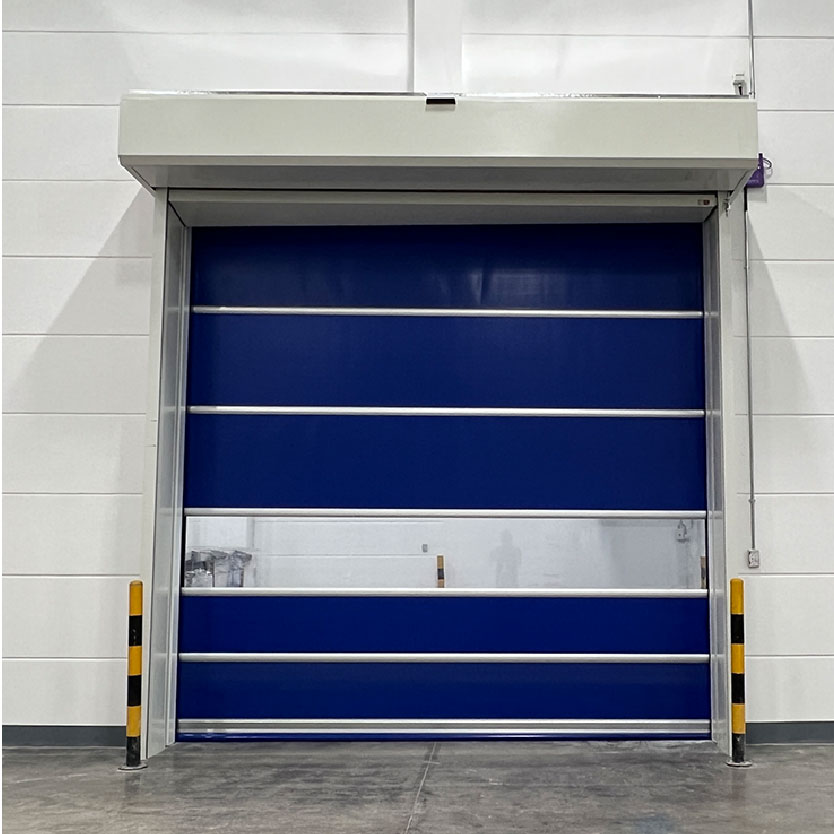
Risiken von Stillstandszeiten und Kosteneffekte
Einige wichtige Branchen sind auf einen konsistenten Arbeitsablauf angewiesen, und das liegt zum Teil an Schnelllauftüren. Fertigung, Logistik und sogar Kühllagerung profitieren alle von regelmäßiger Wartung, um unerwartete Ausfälle zu vermeiden. Eine defekte Tür, die Ausfallzeiten verursacht, kann zu Betriebsverzögerungen in einer gesamten Linie führen, was die Produktivität beeinträchtigt und den gesamten Lieferkettenfluss stört. Wenn beispielsweise eine Betriebskette ausfällt, kann es zu potenziellen Verlusten durch verspätete Lieferungen oder sogar verdorbene Waren in temperaturgeführten Umgebungen kommen.
Reparaturen sind nur eine Seite der Kosten. Verlängerte Ausfallzeiten erhöhen die Energie- und Betriebskosten, wenn Türen nicht richtig abdichten, da Systeme weiterlaufen. Das Hinzufügen manueller Prozesse zur Aufrechterhaltung des Arbeitsablaufs erhöht die Arbeitskosten. Um den Betrieb effizient und die Kosten kontrolliert zu halten, überwachen Sie die Systeme regelmäßig und führen Sie Wartungsarbeiten durch, um Verschleiß und Ineffizienz zu verhindern.
Energieeffizienz- und Nachhaltigkeitsvorteile
Die Nachhaltigkeit und Energieeffizienz der Schnelllauftür machen sie zu einer großartigen Tür für jede moderne Anlage. Schnelllauftüren helfen, den CO2-Fußabdruck einer Organisation zu reduzieren. Sie öffnen und schließen schnell und halten die Umgebung im Innenraum konstant. Sie helfen, Energieverluste zu reduzieren und die Temperaturkontrolle im Raum zu erreichen, da die Schnelllauftüren helfen, das Raumklima zu kontrollieren. Die Schnelllauftüren senken auch die Kühl- und Heizkosten, da zusätzliche Isolierung und bessere Abdichtungstechnologie helfen, Zugluft zu vermeiden und den Raum luftdicht abzuschließen.
Nachhaltigkeit beginnt mit den Türrahmen, da immer mehr Schnelllauftüren aus recycelbaren Materialien hergestellt werden. Die bessere Nutzung und Wiederverwendung von Materialien hängt auch von den Fortschritten in der Schnelllauftür-Technologie ab, wie z. B. intelligenten Systemen und Motoren, die verhindern, dass die Türen geöffnet bleiben, wenn sie nicht benutzt werden. Die zusätzliche Benutzerfreundlichkeit und Nachhaltigkeit machen Schnelllauftüren in klimatisierten Räumen energieeffizient und modern. Diese modernen Schnelllauftüren helfen Organisationen auch dabei, ihre grünen Zertifizierungen zu erreichen, indem sie die Umweltschutzgesetze einhalten.
Einhaltung von Hygienestandards in sensiblen Branchen
Schnelllauftüren sind entscheidend für die Aufrechterhaltung der Hygiene in Branchen wie der Lebensmittelverarbeitung, Pharmazie und Reinräumen. Wenn Schnelllauftüren den Luftverkehr öffnen und schließen, reduzieren sie das Risiko, dass Verunreinigungen wie Staub und Keime die Luft verschmutzen. Da Schnelllauftüren leicht zu reinigende Oberflächen und Materialien haben, die keine Bakterien einfangen, können sie die strengen Gesundheits- und Sicherheitsvorschriften in der Schnellschließindustrie erfüllen. Fortschrittliche Abdichtungstechnologie schafft eine branchenweit hohe Barriere gegen Kreuzkontamination zwischen Bereichen. In einigen Fällen verfügen moderne Schnelllauftüren über UV-Desinfektionstechnologien und antimikrobielle Beschichtungen für zusätzliche Aufmerksamkeit auf hohen Schutz. Kreuz-Schnelllauftüren sind branchenkompatibel und auf betriebliche Effizienz ausgelegt, entwickelt für die strengen Sauberkeitsstandards von Umgebungen mit hoher Kontamination.
Tägliche, wöchentliche und monatliche Wartungs-Checkliste
Überprüfung der Stromverbindung und Betriebsabläufe
Überprüfungen der Stromanschlüsse und Inspektionen der Betriebsabläufe halten Schnelllauftüren funktionsfähig und sicher. Sichern und inspizieren Sie die Stromversorgung der Türen. Stellen Sie sicher, dass die Stromversorgung nicht beschädigt ist. Fehlerhafte Anschlüsse und Schäden an der Stromversorgung erhöhen die Wahrscheinlichkeit von Sicherheitsrisiken. Leistungsschalter und Sicherungen sollten überprüft werden, um sicherzustellen, dass sie nicht überlastet sind und ordnungsgemäß funktionieren.
Alle Betriebssteuerungen, einschließlich Fernbedienung, Drucktasten und Sensoren, sollten getestet werden, um sicherzustellen, dass sie ordnungsgemäß ansprechen. Lichtschranken und druckempfindliche Kanten sind ebenfalls Sicherheitsmerkmale, die voll funktionsfähig sein müssen. Regelmäßige Anpassungen der Türgeschwindigkeiten, insbesondere des Notstopps, sollten vorgenommen werden, um die Einhaltung der Sicherheitsstandards zu gewährleisten. Wenn Sie diese häufiger überprüfen lassen, stellen Sie sicher, dass die Türen funktionieren, und verringern die Wahrscheinlichkeit von Fehlfunktionen.
Funktionsprüfung von Sensoren und Sicherheitseinrichtungen
Aktive Sensoren und Sicherheitseinrichtungen von Schnelllauftüren sind entscheidend für Betriebssicherheit und Effizienz. Zu den Sicherheitseinrichtungen gehören Lichtschranken, Radarbewegungsmelder und druckempfindliche Kanten. Wenn keine Hindernisse vorhanden sind, verhindern diese Geräte Schäden an Türsystemen, und regelmäßige Tests sind für die Zuverlässigkeit wichtig.
Um Lichtschranken zu testen, überprüfen Sie, ob sie richtig ausgerichtet sind und sich im richtigen Empfindlichkeitsbereich befinden. Platzieren Sie ein Objekt im Weg der Tür und prüfen Sie, ob die Tür wie vorgesehen anhält oder zurückfährt. Führen Sie auch Tests an den Radarbewegungsmeldern durch, um deren Empfindlichkeit zu prüfen und sicherzustellen, dass sie den richtigen Bereich für die Bewegungserkennung abdecken. Für druckempfindliche Kanten betätigen Sie die Kante leicht, um zu testen, ob die Tür anhält oder zurückfährt.
Regelmäß.
Reinigungsprotokolle für Torkomponenten
To keep high-speed doors running at their best, meet operational standards, and maintain compliance, teams must clean them routinely. Maintenance staff should remove all dust, debris, and surface dirt to keep the doors operating smoothly. To prevent scratches, they should use only non-abrasive tools. Microfiber cloths work well, and technicians can apply grease and stain removers to door panels; however, they must avoid harsh chemicals because these substances can damage the finish and materials. Staff should clear buildup from rollers and tracks to ensure smooth operation. Technicians must select the correct silicone products and avoid applying excessive silicone to moving parts, as improper use can reduce performance. Modern disruptors are good for gentle cleaning, but are not in full alignment with all cleaning requirements. To ensure the doors achieve integrity and optimal operation, integrate the practices with a manufacturers guidelines.
Inspektion und Wartung mechanischer Teile
To optimize reliability, safety, and efficiency, technicians should regularly inspect and maintain the mechanical parts of high-speed doors. Hinges, springs, and tracks experience wear, can shift out of alignment, or suffer damage, so technicians need to examine them carefully. Teams should clear debris from the tracks to prevent operational interference. To avoid excessive stress on the motor and other components, technicians must adjust the springs and belt tension whenever they become too tight.
To help reduce the operation of moving parts, lubrication should be used. Specialized lubricants are needed and should be used in order to reduce friction and help high-speed doors operate more cycles. It is best to avoid over-lubrication, which can help dust and dirt to clog the system and wear the system down over time. Some of the more modern systems are using new maintenance practices like predictive analytics or sensors. These new systems help reduce repair costs and downtime by warning of potential failures before they happen, thus extending the life of the equipment.
Following the manufacturer’s maintenance guidelines can help prolong the lifespan of high-speed doors while using periodic maintenance schedules and fixing little problems before they become big issues.
Kritische Fehlerbehebung und Notfallmaßnahmen
Schritte bei Stromausfällen oder unerwartetem Verhalten
Priorisierung der Sicherheit
If unexpected issues occur or a power outage happens, always prioritize the safety of everyone nearby. If a door gets stuck in a closed or partially open position, immediately clear the surrounding area to prevent accidents or injuries.
Bewertung der Situation
Try to visually inspect the door and see if there are any issues such as misalignment, physical damage, or any obstruction. Do not attempt to force the door as you might damage it further.
Manuelle Notübersteuerungssysteme
The majority of high-speed doors do come with some variants of chains or manual overrides. So, during a power failure, you should be able to follow the manual that comes with the door to unlock the system and move the door to the position you wish.
Die Stromquelle
Check and see if the power supply to the door is correctly supplied. This could involve rechecking fuses or checking if a circuit breaker has been tripped. If you are unsure, then you should contact an electrician so as to identify the electrical issues.
Neustart des Torsystems
Once the power has been supplied, follow the instructions in the tasks to the the doors to complete the reset. This may include turning the power back and forth in the system or pressing a reset button.
Überprüfung der Steuerung
The control panel on modern high-speed doors may display diagnostic indicators or error codes. If this is the case, take a look at the user’s manual to learn how to troubleshoot the error codes.
Fachhilfe anfordern
Continuing to have door malfunctions or the door behaving oddly after following the previous steps will require the help of a licensed technician or service professional. Trying to perform complex repairs on your own may cause additional damage or cause safety issues.
Regelmäßige Systemchecks einplanen
To minimize problems in the future, you will need to make sure the door is checked and maintained regularly. This will allow service personnel to remove and replace any outdated components and help to ensure that potential problems won’t cause any interruptions to mission-critical operations.
The power failures or odd behavior of the doors will be easily rectified using the previous steps, which will reduce the risk and downtime of operations.
Funktion der Not-Aus-Systeme
Emergency stop systems are essential safety features in high-speed doors that stop movement. They can malfunction, get clogged with dust and debris, or breach a safety concern, leading to costly repairs. These systems use high-tech sensor systems, control panels, and manual control so that they can respond quickly to safety issues. Because they are used in high-speed door systems in used in factories and situations where there is a high volume of foot traffic, they are subject to strict safety regulations. These include OSHA and EN safety regulations.
Emergency stop systems use modern technology such as photoelectric sensors and pressure edges. These detect objects in real time, and the control unit immediately stops door movement. Additionally, a manual stop button is available to the user to stop the door at any time. Regular inspections are required in order to comply with safety regulations.
Using sensor systems and high-tech safety tools, emergency stop systems in high-speed doors are continually developing to provide expert maintenance tips and enhance safety. They are even able to use technology like IoT to monitor the door and predict when it will need additional maintenance. These systems are developed to operate in the most challenging environments with the utmost safety.
Umgang mit Umgebungsgefahren
Retractable doors are extremely effective when used in the appropriate environment. However, without proper care, they can create negative environmental impacts as well. For example, energy loss can affect the area beyond the door. Companies often install retractable doors in high-traffic zones such as warehouses and factories. Manufacturers integrate advanced insulation materials and sealing mechanisms into high-speed doors to block dust and debris and maintain stable performance. These features trap more air inside the space and reduce overall energy consumption.
In addition, noise pollution can be created when a high-speed door is used, especially in big cities or tight spaces. To reduce the impact of high-speed doors, manufacturers are including materials that absorb noise, as well as smoother and quieter motors. Also, high-speed doors can incorporate design features to stand up to the rain, wind, and extreme temperatures. To keep the door components to a high standard to keep the door in a functional state.
Furthermore, high-speed doors can be designed to integrate with environmental monitoring systems. By using energy-efficient designs, noise-absorbing technologies, and predictive maintenance systems, agile doors are more effective in improving and sustaining the surrounding environment.
Fortschrittliche Wartungstrends im Jahr 2026
Vorausschauende Wartung mit intelligenten Torplattformen
Smart platforms have changed predictive maintenance, high-speed doors’ operational reliability & maintenance efficiency. Smart doors use IoT sensors, predictive analytics, AI, & machine learning to gather and analyze operational data like door cycle counts, motor speeds, & open/close times. From this data, maintenance systems determine & reduce system failures.
Integrating tech like remote monitoring & cloud systems gives facility managers the ability to intervene before issues arrive. alerts & notifications to maintenance, integrate repair processes & remote maintenance systems. Smart door systems are anticipated to require high operational precision & safety standards with the rise of 5 G and digital twins. Because smart systems maintain operational doors proactively, they reduce maintenance costs along with operational system costs.
Selbstreparaturtechnologien und minimale Stillstandszeiten
The introduction of high-speed doors with self-repairing technologies has changed the ways industries and businesses operate. These doors use advanced automatic self-repairing technologies in such a way that they can realign themselves after sustaining an impact, and in this way, they save the high costs associated with manual repairs. These doors have Flexible curtain materials and advanced tracking systems that allow the doors to function even after sustaining collisions. This way, the workflows associated with the doors are not disrupted.
Der Einsatz von IoT-Sensoren und Werkzeugen für die vorausschauende Wartung hat auch Schnelllauftore verbessert und ungeplante Ausfallzeiten minimiert. Diese Technologien überwachen die Tore in Echtzeit und informieren die Betreiber der Tore über etwaige Probleme, die Reparaturen erfordern würden, bevor Reparaturen notwendig werden. In Kombination mit KI-Analysen können Schnelllauftore zudem die Betriebsmuster erlernen und sich anpassen, um ihre Leistung zu optimieren. Dies macht die Interaktion mit den Toren überflüssig. Selbstreparaturtechnologien ermöglichen es der Industrie, sich auf ihre Kernfunktionen zu konzentrieren und auf optimalem Niveau zu arbeiten.
Energieeffiziente Upgrades und Materialien
Schnelllauftore wurden perfektioniert, um Energie zu sparen. Mit modernsten Materialien, die die Tore isolieren, wird der Energieverlust minimiert. Polyurethan- oder thermoplastische Materialien eignen sich hervorragend für den Wärmewiderstand und halten die Temperatur der klimatisierten Umgebung konstant. Sie eignen sich auch hervorragend, um zu verhindern, dass die kontrollierte Umgebung Energie an die Außentemperatur verliert.
Dichtungen und Dichtungsprofile wirken, um Luftzug und Barrieren zu reduzieren. Sie sind so konzipiert, dass sie auch bei vollständig durchlaufenen Toren effektiv arbeiten. Es gibt sogar Tore, die mit Hilfe von Frequenzumrichtern Energie sparen. Diese erhöhen die Lebensdauer des Tores und sparen Energie. Immer mehr Tore werden mit umweltfreundlichen Materialien beschichtet und aus recycelbaren Materialien hergestellt.
Moderne Schnelllauftore sind voll und ganz in der Lage, diese energiesparenden Nachrüstungen durchzuführen und dem Benutzer die Möglichkeit zu geben, Energie zu sparen und den CO2-Fußabdruck zu reduzieren. In der heutigen Welt mit moderner Technologie sind diese Tore perfekt dafür ausgelegt, effizient zu arbeiten und gleichzeitig die klimatisierte Umgebung auf der richtigen Temperatur zu halten.
Wann Fachleute einzuschalten sind
Anzeichen für tieferliegende Probleme
Einige Probleme mit Schnelllauftoren sind durch routinemäßige Wartung lösbar. Dennoch sind einige Probleme komplex und erfordern die Aufmerksamkeit eines Fachmanns. Eines dieser Warnsignale ist Lärm – Schleifen, Quietschen oder übermäßige Vibrationen können auf Rollenprobleme, Spurfehler oder Motorprobleme hinweisen. Ebenso können Verzögerungen oder Unregelmäßigkeiten in der Bewegung der Tore ein Problem mit dem Steuerungssystem anzeigen. Darüber hinaus verringern beschädigte Wetterdichtungen, verbogene Schienen oder gerissene Paneele die Gesamtleistung und Effizienz des Tores.
Wenn das Tor nicht häufig öffnet und schließt oder das System völlig reagiertlos ist, können Probleme mit der elektronischen Steuerung, den Endschaltern oder der Leiterplatte vorliegen. Nicht funktionsfähige Sicherheitssysteme wie Lichtschranken und Kantensensoren erfordern ebenfalls eine Bewertung, da sie ein Risiko darstellen. Durch die Behebung von Problemen und die Übertreffung der Betriebsanforderungen mit Schnelllauftoren können Anbieter Ausfallzeiten eliminieren.
Häufigkeit von Fachinspektionen
Schnelllauftore laufen mit regelmäßigen Inspektionen am effizientesten und sichersten. Führen Sie mindestens einmal jährlich oder in stark frequentierten Einrichtungen vierteljährlich Wartungsarbeiten durch, um Ausfälle zu verhindern und die Lebensdauer zu verlängern. Lizenzierte Techniker können auf Probleme prüfen, die Einhaltung von Sicherheitsstandards sicherstellen und helfen, die Herstellervorgaben einzuhalten, um Garantien gültig zu halten und den effizienten Betrieb der Tore zu gewährleisten.
Die Rolle von Hersteller-Servicenetzen
Herstellerservicenetze warten Schnelllauftore und deren Reparatur- und Wartungsnetze. Servicehersteller bauen Reparaturnetze auf und erhalten ihre dauerhaften Reparaturen von Schnelllauftoren. Die Wartungspersonal dieser Tore repariert spezifische Tormodelle und Wartungsmodelle. Servicehersteller warten und reparieren Tore mit fachmännischen Wartungstipps und -werkzeugen; die Wartung von Schnelllauftoren durch allgemeine Anbieter kann dieses Serviceniveau nicht erreichen.
Servicehersteller reparieren und warten Tore mit Werkzeugen und Reparaturteilen. Bereitgestellte Tore warten, reparieren und aktualisieren die Torsoftware und -technologie. Die Wartungspersonal dieser Tore verwendet Software, die Schnelllauftore mit Spitzenleistung betreibt und die Wartung von Schnelllauftoren sicherstellt. Tore bieten aktualisierte Reparaturoptionen basierend auf der Häufigkeit des Öffnens und Schließens des Tores und den äußeren Faktoren, denen sie ausgesetzt sind. Die Nutzung eines Serviceherstellers und die Wartung von Schnelllauftoren an Toren hält die Tore des Reparaturnetzes des Serviceherstellers konform. Servicearbeiter-Tore sind Schnelllauftore.
Fallstudien und Best Practices
Reale Kosteneinsparungen durch Wartung
Unternehmen in vielen Bereichen haben die Vorteile erkannt, die Schnelllauftore bei ordnungsgemäßer Wartung bieten können. Regelmäßige Torwartung kann Unternehmen Notfallreparaturkosten sparen, indem Probleme behoben werden, bevor sie sich verschlimmern. Viele Unternehmen haben beispielsweise von geringeren Betriebsausfallzeiten berichtet, wenn Notfalltorreparaturen seltener auftreten, was eine produktivere Wartung der Betriebssysteme ermöglicht.
Darüber hinaus sparen Schnelllauftore, die beim letzten Mal, als Ihre Betriebssysteme eine kontrollierte Klimatisierung nutzten, ordnungsgemäß abgedichtet, eingestellt und geschmiert wurden, Energie beim saisonalen Wechsel. Außerdem halten die Tore länger und sparen Ersatzkosten.
Darüber hinaus bietet die zunehmende Verfügbarkeit automatisierter Systeme zur Überwachung von Energietoren eine genauere vorausschauende Wartung, die hilft, regelmäßig auf Probleme zu prüfen. Die Integration von Systemen, die die Torleistung in Echtzeit überwachen, und das Internet der Dinge (IoT) hilft, verfügbare Betriebssysteme besser zu nutzen und sogar vorausschauende Wartungspläne an bevorstehende Torreparaturen anzupassen. Modernste Technologien können Unternehmen helfen, traditionelle Methoden umfassender zu implementieren und das Gleichgewicht der vorausschauenden Wartung bei der Vermeidung von Torreparaturnotfällen zu maximieren.
Lehren aus häufigen Ausfällen und erfolgreichen Eingriffen
Es gibt einige Anpassungen, die bei der Betrachtung der Wartung von Schnelllauftoren vorgenommen werden können. Hier sind einige Vorschläge, die bei der Wartung der Schnelllauftore helfen können.
Schienenausrichtung der Tore
Ineffizienz, erhöhter Verschleiß und Betriebsfehlausrichtungen können alle durch die Torführung verursacht werden.
Ausfallzeiten können um mehr als 30 % reduziert werden durch den Einsatz von Technologie, die präzisere Einstellungen ermöglicht, zusammen mit regelmäßigen Inspektionen.
Mangelnde Schmierung beweglicher Teile
Dies kann dazu führen, dass Rollen, Scharniere und andere Komponenten schneller verschleißen.
Die Lebensdauer kann um 45 % erhöht werden durch den Einsatz einer automatisierten, geplanten Schmierwartung, die auf ein geplantes Wartungsprogramm aufmerksam macht.
Verschlechterung der Sensortechnologie
Tore können aufgrund defekter Sensoren möglicherweise nicht öffnen, schließen oder anhalten.
Die Systemzuverlässigkeit der Sensoren kann um 50 % erhöht werden durch die Einbeziehung von IoT-Sensoren.
Defekte Torpaneele können zu kostspieligen Reparaturen und unerwarteten Ausfällen führen, wenn sie nicht rechtzeitig behoben werden.
In stark frequentierten Bereichen, einschließlich stark frequentierter Tore, sind Paneele anfälliger für Kollisionsschäden.
Die Verwendung von schlagfesten Materialien zusammen mit der Installation von Schutzbarrieren hat den Bedarf an Panelersatz um 40 % reduziert.
Vernachlässigung präventiver Wartung
Das Versäumen regelmäßiger Inspektionen ist vermeidbar und kann zu unentdeckten Problemen führen, die kostspielige Reparaturen verursachen.
Durch den Einsatz von Echtzeitüberwachung und -analysen hat die vorausschauende Wartung die Kosten für Notfallreparaturen um 60 % gesenkt.
Diese Lektionen unterstreichen die Notwendigkeit, effektive Wartungsstrategien mit traditionellen Best Practices und modernen technologischen Lösungen zu kombinieren, um die beste Leistung bei minimalen Kosten zu erzielen.
Schlussfolgerung
Wert proaktiver Wartung von Hochgeschwindigkeitstoren
Schnelllauftore können hervorragende Vorteile bieten, wenn sie mit der neuesten Technologie für vorbeugende Wartung kombiniert werden. Industrietore werden untersucht, um Probleme vorbeugend zu lösen, die Lebensdauer von Rolltoren zu verlängern und den kontinuierlichen Betrieb aufrechtzuerhalten. Innovationen wie IoT-integrierte Sensoren und Überwachungstechnologie liefern Echtzeitdaten, die nützlich sind, um den Verschleiß von Teilen und etwaige mechanische Probleme zu verfolgen. Diese Technologie liefert umsetzbare Lösungen, um geplante Wartungsarbeiten zu erstellen und Zeitverluste im Betrieb zu vermeiden.
Aktuelle Daten zeigen, dass Unternehmen, die proaktive Wartung mit prädiktiver Analyse kombinieren, eine Reduzierung unerwarteter Ausfälle um fast 75 % verzeichnen. Darüber hinaus helfen regelmäßige Überprüfungen und rechtzeitige vorbeugende Maßnahmen, die Tore abzudichten und auszurichten, was die Klimatisierung durch Reduzierung von Luftverlusten unterstützt. Die vollständige Integration proaktiver Technologie mit moderner Technologie hilft Unternehmen, niedrigere Reparaturkosten und eine sicherere Arbeitsumgebung zu haben.
Handlungsaufforderung für eine umfassende Wartungsstrategie
Beginnen Sie, Ihre Abläufe mit unseren maßgeschneiderten Wartungsplänen für Ihre Schnelllauftore zu verbessern. Mit unseren Inspektions-, modernen Diagnose- und Wartungssystemen werden Ihre Schnelllauftore verjüngt und Ihrer Einrichtung mehr Betriebszeit und weniger unerwartete Ausgaben bieten. Rufen Sie uns an, um zu erfahren, wie wir die Leistung Ihrer Einrichtung optimieren können, während wir Energieeinsparungen und Sicherheit im Auge behalten; regelmäßige Wartung ist ein Muss.
Zielgruppe für “Acrylstäbe”
Personen, die nach ”Acrylstäben” suchen, stammen meist aus den folgenden Bereichen: Fertigung, Bauwesen, Kunst und Handwerk, Innenarchitektur und kundenspezifische Fertigung. Diese Personen/Unternehmen kaufen Acrylstäbe aufgrund ihrer Festigkeit, ihres geringen Gewichts und verwenden sie als strukturelle und dekorative Stützen. Auch DIY-Hobbyisten mögen Acrylstäbe, weil sie sich für praktische und kreative Projekte eignen.
Häufig gestellte Fragen (FAQs)
Hochgeschwindigkeitstor-Reparatur: Wann sollte ich einen Fachmann für Reparatur oder Wartung von Hochgeschwindigkeitstoren rufen?
Bitte kontaktieren Sie Experten für Schnelllauftorreparaturen, wenn Sie Fehlfunktionen bemerken, seltsame Geräusche hören, langsame Abläufe erleben oder Dellen sehen, die die Tore schwer beweglich machen. In industriellen Umgebungen stellen Tore mögliche Sicherheitsbedenken und Ausfallzeiten dar. Rechtzeitige Torwartung reduziert teure Ausfallzeiten und erhöht die Sicherheit. Vereinbaren Sie mindestens einmal im Jahr oder öfter, wenn Ihr Tor stark beansprucht wird, eine fachmännische Wartungsberatung durch einen zertifizierten Techniker.
Präventive Wartung: Welche vorbeugende Wartung sollte ich an Hochgeschwindigkeitstoren durchführen?
Vorbeugende Wartung wird als regelmäßige Überprüfungsverfahren beschrieben, wie die Inspektion von Schienen und Überkopf-Hardware, das Schmieren beweglicher Teile, das Anziehen von Schrauben und Sicherheitssensortests. Diese helfen, defekte Tore zu erhalten und die Lebensdauer der Tore zu verlängern, was die Wartungszeit erhöht. Diese Tipps können je nach Nutzungsintensität der Tore wöchentlich, zweiwöchentlich oder monatlich durchgeführt werden. Für eine gründliche vorbeugende Wartung buchen Sie einen Torwartungsservice mit qualifizierten Technikern, um Dinge zu adressieren, die Sie möglicherweise übersehen.
Lebensdauer verlängern: Wie kann ich die Lebensdauer meiner Hochgeschwindigkeitstore verlängern?
Verwenden Sie diese Checkliste, um die Lebensdauer Ihrer Schnelllauftore zu verlängern: Halten Sie Ihre Tore und den Bereich um die Schienen und Überkopfsysteme sauber, entfernen Sie Schmutz, reagieren Sie auf Dellen und beheben Sie sie, und stellen Sie sicher, dass Schrauben und Bolzen fest sind. Überprüfen Sie Ihre Sicherheitsstromkreise und ersetzen Sie Komponenten, bevor sie verschleißen. Führen Sie Ihre eigene interne vorbeugende Wartung durch und fügen Sie regelmäßige Inspektionen durch einen Fachmann hinzu, um Sicherheit und Betriebszeit zu erhöhen.
Wartung ist unerlässlich: Warum ist Wartung für Hochgeschwindigkeitstore in industriellen Umgebungen ein Muss?
Aufgrund der schweren Lasten und des ständigen Betriebs in industriellen Umgebungen tritt Verschleiß an Schnelllauftoren auf. Wartung verringert die Wahrscheinlichkeit von Verschleiß, erhöht ihre Betriebszeit, verhindert teure Notfallausfälle und beseitigt Sicherheitsrisiken, bevor sie auftreten. Die Produktivität wird durch fachmännische Wartungstipps und geplante Schnelllauftorwartung aufrechterhalten.
Reparatur und Sicherheit: Kann regelmäßige Wartung die Sicherheit verbessern und potenzielle Sicherheitsprobleme verhindern?
Ja. Die aktive Überwachung von Sensoren, Sicherheitskanten und Notauslösemechanismen kann Sicherheitsmängel erkennen und beheben, bevor Verletzungen auftreten können. Sicherheitssysteme an Toren können helfen, Personal und Ausrüstung in Ihrer Einrichtung zu schützen, und sind nur so gut wie die vorbeugende Wartung und die daran durchgeführten Schnelllauftorreparaturen.
Häufigkeit präventiver Wartung: Wie oft sollte ich vorbeugende Wartung und Inspektionen planen?
Die Häufigkeit hängt von der Nutzung ab: Viel genutzte Tore in Fabriken und Lagern erfordern möglicherweise eine monatliche Überprüfung und Wartung, während weniger genutzte Tore möglicherweise alle 3 Monate gewartet werden müssen. Lassen Sie auf jeden Fall mindestens einmal im Jahr eine vollständige Wartung von einem Fachmann durchführen, um Spitzenleistung zu gewährleisten. Die Befolgung grundlegender Tipps und eines fachmännischen Torwartungsservice spart Geld und erhöht die Betriebszeit, indem teure Reparaturen vermieden werden.
Betriebszeit verlängern: Was sind schnelle Wartungstipps, um kostspielige Stillstände zu vermeiden?
Um Problemen mit Ihren Toren vorzubeugen, denken Sie daran, das Gleichgewicht, die Ausrichtung und Schmutz auf den Überkopfschienen zu überprüfen. Ziehen Sie auch die Schrauben fest an und überprüfen Sie die Sensoren. Wenn Sie einen Defekt bemerken, notieren Sie ihn. Wenn der Defekt eine Delle ist, könnte dies den Torbetrieb beeinträchtigen, also beheben Sie ihn. Diese Schritte helfen, Ihre Tore betriebsbereit zu halten und reduzieren die Notwendigkeit von Notrufen zur Reparatur von Schnelllauftoren.
Wartung ist entscheidend für die ROI: Wie wirkt sich regelmäßige Wartung auf Reparaturkosten und Lebenszeitwert aus?
Regelmäßige Wartung verringert die Wahrscheinlichkeit von Ausfällen, senkt Ihre Reparaturkosten und verlängert die Lebensdauer des Tores, was Ihnen eine bessere Kapitalrendite bietet. Vorbeugende Wartung erkennt Schäden, bevor sie zu einem Problem werden, und daher sind geplante Torwartung und Tipps von Wartungsexperten weitaus besser als die Kosten für ständigen Ersatz oder Notfallreparaturen Ihrer Schnelllauftore.
Referenz-Quellen
- Schnelllauftor-Montage – UNT Digital Library
Diese Quelle bietet detaillierte Informationen zur Montage und Wartung von Schnelllauftoren.
Besuchen Sie die Quelle - Automatische Drehtürantriebe – University of Maryland
Dieses Dokument enthält Spezifikationen und Wartungsrichtlinien für automatische Türantriebe, die möglicherweise Überschneidungen mit Wartungspraktiken für Schnelllauftore aufweisen.
Besuchen Sie die Quelle - Vorbeugende Wartungsspezifikationen für hydraulische Aufzüge – New York State
Obwohl dieses Dokument sich auf hydraulische Aufzüge konzentriert, enthält es Wartungspraktiken für Türbetriebe, die relevant sein könnten.
Besuchen Sie die Quelle